Introduction
In an era where sustainability is no longer an option but a necessity, the construction industry stands at a crossroads. As global infrastructure demands continue to rise, so does the urgency to adopt eco-friendly practices that minimize environmental impact without compromising on performance. Enter Maxpower, a trailblazer in the construction machinery sector that is redefining what it means to build responsibly.
With over a decade of expertise in manufacturing cutting-edge excavators, rotary drilling rigs, and other heavy equipment, Maxpower has emerged as a leader in sustainable construction solutions. By integrating advanced technologies, innovative design principles, and a deep commitment to environmental stewardship, the company is empowering construction professionals worldwide to embrace a greener, more efficient future.
In this comprehensive guide, we'll explore how Maxpower is transforming the construction landscape through its sustainable product line, real-world case studies, and actionable insights for industry leaders. Whether you're a project manager, equipment fleet owner, or sustainability advocate, this article will equip you with the knowledge and strategies needed to make informed decisions that benefit both your bottom line and the planet.
Before delving into Maxpower's innovative solutions, it's essential to understand the broader context of sustainability in the construction industry. According to recent reports, the global construction sector accounts for approximately 39% of total energy-related carbon dioxide emissions, with heavy machinery being a significant contributor to this environmental footprint.
High Fuel Consumption: Traditional diesel-powered construction equipment consumes vast amounts of fuel, leading to significant greenhouse gas emissions and operational costs.
Noise Pollution: Construction sites often generate excessive noise, disrupting local communities and posing health risks to workers.
Waste Generation: The production and disposal of construction materials contribute to landfill waste and resource depletion.
Regulatory Pressures: Governments worldwide are implementing stricter emissions standards and sustainability regulations, forcing companies to adapt or face penalties.
Despite these challenges, the construction industry is experiencing a paradigm shift towards sustainable practices. Driven by technological advancements, changing consumer preferences, and growing awareness of climate change, companies are increasingly investing in eco-friendly solutions that balance performance with environmental responsibility.
According to a 2025 industry report, 68% of construction firms have implemented at least one sustainable practice in their operations, with 42% planning to increase their investment in green technologies over the next three years. This trend is particularly evident in the adoption of electric and hybrid construction equipment, which offers significant reductions in emissions and operating costs.
Maxpower has been at the forefront of this sustainability revolution, developing a range of eco-friendly construction machinery that combines cutting-edge technology with exceptional performance. Let's take a closer look at some of the company's flagship products and how they are transforming the industry.
One of Maxpower's most significant contributions to sustainable construction is its line of electric excavators. These machines replace traditional diesel engines with advanced battery-powered systems, eliminating tailpipe emissions and reducing noise pollution by up to 70%.
High-Capacity Batteries: Equipped with state-of-the-art lithium-ion batteries that provide up to 12 hours of continuous operation on a single charge.
Fast Charging Technology: Supports rapid charging, allowing operators to recharge the battery to 80% capacity in just 60 minutes.
Intelligent Energy Management: Advanced software optimizes power usage, ensuring efficient operation and extending battery life.
Quiet Operation: Electric motors produce significantly less noise than diesel engines, making them ideal for urban construction projects and noise-sensitive environments.
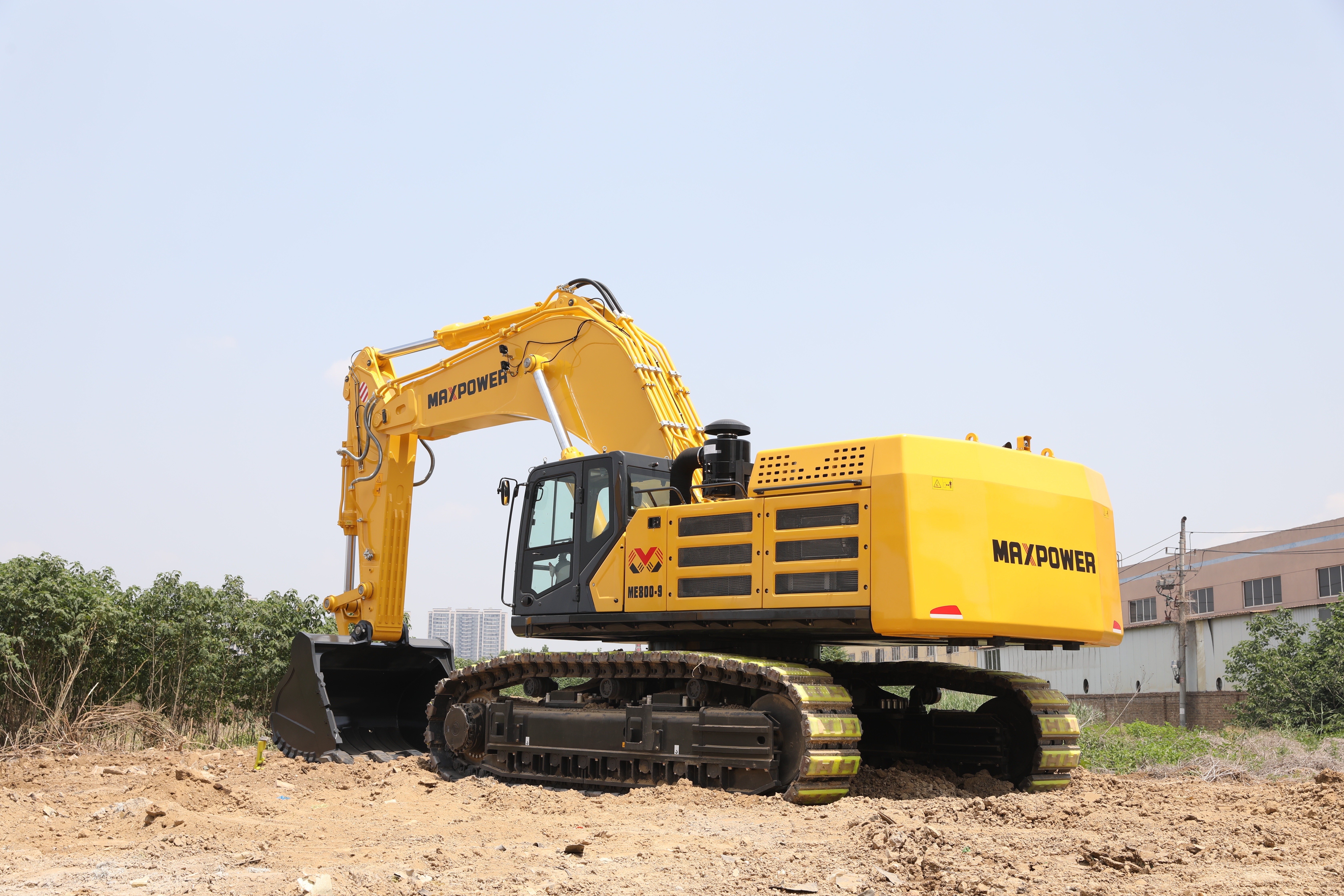
In 2025, Maxpower partnered with a leading European construction firm to deploy its ME800 electric excavator on a major urban infrastructure project. The goal was to minimize the project's environmental impact while maintaining strict deadlines and performance requirements.
Results:
Emissions Reduction: The electric excavator eliminated over 120 tons of CO₂ emissions compared to a traditional diesel-powered machine.
Cost Savings: The company reduced fuel costs by 75% and saved an additional $50,000 in maintenance expenses due to the electric motor's simplified design.
Community Satisfaction: The quiet operation of the electric excavator received positive feedback from local residents, reducing complaints about noise pollution by 85%.
Maxpower's hybrid rotary drilling rigs combine the power of a diesel engine with electric technology to deliver exceptional performance while minimizing fuel consumption and emissions. These machines are designed for heavy-duty applications such as foundation construction, pile driving, and geotechnical engineering.
Dual Power System: Operates on diesel or electric power, allowing operators to switch between modes based on project requirements.
Regenerative Braking: Captures energy during deceleration and stores it in the battery, reducing fuel usage by up to 30%.
Advanced Drilling Technology: Equipped with precision drilling systems that ensure accurate hole placement and reduce material waste.
Remote Monitoring: Integrated telematics system provides real-time data on machine performance, fuel consumption, and maintenance needs.
A major Asian construction company chose Maxpower's MR200 hybrid rotary drilling rig for a high-rise building project in 2024. The project required drilling over 500 foundation piles in a densely populated urban area, with strict noise and emissions regulations.
Results:
Fuel Efficiency: The hybrid rig reduced fuel consumption by 28% compared to a traditional diesel-powered machine, saving the company over $120,000 in fuel costs.
Noise Reduction: The electric mode operation cut noise levels by 60%, allowing the project to proceed during daytime hours without disrupting local businesses and residents.
Productivity Improvement: The advanced drilling technology increased drilling speed by 20%, enabling the team to complete the project two weeks ahead of schedule.
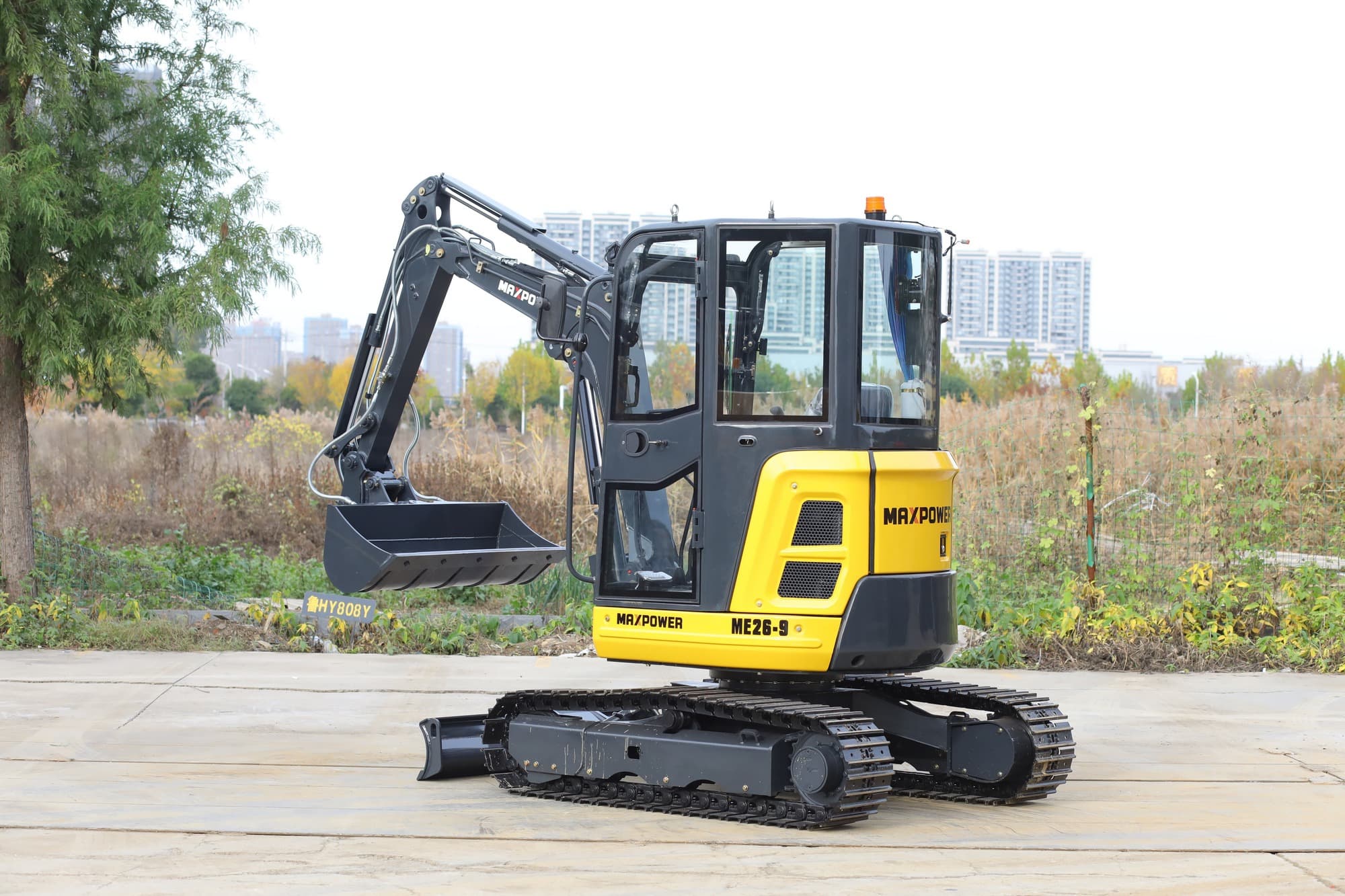
Maxpower's specialty excavators are designed to tackle specific construction challenges while minimizing environmental impact. These machines include compact excavators for urban projects, long-reach excavators for demolition work, and amphibious excavators for wetland applications.
Compact Design: Smaller footprint allows operation in tight spaces, reducing the need for extensive site preparation.
Versatile Attachments: Compatible with a wide range of attachments, including buckets, grapples, and breakers, maximizing machine utility.
Efficient Hydraulics: Advanced hydraulic systems optimize power usage, reducing fuel consumption and emissions.
Operator Comfort: Ergonomic cab design with climate control and noise reduction features ensures operator well-being during long work hours.
In 2023, a North American environmental agency selected Maxpower's amphibious excavator for a wetland restoration project. The goal was to remove invasive plant species and restore the natural habitat while minimizing disturbance to the ecosystem.
Results:
Environmental Protection: The amphibious excavator operated without damaging the fragile wetland ecosystem, preserving critical habitats for local wildlife.
Efficiency: The machine's specialized design allowed operators to access hard-to-reach areas, reducing project time by 30% compared to traditional methods.
Cost-Effectiveness: The use of the amphibious excavator eliminated the need for expensive temporary access roads, saving the agency over $200,000 in infrastructure costs.
To fully appreciate the impact of Maxpower's sustainable products, it's essential to compare them to traditional diesel-powered construction equipment. The following table highlights the key differences in performance, cost, and environmental impact:
As shown in the table, while Maxpower's sustainable solutions may have a higher initial cost, they offer significant long-term savings in fuel and maintenance expenses, along with substantial environmental benefits.
Transitioning to sustainable construction practices requires careful planning, investment, and a commitment to innovation. Here are some actionable strategies for companies looking to integrate Maxpower's solutions into their operations:
Before making any changes, assess your current operations to identify areas where sustainable practices can have the most significant impact. This audit should include:
Fuel consumption and emissions data for your equipment fleet
Waste generation and recycling rates
Noise pollution levels at project sites
Compliance with local environmental regulations
Establish measurable targets for reducing emissions, improving energy efficiency, and minimizing waste. Examples of sustainability goals include:
Reducing fleet emissions by 50% by 2030
Increasing the use of electric and hybrid equipment to 30% of the fleet by 2027
Achieving zero waste to landfill on all projects by 2028
Ensure your team has the knowledge and skills needed to operate and maintain sustainable construction equipment. This includes:
Training programs for operators on electric and hybrid machinery
Workshops on sustainable construction practices for project managers
Resources for staying updated on industry trends and regulatory changes
Collaborate with suppliers and manufacturers that share your commitment to sustainability. Maxpower offers comprehensive support services, including:
Customized equipment solutions tailored to your project needs
Training and technical support for operators and maintenance teams
Financing options to help offset the initial cost of sustainable equipment
Share your sustainability achievements with clients, partners, and the public to build trust and differentiate your brand. This can include:
Case studies highlighting successful sustainable projects
Sustainability reports detailing your environmental performance
Social media campaigns showcasing your eco-friendly initiatives
As the construction industry continues to evolve, several key trends are expected to shape the future of sustainable construction:
By 2030, it's projected that electric construction equipment will account for over 30% of total machinery sales, driven by declining battery costs and stricter emissions regulations.
Advanced technologies such as artificial intelligence (AI) and the Internet of Things (IoT) will play a crucial role in optimizing construction operations, reducing waste, and improving safety. For example, AI-powered predictive maintenance systems can identify potential equipment failures before they occur, minimizing downtime and reducing maintenance costs.
The construction industry will increasingly embrace circular economy principles, focusing on reducing waste, reusing materials, and recycling resources. This includes initiatives such as modular construction, which allows for the easy disassembly and reuse of building components, and the use of recycled materials in concrete and asphalt production.
Sustainability will become a shared responsibility across the entire construction supply chain, with companies working together to develop innovative solutions and drive industry-wide change. This collaboration will extend beyond traditional partnerships to include cross-sector initiatives involving technology companies, governments, and non-profit organizations.
A: Charging times vary depending on the battery capacity and charging technology used. Maxpower's electric excavators support fast charging, allowing operators to recharge the battery to 80% capacity in approximately 60 minutes. For overnight charging, a standard 220V outlet can fully charge the battery in 8-10 hours.
A: The lifespan of a battery in an electric construction machine depends on several factors, including usage patterns, charging practices, and environmental conditions. With proper maintenance, Maxpower's lithium-ion batteries can last up to 8-10 years, providing thousands of hours of reliable operation.
A: Hybrid construction machines combine a diesel engine with an electric motor and battery system. The diesel engine provides power for heavy-duty tasks, while the electric motor assists during low-load operations and captures energy during deceleration through regenerative braking. This combination reduces fuel consumption and emissions compared to traditional diesel-powered equipment.
A: While the initial cost of sustainable construction equipment may be higher than traditional machinery, the long-term savings in fuel, maintenance, and regulatory compliance often outweigh these upfront expenses. Additionally, sustainable practices can improve project efficiency, reduce waste, and enhance brand reputation, leading to increased business opportunities and higher profitability.
Maxpower is leading the charge in sustainable construction, offering innovative solutions that balance performance, efficiency, and environmental responsibility. By investing in electric and hybrid equipment, adopting circular economy practices, and collaborating across the supply chain, the company is helping to build a greener, more sustainable future for the construction industry.
As the world continues to grapple with the challenges of climate change, the need for sustainable construction practices has never been more urgent. By embracing Maxpower's innovative solutions and implementing the strategies outlined in this article, construction professionals can play a vital role in reducing the industry's environmental footprint while driving economic growth and innovation.
The future of construction is sustainable, and Maxpower is at the forefront of this transformation. Whether you're a small business owner or a global construction conglomerate, now is the time to take action and join the movement towards a greener, more responsible built environment.