Choosing between an electric excavator and a diesel excavator is becoming an increasingly important decision for contractors, construction companies, and project managers. With stricter environmental regulations, rising efficiency demands, and advancements in technology, electric excavators are gaining attention across the industry.
However, diesel excavators remain dominant due to their power, flexibility, and long-established reliability. So how do you decide which one is right for your project?
This guide provides a clear, practical comparison to help you make an informed decision based on real-world applications.
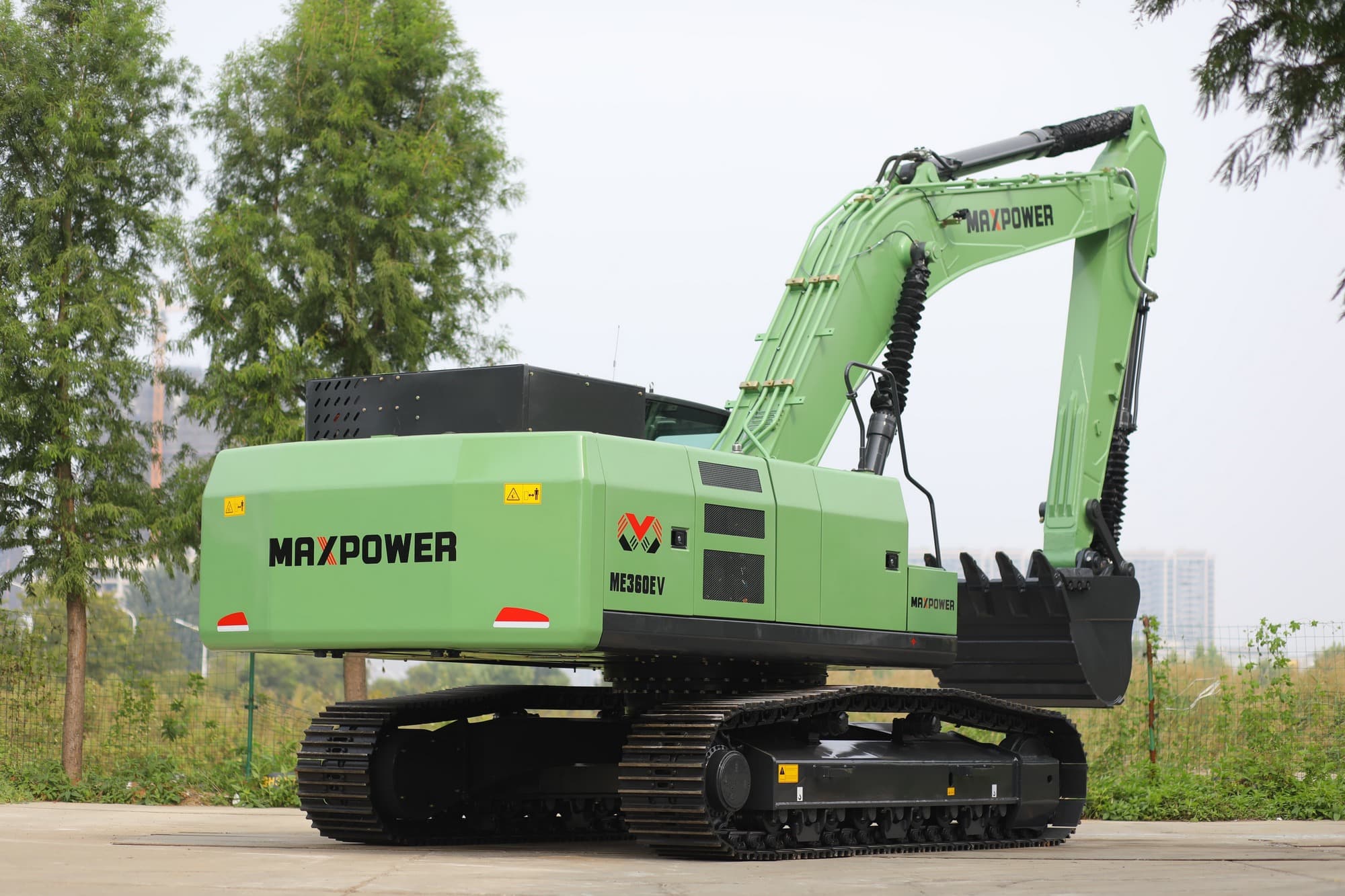
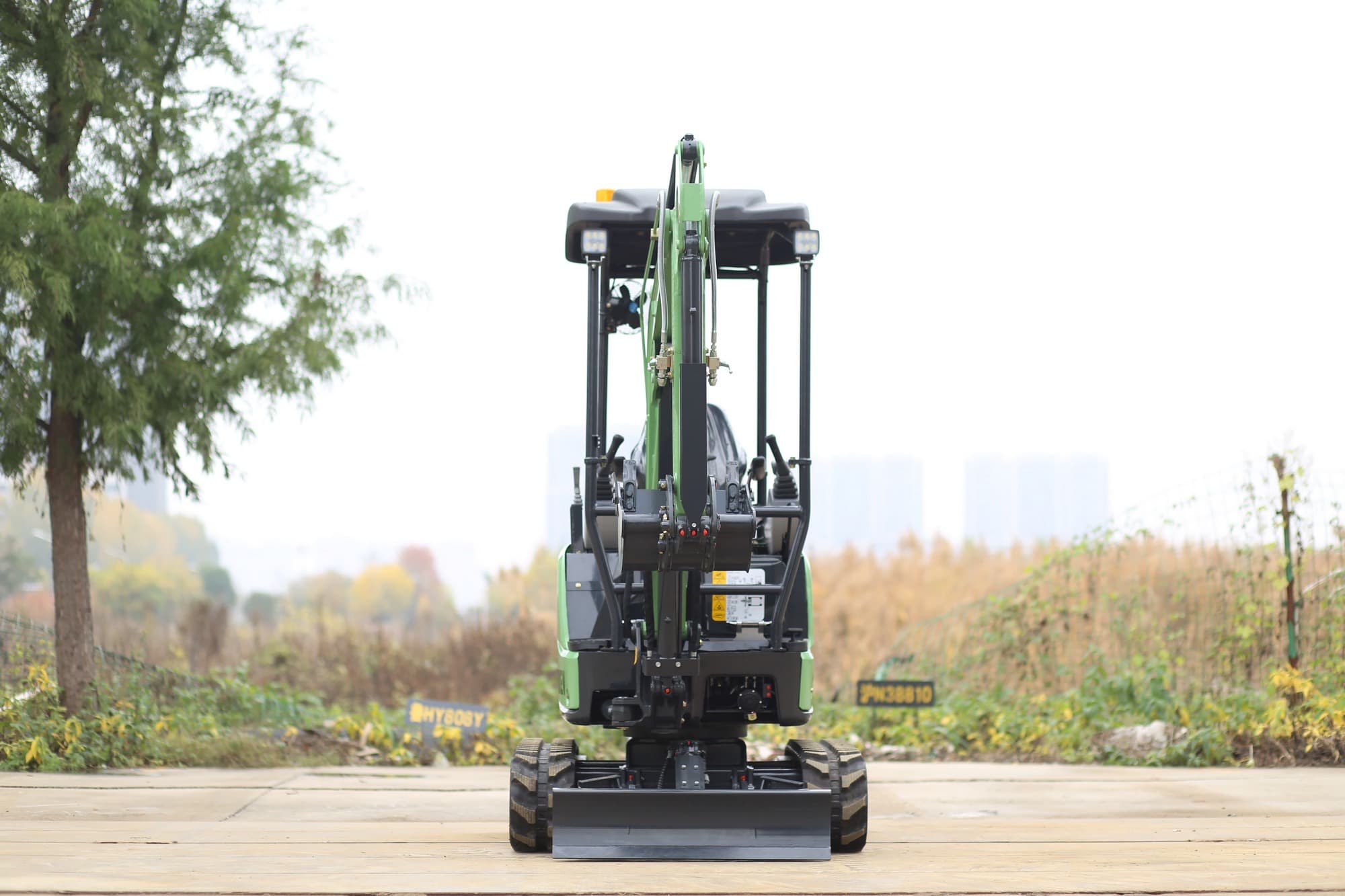
An electric excavator is powered by batteries or external electric sources instead of a diesel engine. These machines are designed to reduce emissions, noise, and environmental impact while maintaining efficient digging performance.
Electric excavators are commonly used in urban construction, indoor projects, and areas with strict environmental requirements.
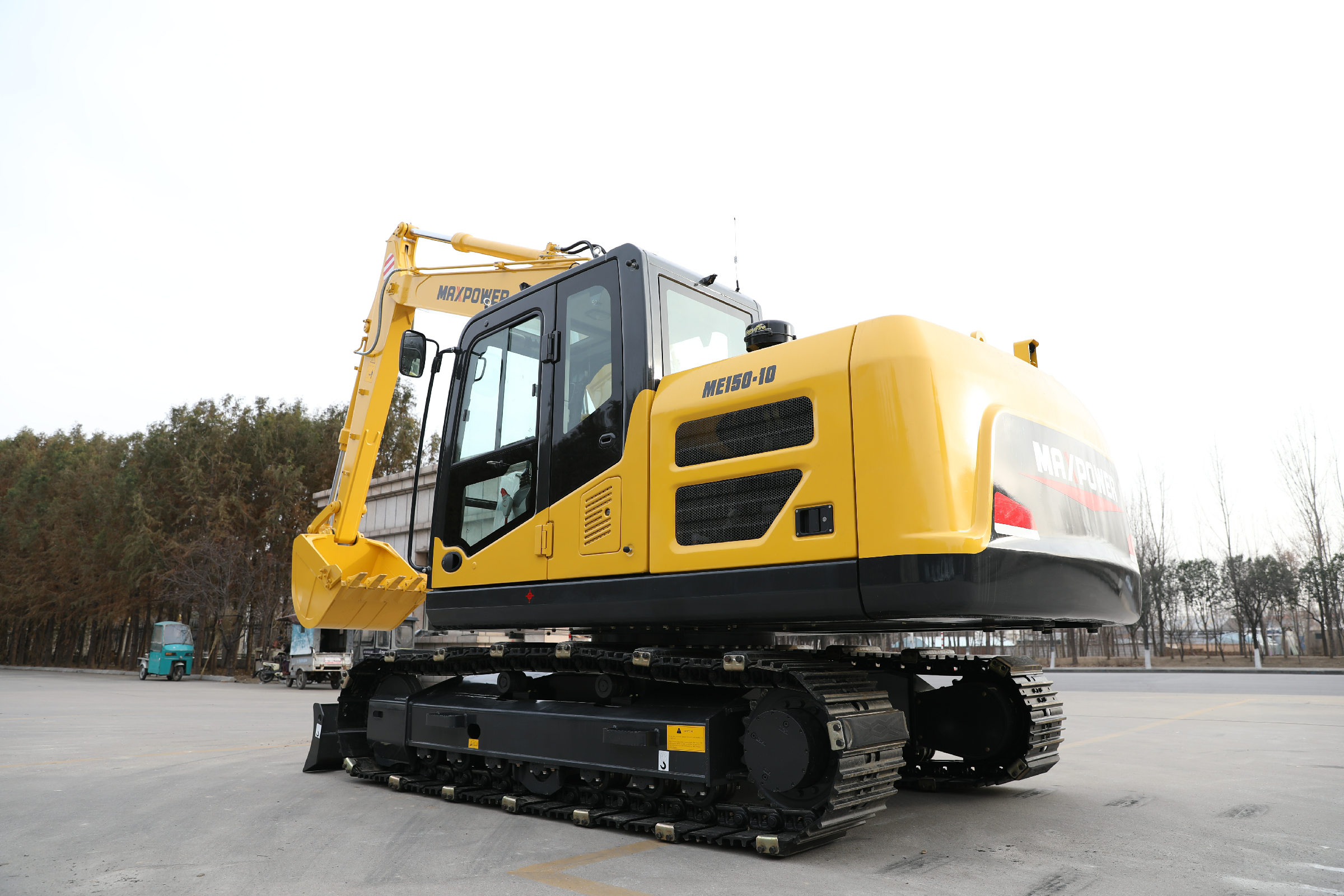
A diesel excavator uses an internal combustion engine to generate power. It has been the standard in construction for decades and is widely used in large-scale infrastructure, mining, and heavy-duty excavation projects.
Diesel machines are known for their high power output and ability to operate continuously without downtime for charging.
Diesel excavators generally provide higher continuous power, making them suitable for large-scale excavation and demanding ground conditions. Electric excavators, however, deliver instant torque, which allows for smooth and precise operation in smaller or controlled environments.
Electric excavators excel in projects that require precision and low noise. In contrast, diesel machines are better suited for long working hours without interruption, especially in remote locations.
Electric excavators are ideal for indoor construction, tunnels, and urban environments where ventilation and noise are concerns. Diesel excavators perform better in outdoor and large-scale projects where emissions are less restricted.
Environmental considerations are becoming a major factor in equipment selection.
Electric excavators produce zero emissions during operation, making them compliant with strict environmental regulations. They also reduce noise pollution, which is essential in residential or city-center projects.
Diesel excavators, while powerful, generate emissions that may require additional compliance measures in regulated areas.
Electric machines have fewer moving parts, which reduces wear and tear. This typically leads to lower maintenance requirements and fewer mechanical failures over time.
Diesel excavators require regular engine maintenance, including oil changes, filter replacements, and fuel system servicing. However, they are proven to be highly reliable in demanding conditions.
Electric excavators reduce fuel dependency and often require less maintenance, contributing to long-term operational savings.
Diesel excavators offer greater flexibility for continuous operation, especially in areas where charging infrastructure is limited.
Electric excavators can help avoid environmental penalties and meet sustainability goals, which is increasingly important in modern construction projects.
You are working in urban areas with strict regulations.
Your project requires low noise and zero emissions.
You need precision in confined or indoor environments.
You need maximum power for heavy-duty tasks.
Your project involves long working hours without interruption.
You are operating in remote areas without charging infrastructure.
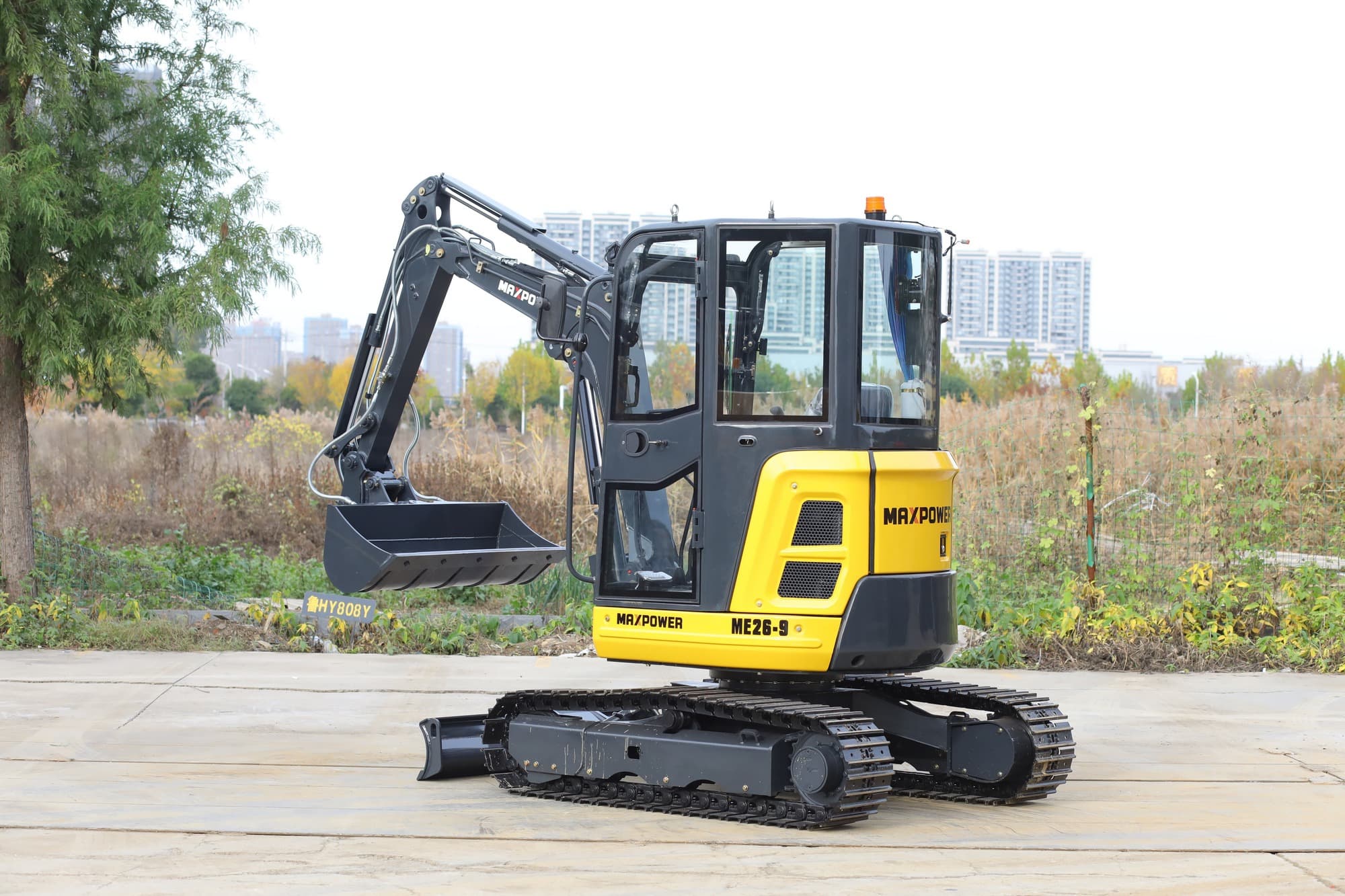
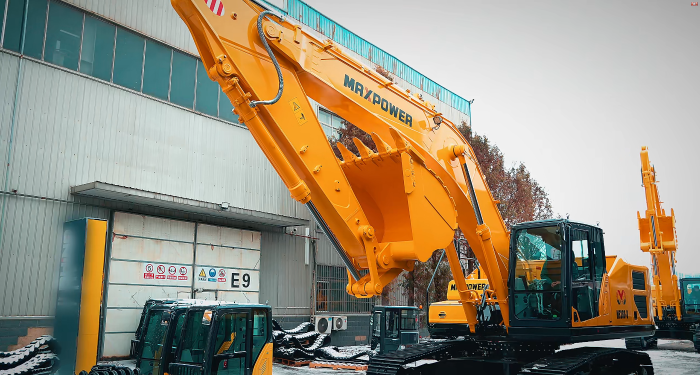
MAXPOWER offers both electric and diesel excavators to meet diverse project requirements. Whether you need a compact electric machine for urban construction or a powerful diesel excavator for heavy-duty operations, MAXPOWER delivers reliable performance and advanced engineering.
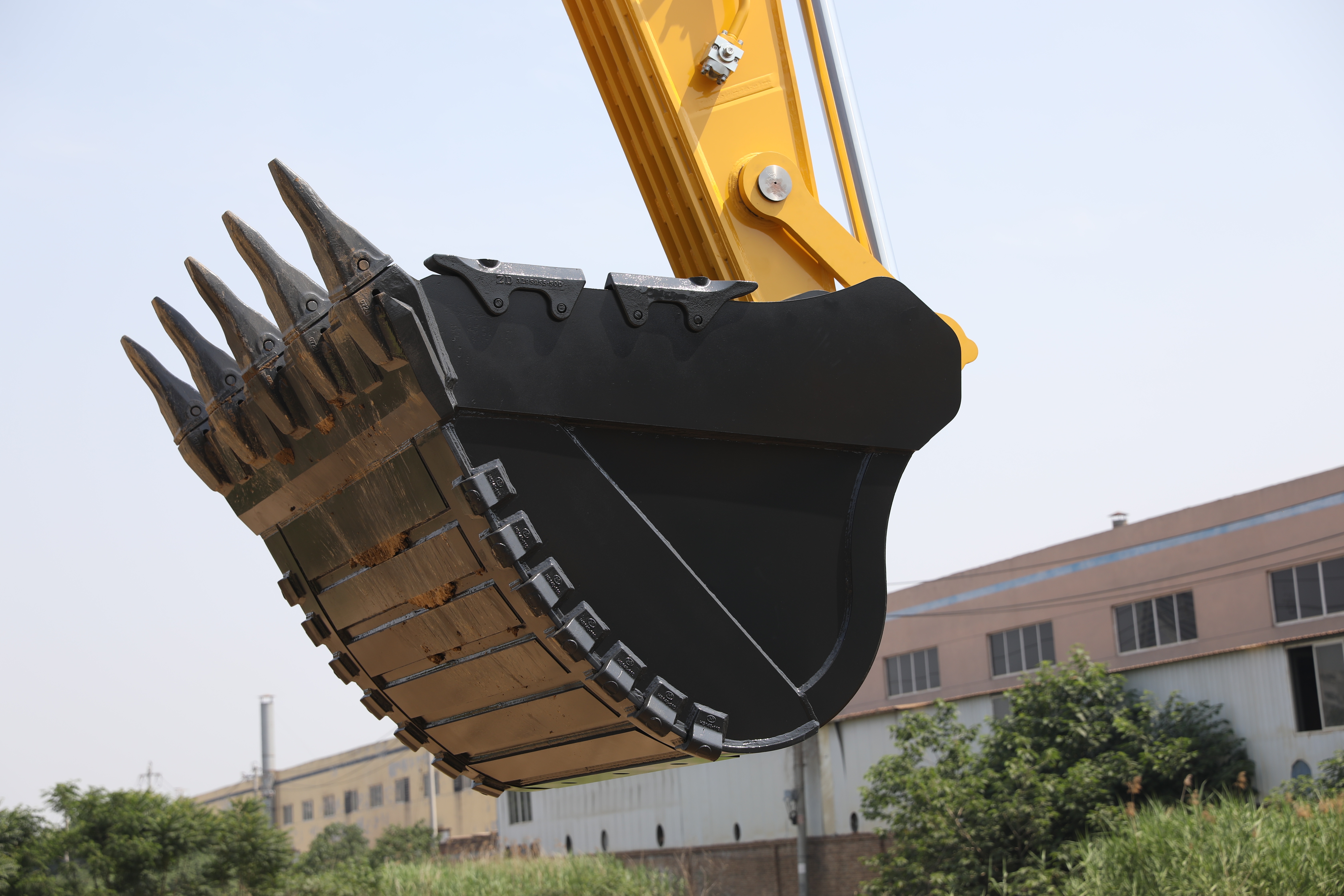
With strong compatibility across attachments and a focus on durability, MAXPOWER excavators help contractors improve efficiency while adapting to modern construction demands.
Both electric and diesel excavators have their strengths, and the right choice depends on your specific project requirements. Electric excavators are ideal for environmentally sensitive and urban environments, while diesel excavators remain the preferred option for large-scale and high-power applications.
Understanding these differences allows contractors to select the most efficient and cost-effective solution for their projects.
Is an electric excavator better than a diesel excavator?
It depends on the project environment and requirements.
Can electric excavators replace diesel ones?
They can in certain applications, especially urban and indoor projects.
Are electric excavators powerful enough?
Yes, for many applications, especially precision and small to medium tasks.
Do diesel excavators require more maintenance?
Yes, due to their engine and fuel systems.
Which is more environmentally friendly?
Electric excavators are more eco-friendly due to zero emissions.
Selecting the right excavator can significantly impact your project efficiency and long-term performance. MAXPOWER offers both electric and diesel excavators designed to meet different construction needs. Contact us today for expert guidance and discover the best solution tailored to your project. Make the smart choice with MAXPOWER and stay ahead in modern construction.