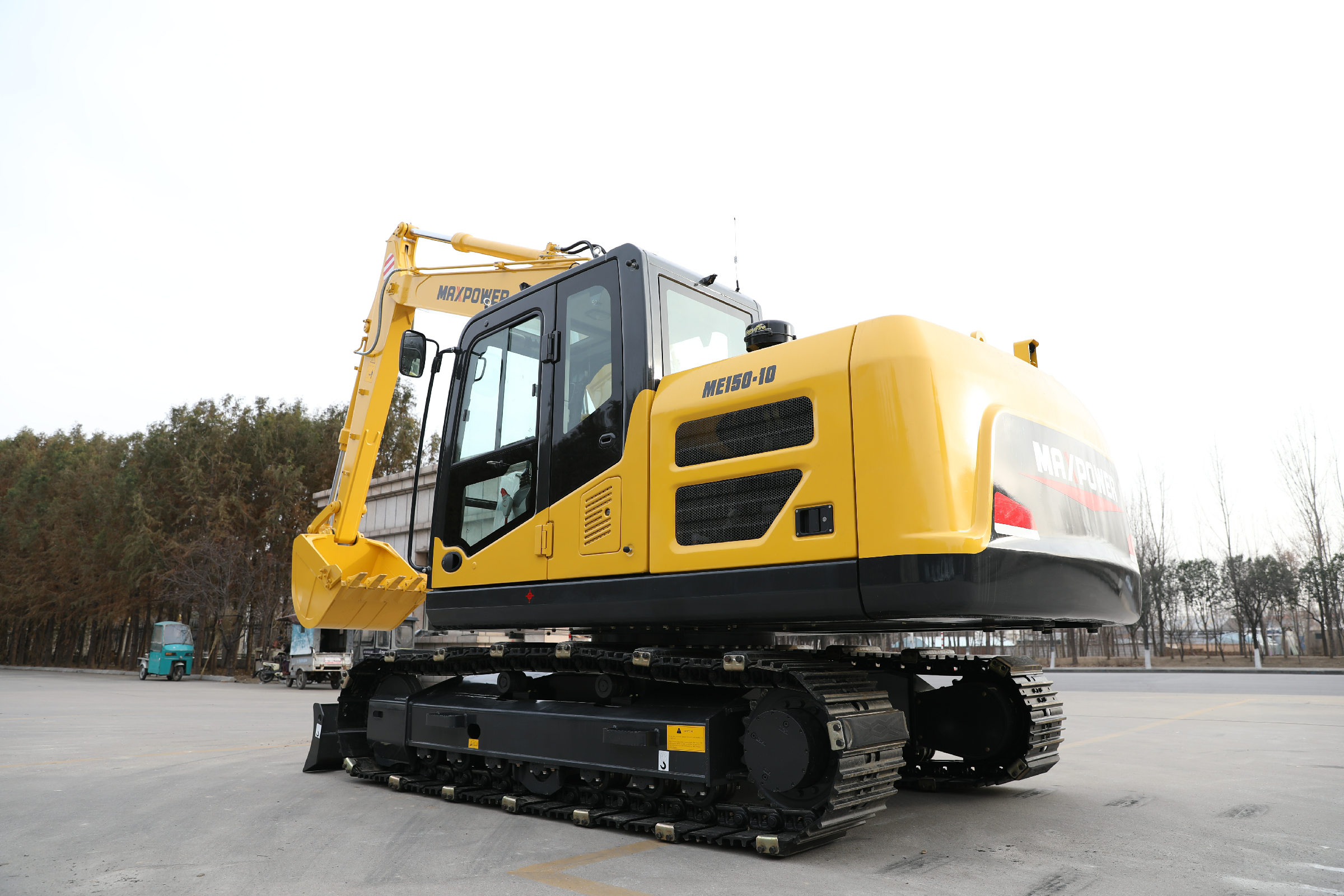
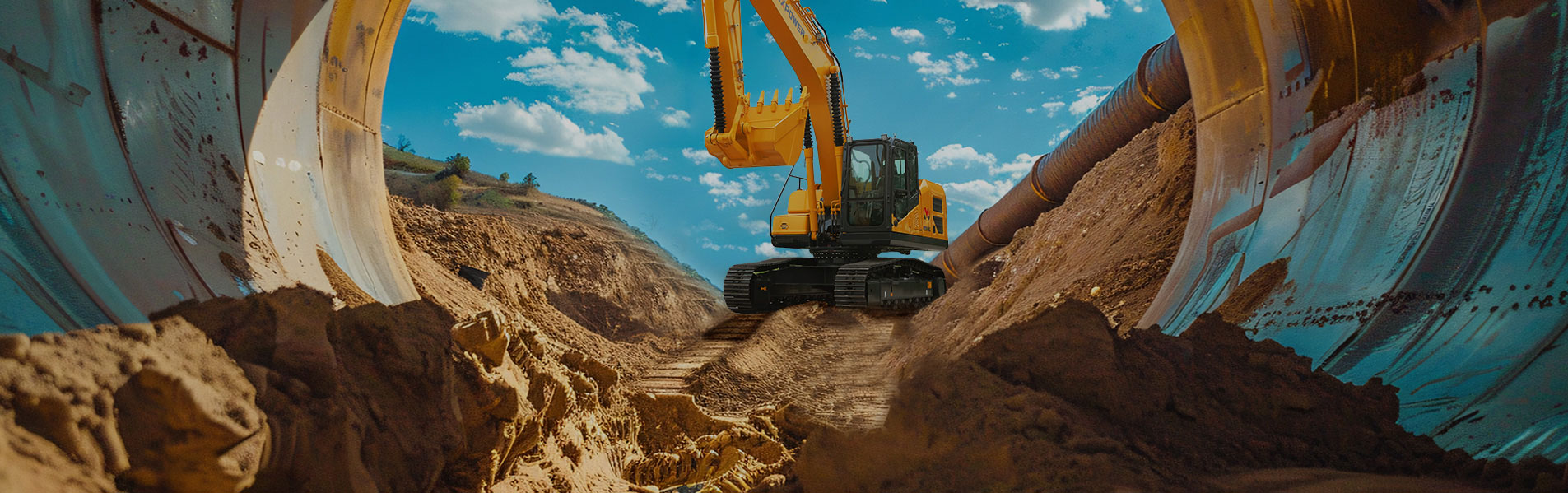
Urban construction presents unique challenges, including limited space, strict environmental regulations, and high operational demands. Traditional diesel excavators often struggle to meet these requirements, making electric excavators an increasingly popular choice for contractors and developers. Electric excavators combine zero-emission operation, reduced noise, and precise control, making them ideal for a variety of urban projects. In this article, we explore the applications, benefits, and practical considerations for using electric excavators in city construction projects.
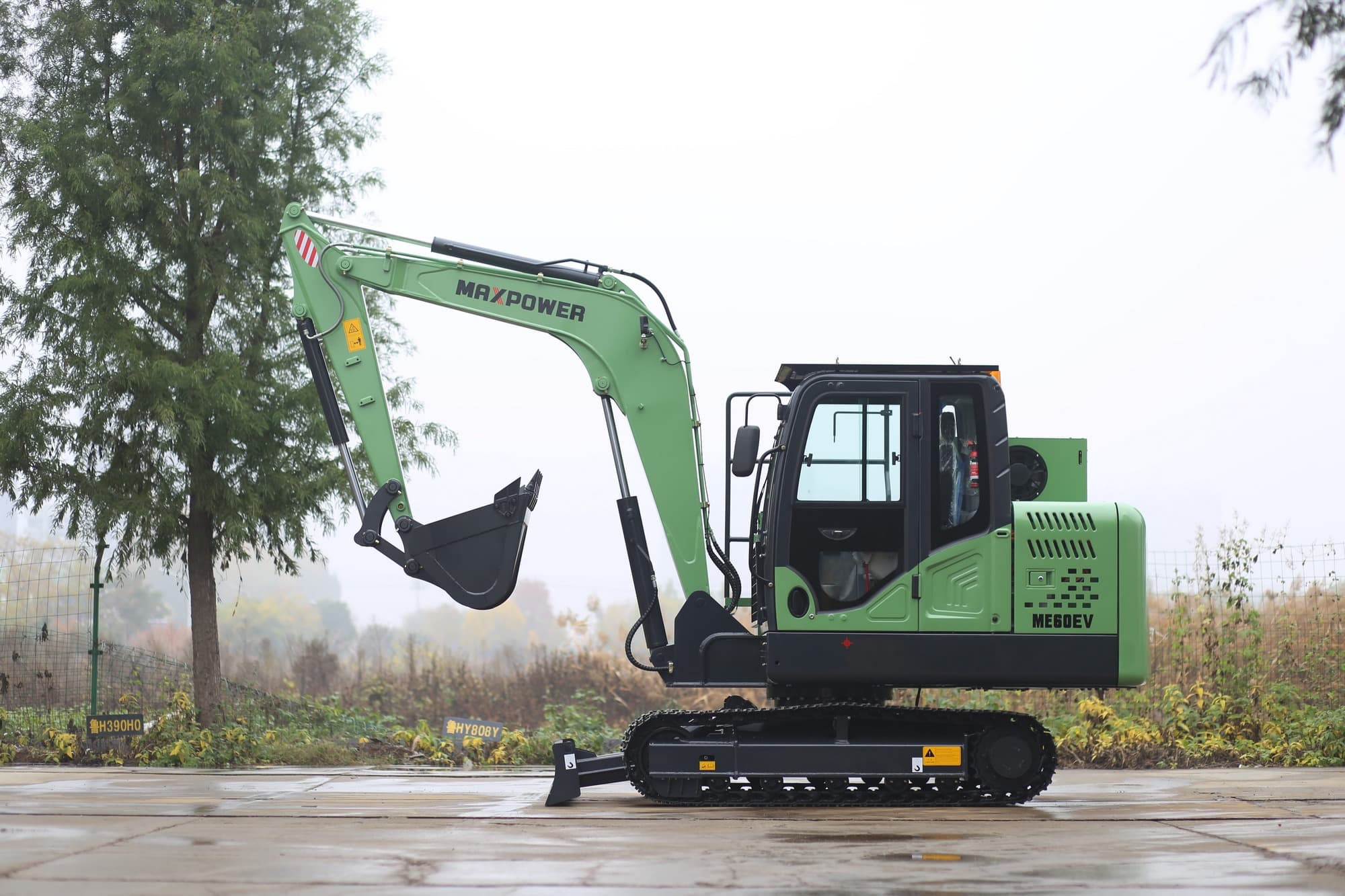
Electric excavators produce zero exhaust emissions, significantly reducing air pollution in dense urban areas. Many cities impose strict regulations on diesel machinery to improve air quality. By using electric machines, contractors can comply with environmental standards while also reducing noise pollution, making worksites safer and less disruptive to nearby residents.
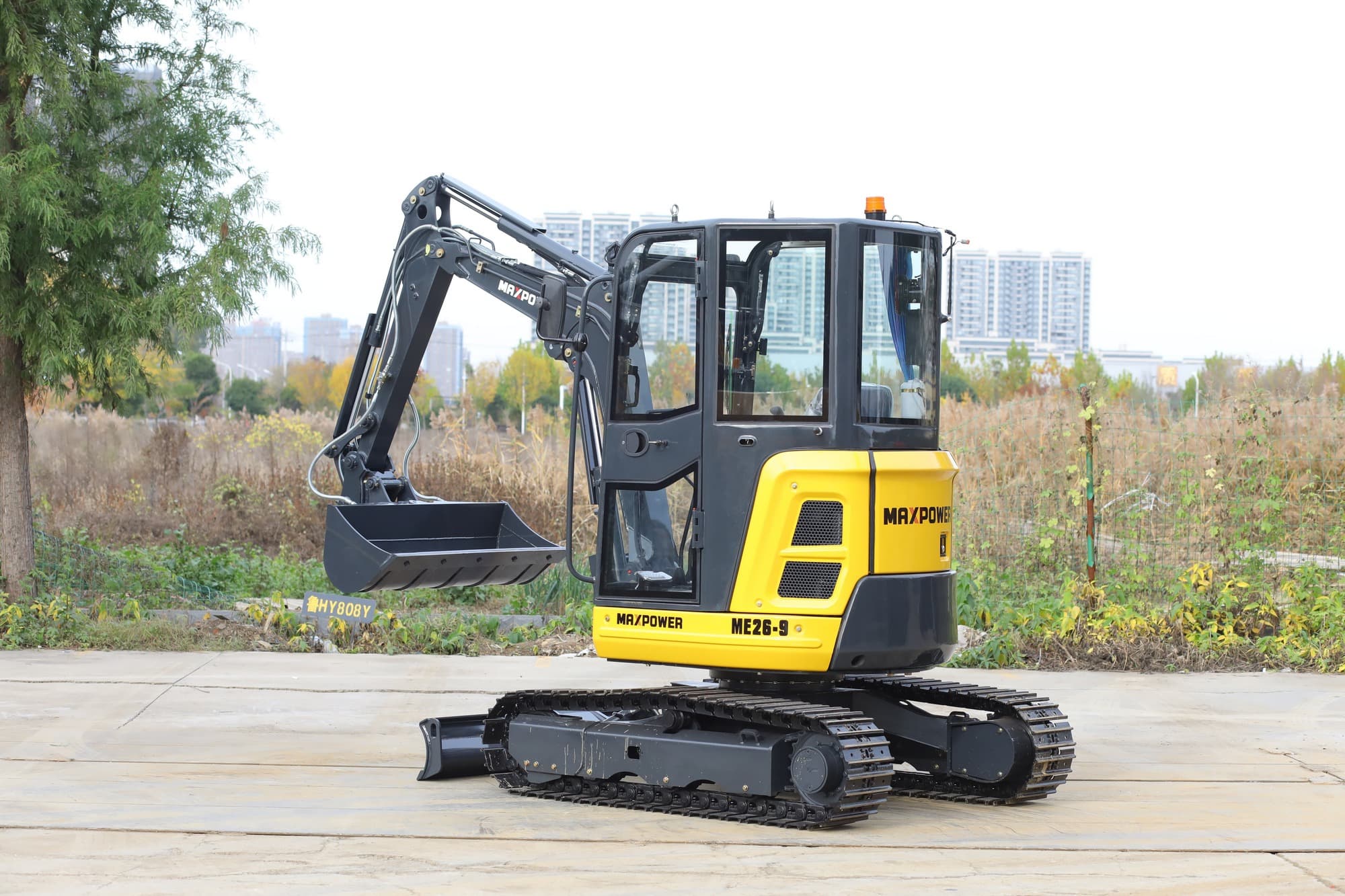
Urban construction sites often have limited space, making maneuverability a critical factor. Mini electric excavators excel in narrow streets, alleyways, and confined construction zones. Their compact design allows operators to perform precise digging and grading without compromising efficiency or safety.
Electric excavators are widely used in road maintenance and construction, particularly for trenching, grading, and leveling. They efficiently handle utility line installation, paving preparation, and drainage trenching while minimizing noise and emissions for city dwellers.
Electric excavators simplify site preparation for residential and commercial projects. From digging building foundations to landscaping and clearing debris, these machines deliver precise and clean operations, improving project quality and reducing manual labor.
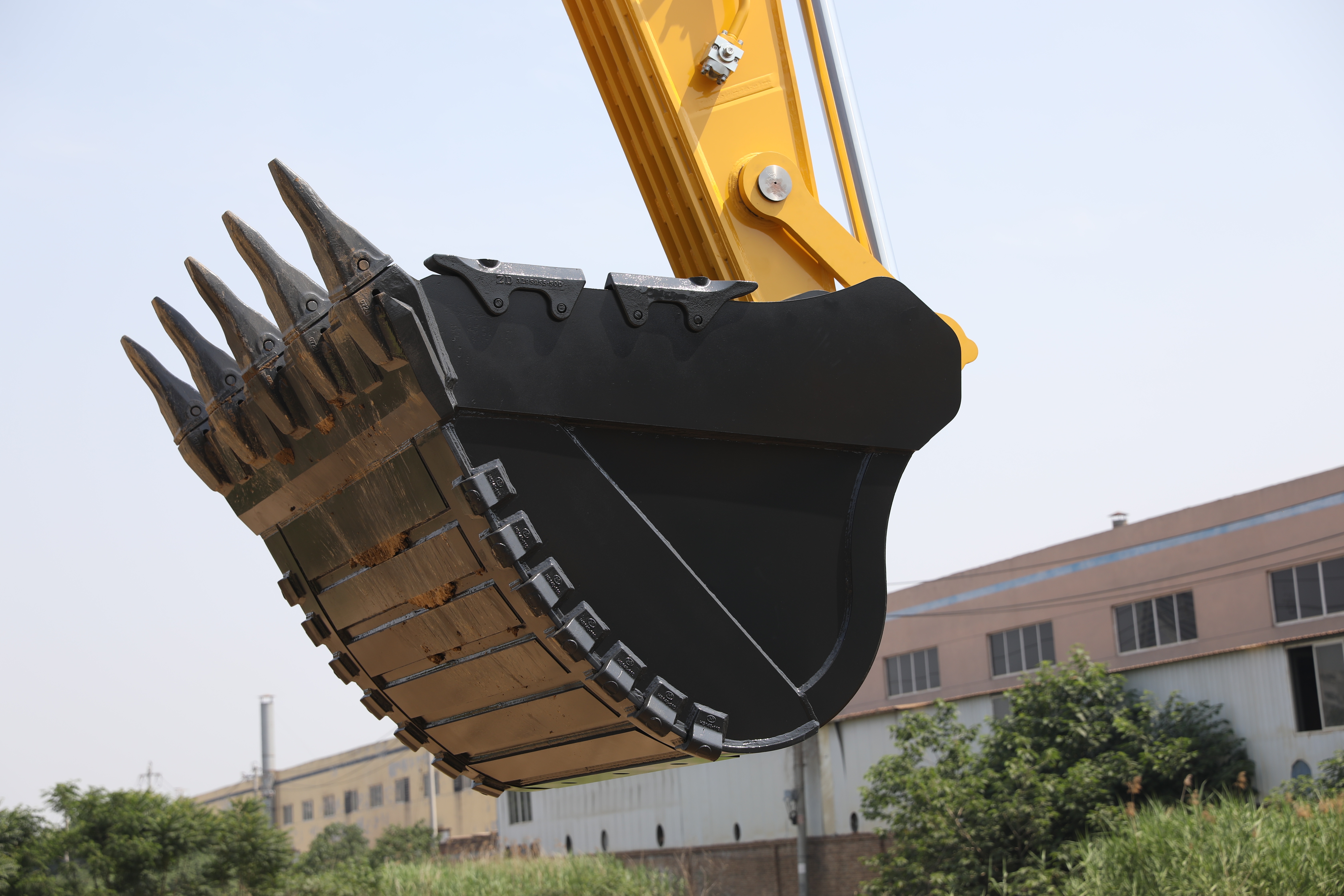
Trenching for water, gas, and electrical lines is a common task in urban projects. Electric excavators, paired with attachments like trenching buckets and hydraulic thumbs, streamline the installation process while maintaining accuracy in tight spaces.
Selecting the correct excavator size ensures both efficiency and safety. Mini electric excavators are perfect for confined spaces and smaller urban sites, whereas standard electric excavators handle larger-scale projects requiring deeper digging and higher lifting capacity.
Reduced ground pressure minimizes site damage. They are easier to transport between locations and offer excellent precision for utility and landscaping work.
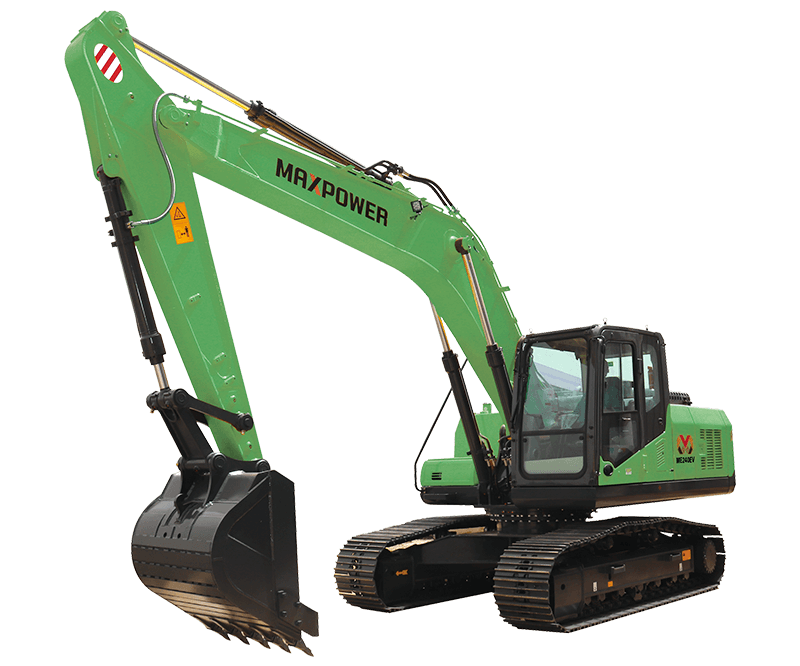
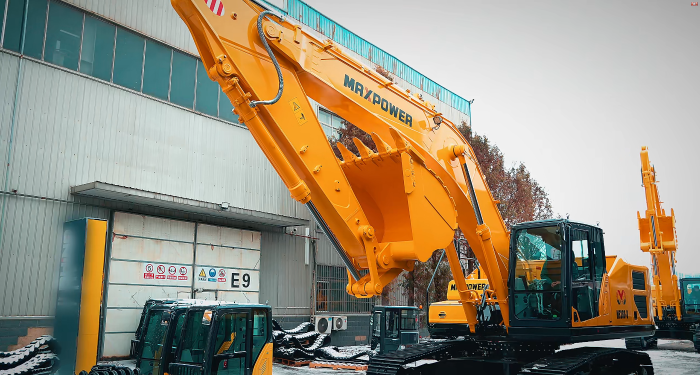
Standard electric excavators are preferable for larger commercial projects, deep excavation, or heavy-duty trenching where higher power and reach are required.
Modern electric excavators offer extended battery life suitable for a full day of urban operations. Quick charging options and modular battery systems enhance productivity.
Advanced hydraulic systems enable smooth digging, grading, and lifting operations. Precise control allows operators to execute delicate tasks in confined sites.
| Attachment | Function | Benefit in Urban Projects |
| Trenching Bucket | Dig narrow trenches | Ideal for utility installation in confined areas |
| Grading Bucket | Shape surfaces | Ensures proper slope for roads and sidewalks |
| Tilt Bucket | Adjustable angle | Precise grading in uneven terrain |
| Hydraulic Thumb | Material handling | Safely move pipes and debris |
| Auger | Drilling | Quick hole excavation for posts and poles |
Electric excavators provide consistent power and precision, reducing project delays and increasing daily output.
Compared to diesel machines, electric excavators reduce fuel costs and maintenance expenses, contributing to long-term savings.
With attachments and advanced controls, operators can perform multiple tasks with a single machine, reducing the need for additional labor.
Check battery level and connections, inspect hydraulic hoses and cylinders, and examine tracks or wheels for wear.
Follow manufacturer guidelines for charging, monitor fluid levels and temperatures, and schedule regular service to extend lifespan.
Maintain clear lines of sight, use spotters for tight urban sites, and follow local safety regulations.
Electric machines require less routine maintenance and avoid fuel costs, delivering significant savings over their lifecycle.
By avoiding emissions penalties and meeting city regulations, electric excavators help contractors save on compliance costs.
Modern electric excavators are engineered for longevity, ensuring reliable operation across multiple urban projects.
MAXPOWER electric excavators are designed for real-world urban projects. They offer precise hydraulic systems, compatibility with multiple attachments, and reliable performance even in tight, noisy, or emission-sensitive environments.
Mini MAXPOWER electric excavators have been successfully used for residential sidewalk reconstruction, while standard MAXPOWER units are deployed for urban pipeline installation.
MAXPOWER provides comprehensive support, including operator training, spare parts, and technical assistance to ensure uninterrupted project delivery.
Can electric excavators work in narrow city streets?
Yes, mini electric excavators are designed for confined urban sites.
How long does an electric excavator operate per charge?
Most models can run a full workday, with options for quick battery swaps.
Are electric excavators quieter than diesel models?
Yes, they produce significantly less noise, making them ideal for residential areas.
What attachments are most useful in urban projects?
Trenching buckets, grading buckets, and hydraulic thumbs are commonly used.
Why choose MAXPOWER electric excavators?
Reliable performance, versatile attachments, and tailored support for urban construction needs.
MAXPOWER electric excavators combine precision, efficiency, and zero emissions to meet the unique challenges of urban construction. Contact us today to explore our mini and standard electric excavator models, learn how they can enhance your project efficiency, and get expert guidance for your next city project. Don’t wait—upgrade your urban construction equipment now!