Water management is one of the most overlooked yet critical aspects of construction, agriculture, and infrastructure development. Poor drainage can lead to soil erosion, foundation instability, road damage, and even project delays.
This is why drainage systems are not optional—they are essential. And when it comes to building effective drainage systems, excavators are one of the most important pieces of equipment on the job site.
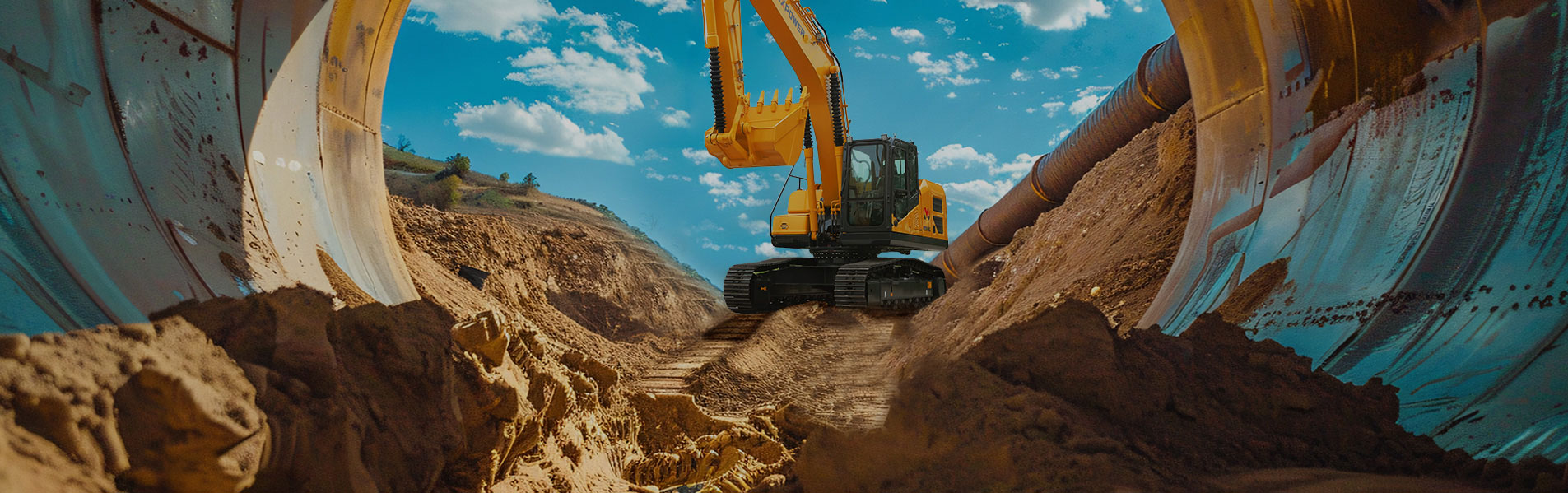
Beyond simple digging, excavators enable contractors to shape land, control water flow, and install drainage infrastructure with precision and efficiency. This article explores how excavators are actually used in drainage projects, the challenges involved, and how the right equipment improves results.
At first glance, drainage work may seem straightforward: dig a trench, install pipes, and cover it back up. In reality, successful drainage depends on precise execution.
Even a small error in slope or depth can prevent water from flowing correctly. Poorly designed drainage systems often lead to standing water or long-term structural damage.
Excavators are ideal for this type of work because they combine hydraulic power with fine control. Operators can adjust digging depth in real time, maintain consistent trench profiles, and shape terrain to guide water naturally.
This level of precision is difficult to achieve with manual labor or less specialized equipment.
Understanding real-world use cases makes it easier to see the value of excavators in drainage work.
Construction sites often face water accumulation, especially during rainy seasons. Standing water can delay work, damage materials, and create unsafe conditions.
Excavators are used to quickly create temporary drainage channels that redirect water away from active work zones, keeping projects on schedule.
In farming, excess water can reduce crop yields and damage soil structure. Excavators help create drainage ditches and install underground systems that regulate water levels.
This improves soil conditions and supports long-term agricultural productivity.
Roads require proper drainage to prevent water from weakening the base layers. Excavators are used to dig side ditches, install culverts, and shape slopes that channel water away from the roadway.
Without proper drainage, roads deteriorate much faster.
Water pooling near buildings can cause serious structural issues. Excavators are used to install drainage systems around foundations, ensuring water is directed away from critical areas.
Drainage work involves more than one phase. Excavators are used throughout the process.
Before excavation begins, operators assess the terrain and identify water flow patterns. Excavators may be used to clear vegetation and debris, creating a clean working area.
The excavator digs trenches based on project specifications. Maintaining consistent width and depth is essential for proper pipe installation.
Operators often work gradually, checking alignment and depth to ensure accuracy.
Creating the correct slope is one of the most important steps in drainage construction. Excavators shape the trench base so water flows efficiently without pooling.
This requires careful control and experience.
Although excavators do not directly install pipes, they assist by positioning materials and preparing the trench. Attachments such as thumbs or grapples help handle pipes safely.
After installation, excavators refill the trench and level the surface. Proper backfilling ensures stability and prevents future ground settlement.
Attachments play a key role in improving efficiency and accuracy in drainage projects.
| Attachment | Function | Why It’s Important |
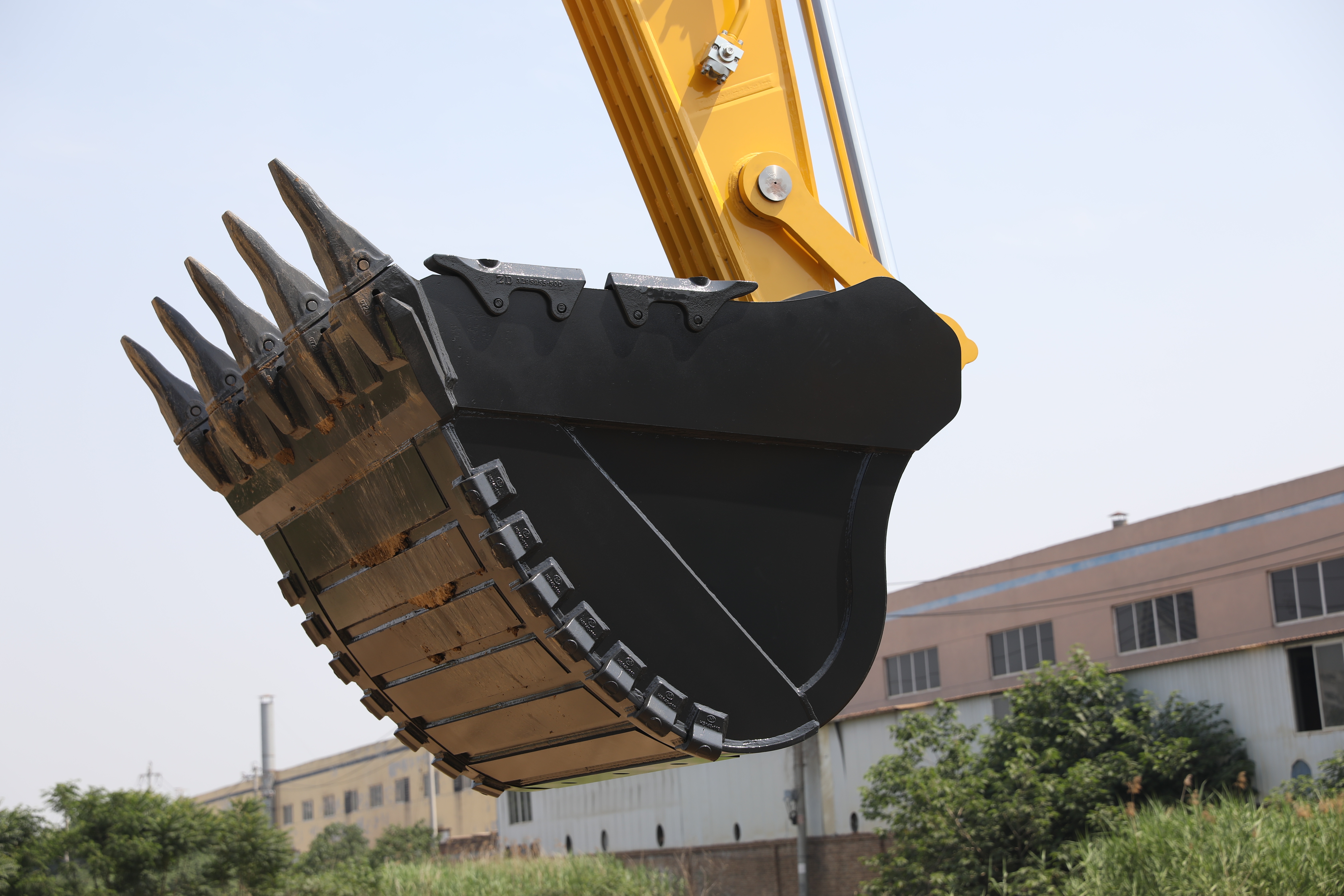
| Trenching Bucket | Narrow trench digging | Reduces excess soil removal |
| Grading Bucket | Surface shaping | Ensures proper slope |
| Tilt Bucket | Adjustable angle grading | Improves precision |
| Compaction Wheel | Soil compaction | Stabilizes trench base |
| Hydraulic Thumb | Material handling | Assists pipe placement |
Using the correct attachment not only improves performance but also reduces rework and project time.
Many drainage jobs take place in confined or sensitive environments, such as urban streets, residential areas, or farmland.
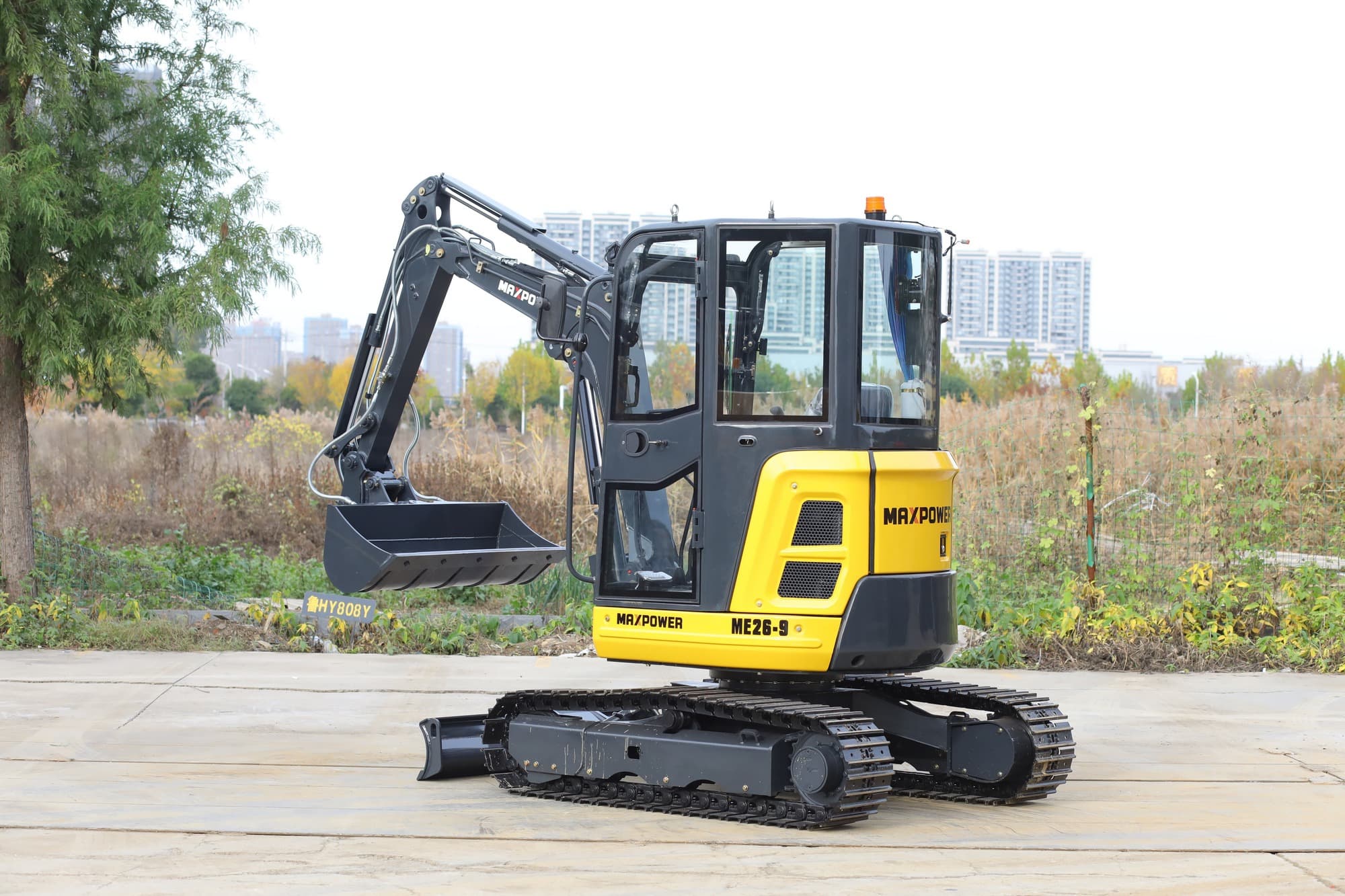
Mini excavators are particularly effective in these situations.
They offer:
Excellent maneuverability in tight spaces
Reduced ground pressure, minimizing soil damage
Precise hydraulic control for detailed work
Ease of transportation between job sites
Because of these advantages, mini excavators are widely used for small to medium drainage projects.
Drainage work often involves unpredictable conditions. Excavators help operators manage these challenges effectively.
Water-saturated soil can make excavation difficult. Excavators provide the stability and power needed to work safely in these conditions.
Trenches must meet strict specifications. Excavators allow operators to maintain accuracy throughout the digging process.
In urban environments, underground utilities are common. Excavators enable careful digging to avoid damaging existing infrastructure.
Excavators significantly reduce the time and labor required for drainage construction. Tasks that would take days manually can often be completed in hours.
They also improve consistency, ensuring that drainage systems function as intended. This reduces the risk of costly repairs or redesigns later.
For contractors, this means better project timelines, lower labor costs, and improved overall productivity.
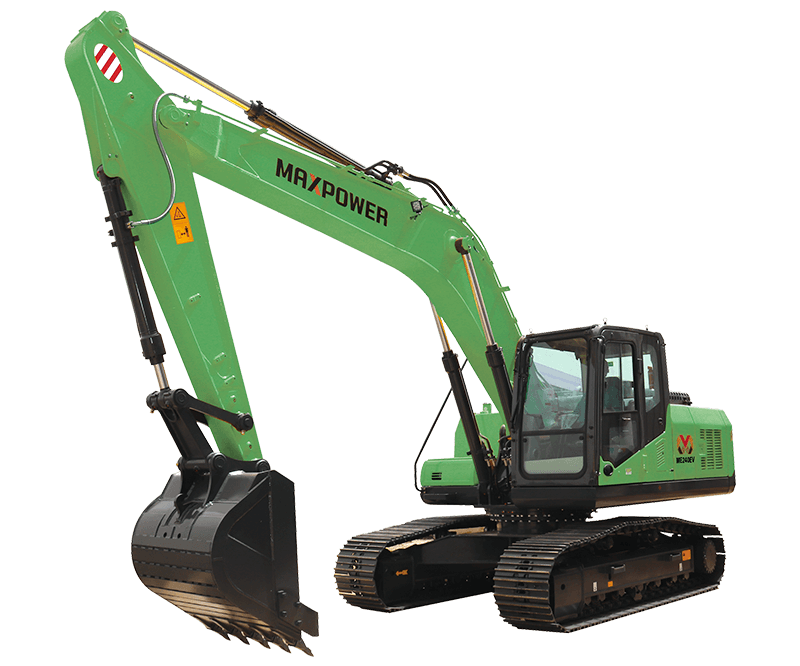
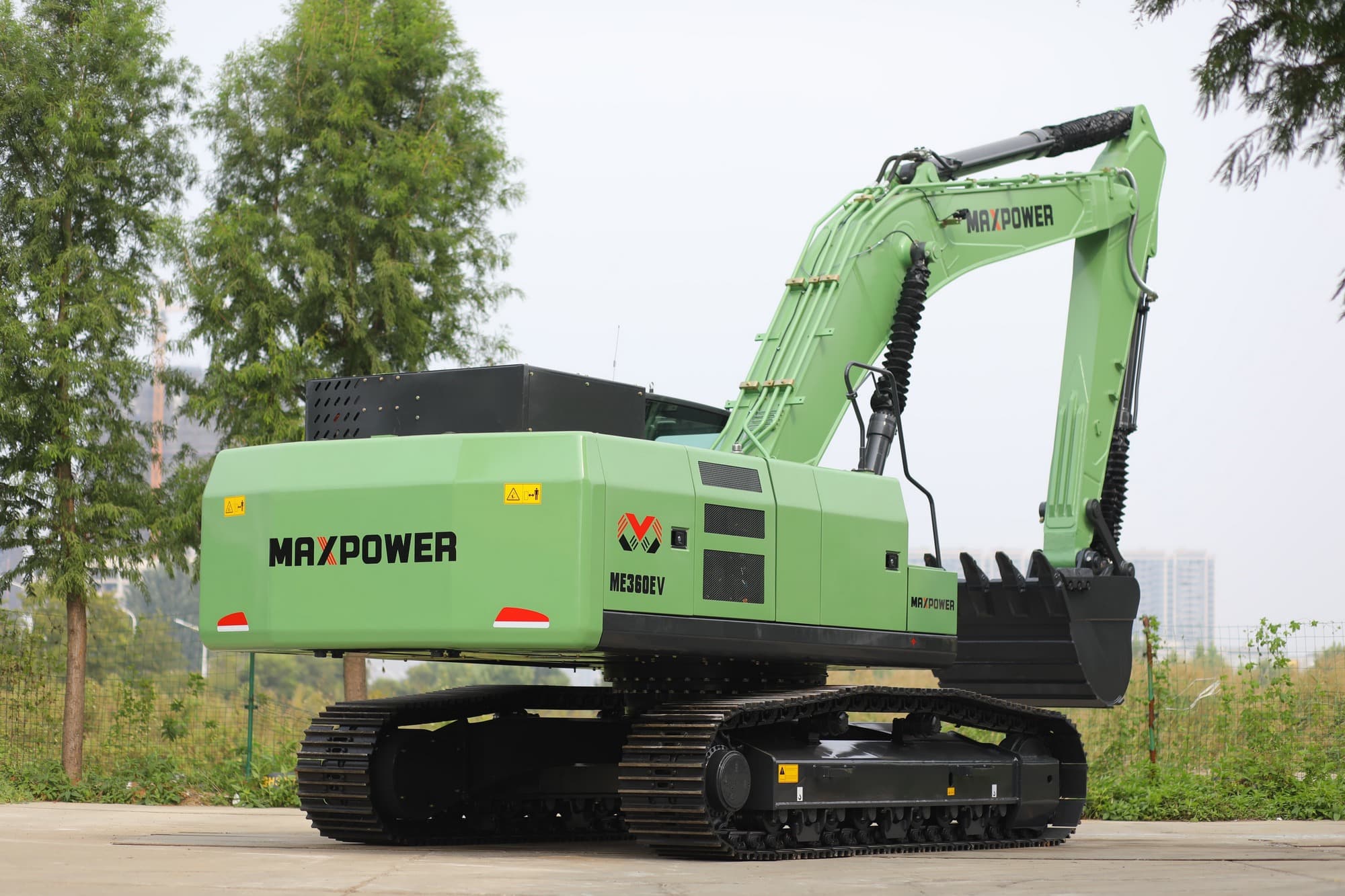
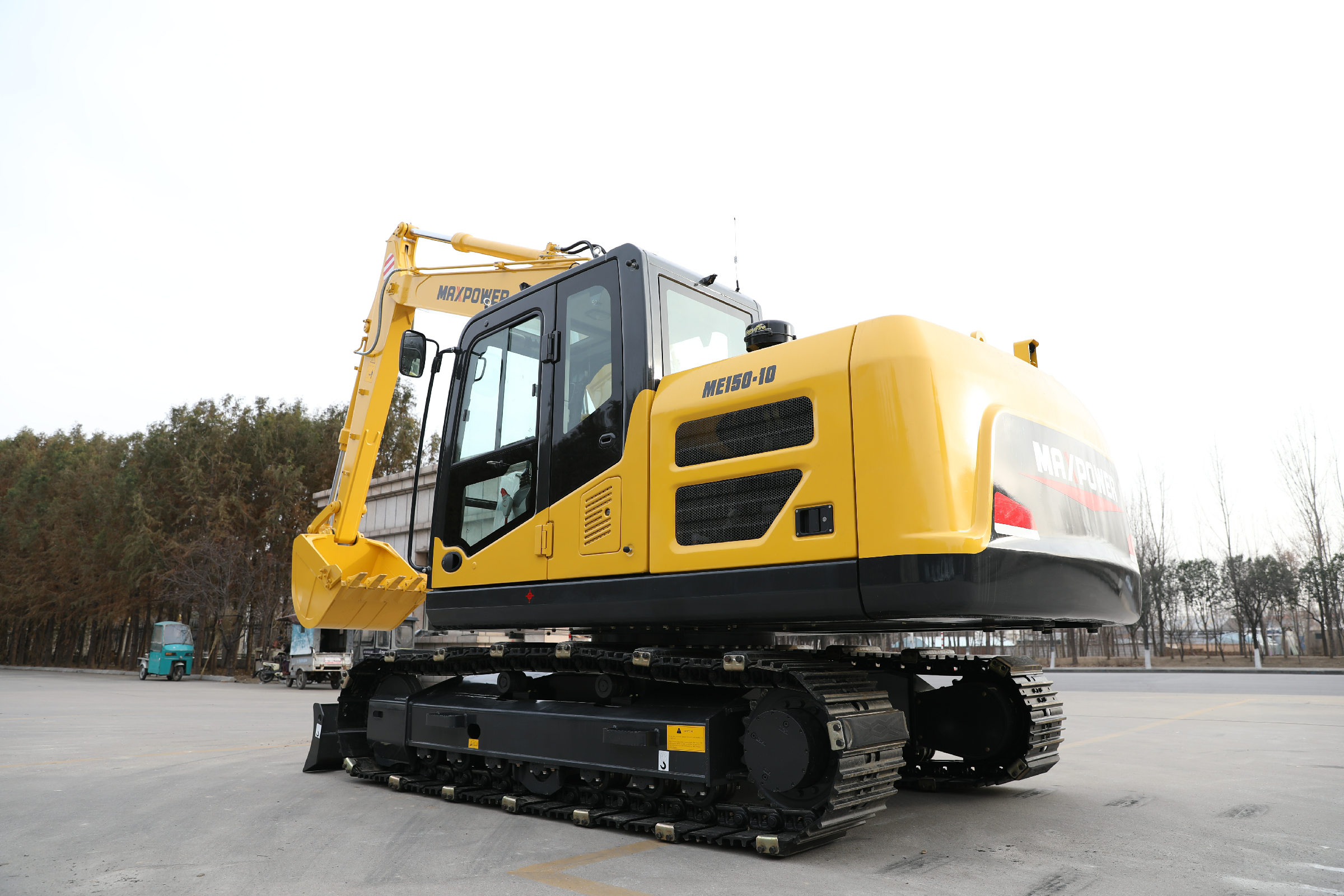
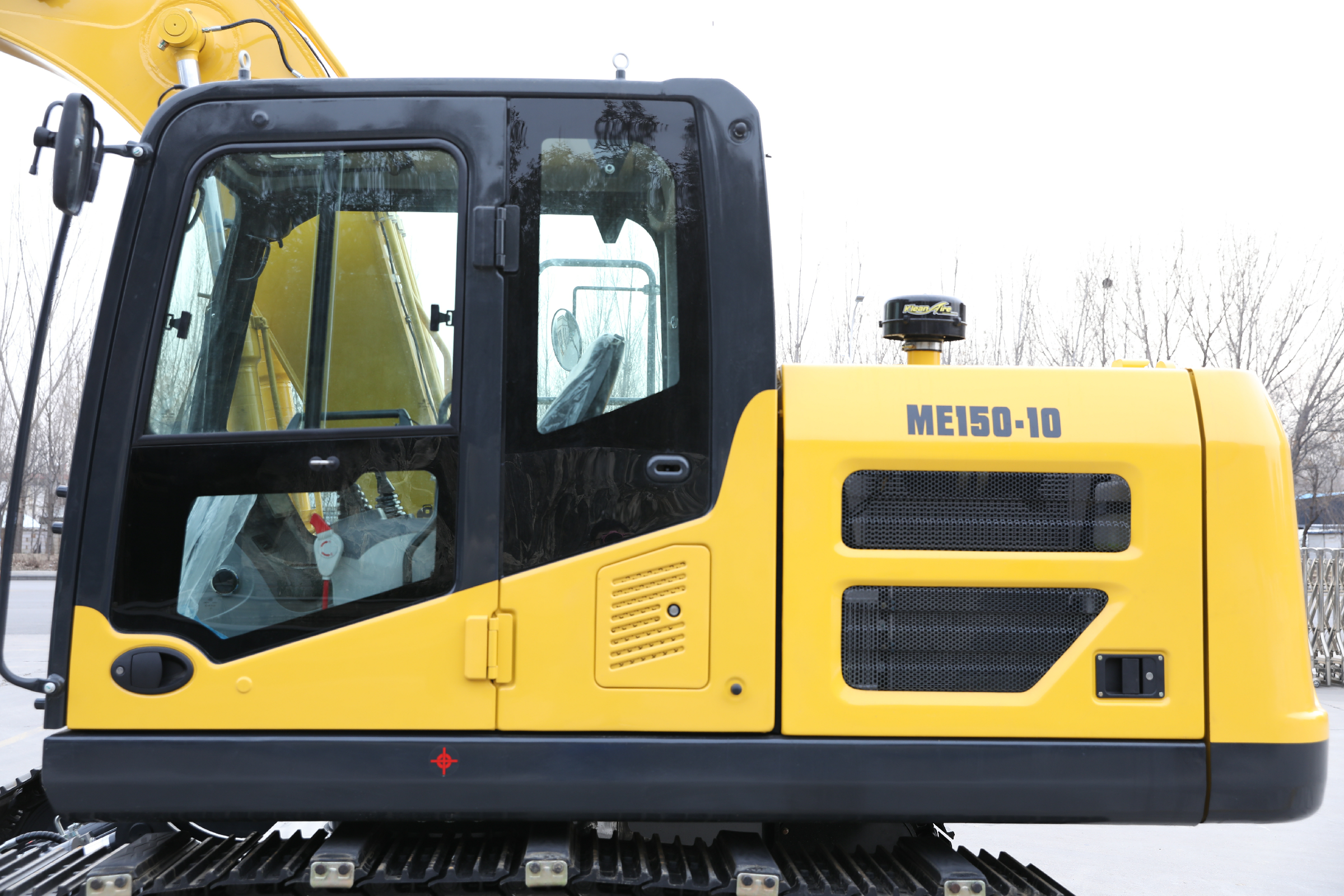
MAXPOWER excavators are engineered to meet the practical demands of drainage projects. Their responsive hydraulic systems allow for precise trenching and accurate slope control, both of which are essential for effective water management.
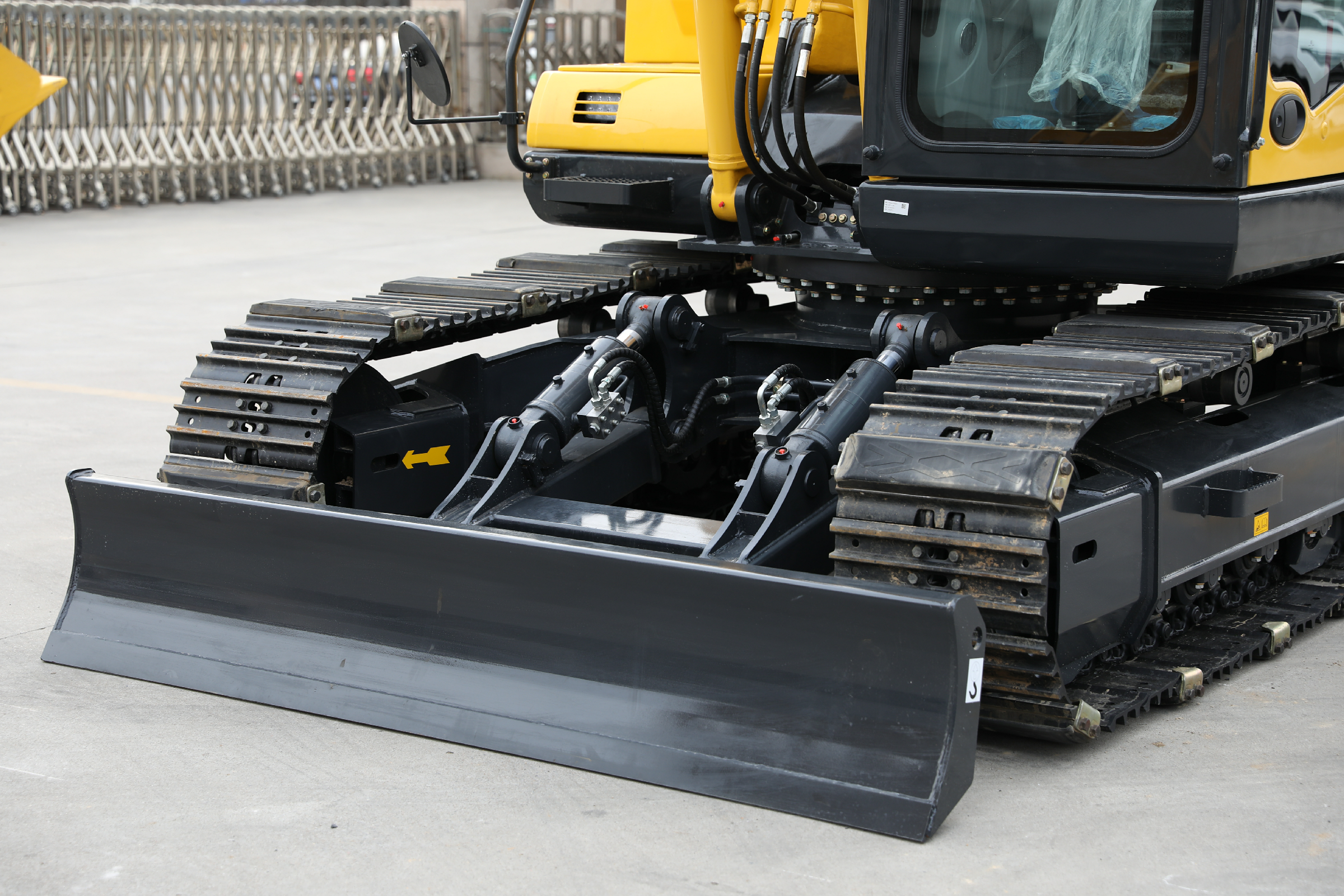
In addition, MAXPOWER machines are compatible with a wide range of attachments, making it easy to switch between trenching, grading, and material handling tasks.
Whether working on agricultural drainage, urban infrastructure, or construction site water management, MAXPOWER excavators provide reliable performance and flexibility.
Drainage projects are essential for protecting land, structures, and infrastructure from water damage. Excavators play a critical role by enabling precise trenching, efficient grading, and reliable system installation.
Rather than simply digging, excavators allow contractors to control how water moves across a site—making them indispensable for modern drainage work.
With the right equipment and attachments, such as those offered by MAXPOWER, contractors can complete drainage projects more efficiently and achieve long-lasting results.
Why are excavators important in drainage projects?
They provide precise trenching and grading needed for effective water flow.
Can mini excavators be used for drainage work?
Yes, they are ideal for confined spaces and detailed trenching tasks.
What is the key factor in drainage excavation?
Maintaining proper slope and depth for water movement.
Which attachment is best for drainage projects?
Trenching buckets and grading buckets are commonly used.
Do excavators help improve drainage efficiency?
Yes, they reduce labor time and ensure accurate system installation.
Effective drainage requires precision, efficiency, and dependable equipment. MAXPOWER excavators are designed to handle trenching, grading, and water management tasks with accuracy and durability. Contact us today to learn how MAXPOWER machines can support your drainage projects and help you achieve consistent, long-term performance.