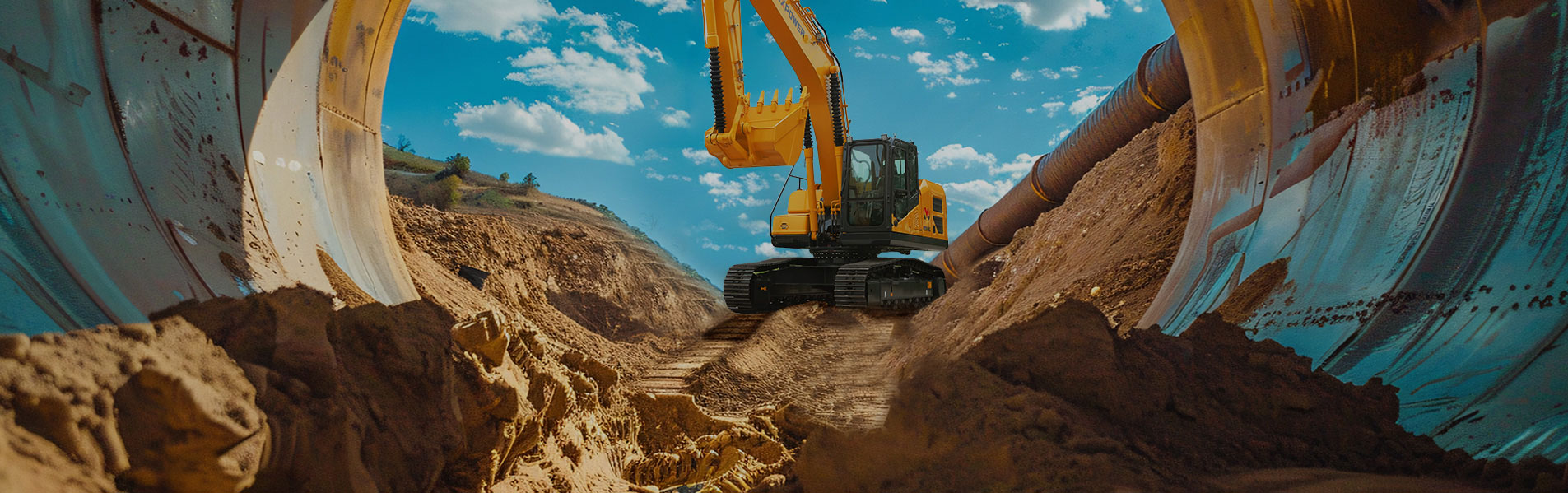
Pipeline installation is a critical component of infrastructure projects, including water supply systems, gas lines, sewage networks, and industrial pipelines. These projects require precision, efficiency, and reliability—especially when working in complex environments such as urban areas or uneven terrain.
Excavators play a central role in pipeline installation by enabling accurate trenching, material handling, and site preparation. With the right equipment and attachments, contractors can complete pipeline projects faster while maintaining high standards of safety and quality.
In this guide, we explore how excavators are used in pipeline installation, the challenges involved, and how to choose the right machine for the job.
Pipeline installation requires more than just digging trenches. The process involves precise excavation, maintaining consistent depth, and ensuring proper alignment for pipes.
Excavators provide the hydraulic power and control needed to perform these tasks efficiently. Operators can adjust digging depth in real time, ensuring trenches meet exact project specifications.
In addition, excavators improve workflow by handling both excavation and material movement, reducing the need for multiple machines on site.
Pipeline projects typically follow a structured workflow, with excavators involved at every stage.
Before trenching begins, the site must be cleared of vegetation, debris, and obstacles. Excavators prepare the ground, ensuring a safe and accessible work area.
Excavators dig trenches for pipeline installation. Maintaining consistent width and depth is critical to ensure proper pipe placement and long-term system stability.
The trench base must be properly prepared to support the pipeline. Excavators help level and shape the bottom of the trench, ensuring even support for the pipes.
While excavators do not directly install pipes, they assist by lifting and positioning materials. Attachments such as hydraulic thumbs improve handling efficiency and safety.
After installation, excavators refill trenches and compact the soil to secure the pipeline and restore the surface.
Selecting the appropriate excavator depends on project size, soil conditions, and working environment.
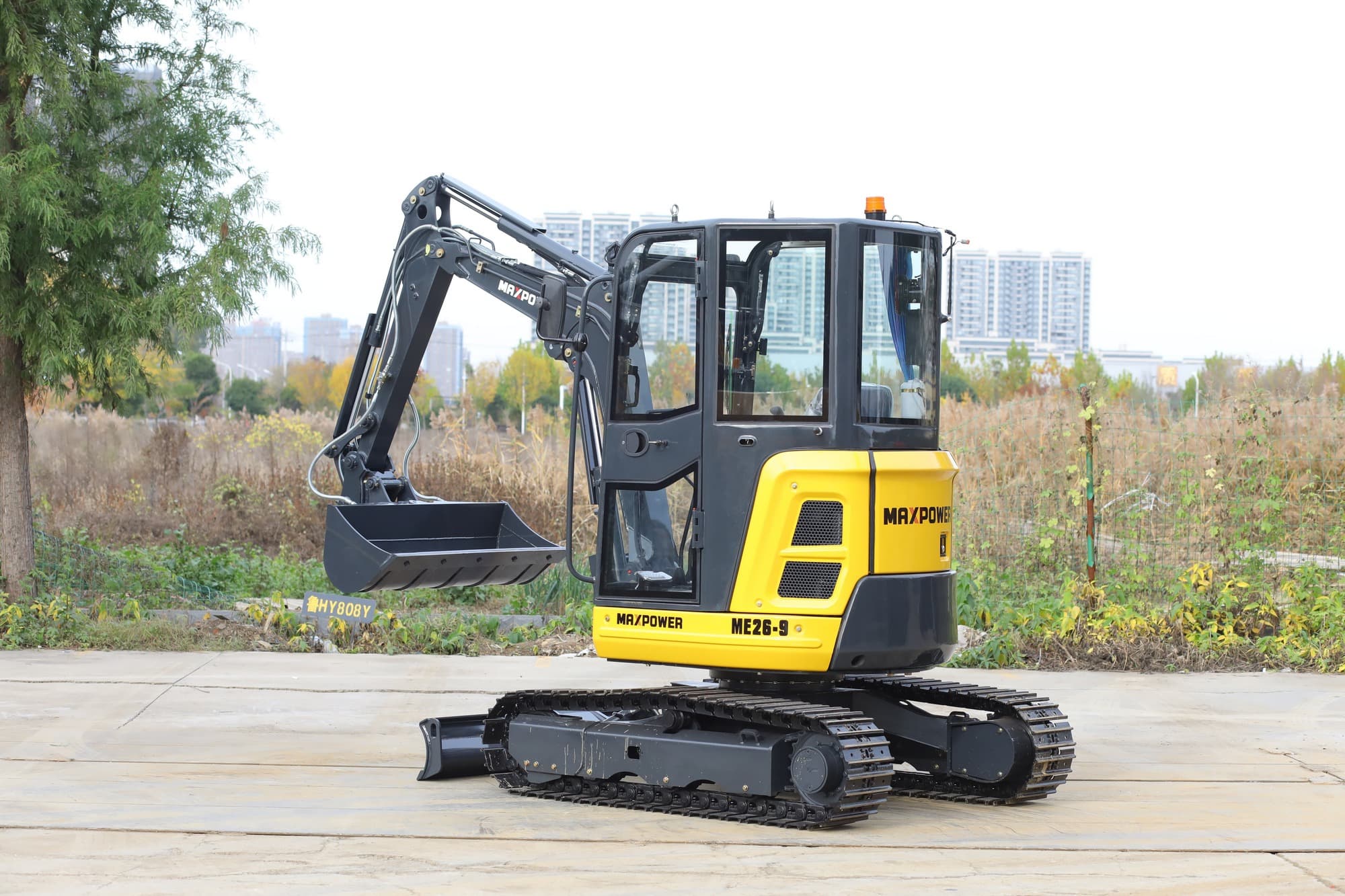
Mini excavators are ideal for pipeline installation in urban areas or confined spaces. Their compact size allows precise trenching along roads, sidewalks, or between existing structures.
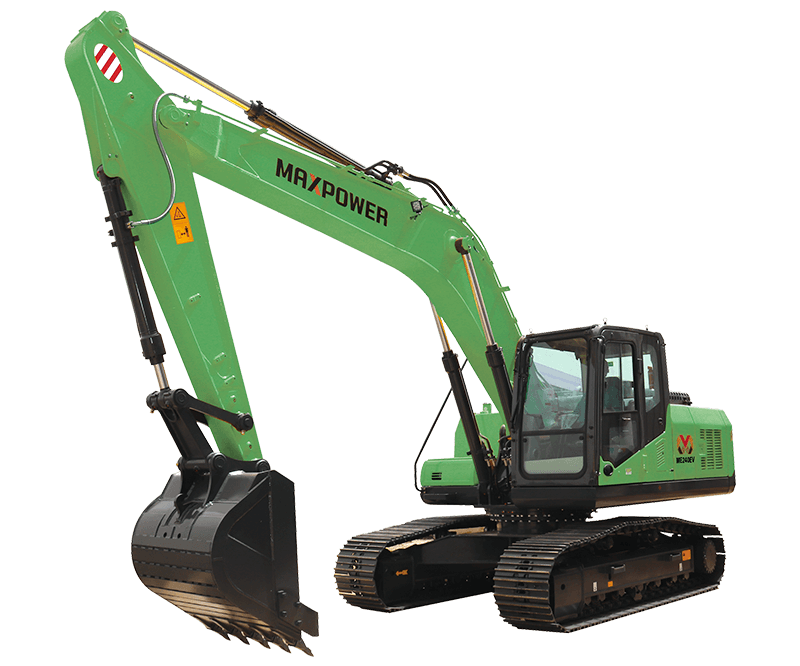
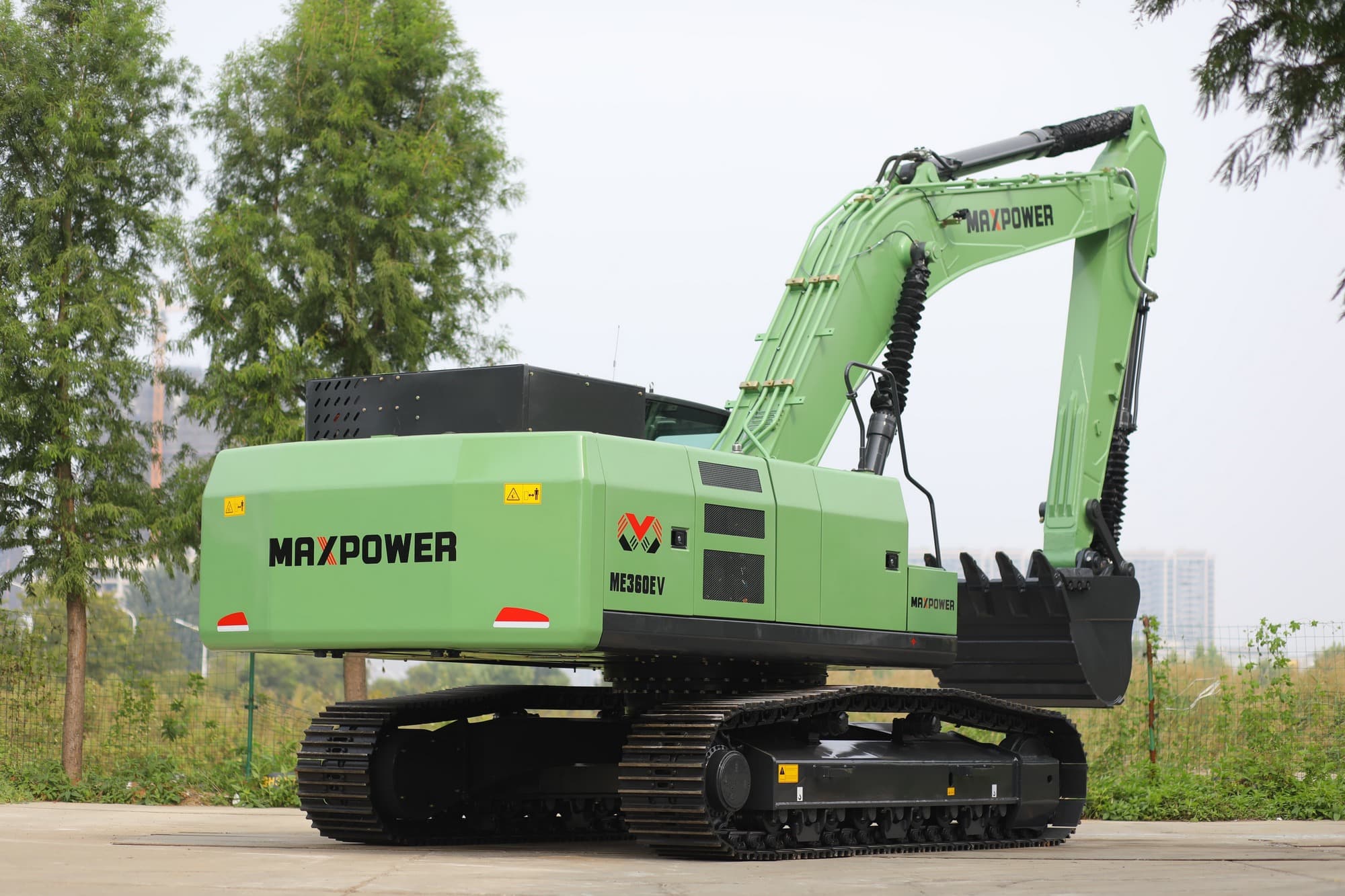
For large-scale pipeline projects, standard excavators provide greater digging depth and lifting capacity. They are suitable for long-distance pipelines and deeper trenches.
Attachments significantly improve efficiency and versatility in pipeline projects.
| Attachment | Function | Pipeline Application |
|---|---|---|
| Trenching Bucket | Narrow trench digging | Accurate pipeline trenches |
| Grading Bucket | Leveling surfaces | Preparing trench base |
| Hydraulic Thumb | Material handling | Lifting and positioning pipes |
| Compaction Wheel | Soil compaction | Securing backfill |
| Auger | Drilling holes | Utility and support installation |
Using the right combination of attachments ensures that each stage of the pipeline process is completed efficiently.
Pipeline projects often involve complex conditions that require careful planning and execution.
Even small deviations in trench depth or alignment can affect pipeline performance. Excavators provide the precision needed to maintain consistency.
Different soil types, such as clay, sand, or rocky terrain, require different excavation approaches. Excavators can adapt with appropriate attachments.
Urban pipeline projects often require working in tight spaces. Mini excavators offer the maneuverability needed for these environments.
Excavators streamline pipeline installation by combining multiple functions into one machine. This reduces the need for additional equipment and minimizes labor requirements.
They also improve project timelines by enabling faster excavation and backfilling processes. With precise control, operators can reduce rework and ensure the pipeline is installed correctly the first time.
Safety is critical in pipeline projects. Excavators help improve safety by allowing operators to maintain distance from trenches and heavy materials.
Key safety practices include:
Ensuring trench stability
Monitoring soil conditions
Avoiding damage to existing utilities
Using proper attachments for lifting and handling
Following these guidelines helps reduce risks and ensures smooth project execution.
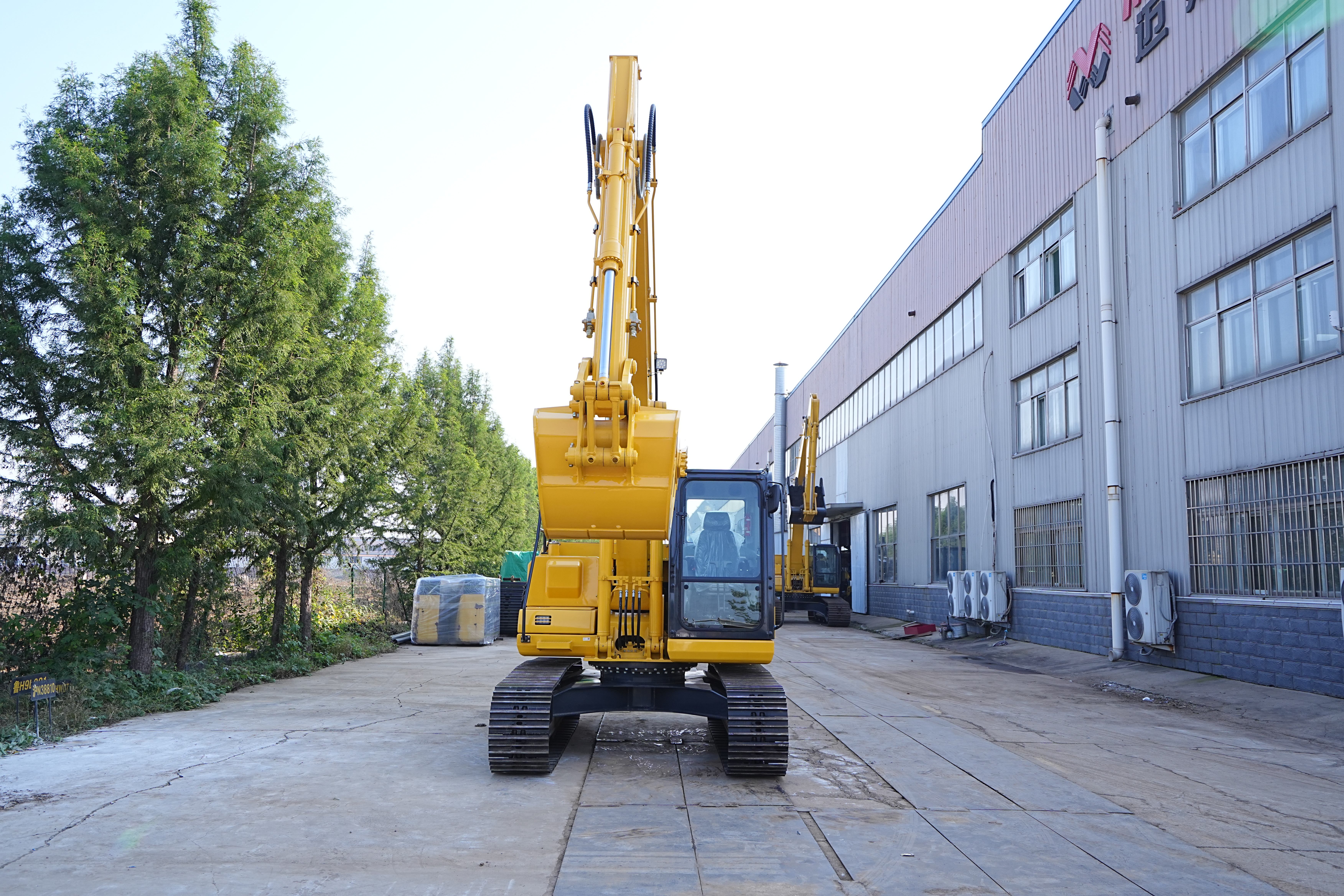
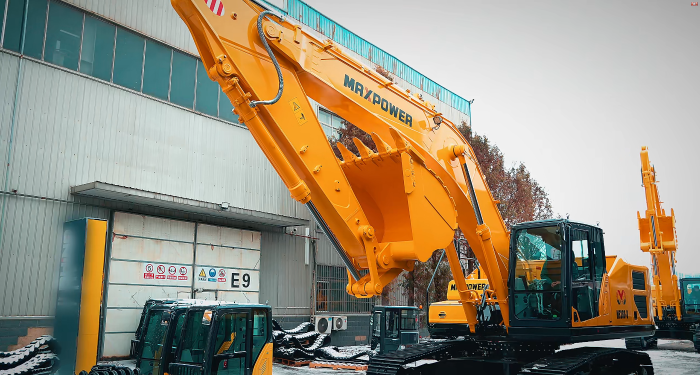
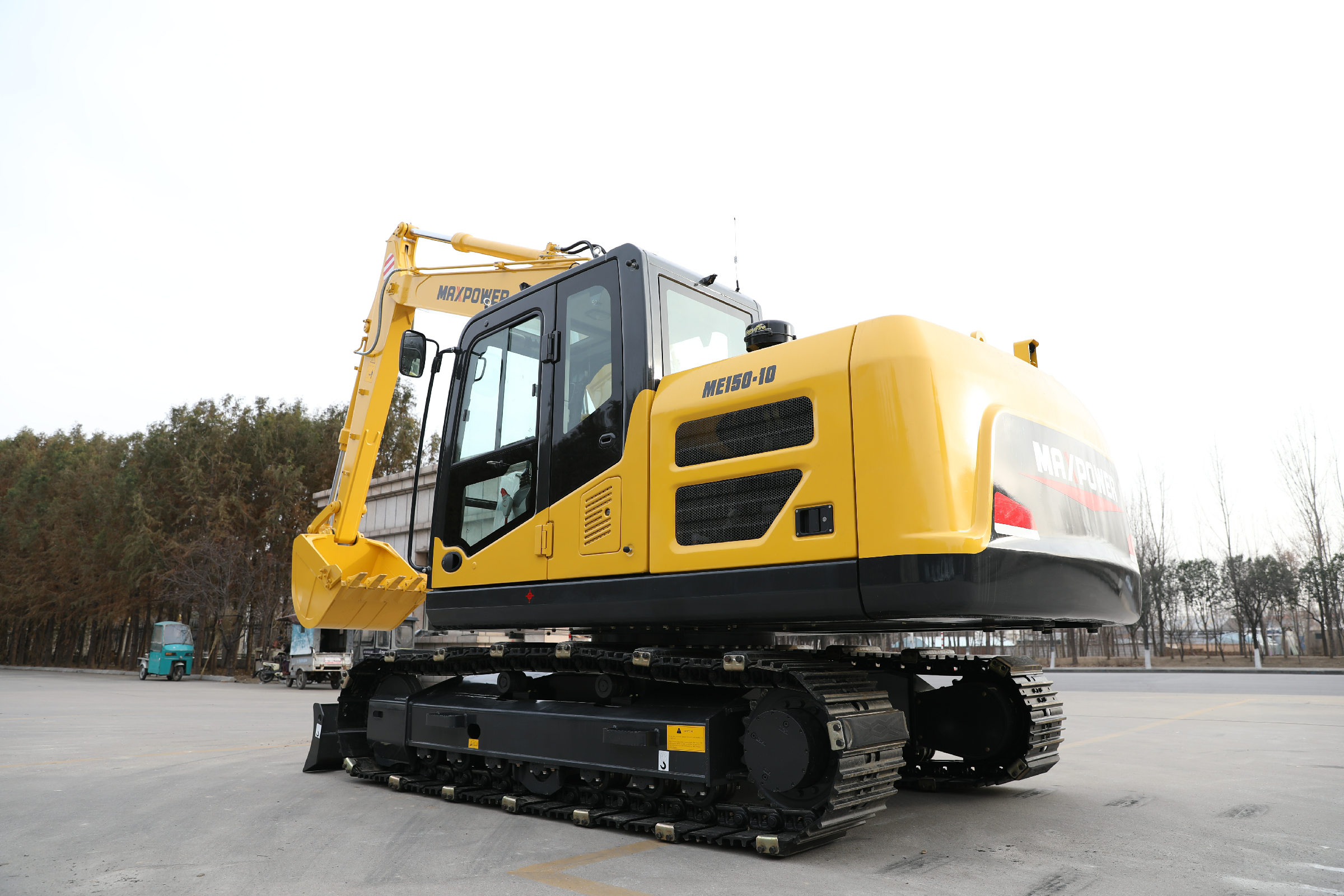
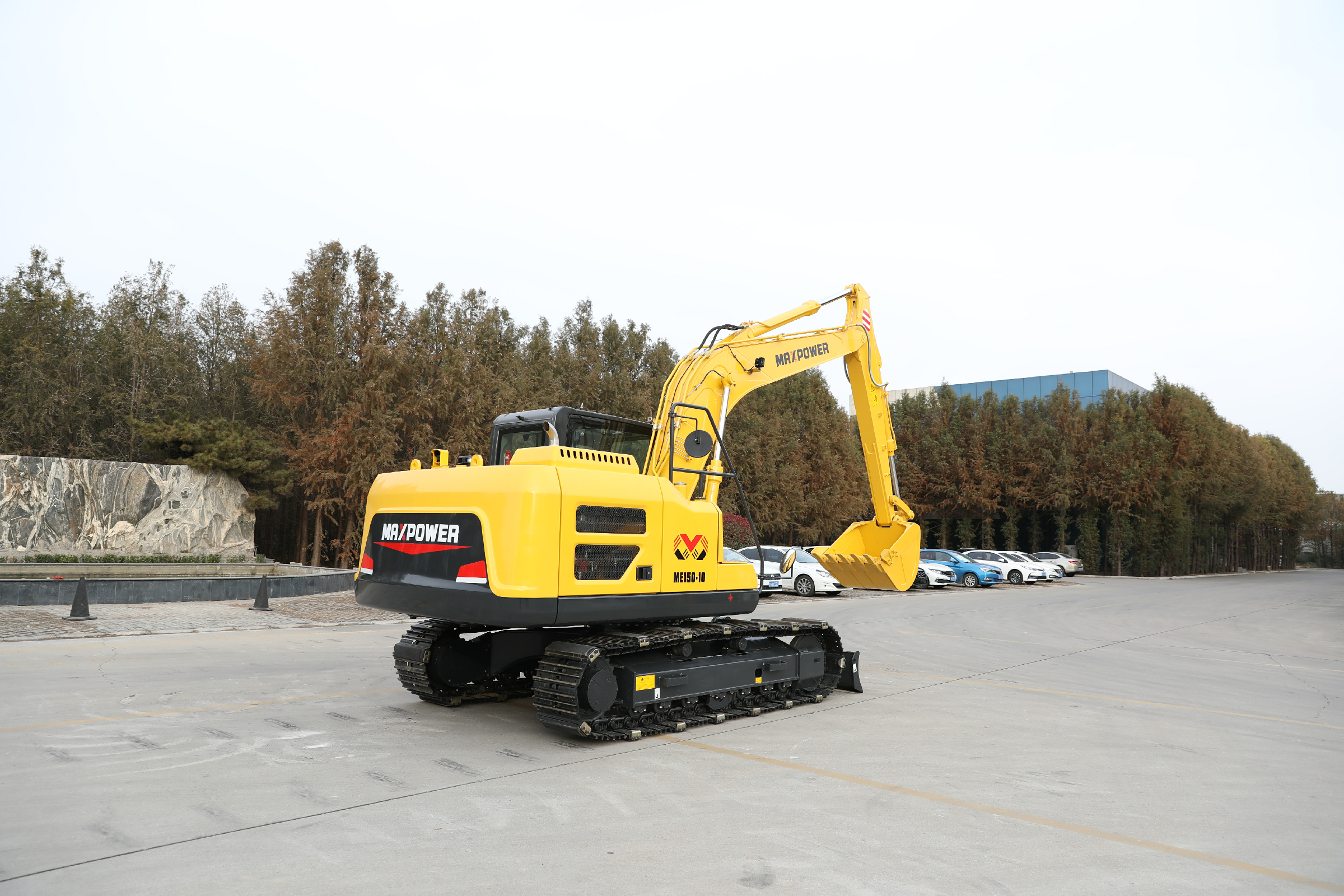
MAXPOWER excavators are designed to meet the demands of infrastructure projects, including pipeline installation.
Their advanced hydraulic systems provide precise control for trenching and grading, while their durable construction ensures reliable performance in challenging environments.
With compatibility across multiple attachments, MAXPOWER excavators allow contractors to handle excavation, material handling, and backfilling tasks efficiently within a single workflow.
Pipeline installation requires precision, efficiency, and reliable equipment. Excavators play a vital role by enabling accurate trenching, supporting material handling, and improving overall project productivity.
Whether working on urban utility lines or large-scale infrastructure projects, choosing the right excavator ensures better performance and long-term project success.
MAXPOWER excavators provide the versatility and durability needed to meet these demands, making them a valuable asset for pipeline installation projects.
What equipment is used for pipeline installation?
Excavators are commonly used for trenching, material handling, and backfilling.
Can mini excavators be used for pipeline work?
Yes, they are ideal for confined spaces and urban environments.
What attachment is best for trenching pipelines?
A trenching bucket is most commonly used.
Why is trench accuracy important?
It ensures proper pipeline alignment and long-term performance.
How do excavators improve pipeline installation?
They increase efficiency, reduce labor, and provide precise excavation.
Pipeline work demands precision, reliability, and efficiency. MAXPOWER excavators are built to handle trenching, grading, and material handling with outstanding performance. Contact us today to find the ideal MAXPOWER excavator for your pipeline installation needs and take your infrastructure projects to the next level.