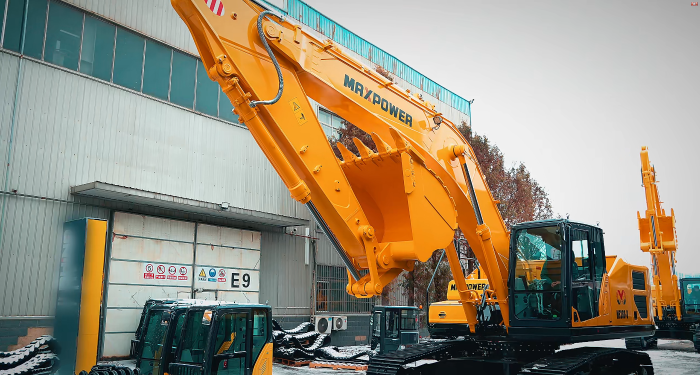
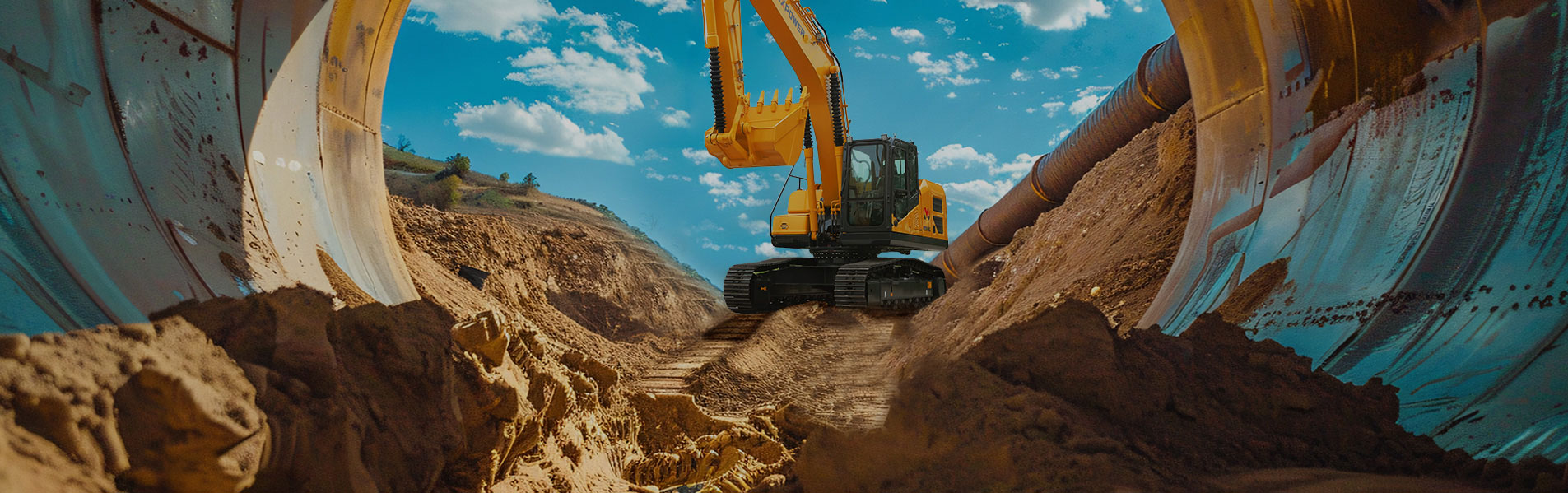
Choosing the right excavator is a critical decision for construction companies, mining operators, and infrastructure contractors. An incorrect choice can result in reduced productivity, higher fuel consumption, frequent breakdowns, and long-term financial losses. This guide focuses on how to choose the right excavator based on project requirements, machine performance, operating costs, and future scalability. By reading this article, you will gain a practical, structured approach to selecting an excavator that delivers efficiency, reliability, and strong return on investment.
An excavator is often one of the most heavily used machines on a job site. Its performance directly impacts project timelines and operating margins.
A properly matched excavator allows operators to complete tasks faster with fewer operational interruptions. Machines that are undersized struggle with digging force and lifting capacity, while oversized machines increase fuel costs and limit maneuverability, especially on confined job sites.
Beyond the initial purchase price, excavators generate costs throughout their lifecycle. Fuel consumption, hydraulic efficiency, spare parts availability, maintenance frequency, and resale value all contribute to total cost of ownership. Choosing the wrong machine can lock a business into years of unnecessary expenses.
Understanding excavator categories is the first step in narrowing down suitable options.
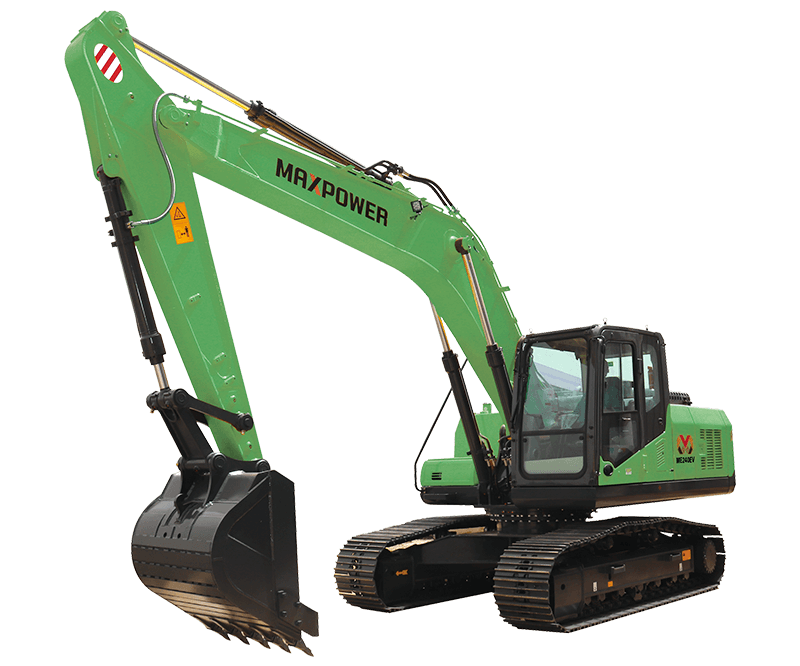
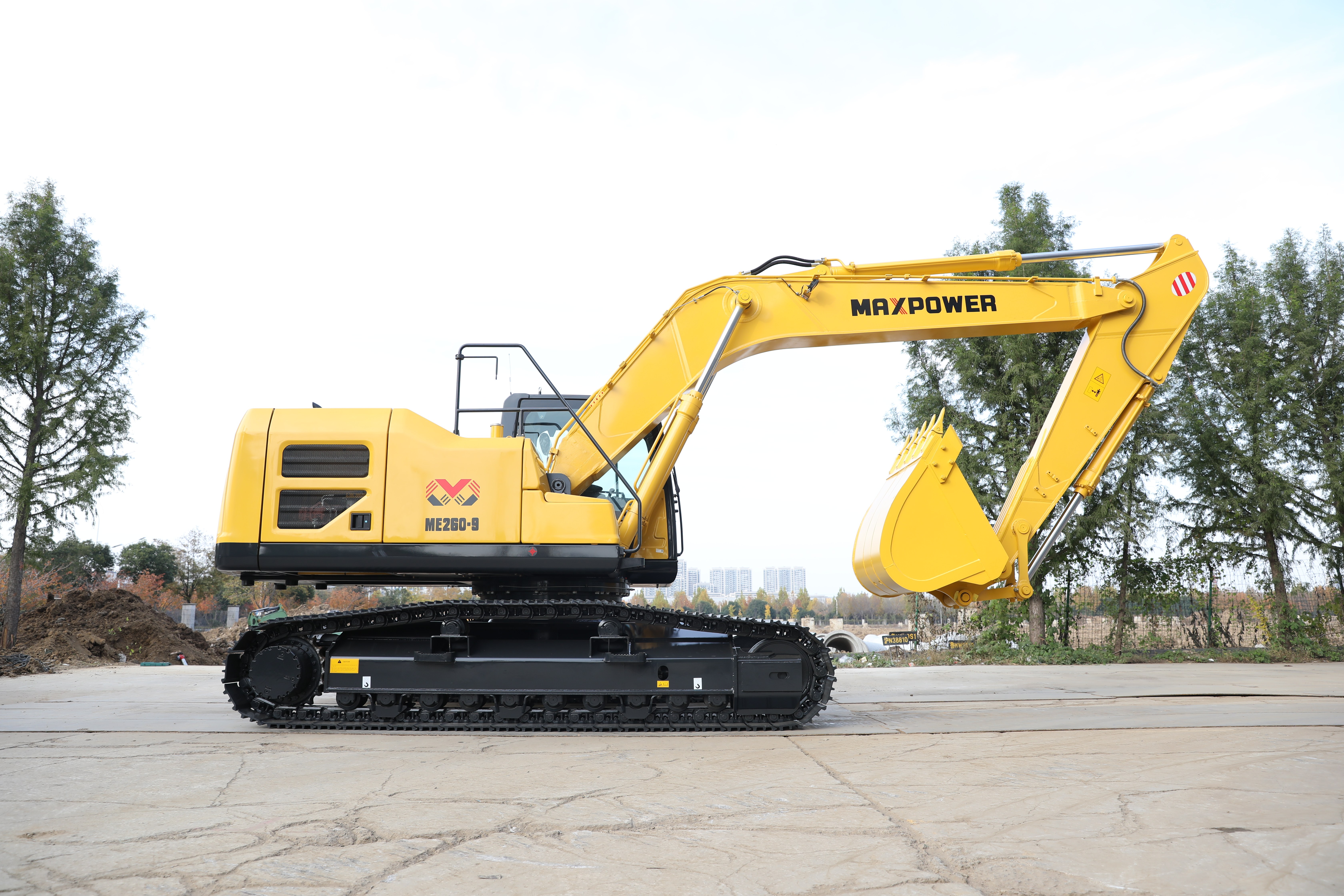
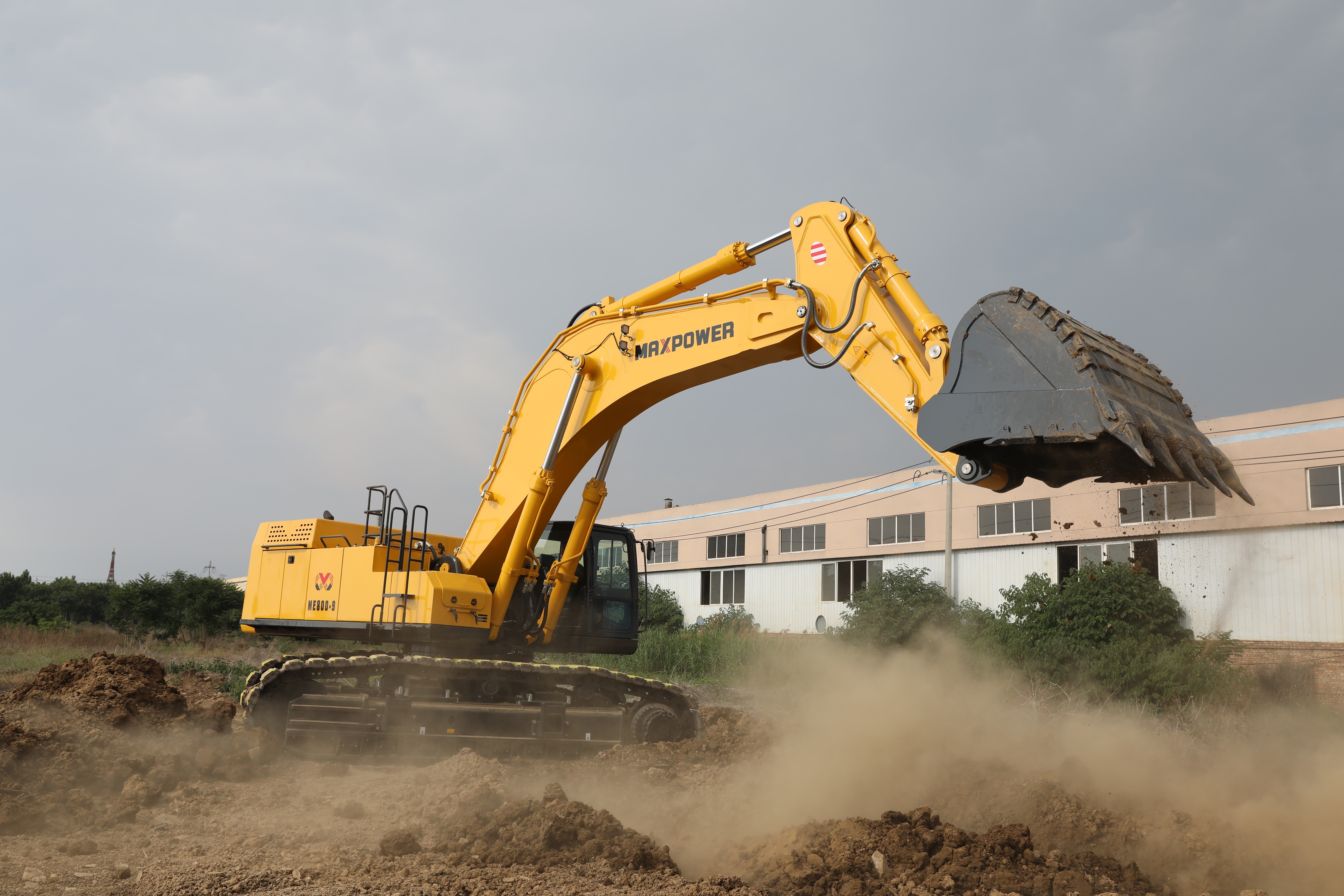
Crawler excavators are track-mounted machines designed for heavy-duty operations. Their superior stability makes them ideal for uneven or soft ground conditions. Typical applications include mining, large-scale earthmoving, road construction, and foundation work. These machines offer high digging force and excellent durability for long operating hours.
Wheeled excavators are preferred for urban and municipal projects where mobility is essential. They can travel quickly between job sites without requiring transport vehicles. These excavators are commonly used for road maintenance, utility installation, and city infrastructure projects where ground conditions are relatively stable.
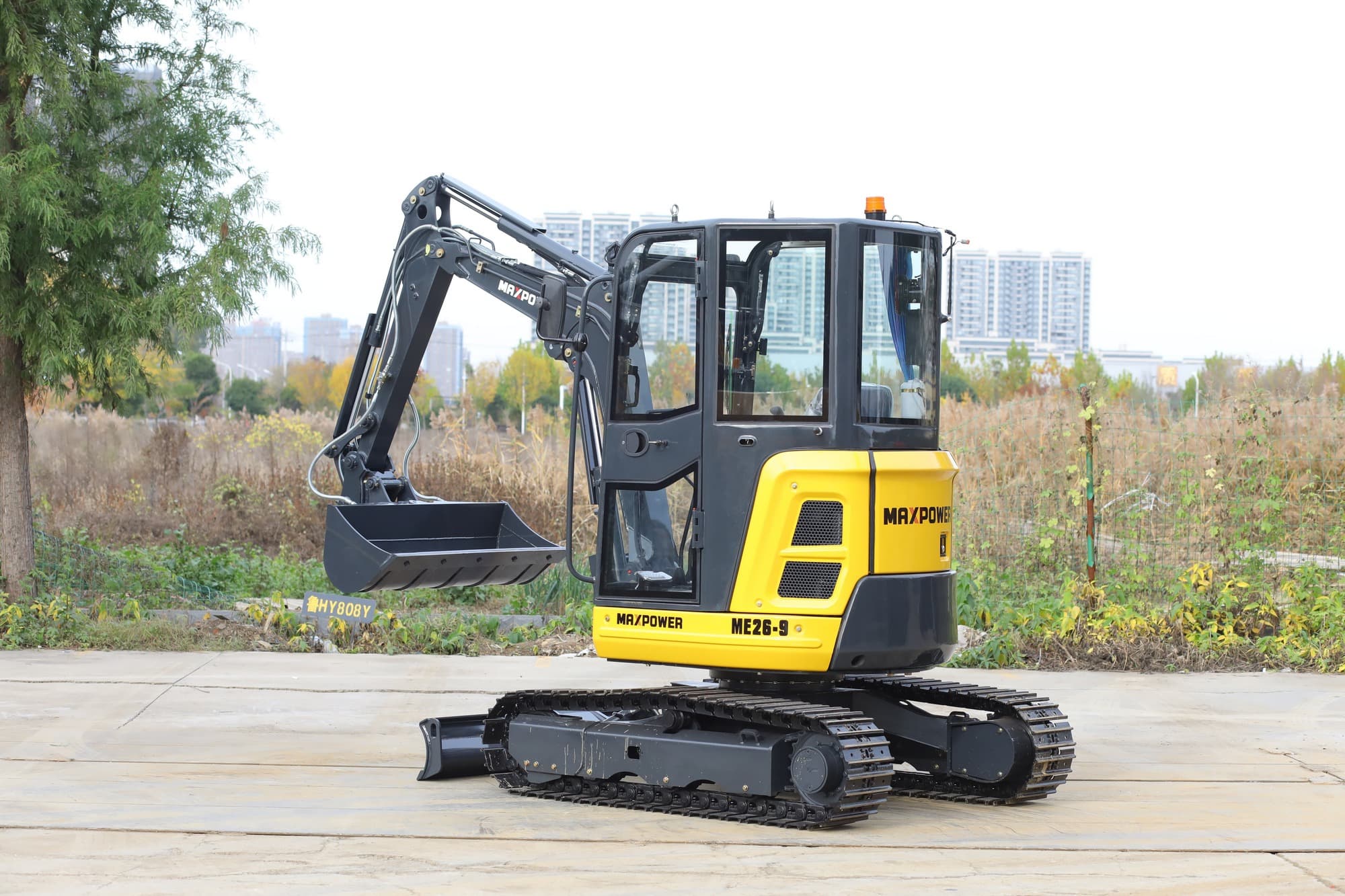
Mini excavators are designed for small-scale projects and tight spaces. Despite their size, modern compact excavators deliver impressive power and efficiency. They are widely used in landscaping, residential construction, indoor demolition, and projects with restricted access.
Excavator size is typically classified by operating weight, which directly influences digging depth, reach, and lifting capacity. Larger excavators provide greater force and depth, while smaller machines excel in flexibility and ease of transport. Contractors should evaluate required digging depth, soil conditions, and material density before selecting a machine size.
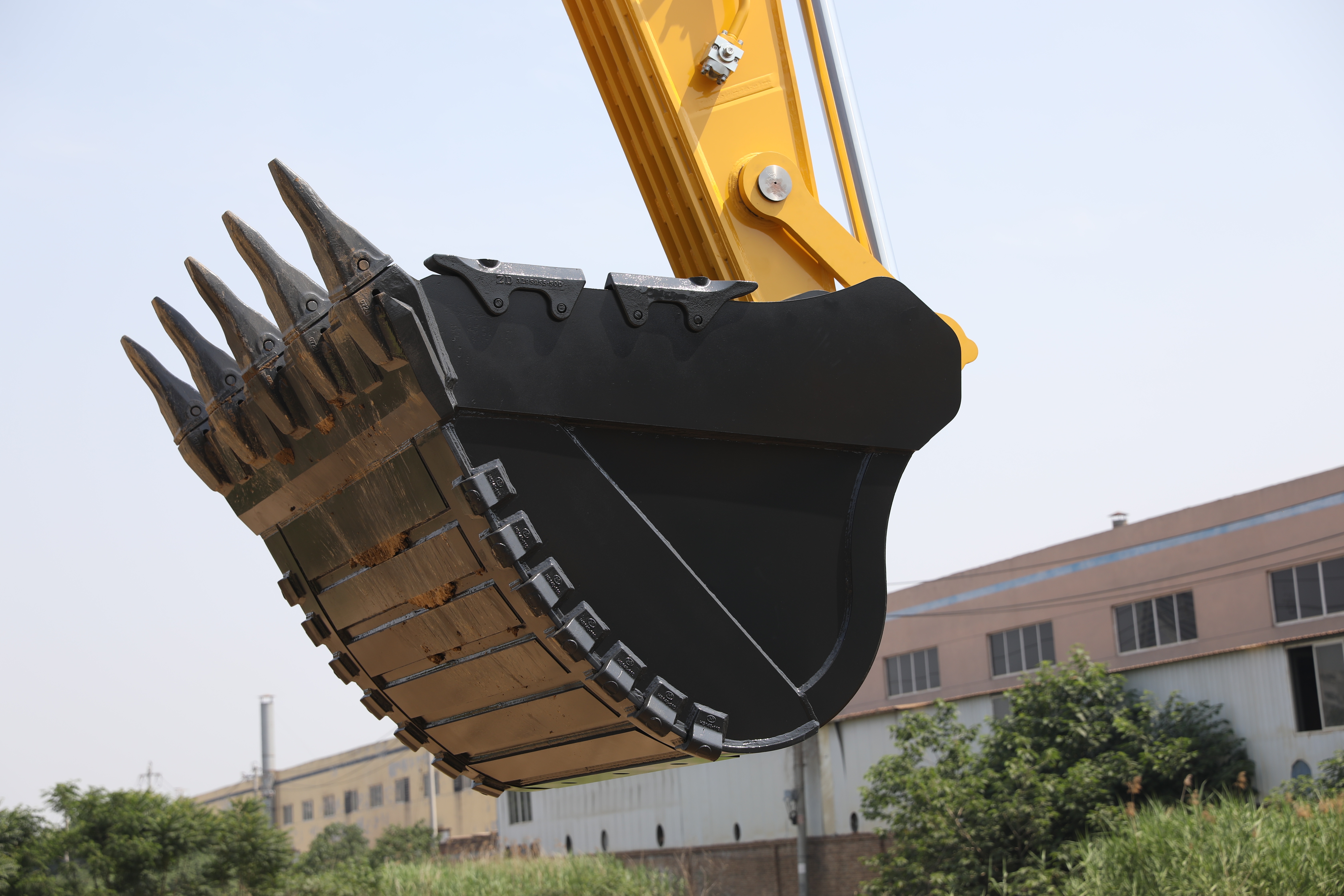
Bucket capacity affects cycle time and material handling efficiency. In addition, compatibility with attachments such as hydraulic breakers, augers, grapples, and tilt buckets can significantly increase an excavator’s versatility. Choosing a machine that supports multiple attachments allows one excavator to handle various tasks across different projects.
Environmental regulations and fuel costs are driving changes in excavator power systems.
Diesel excavators remain the most common choice for heavy-duty and remote operations. They provide high torque, long operating hours, and proven reliability in extreme conditions. These machines are suitable for mining, large infrastructure projects, and areas without reliable electrical charging infrastructure.
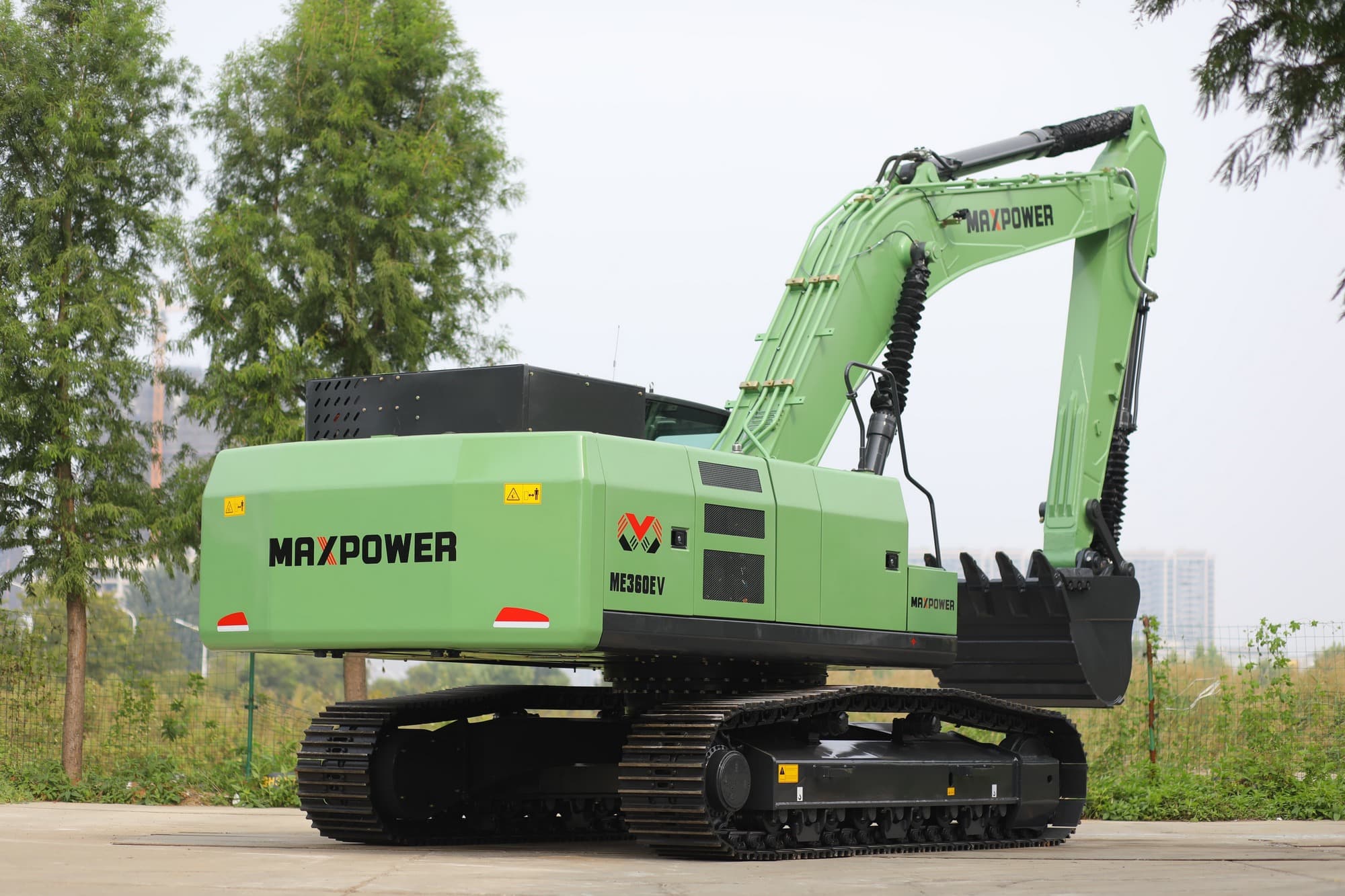
Electric excavators are gaining popularity due to their zero-emission operation and low noise levels. They offer lower energy costs and reduced maintenance requirements because of fewer moving parts. Electric models are particularly suitable for urban construction, indoor projects, and environmentally sensitive areas.
The hydraulic system is the core of an excavator’s performance. It determines digging force, lifting power, operational smoothness, and energy efficiency. High-efficiency hydraulic systems reduce fuel consumption while maintaining consistent performance, even under heavy loads.
Modern excavators often include load-sensing hydraulics, advanced control valves, and energy recovery systems. These features improve precision and reduce operator fatigue while extending component lifespan.
Excavators designed with easy access to filters, centralized lubrication points, and modular components reduce downtime and service costs. Maintenance-friendly design is especially important for machines operating in remote locations.
Reliable manufacturers provide fast spare parts delivery and responsive technical support. For international projects, global service networks and local dealers play a critical role in maintaining uptime.
A manufacturer’s production capability reflects machine quality and consistency. Look for companies with in-house research and development, automated production lines, and strict quality inspection processes.
OEM excavator services allow customization based on regional regulations, working conditions, and customer preferences. Custom options may include specialized attachments, reinforced structures, or alternative power systems.
Total cost of ownership is a more accurate metric than purchase price alone. It considers all costs incurred during the machine’s lifecycle.
| Cost Factor | Low-Quality Excavator | High-Quality Excavator |
|---|---|---|
| Initial Purchase Price | Lower | Higher |
| Fuel / Energy Efficiency | Low | High |
| Maintenance Frequency | Frequent | Reduced |
| Spare Parts Cost | Unstable | Predictable |
| Downtime Risk | High | Low |
| Resale Value | Low | High |
Although high-quality excavators may require a higher initial investment, they typically offer lower lifetime costs and stronger resale value.
Modern excavators prioritize operator comfort through ergonomic seating, intuitive controls, and improved visibility. Comfortable operators are more productive and make fewer errors.
Advanced excavators integrate digital monitoring systems that track fuel usage, maintenance intervals, and machine performance. These systems help fleet managers optimize operations and reduce unexpected failures.
Selecting the right excavator requires aligning machine specifications with project needs. Large-scale infrastructure and mining projects benefit from heavy crawler excavators with robust hydraulic systems. Urban construction favors wheeled or electric excavators due to mobility and environmental compliance. Landscaping and residential projects are best served by compact machines with flexible attachments.
Choosing the right excavator is a strategic investment decision that impacts productivity, operating costs, and long-term business growth. By understanding excavator types, sizing requirements, power options, hydraulic performance, and total cost of ownership, contractors can make informed and confident choices. A well-selected excavator delivers consistent performance, minimizes downtime, and provides sustainable value throughout its service life.
If you are planning to purchase or upgrade excavator equipment, consider evaluating your project requirements carefully and working with an experienced manufacturer.
Feel free to leave your questions in the comments section, contact us for customized excavator solutions, or subscribe to our blog for more professional construction machinery insights.