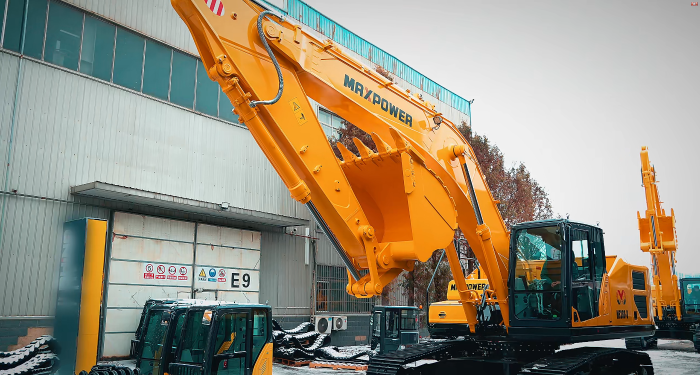
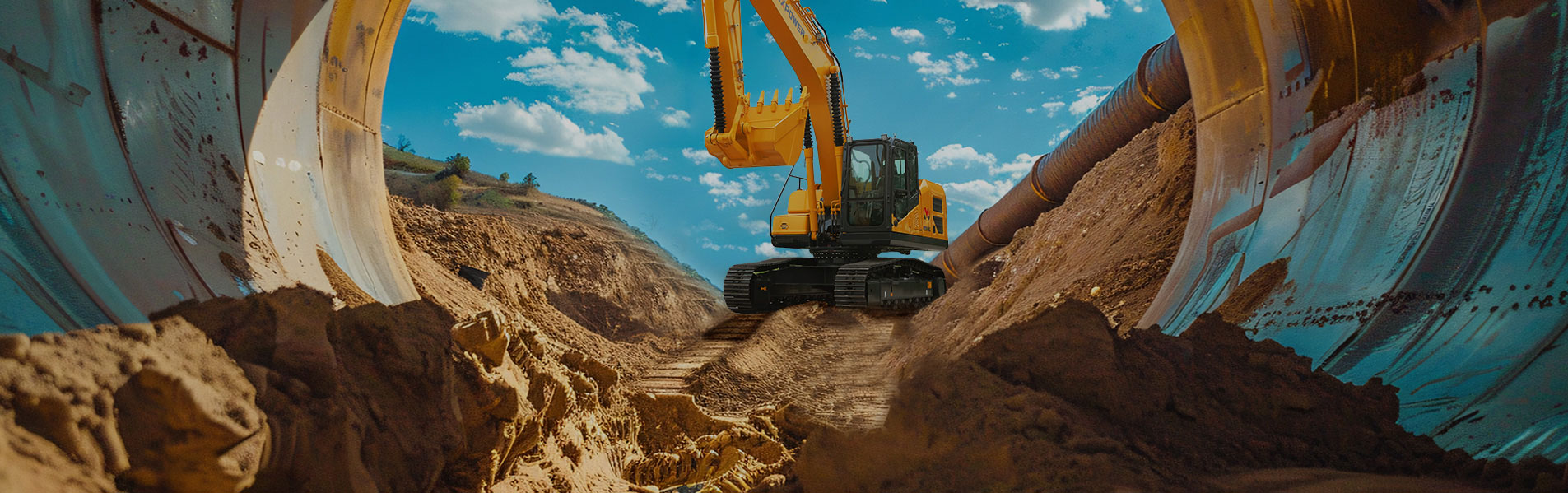
Excavation work is one of the most crucial steps in construction and civil engineering projects. It involves removing earth, rocks, or other materials to create a safe and stable environment for building foundations, underground utilities, and infrastructure. Proper excavation ensures that structures are stable, safe, and long-lasting.
Excavation is more than just digging a hole; it involves planning, technical expertise, safety considerations, and the use of specialized machinery. In this guide, we will explain what excavation work is, its types, techniques, machinery, costs, environmental considerations, and safety practices. By understanding excavation thoroughly, construction professionals and project planners can avoid costly mistakes and delays.
Excavation work involves the removal of soil, rock, and other materials from a specific area to prepare the ground for construction. The process is fundamental in preparing foundations for buildings and bridges, installing pipelines, sewer systems, and electrical conduits, creating roads, tunnels, basements, and drainage systems, and leveling and grading the land for landscaping.
The process can vary in scale, from small residential projects to large-scale commercial developments. Excavation also includes removing debris, stabilizing the soil, and sometimes relocating materials to another site.
Soil compaction and stabilization, dewatering and drainage management, temporary support structures for trenches or deep excavations, and surveying and site inspection are common secondary tasks. Proper planning ensures minimal disruption to the site, prevents accidents, and reduces material waste.
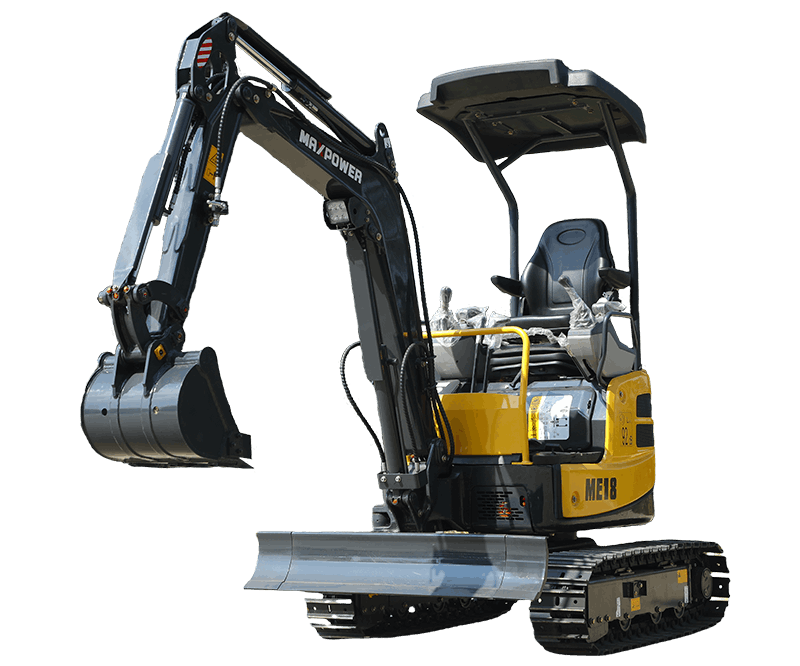
Excavation is not just a preliminary step; it lays the foundation for the entire project. Without proper excavation, foundations may settle unevenly, leading to cracks or structural failure, underground utilities may be damaged, water accumulation can lead to flooding or soil erosion, and project timelines can be extended due to unforeseen soil conditions.
Proper excavation ensures structural stability and longevity, reduces maintenance costs in the long term, provides accurate grading for building and landscaping, and enhances project safety by removing unstable soil.
Secondary keywords: excavation importance, structural stability, construction site preparation
Excavation work can be classified based on purpose, method, or material. Understanding these types helps in choosing the right technique and machinery.
Used primarily for pipelines, sewer systems, and cable installation. Trench excavation requires precision to ensure correct depth and slope for drainage.
Essential for buildings, bridges, and large structures. Proper foundation excavation prevents future settlement issues and ensures load-bearing capacity.
Involves removing topsoil or leveling the land for roads, landscaping, and parking lots.
Used for tunnels, subways, basements, and underground utilities. This type requires careful planning, shoring, and safety protocols due to high risks.
Specific type of excavation used in water bodies to remove sediments, deepen rivers, or prepare foundations for bridges and piers.
Secondary keywords: trench digging, foundation digging, underground construction, dredging excavation
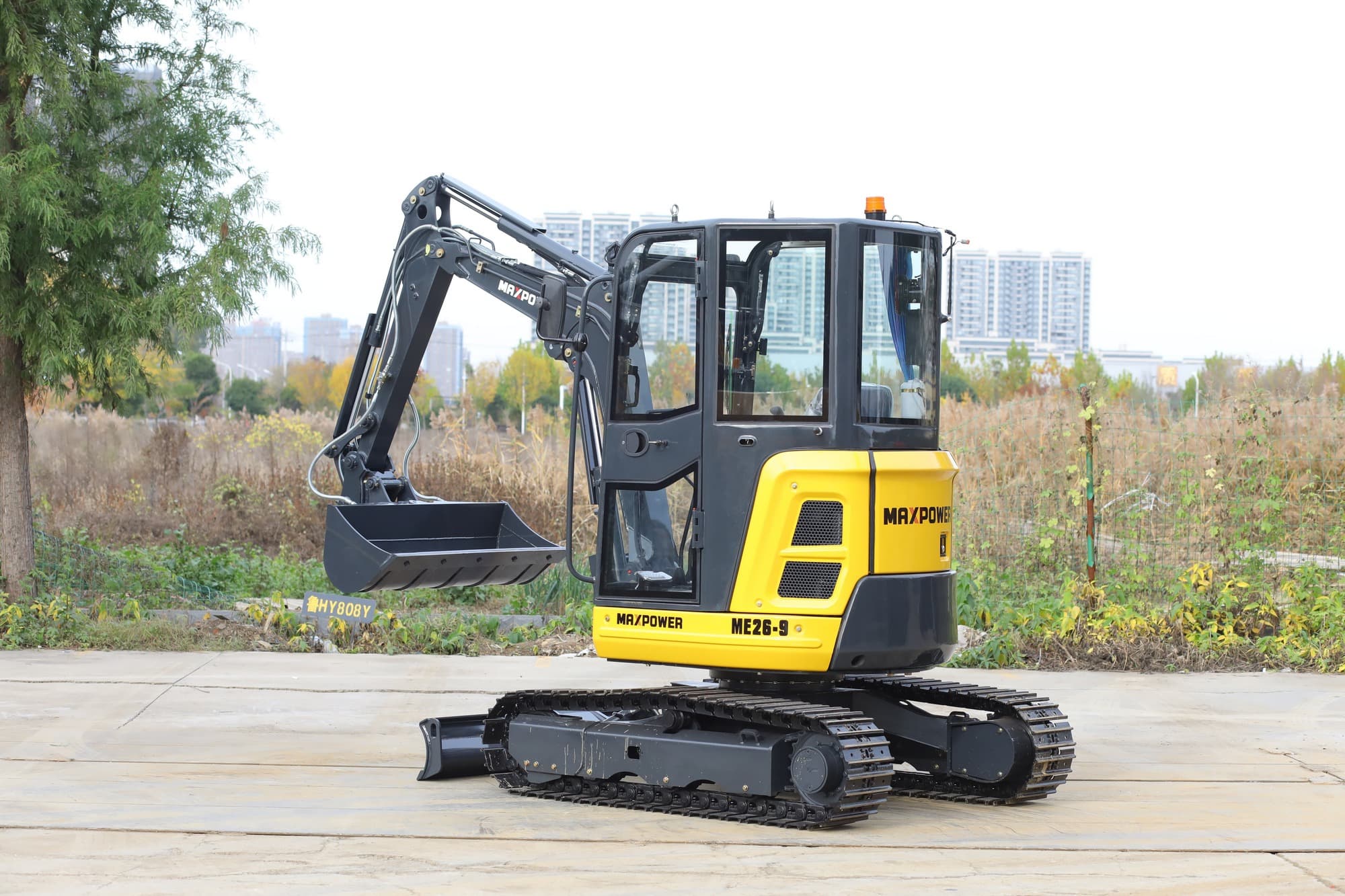
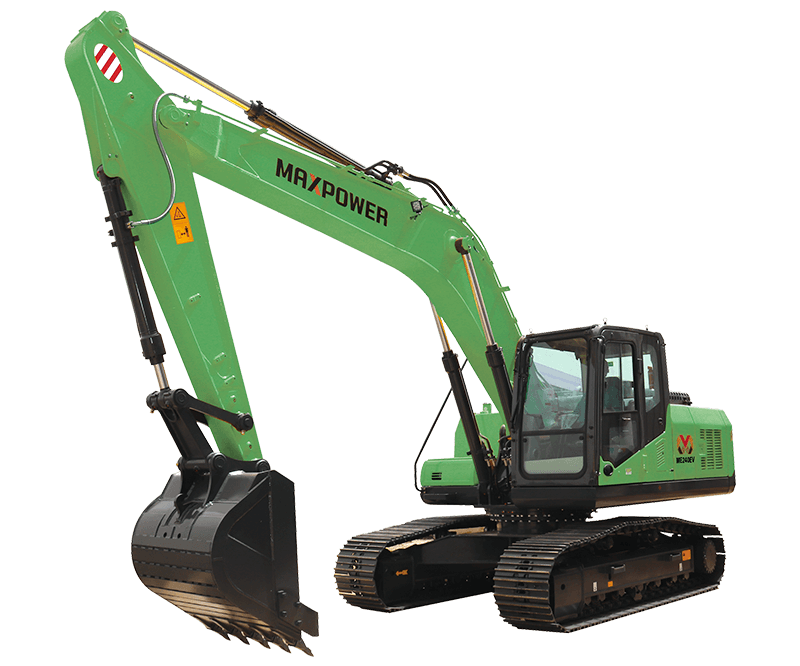
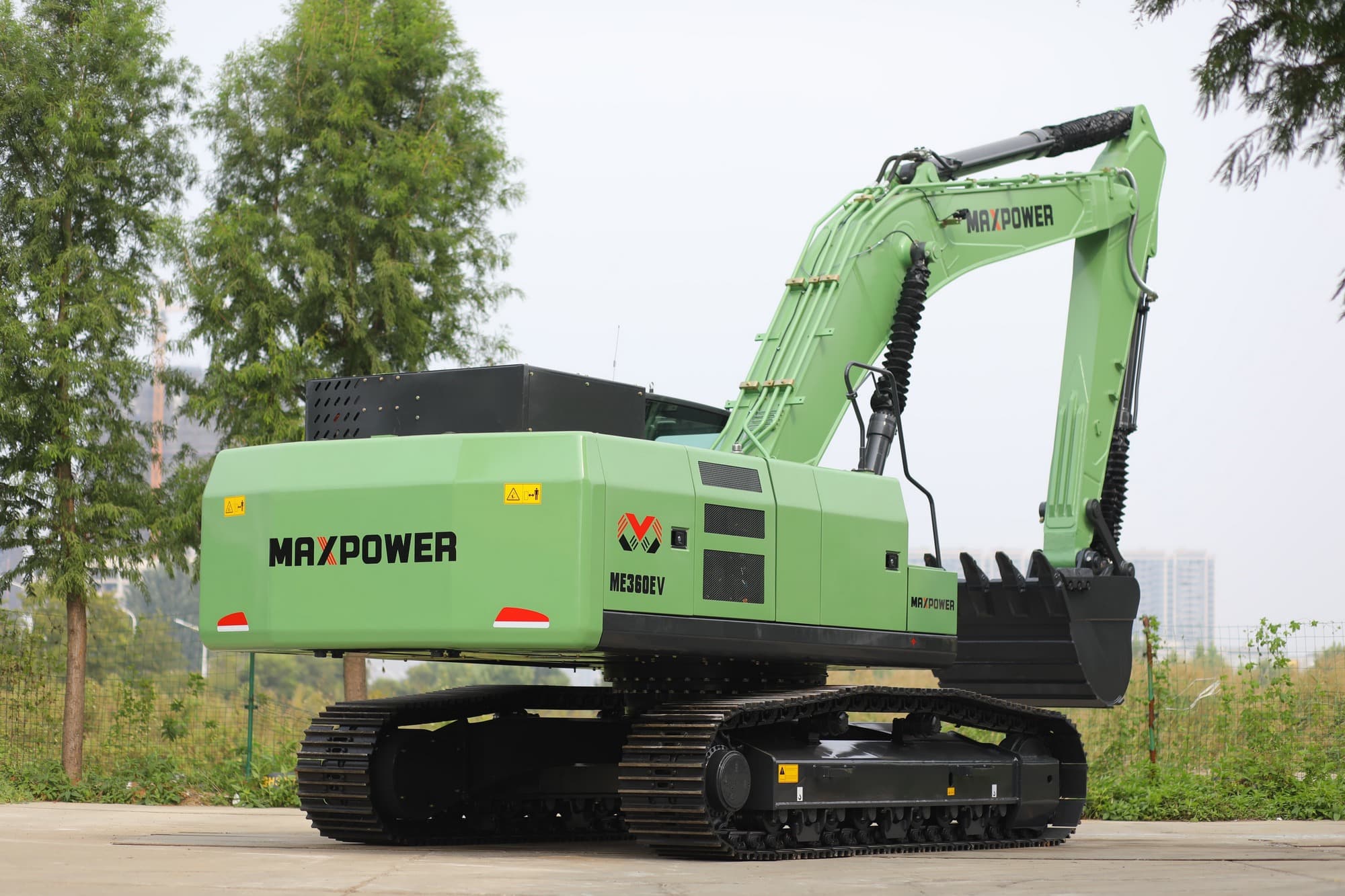
Excavation machinery reduces labor costs, speeds up work, and enhances safety. Common machines include:
| Equipment | Purpose | Capacity | Notes |
|---|---|---|---|
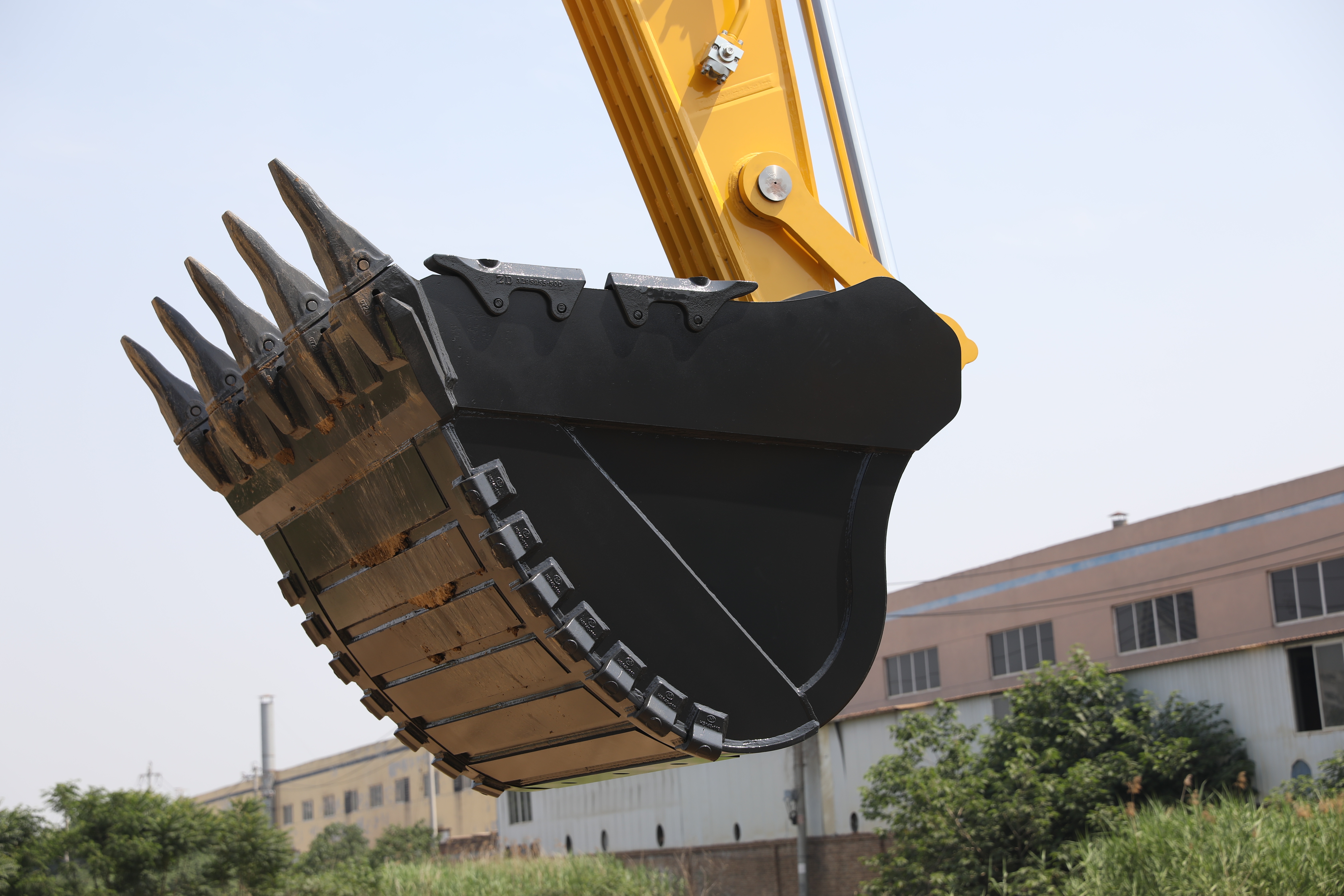
| Excavator | Digging soil, rock, and debris | 1–5 m³ per cycle | Ideal for medium to large excavation projects |
| Backhoe Loader | Versatile for digging and loading | 0.5–1 m³ per cycle | Suitable for small to medium projects |
| Bulldozer | Pushing and leveling soil | Large-scale | Best for grading and clearing large areas |
| Skid-Steer Loader | Small-scale excavation in tight spaces | 0.2–0.5 m³ per cycle | Perfect for urban construction |
| Dump Trucks | Transporting excavated materials | 5–20 tons | Essential for site material management |
| Trenchers | Specialized in trench excavation | 0.3–1 m³ per cycle | Ensures uniform trenches |
Using the right machinery improves project timelines and reduces the risk of soil collapse or injury.
Excavation techniques vary depending on project type, soil conditions, and depth. Key techniques include open-cut excavation, which involves cutting a trench from the surface down; cut and fill, used in large projects where excavated soil is reused to fill lower areas; shoring excavation, which supports trench walls using timber, metal, or hydraulic systems to prevent collapse; tunneling, for underground structures requiring rock drilling or blasting; and hydraulic excavation, which uses water pressure to remove soil, especially in soft or sandy soils.
Secondary keywords: excavation methods, trench safety techniques, open-cut excavation
Excavation is one of the most dangerous construction tasks. Implementing safety protocols is vital. Installing shoring and trench boxes protects workers from wall collapses. Conducting soil analysis ensures stability and prevents landslides. Dewatering manages groundwater to reduce soil erosion. Providing personal protective equipment such as helmets, boots, and gloves is essential. Regular inspections monitor conditions daily, especially after rain or vibrations.
Secondary keywords: excavation safety, trench safety, construction hazard prevention
Operators are essential to the efficiency and safety of excavation projects. Skills include understanding soil types, moisture, and compaction; safe operation of heavy machinery; ability to read blueprints, site plans, and survey maps; and knowledge of local construction and safety regulations. Well-trained operators improve project efficiency, reduce accidents, and minimize costs.
Excavation costs depend on multiple factors, including soil type, site size, machinery, labor, and safety requirements. An example cost table:
| Task | Unit Cost (USD) | Notes |
|---|---|---|
| Trench Excavation | 8–15 per m³ | Depth and soil type affect cost |
| Foundation Excavation | 10–20 per m³ | Includes shoring if required |
| Surface Grading | 5–12 per m² | Includes leveling and soil compaction |
| Underground Excavation | 20–50 per m³ | More complex, requires shoring and permits |
Accurate estimation reduces surprises and ensures smooth project flow.
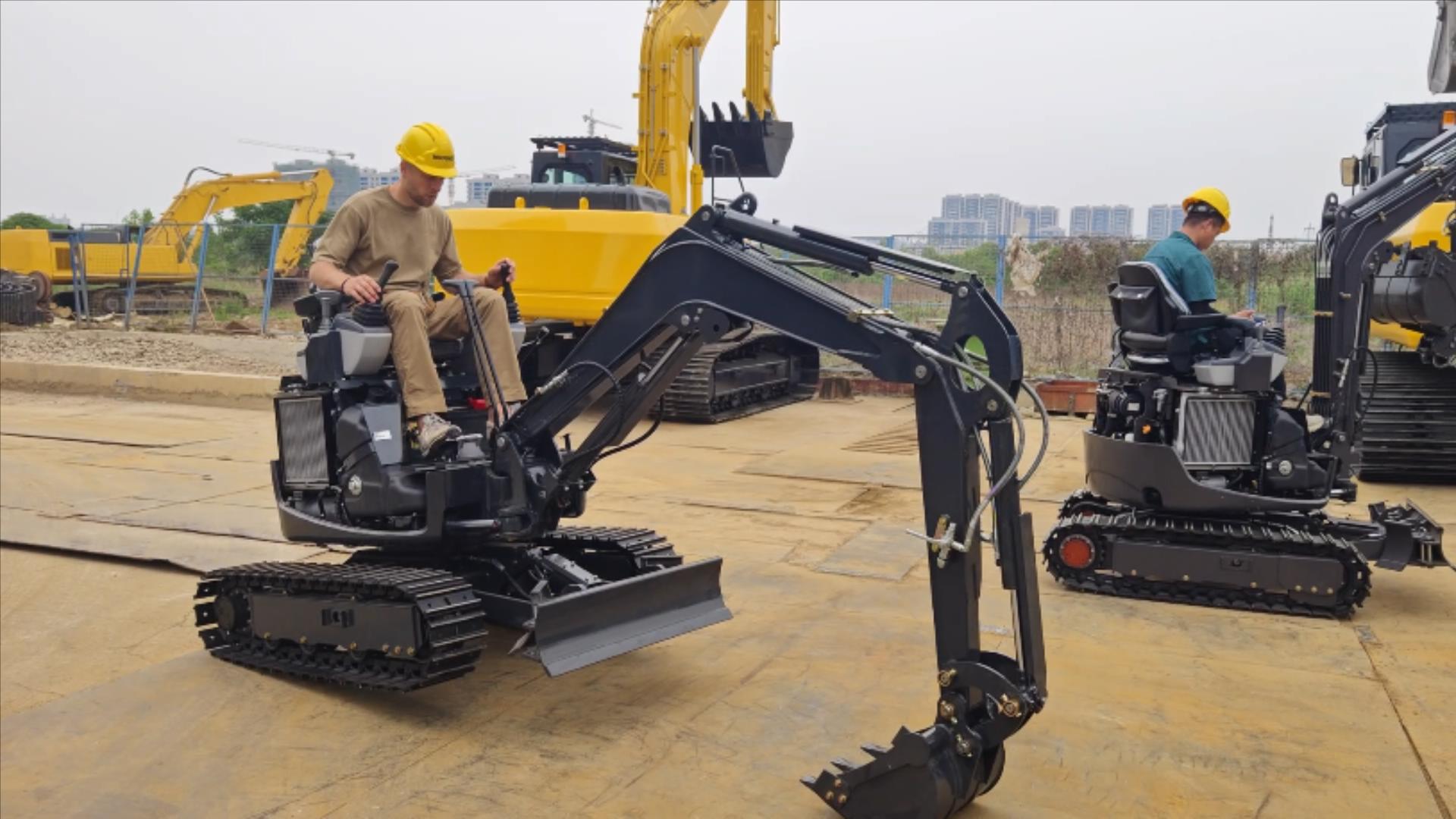
Excavation impacts the surrounding ecosystem. Best practices include soil erosion prevention using silt fences, grass, or mulch; water management to control runoff and prevent contamination; material recycling to reuse soil and debris where possible; and regulatory compliance to follow local environmental guidelines.
Secondary keywords: eco-friendly excavation, sustainable construction, environmental impact
Excavation work is the backbone of construction projects. From planning and machinery selection to safety and environmental management, each step is critical. By understanding excavation methods, techniques, costs, and safety protocols, construction professionals can ensure successful and durable projects. Proper excavation not only creates a stable foundation but also saves time, reduces costs, and protects workers and the environment. With the right machinery, trained operators, and careful planning, any construction project can achieve its goals efficiently.
1. What is excavation work in construction?
Excavation work is the removal of soil or rock to prepare a site for building, pipelines, or roads.
2. What machines are used for excavation?
Excavators, bulldozers, backhoe loaders, skid-steer loaders, and dump trucks.
3. How can excavation safety be ensured?
Shoring, PPE, soil monitoring, regular inspections, and operator training.
4. What are the main types of excavation?
Trench, foundation, surface, underground excavation, and dredging.
5. How are excavation costs calculated?
Costs depend on soil, depth, machinery, labor, and safety measures.
Need Help Planning Your Excavation Project? If you're unsure about the best excavation method or equipment for your construction site, MAXPOWER experts are here to guide you. Contact us today for a personalized consultation and ensure your project is safe, efficient, and cost-effective. Don’t wait until unexpected issues cause delays—get in touch now to build a strong foundation with MAXPOWER!