Excavators are versatile construction machines that play a crucial role in various projects, from small residential developments to large-scale infrastructure projects. They are known for their ability to dig, lift, and move materials with precision and efficiency. In this article, we will explore the many uses of excavators, their different types, and how they are transforming the construction industry.
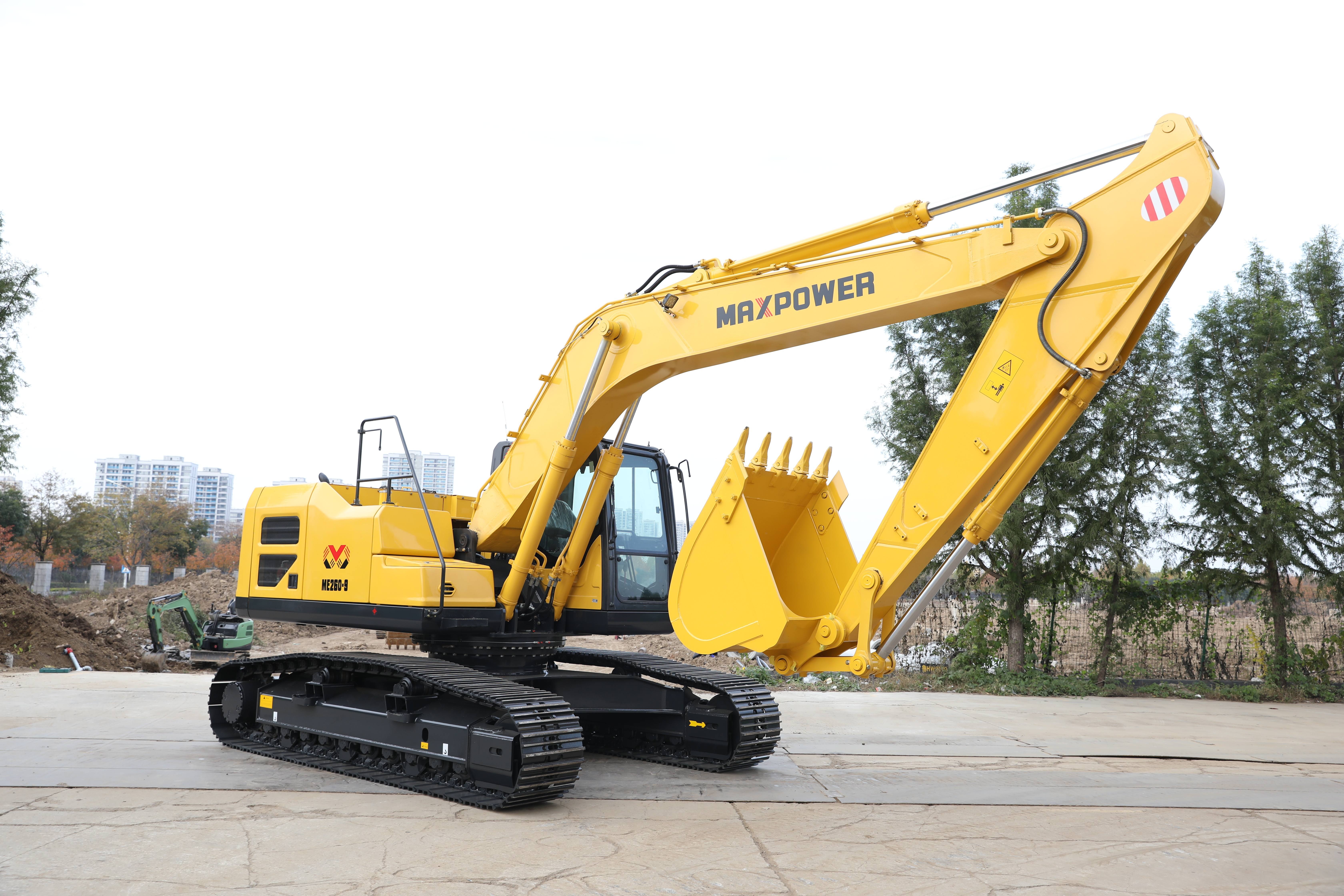
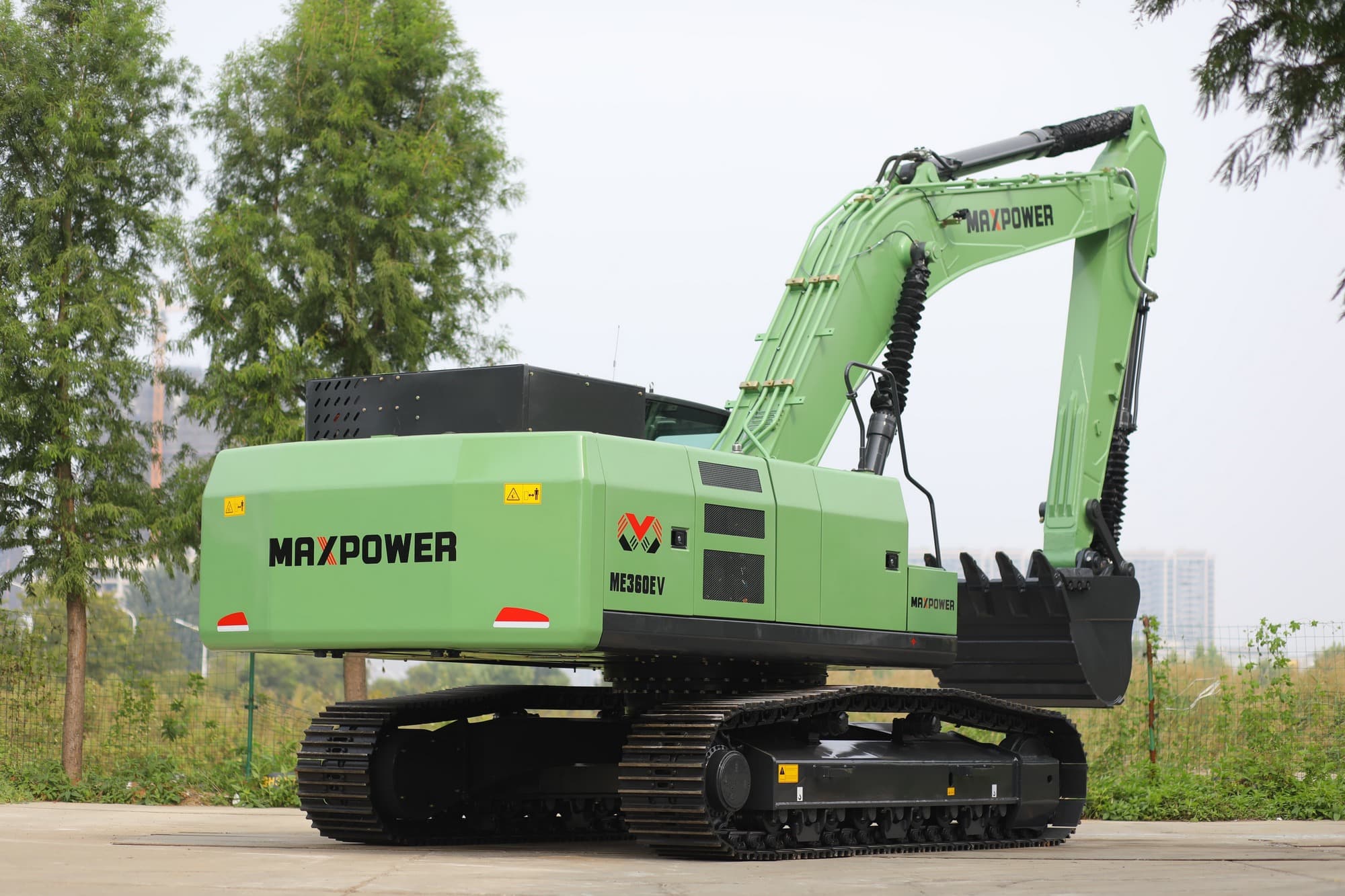
An excavator is a heavy construction machine consisting of a boom, arm, bucket, and cab mounted on a rotating platform (also known as the house). The house sits on an undercarriage with tracks or wheels, which allows the excavator to move around the job site. The operator controls the excavator from the cab, using joysticks and pedals to operate the boom, arm, and bucket.
There are several types of excavators available, each designed for specific applications:
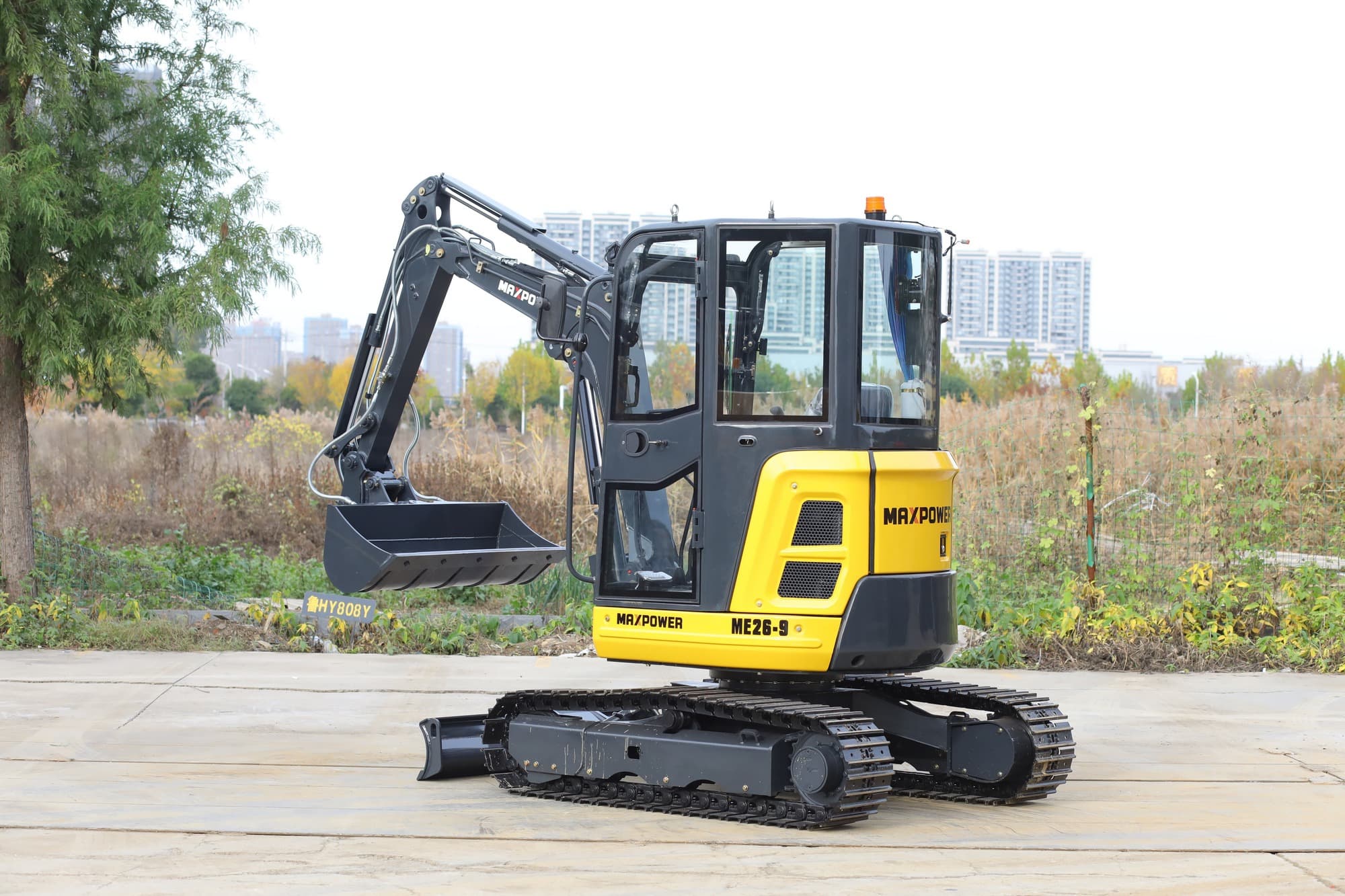
Compact Excavators: These small excavators are ideal for tight spaces and small-scale projects, such as residential landscaping and utility work. Maxpower's ME26 compact excavator is a popular choice for its versatility and efficiency.
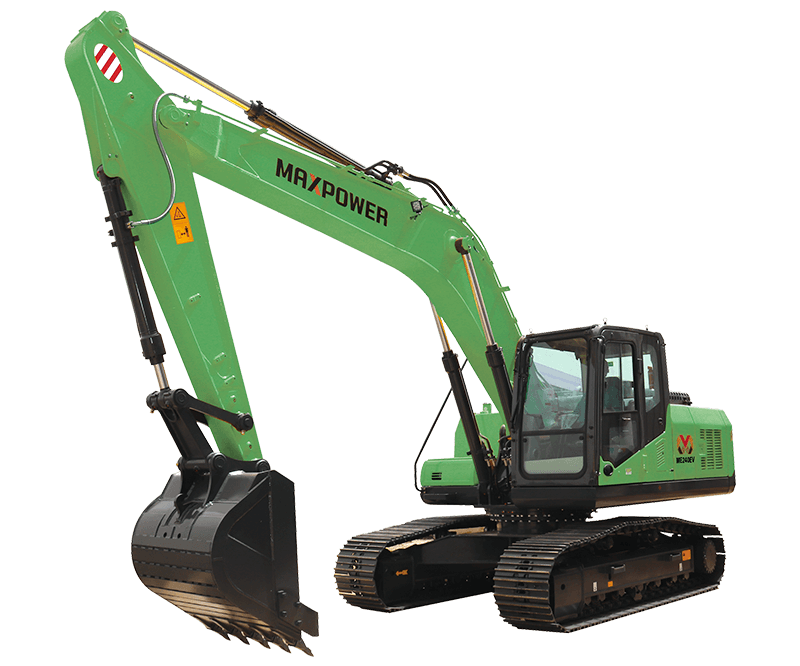
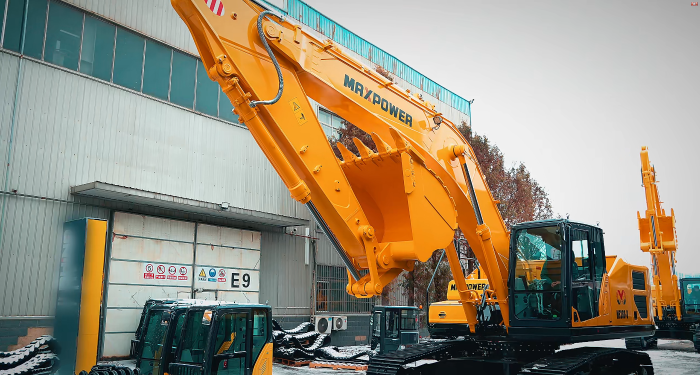
Standard Excavators: Standard excavators are the most common type, used for a wide range of applications, including digging foundations, trenches, and holes. Maxpower's ME210 smart hydraulic excavator is a powerful and reliable option for large-scale projects.
Long Reach Excavators: These excavators have an extended boom and arm, allowing them to reach deeper and farther than standard excavators. They are commonly used for dredging, demolition, and slope stabilization projects.
Amphibious Excavators: Amphibious excavators are designed to work in wet and marshy conditions, such as swamps, lakes, and rivers. They are equipped with pontoons or tracks that allow them to float and move on water.
One of the most common uses of excavators is digging foundations and trenches for buildings, roads, and utilities. Excavators can quickly and accurately dig to the required depth and width, saving time and labor compared to manual digging. Maxpower's ME210 smart hydraulic excavator is equipped with advanced features, such as intelligent power management and remote diagnostics, which make it ideal for digging foundations and trenches.
Excavators are also used for demolition and site clearing projects. They can be equipped with hydraulic hammers, shears, and grapples to break down buildings, remove debris, and clear land. Maxpower's ME800 electric excavator is a powerful and efficient option for demolition projects, as it produces zero emissions and operates quietly.
Excavators can be used to handle and load materials, such as soil, gravel, and concrete. They can be equipped with buckets, forks, or grabs to lift and move materials around the job site. Maxpower's ME26 compact excavator is a versatile option for material handling and loading, as it can be equipped with a variety of attachments.
Excavators are widely used in mining and quarrying operations to extract minerals and aggregate materials. They can be equipped with heavy-duty buckets and attachments to handle large volumes of material. Maxpower's ME800 electric excavator is a reliable and efficient option for mining and quarrying, as it requires less maintenance and produces zero emissions.
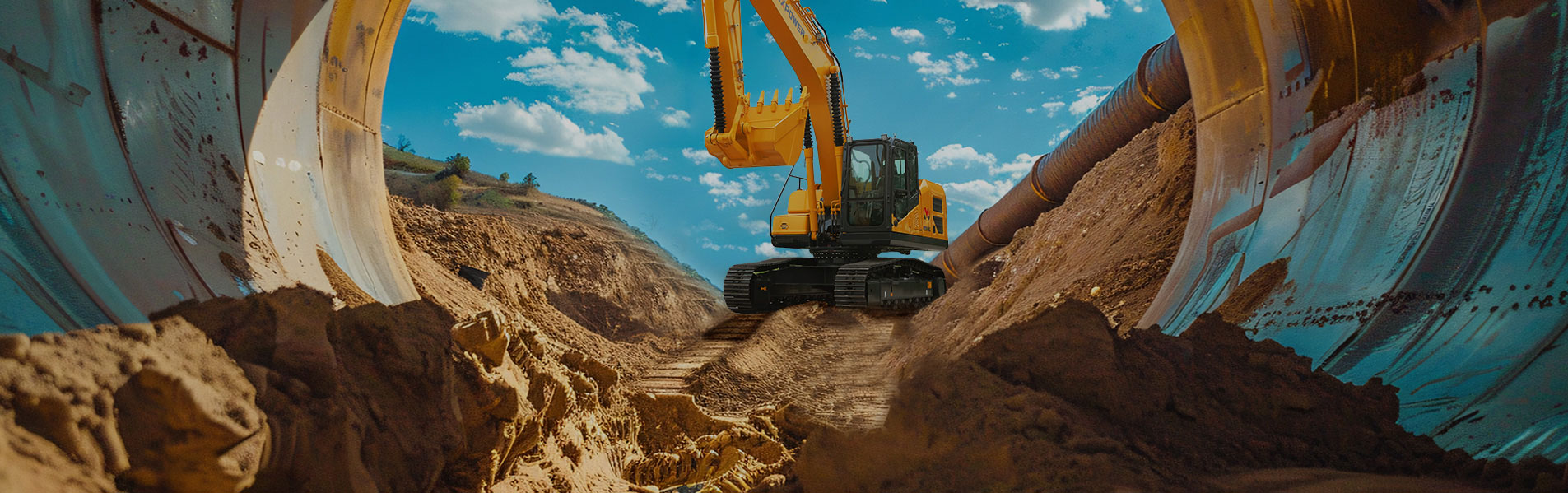
Excavators are essential for pipeline and utility work, such as laying water, gas, and sewer lines. They can be used to dig trenches, install pipes, and backfill the trenches. Maxpower's ME26 compact excavator is a popular choice for pipeline and utility work, as it can easily maneuver in tight spaces.
Excavators can be equipped with a wide range of attachments to enhance their versatility and functionality. Some common attachments include:
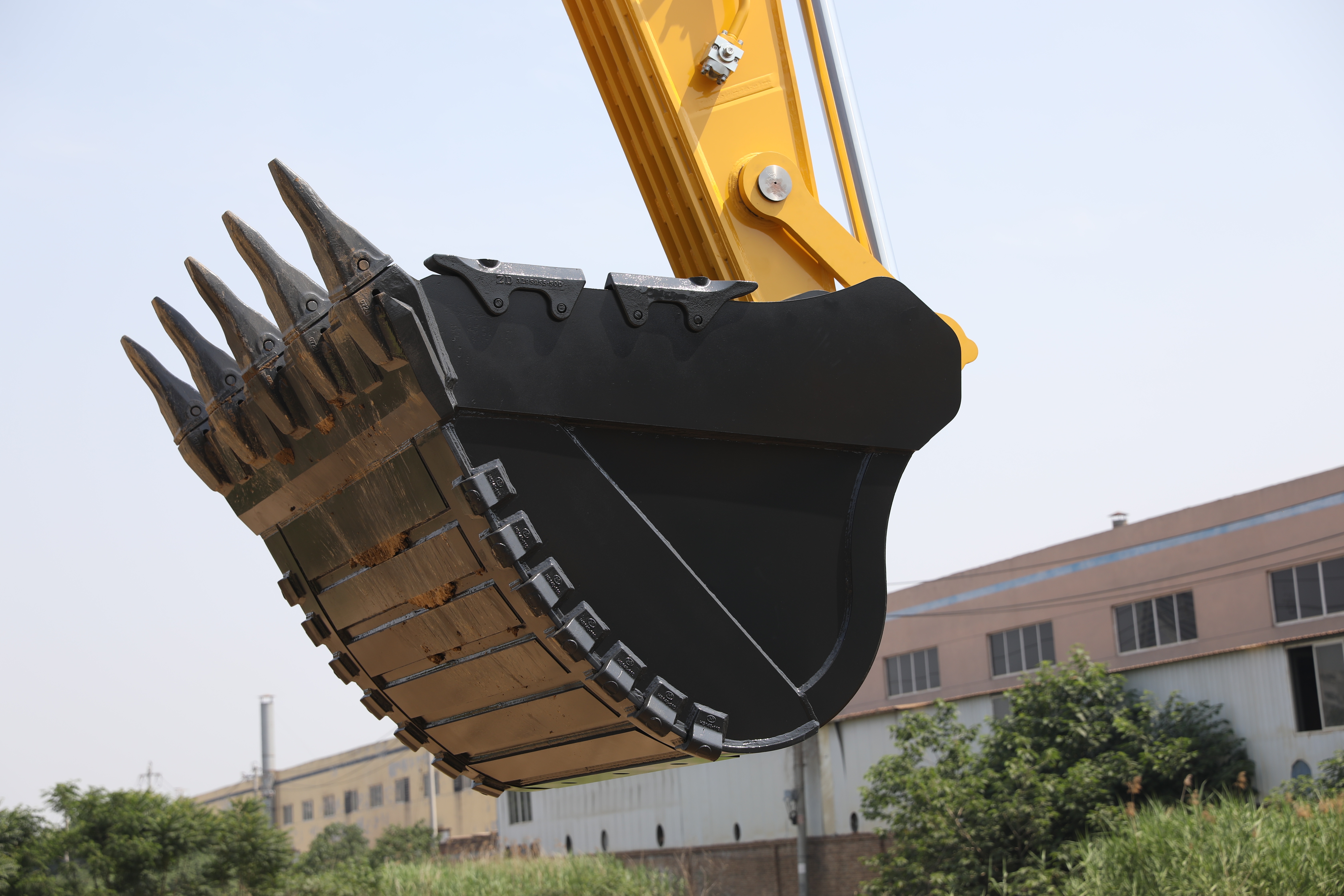
Buckets: Buckets are used for digging, loading, and carrying materials. They come in various sizes and shapes, depending on the application.
Hydraulic Hammers: Hydraulic hammers are used for breaking down concrete, rock, and other hard materials. They are commonly used in demolition and mining projects.
Shears: Shears are used for cutting metal, concrete, and other materials. They are commonly used in demolition and recycling projects.
Grapples: Grapples are used for handling and moving materials, such as logs, debris, and scrap metal. They are commonly used in forestry, recycling, and waste management projects.
Augers: Augers are used for drilling holes in the ground, such as for fence posts, tree planting, and foundation piles.
Maxpower offers a wide range of attachments for its excavators, designed to meet the needs of various applications. Some of the attachments available include:
ME26 Compact Excavator Attachments: Attachments for the ME26 compact excavator include buckets, augers, grapples, and hydraulic hammers.
ME210 Smart Hydraulic Excavator Attachments: Attachments for the ME210 smart hydraulic excavator include buckets, hydraulic hammers, shears, and grapples.
ME800 Electric Excavator Attachments: Attachments for the ME800 electric excavator include buckets, hydraulic hammers, shears, and grapples.
Excavators are highly efficient and productive machines that can complete tasks quickly and accurately. They can dig, lift, and move materials at a much faster rate than manual labor, saving time and reducing costs. Maxpower's excavators are equipped with advanced features, such as intelligent power management and remote diagnostics, which further enhance their efficiency and productivity.
Excavators are versatile machines that can be used for a wide range of applications, from digging foundations to handling materials. They can be equipped with various attachments to adapt to different tasks, making them a valuable asset on any job site.
Excavators are designed with safety in mind, with features such as ROPS (Roll-Over Protective Structure) and FOPS (Falling Object Protective Structure) to protect the operator in case of an accident. They also have advanced safety features, such as collision avoidance systems and backup cameras, to reduce the risk of accidents on the job site.
Excavators are cost-effective machines that can help reduce labor costs and increase productivity. They can complete tasks in less time than manual labor, which means fewer workers are needed on the job site. Additionally, Maxpower's excavators are designed to be durable and reliable, reducing maintenance and repair costs over time.
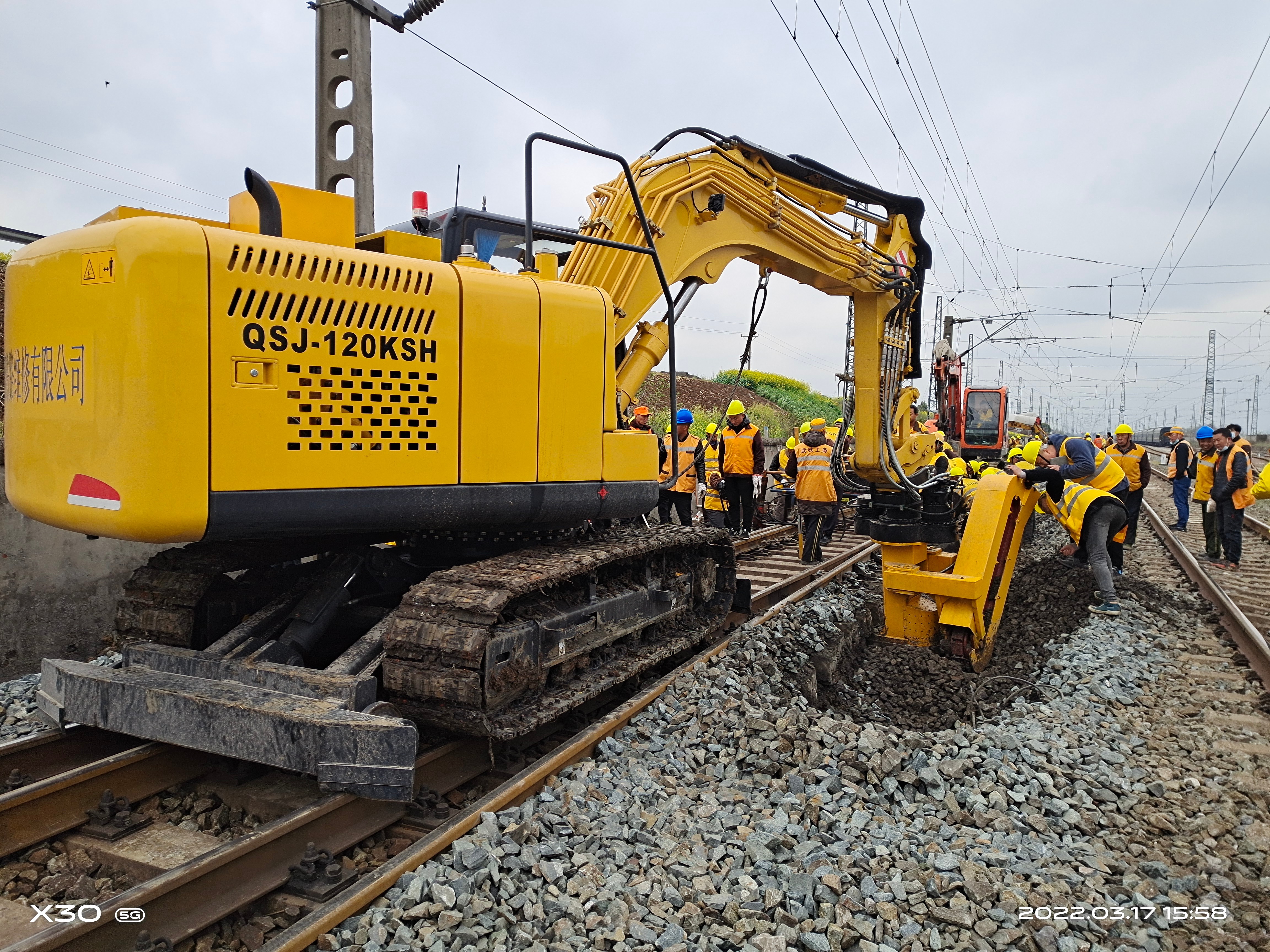
| Model | Type | Horsepower | Weight | Applications |
|---|
| ME26 | Compact Excavator | 15.2 kW | 2.78 tons | Residential landscaping, utility work, small-scale construction |
| ME210 | Smart Hydraulic Excavator | 110 kW | 21 tons | Large-scale construction, digging foundations, demolition |
| ME800 | Electric Excavator | 160 kW | 80 tons | Mining, quarrying, demolition, and large-scale construction |
Excavators are essential machines in the construction industry, used for a wide range of applications, from digging foundations to handling materials. They are highly efficient, versatile, and cost-effective, making them a valuable asset on any job site. Maxpower offers a range of excavator models, including compact, standard, and electric excavators, designed to meet the needs of various applications.
If you're looking for a reliable and efficient excavator for your construction project, consider Maxpower's excavator models. With their advanced features, durability, and versatility, Maxpower's excavators are sure to meet your needs and exceed your expectations.