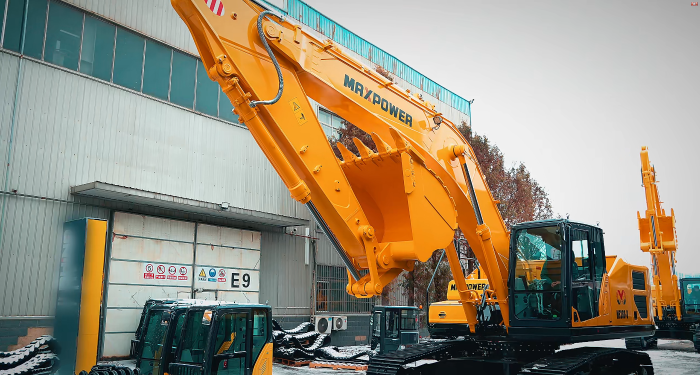
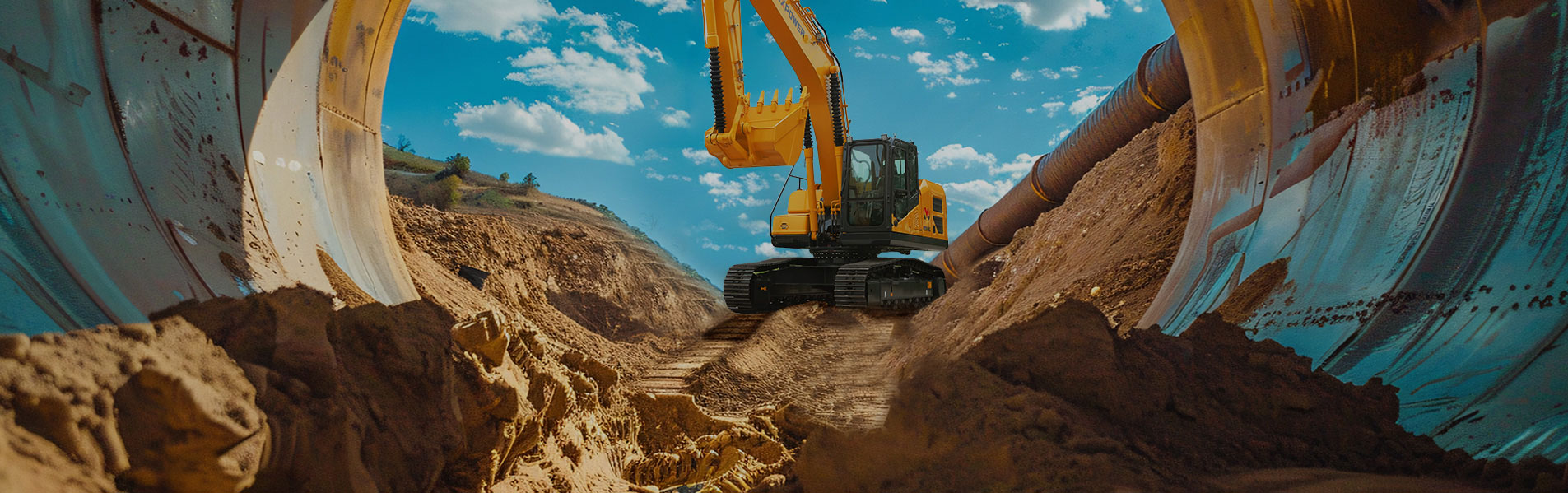
Small excavators have quietly become one of the most important machines on today’s construction sites. While large excavators dominate massive earthmoving projects, small excavators are often the machines that determine whether a job is completed efficiently, safely, and with minimal disruption—especially in urban, residential, and utility-focused environments.
For contractors, rental companies, and project planners, understanding the real capabilities of small excavators is essential. This article explores what small excavators are, how they differ from larger machines, where they perform best, and why they continue to gain popularity across global construction markets. Drawing on practical experience and engineering insight from MAXPOWER, this guide aims to be both informative and genuinely useful.
Secondary keywords naturally covered: small excavators, compact excavator, mini excavator, small construction equipment, excavation machinery
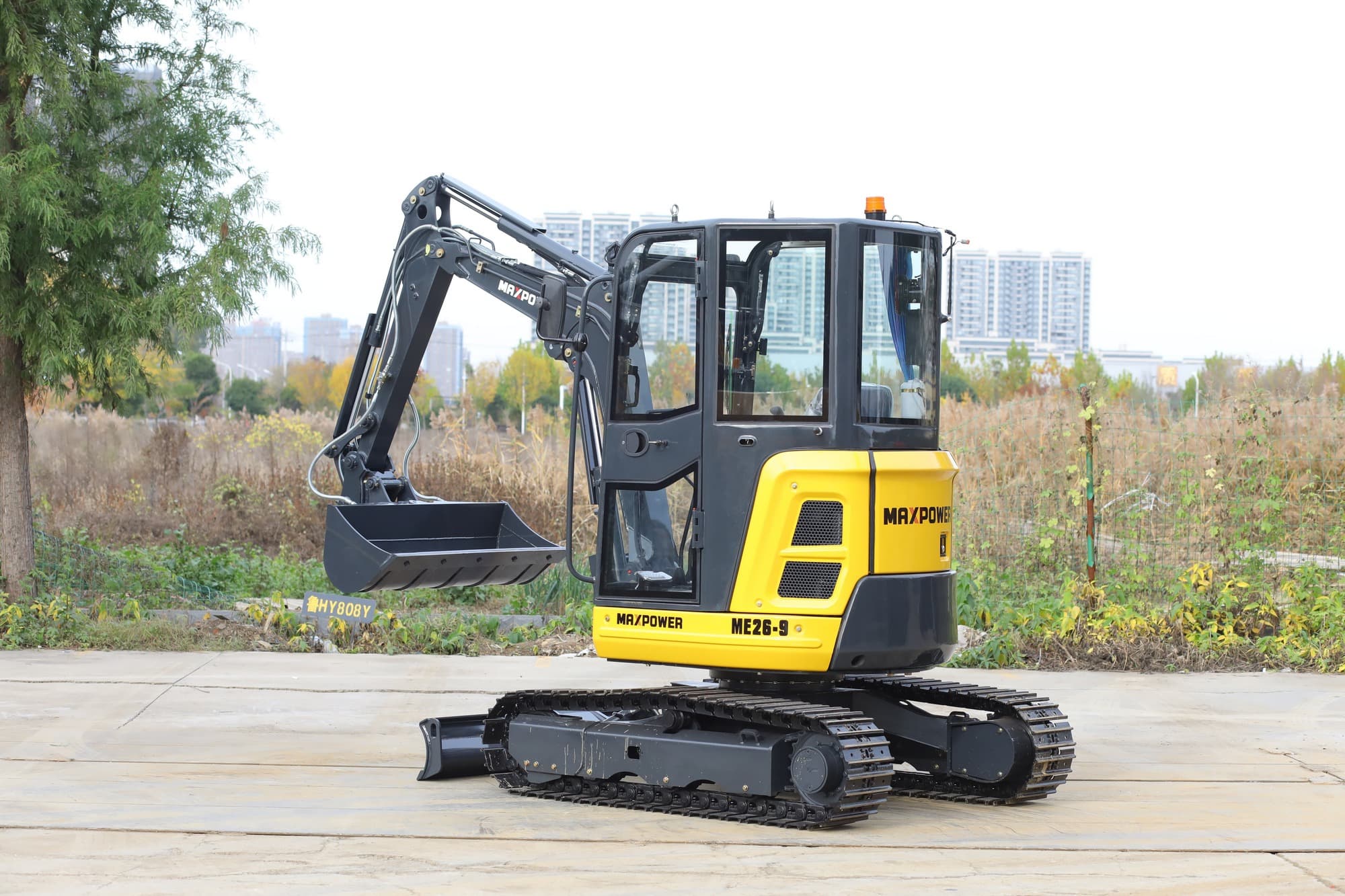
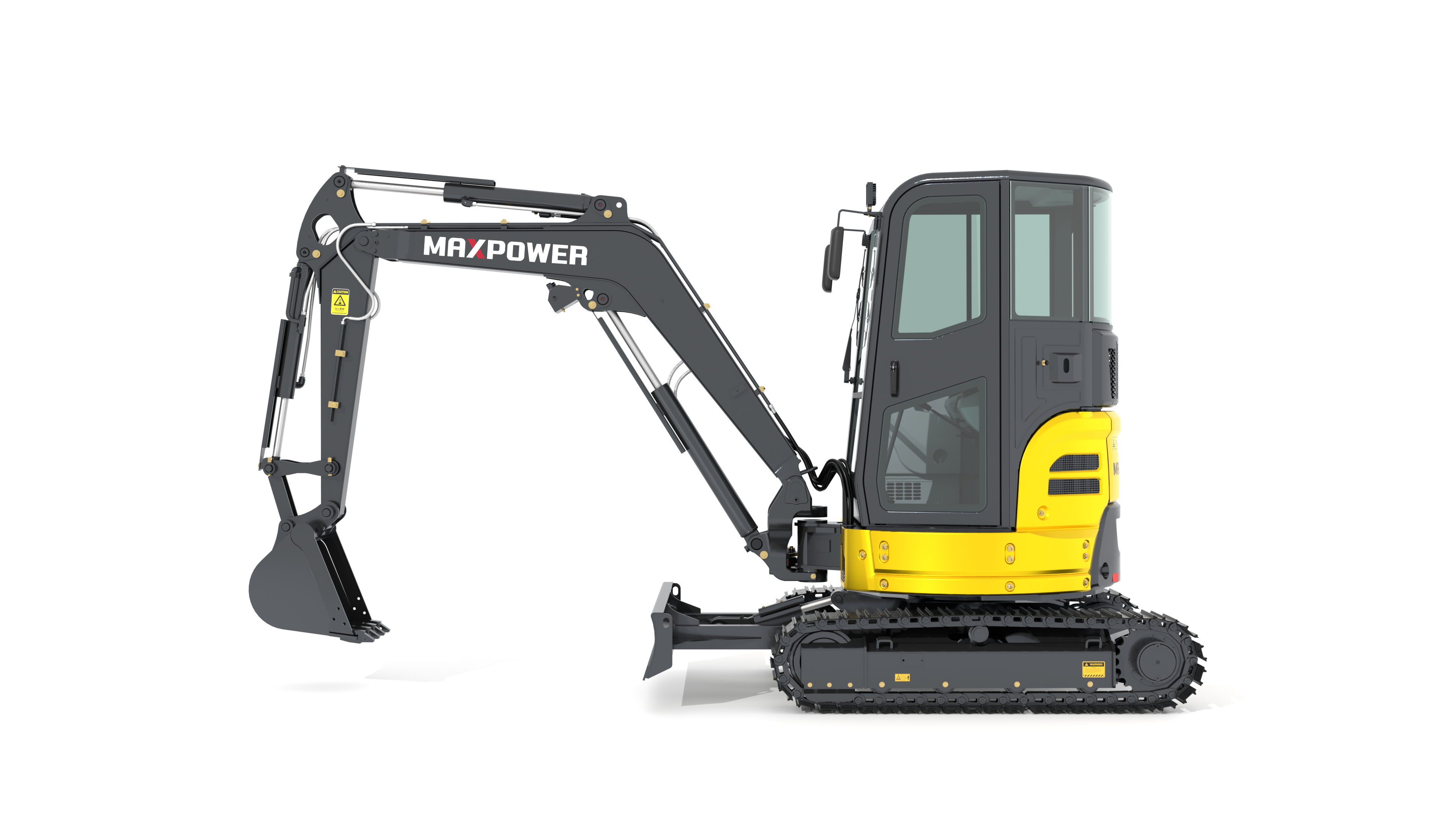
Small excavators—often referred to as compact or mini excavators—are hydraulic digging machines typically weighing under 6 tons. However, defining them purely by weight does not fully capture their purpose.
These machines are designed to operate where space, access, and surface conditions impose limitations. Narrow job sites, finished landscapes, residential neighborhoods, and utility corridors are environments where small excavators excel. Their compact frames, short or zero tail swing designs, and precise hydraulic control allow operators to work close to structures without compromising safety or accuracy.
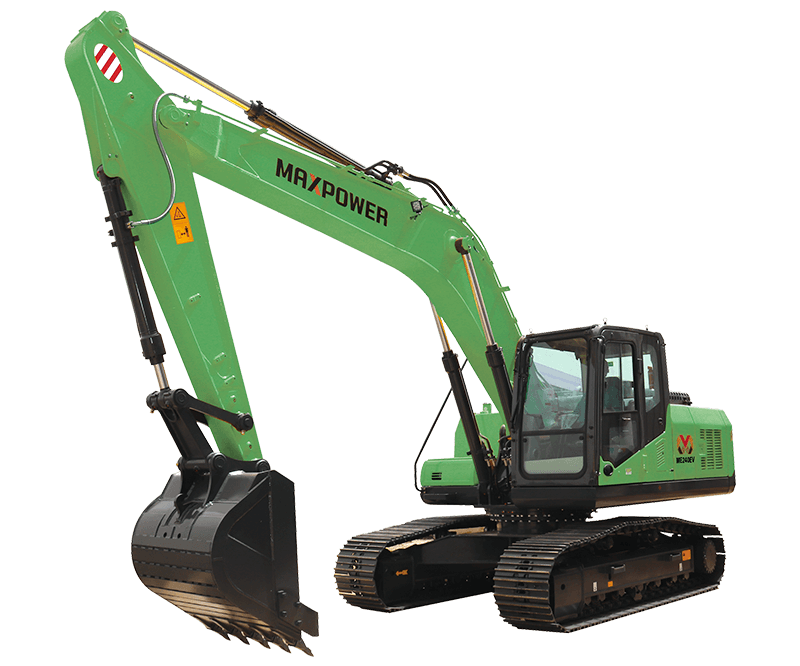
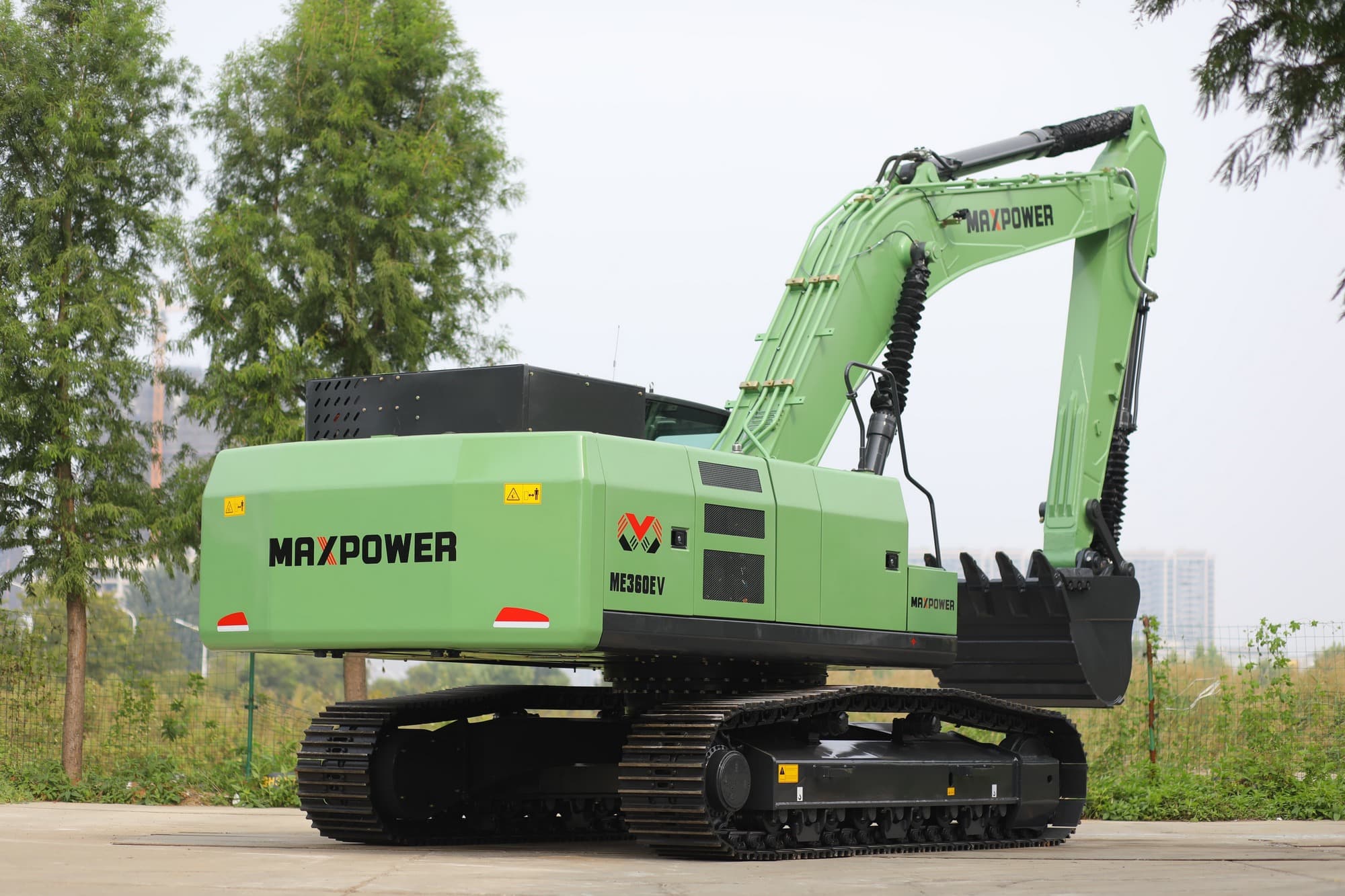
Unlike larger excavators that prioritize raw digging force, small excavators emphasize control, adaptability, and efficiency.
Construction today is increasingly shaped by urbanization, infrastructure upgrades, and environmental constraints. Projects are often smaller in footprint but higher in complexity. In this context, small excavators are no longer secondary machines—they are often central to project execution.
Their importance lies in their ability to reduce site disruption, minimize surface damage, and complete tasks that would be inefficient or impossible for larger equipment. From repairing underground utilities beneath city streets to landscaping around finished properties, small excavators allow work to proceed with precision and minimal impact.
This shift in project requirements explains why demand for small excavators continues to rise worldwide.
Small excavators are used across many industries, but their value becomes most apparent in certain scenarios.
In residential construction, they are frequently used for foundation preparation, drainage installation, swimming pool excavation, and garden landscaping. Their size allows access through narrow gates and between buildings.
In utility and municipal work, small excavators are essential for trenching water lines, sewer pipes, electrical conduits, and fiber-optic cables. Precise control reduces the risk of damaging existing infrastructure.
In urban construction and road maintenance, small excavators help complete repairs without shutting down large areas or requiring extensive traffic management.
Agricultural and rural users also rely on small excavators for ditch cleaning, land leveling, fencing, and light forestry work, where mobility and versatility are critical.
The benefits of small excavators go beyond size alone.
Transportation is simpler and less expensive, often requiring only a light trailer rather than specialized heavy-haul equipment. Operating costs are lower due to reduced fuel consumption and simpler maintenance requirements. Rubber tracks help protect paved surfaces, making these machines suitable for finished environments.
From an operator’s perspective, modern small excavators offer improved ergonomics, intuitive controls, and excellent visibility. This not only increases productivity but also reduces fatigue during long working hours.
For many contractors, these advantages translate directly into higher profitability.
Choosing between a small excavator and a larger model is not simply about power—it is about suitability.
| Aspect | Small Excavators | Large Excavators |
|---|---|---|
| Operating Environment | Confined, urban, residential | Open, large-scale sites |
| Precision | Very high | Moderate |
| Transport Requirements | Simple, low-cost | Complex, high-cost |
| Operating Costs | Lower | Higher |
| Ideal Project Size | Small to medium | Large-scale earthmoving |
Small excavators are not replacements for large machines, but in the right context, they are far more effective.
One reason small excavators are so widely adopted is their compatibility with multiple attachments. With the right tools, a single machine can handle digging, breaking, lifting, and material handling tasks.
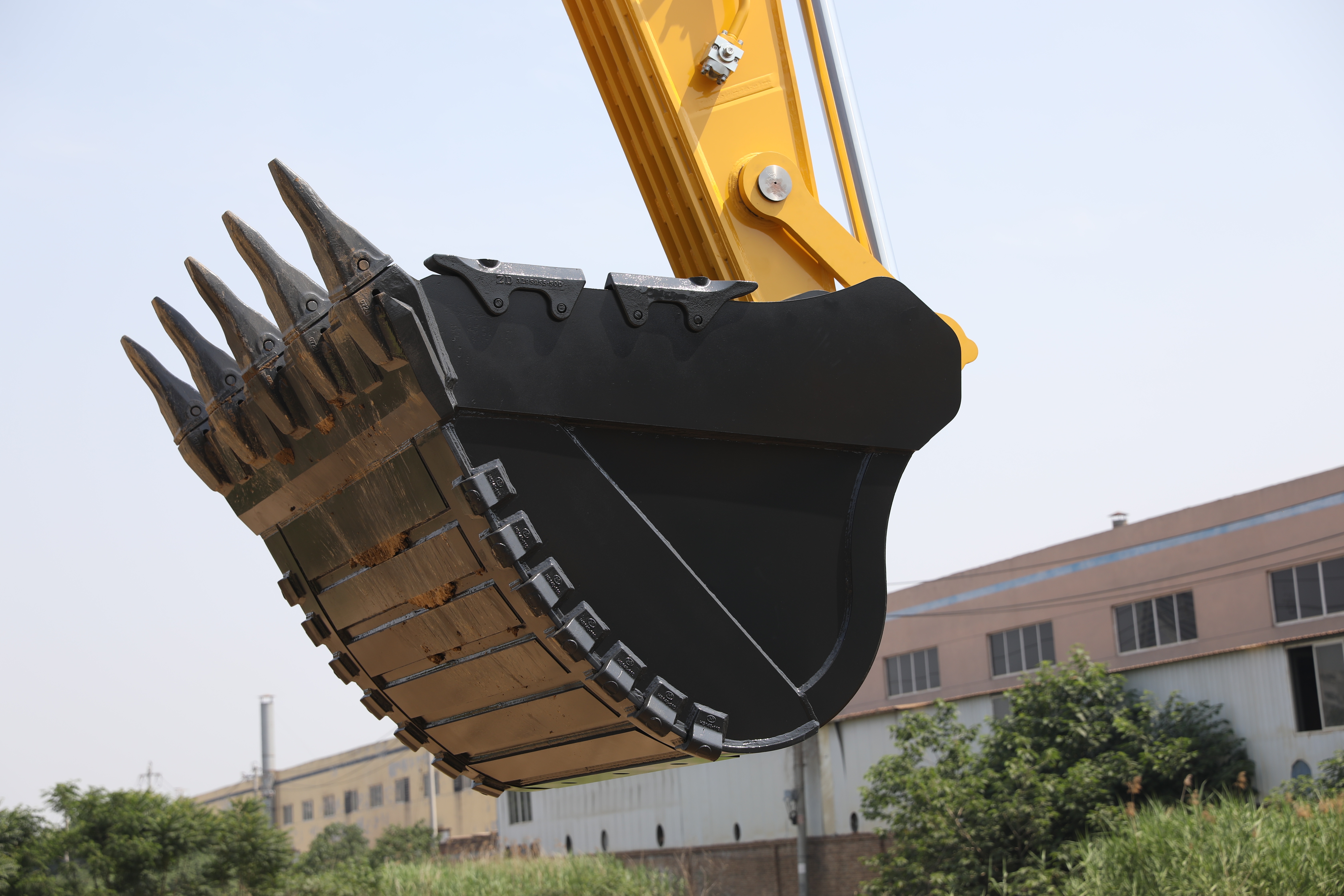
Common attachments include trenching buckets, grading buckets, hydraulic breakers for concrete and asphalt, augers for drilling holes, and grapples for debris or material handling. Quick coupler systems allow operators to switch attachments efficiently, reducing downtime.
This versatility is particularly valuable for contractors managing varied tasks on the same project.
Selecting a small excavator requires more than choosing the smallest or cheapest option. Key considerations include required digging depth, lift capacity, hydraulic flow, job site access, and ground conditions.
Contractors should also evaluate machine durability, ease of maintenance, and manufacturer support. A well-designed small excavator should balance compact dimensions with reliable hydraulic performance and long-term durability.
Manufacturers like MAXPOWER focus on building small excavators that meet these practical requirements, ensuring consistent performance across diverse applications.
Like all construction machinery, small excavators require regular maintenance to perform reliably. Daily checks of hydraulic systems, track condition, and fluid levels help prevent unexpected downtime.
Scheduled servicing—including oil changes, filter replacements, and system inspections—extends machine lifespan and maintains efficiency. Because small excavators are often used frequently and in tight environments, proper maintenance is especially important.
Reliable machines combined with disciplined maintenance practices deliver the best long-term value.
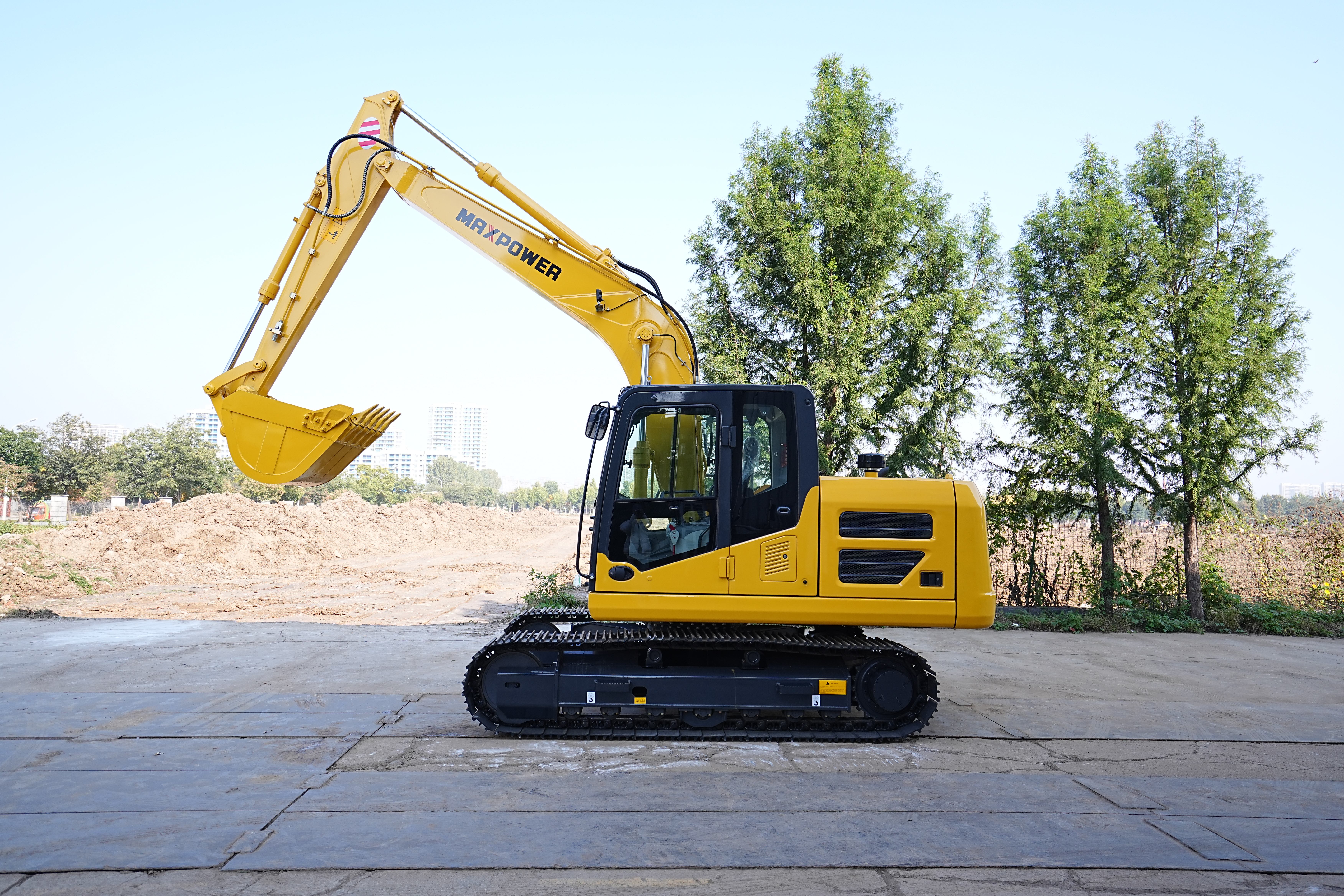
From a financial perspective, small excavators are often among the most cost-effective machines in a contractor’s fleet. Lower acquisition costs, reduced fuel usage, and high utilization rates contribute to strong returns on investment.
For rental companies, small excavators are consistently in demand due to their versatility and ease of use. For contractors, they provide flexibility without the overhead associated with larger equipment.
Small excavators play a critical role in today’s construction landscape. Their compact size, precision control, and adaptability make them indispensable for projects where space, efficiency, and surface protection matter.
By understanding how small excavators are used, what advantages they offer, and how to choose the right model, contractors can significantly improve productivity and project outcomes. With thoughtfully engineered solutions from MAXPOWER, small excavators deliver reliable performance where it matters most.
What is considered a small excavator?
A small excavator is typically a compact hydraulic excavator weighing under 6 tons.
What are small excavators mainly used for?
They are commonly used for trenching, landscaping, utility installation, and residential construction.
Are small excavators suitable for urban projects?
Yes, they are ideal for confined and urban environments.
Can small excavators use attachments?
Yes, they support a wide range of attachments for different tasks.
Are small excavators cost-effective?
Yes, they offer lower operating costs and high versatility.