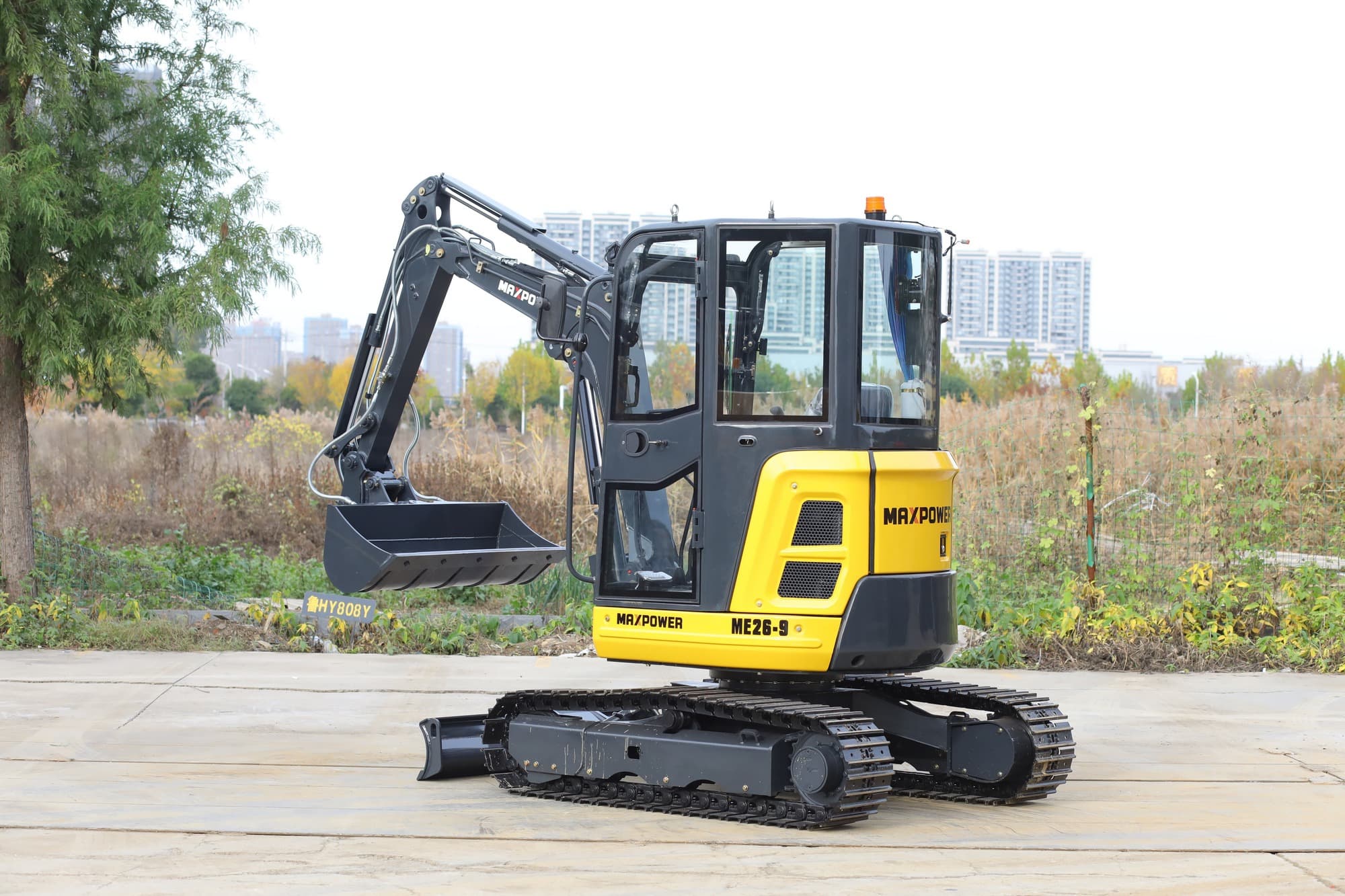
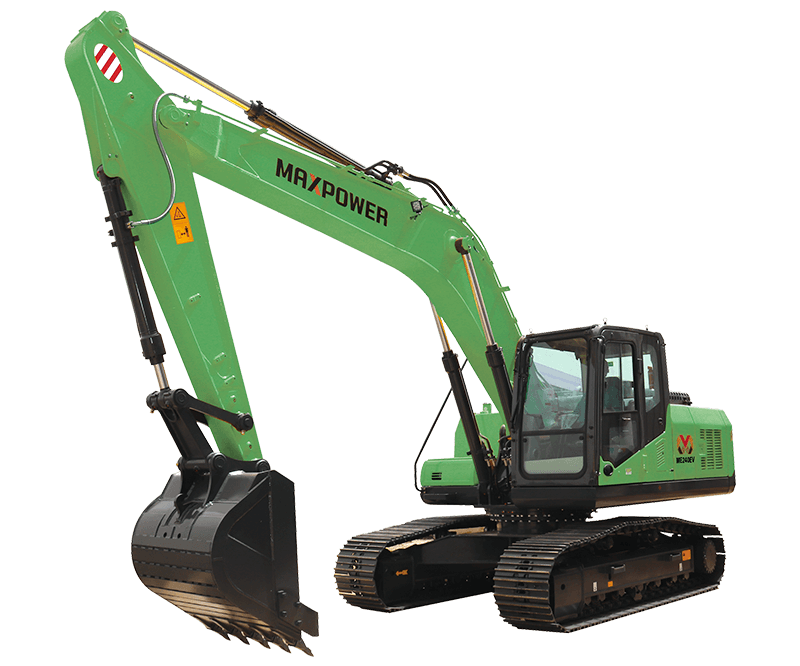
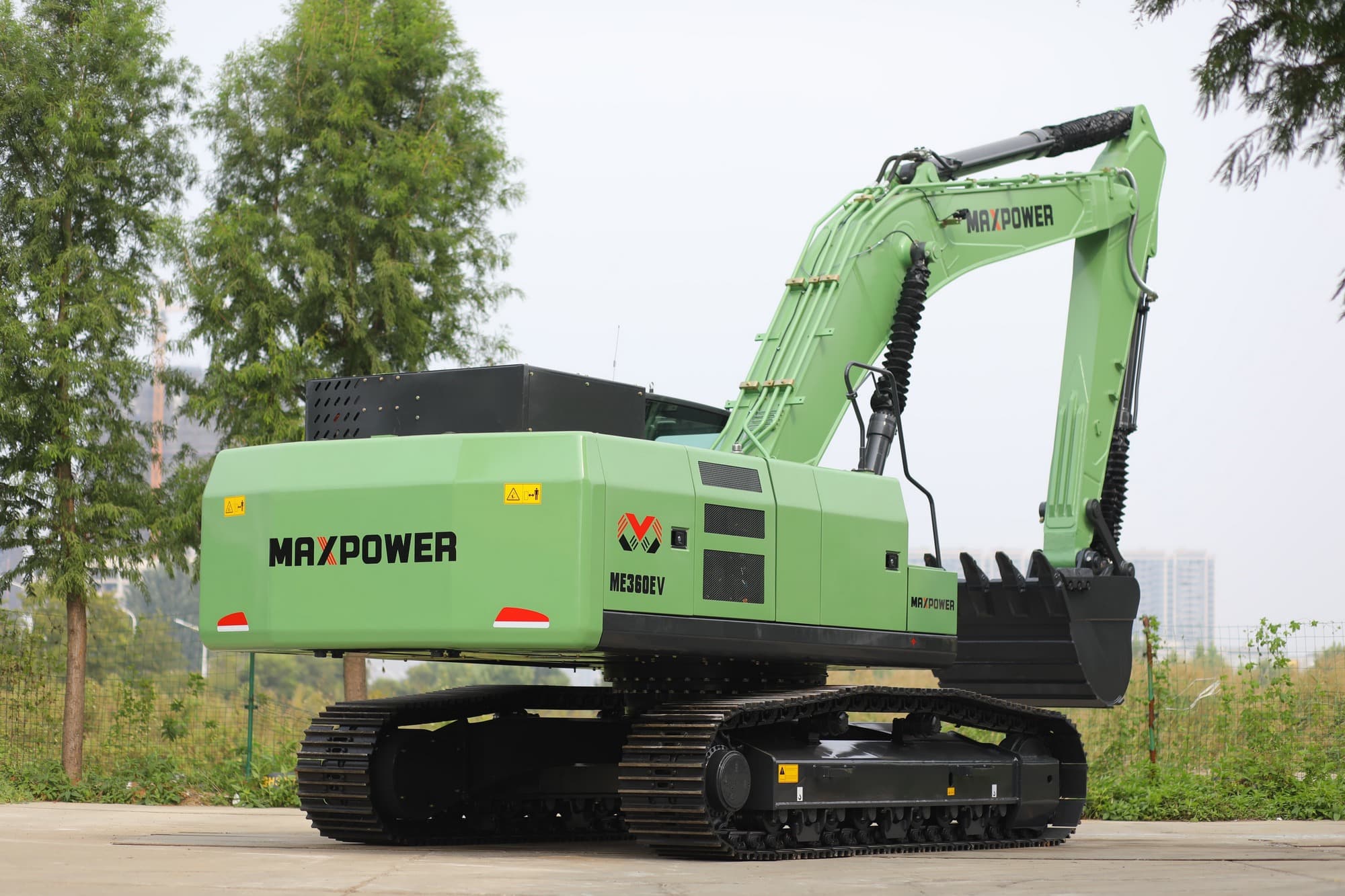
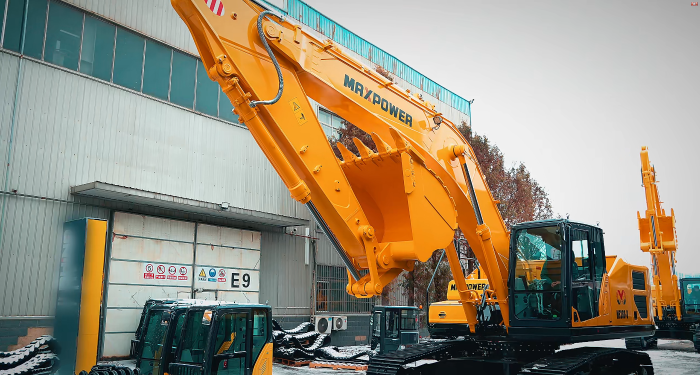
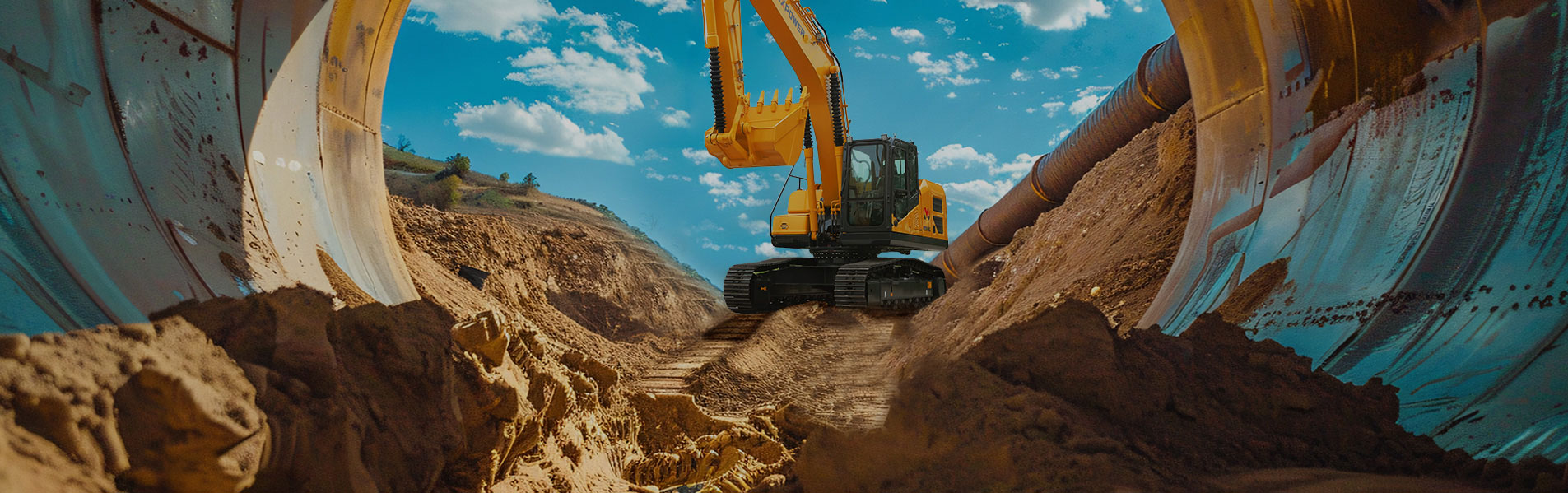
A mini excavator is already one of the most versatile machines in construction. But what truly unlocks its full potential is the range of attachments available.
With the right attachment, a single mini excavator can handle digging, grading, demolition, drilling, lifting, and more. For contractors looking to maximize equipment utilization, understanding mini excavator attachments is essential.
In this guide, we explain the most common attachment types, their applications, and how to choose the right setup for your projects.
Mini excavators are compact and maneuverable, but their base configuration is designed primarily for digging. Attachments transform the machine into a multi-function tool capable of handling diverse job-site tasks.
Using attachments strategically can:
Increase productivity
Reduce the need for additional equipment
Lower overall project costs
Expand service offerings
For contractors, this flexibility directly improves return on investment.
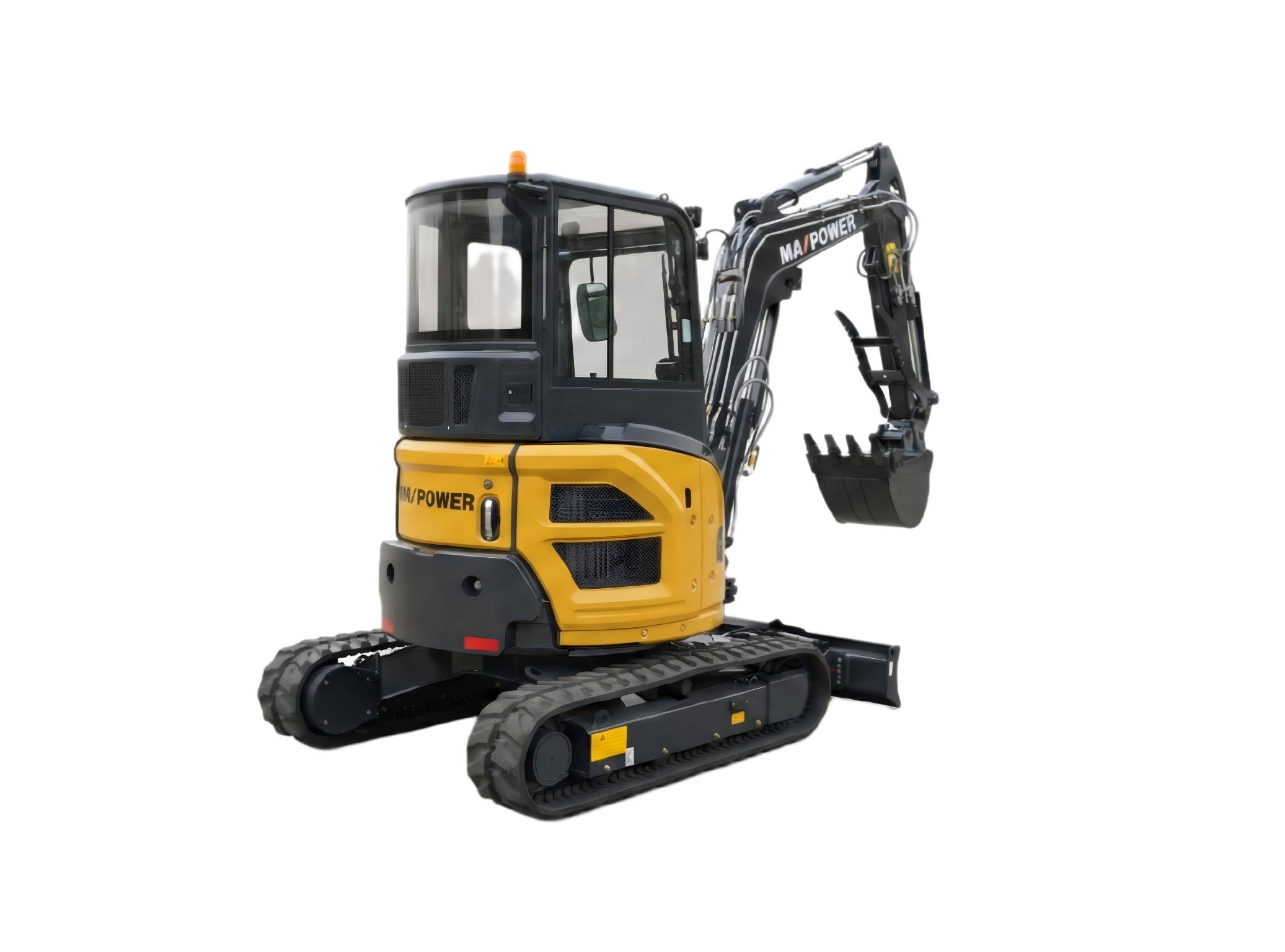
Below is a breakdown of widely used mini excavator attachments and their primary functions.
| Attachment Type | Main Function | Ideal Applications |
| Standard Bucket | General digging and loading | Foundations, soil removal |
| Trenching Bucket | Narrow, precise trenching | Utility installation |
| Grading Bucket | Surface leveling and shaping | Landscaping, finishing work |
| Hydraulic Breaker | Breaking concrete and rock | Demolition |
| Auger | Drilling holes | Fence posts, foundations |
| Thumb Attachment | Gripping and lifting materials | Rock placement, debris handling |
Each attachment serves a distinct purpose, and selecting the right combination depends on your workload profile.
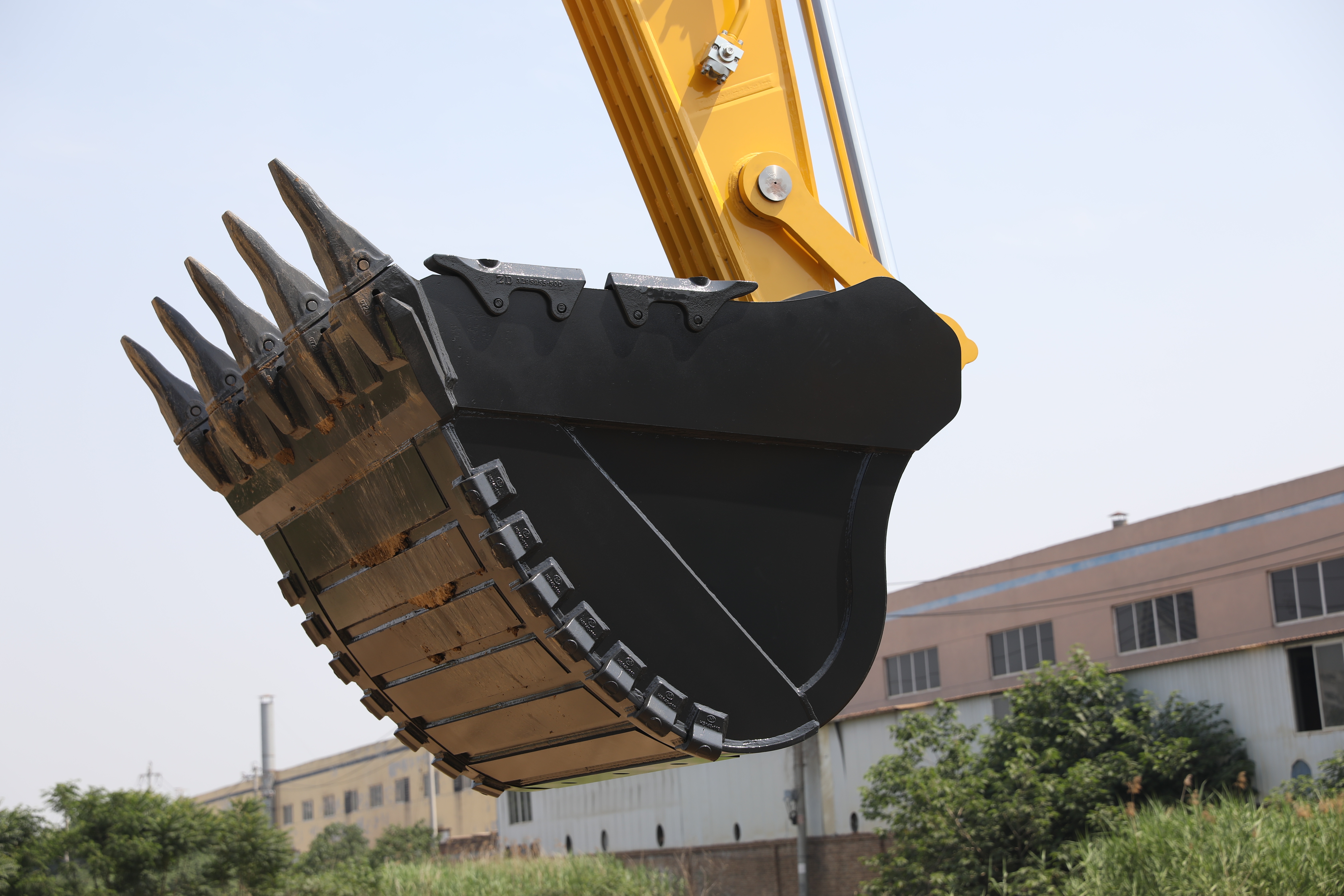
The standard bucket is the most frequently used attachment. It is designed for general excavation tasks such as trenching and foundation digging.
Trenching buckets are narrower, allowing operators to dig clean, consistent trenches with minimal soil displacement. They are widely used in water, drainage, and electrical installations.
Grading buckets are wider and optimized for surface finishing, slope shaping, and site preparation.
For contractors focused on landscaping or finish work, grading buckets significantly improve efficiency.
Hydraulic breakers allow mini excavators to perform light demolition work. They are used for breaking concrete slabs, sidewalks, and small rock formations.
When paired with a compact excavator, breakers enable controlled demolition in tight urban environments where larger equipment cannot operate safely.
Auger attachments convert a mini excavator into a drilling solution. They are commonly used for:
Fence installation
Pole placement
Foundation support drilling
Augers reduce manual labor and improve hole consistency.
Thumb attachments add gripping capability to a mini excavator. This is especially useful for handling irregular objects such as rocks, logs, or construction debris.
For contractors involved in landscaping or site clearing, thumbs increase efficiency and reduce the need for additional machinery.
Selecting attachments requires evaluating your primary business activities.
If most of your work involves trenching and utility installation, investing in trenching buckets and augers makes sense.
If your projects frequently include demolition, a hydraulic breaker may be essential.
For landscaping contractors, grading buckets and thumbs offer practical advantages.
Choosing attachments should align with your revenue-generating tasks rather than occasional jobs.
Not all attachments fit every mini excavator model. Hydraulic flow rate and mounting compatibility must match machine specifications.
When evaluating attachments, consider:
Hydraulic capacity
Coupler type
Weight balance
Application intensity
Improper matching can reduce performance or increase wear.
MAXPOWER designs mini excavators with attachment compatibility and real-world flexibility in mind. Strong hydraulic systems, durable structures, and efficient control layouts allow operators to switch between attachments with confidence.
Whether the job involves trenching, grading, demolition, or material handling, MAXPOWER compact equipment is engineered to support diverse construction environments.
By investing in a versatile machine and the right attachments, contractors can expand capabilities without increasing fleet size.
Mini excavator attachments significantly expand what a compact machine can accomplish. From precision trenching to light demolition and drilling, the right tools transform a mini excavator into a highly adaptable job-site asset.
For contractors aiming to maximize efficiency and profitability, understanding attachment options is as important as choosing the machine itself.
Selecting a well-designed mini excavator, such as those offered by MAXPOWER, ensures compatibility, durability, and long-term performance across multiple applications.
What attachments can a mini excavator use?
Common attachments include buckets, breakers, augers, grading tools, and thumb attachments.
Can mini excavators handle demolition?
Yes, when equipped with a hydraulic breaker for light demolition tasks.
Are attachments interchangeable between models?
Compatibility depends on hydraulic capacity and mounting systems.
Why are attachments important?
They increase versatility, improve productivity, and reduce the need for additional equipment.