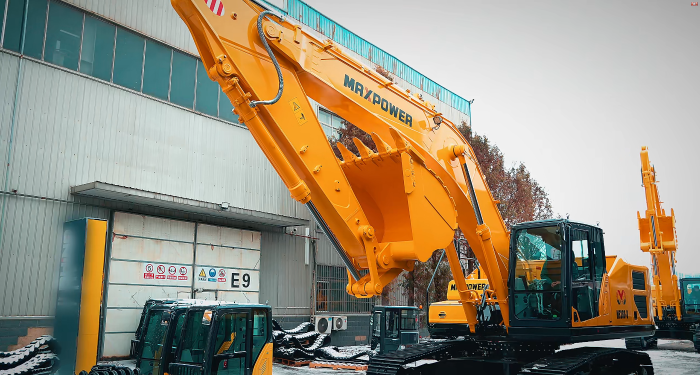
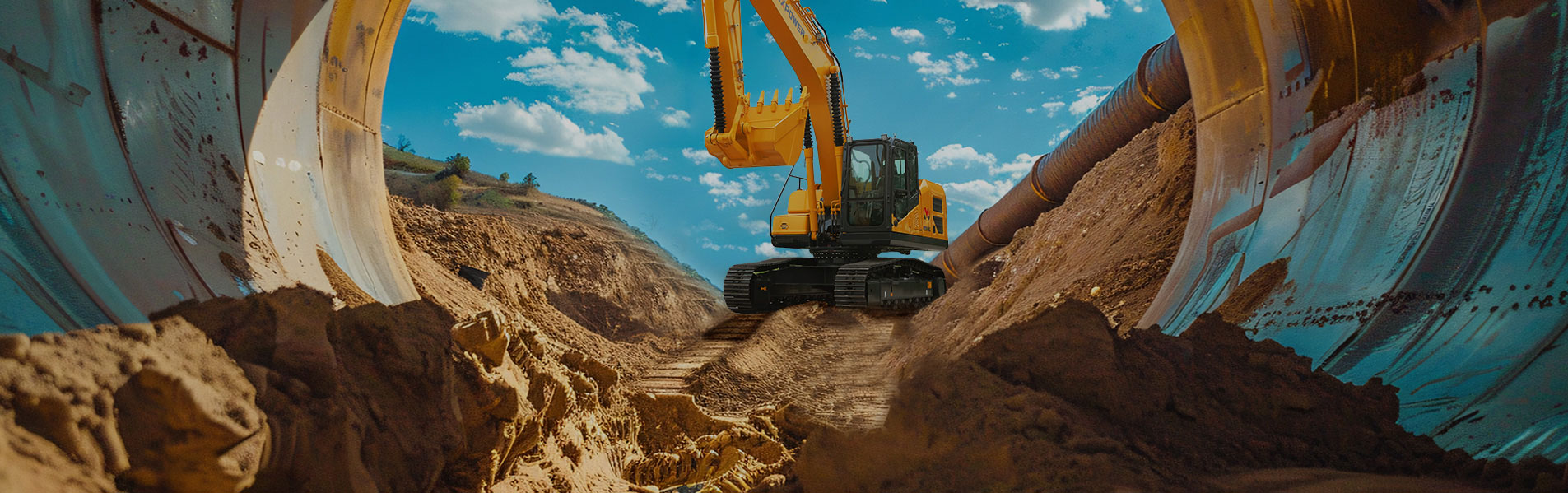
Land clearing is one of the first and most important steps in many construction and development projects. Before building roads, homes, farms, or commercial facilities, the land must be cleared of trees, stumps, rocks, and debris.
While manual labor can handle small tasks, large-scale land clearing requires powerful and reliable machinery. Excavators are widely used for this purpose because they provide the digging strength, reach, and versatility needed to remove obstacles efficiently.
In this guide, we explore how excavators are used for land clearing, the best attachments for the job, and why compact excavators are becoming increasingly popular for site preparation projects.
Land clearing often involves removing vegetation, breaking up roots, and moving heavy debris. Excavators are designed to perform these tasks efficiently thanks to their hydraulic power and flexible arm movement.
Compared with other construction equipment, excavators provide several advantages for land clearing:
Strong digging force for root removal
Flexible arm movement for precise control
Compatibility with multiple attachments
Ability to operate in uneven terrain
Because of these features, excavators can handle both small residential projects and large-scale site development.
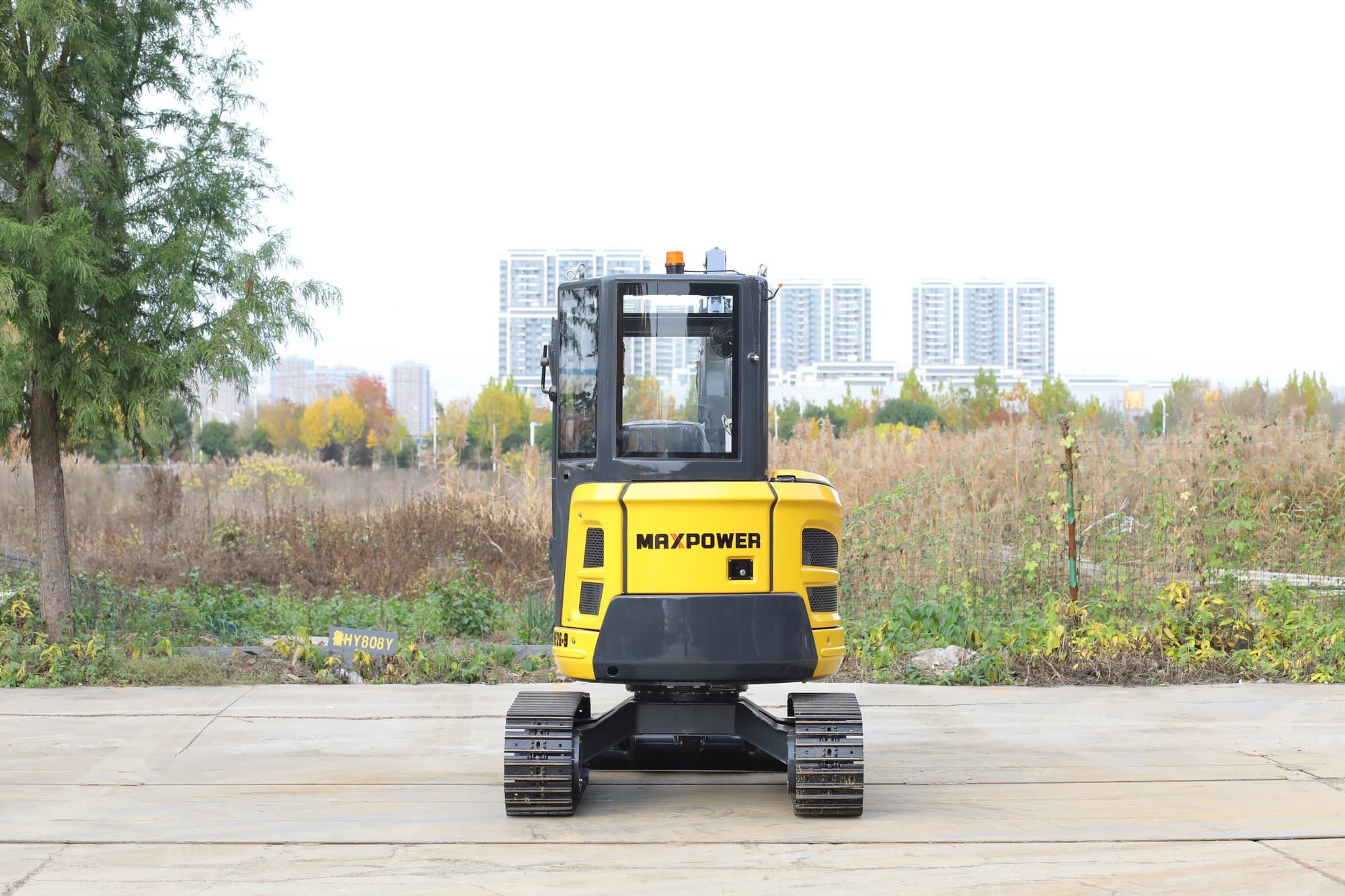
Excavators can perform many different tasks during the land clearing process. Their versatility allows contractors to complete multiple operations using a single machine.
One of the primary tasks in land clearing is removing trees and vegetation. Excavators can dig around tree roots, loosen the soil, and safely remove trees from the ground.
This process is much faster and safer than cutting trees manually.
Tree stumps can create serious obstacles for construction projects. Excavators can dig around the stump and pull it out along with the root system.
Removing stumps properly ensures that the land remains stable for future construction.
Construction sites often contain rocks and buried debris that must be removed before building can begin. Excavators equipped with suitable attachments can lift and relocate heavy materials efficiently.
After clearing vegetation and debris, excavators are used to reshape the land surface. This step prepares the site for grading, road construction, or foundation work.
Different attachments allow excavators to perform specialized land clearing tasks. Choosing the right attachment can greatly improve productivity.
| Attachment | Function | Land Clearing Application |
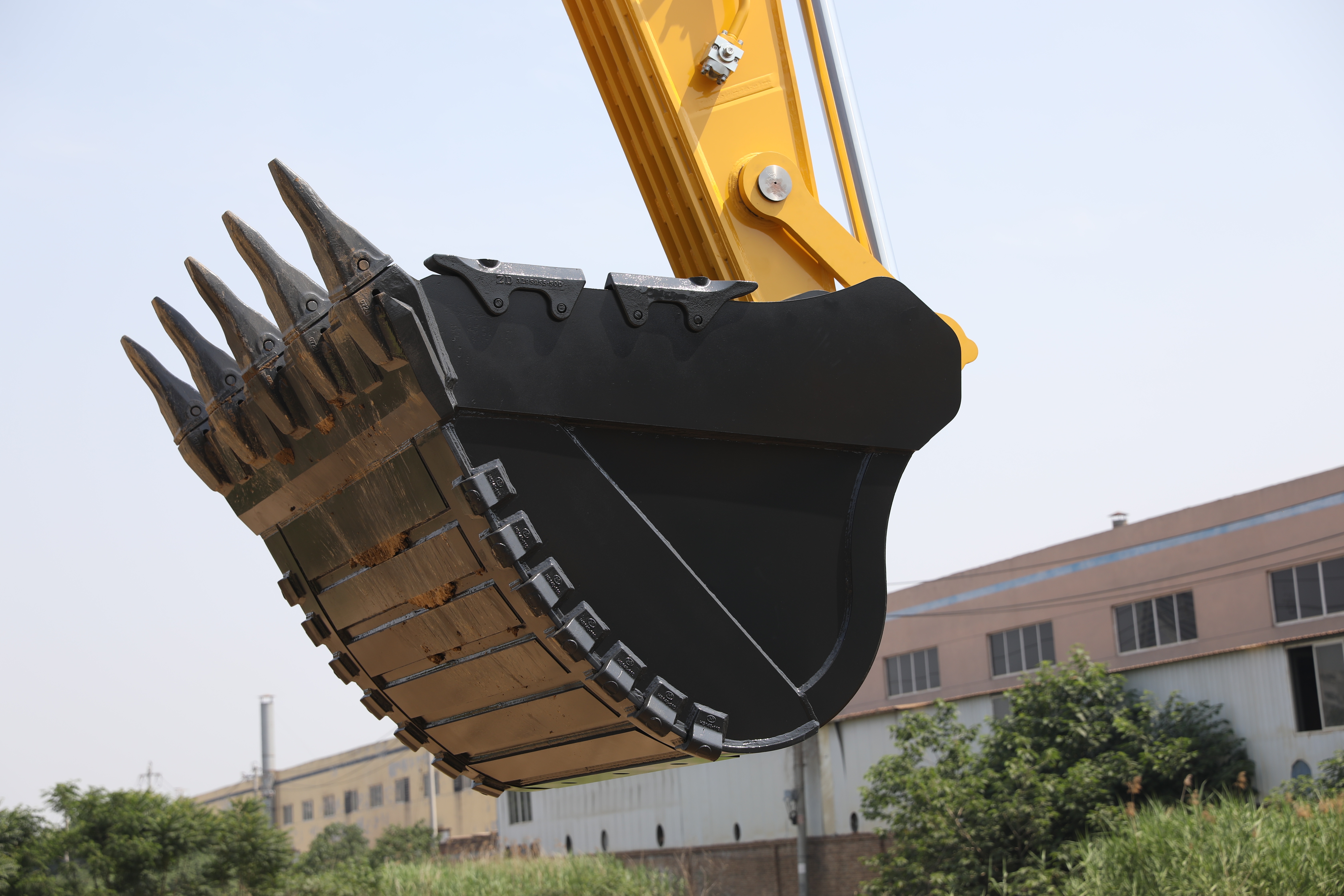
| Digging Bucket | General excavation | Soil and root removal |
| Root Rake | Separating roots and debris | Vegetation clearing |
| Hydraulic Thumb | Gripping materials | Log and rock handling |
| Grapple | Moving large debris | Tree and brush removal |
| Hydraulic Breaker | Breaking hard surfaces | Rock removal |
Using the correct attachments allows operators to clear land more efficiently and safely.
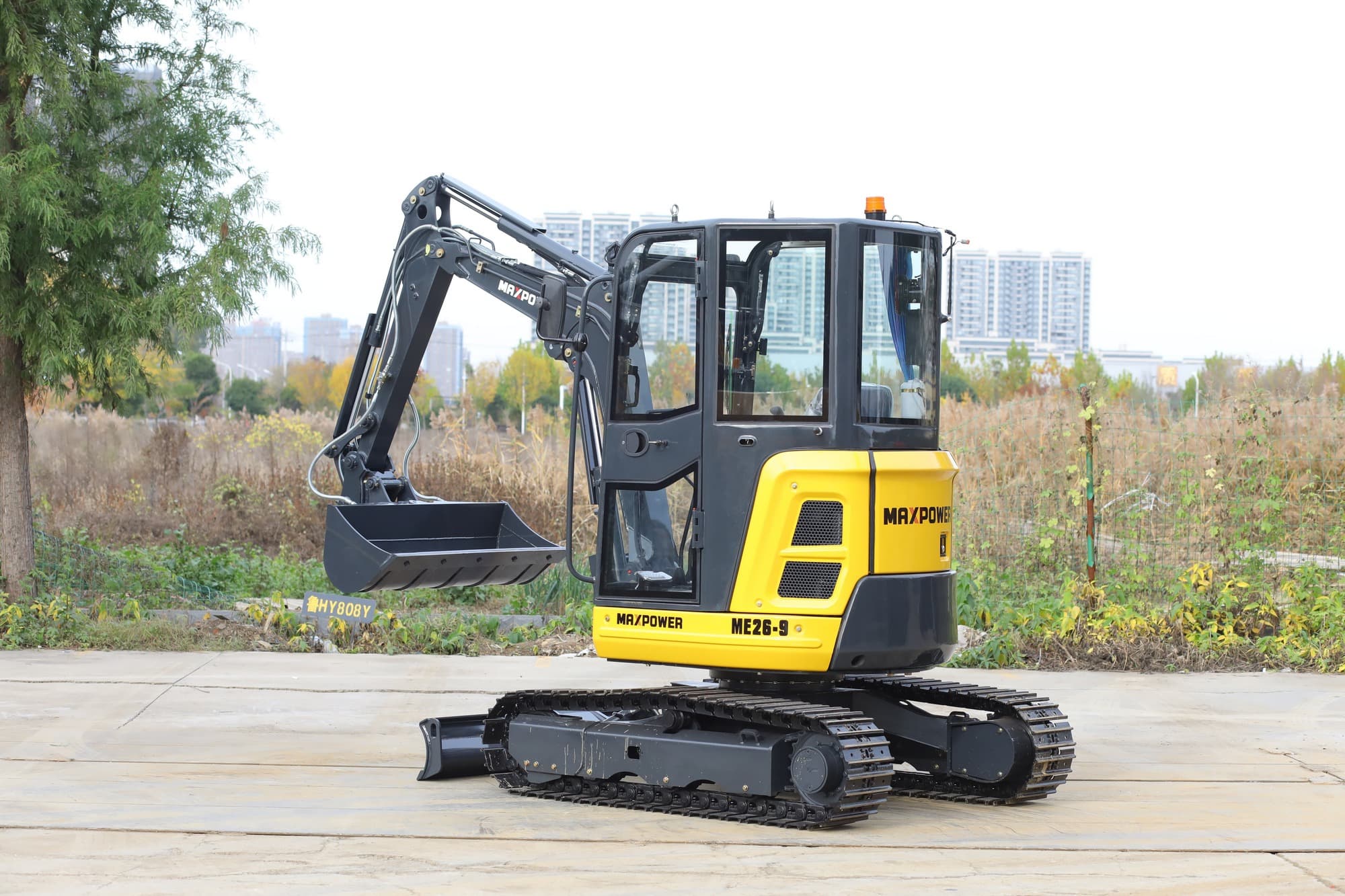
Although large excavators are used for heavy land clearing operations, mini excavators are often the better option for smaller projects.
Mini excavators provide several advantages in residential and agricultural environments:
They can access narrow areas
They cause less ground disturbance
They are easier to transport
They offer precise control
These features make mini excavators suitable for clearing farmland, residential lots, and small construction sites.
Land clearing can involve unpredictable conditions such as hidden roots, buried rocks, and uneven terrain. Proper equipment operation is essential for maintaining safety.
Operators should follow several important practices:
Inspect the site before excavation
Use appropriate attachments for the task
Maintain stable machine positioning
Keep a safe distance from falling trees
Following these precautions helps ensure safe and efficient project execution.
Using excavators significantly speeds up the land clearing process. Tasks that would normally require several workers and many hours of labor can be completed quickly with hydraulic machinery.
Excavators also allow operators to control how much soil is removed, helping preserve the natural landscape when necessary.
For contractors working on tight schedules, this level of efficiency can make a significant difference.
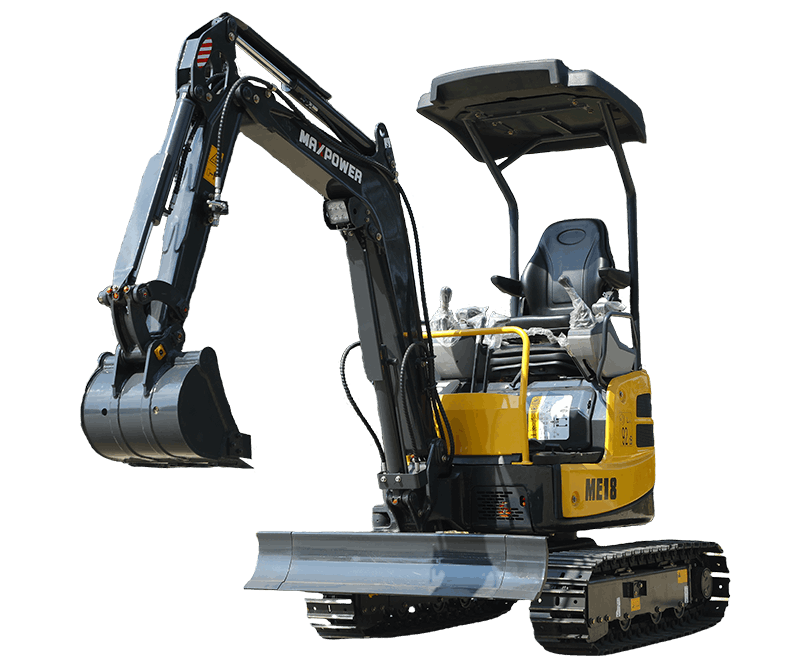
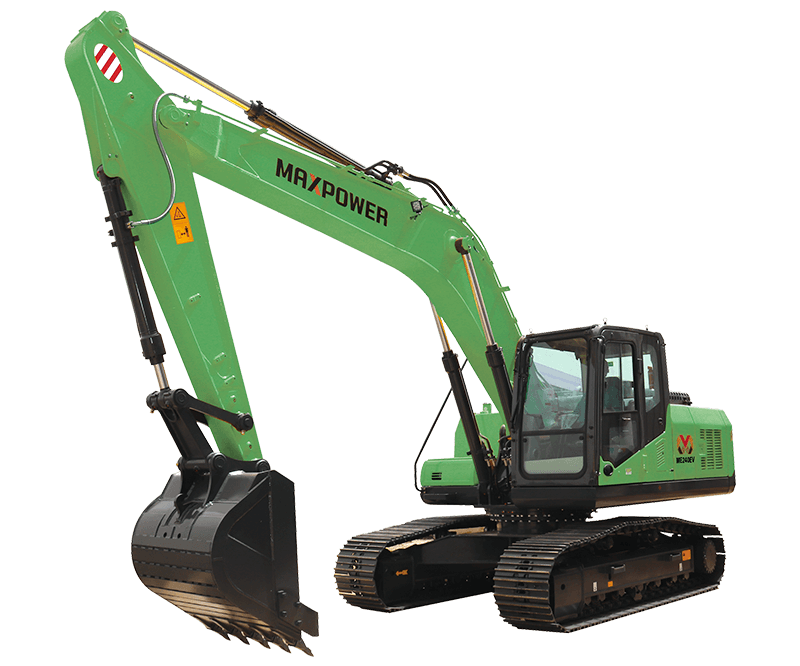
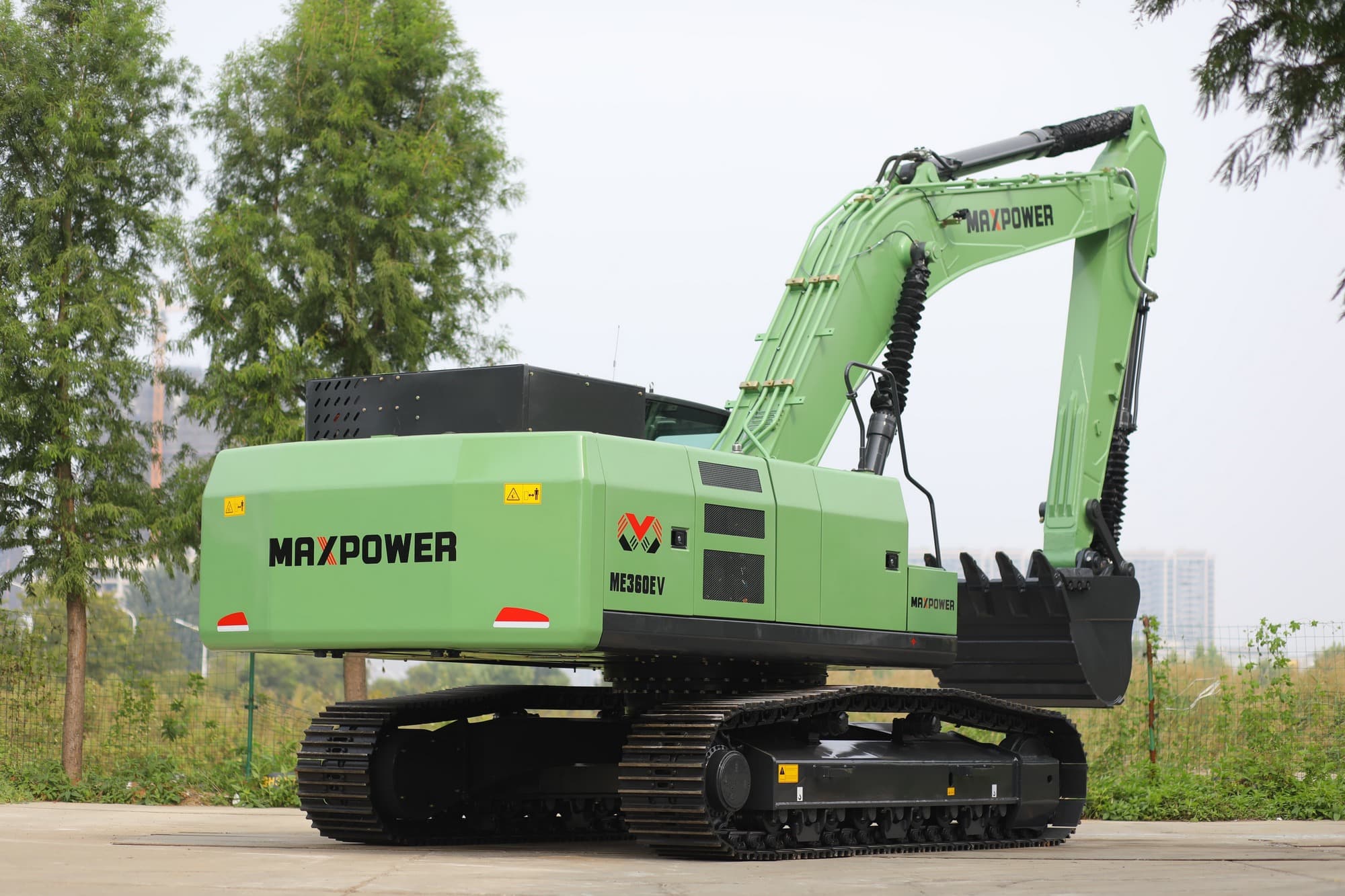
MAXPOWER excavators are designed to deliver reliable performance across a wide range of construction applications, including land clearing.
Their powerful hydraulic systems, durable structures, and compatibility with multiple attachments allow operators to handle challenging terrain and heavy materials with confidence.
Whether clearing farmland, preparing residential building sites, or removing vegetation for infrastructure projects, MAXPOWER excavators provide the strength and flexibility required for efficient land preparation.
Land clearing is a crucial step in many construction and development projects, and excavators are among the most effective machines for completing this work.
From removing trees and stumps to clearing rocks and preparing the ground surface, excavators provide the power and versatility needed for efficient site preparation.
By choosing the right attachments and reliable equipment such as MAXPOWER excavators, contractors can improve productivity, reduce labor requirements, and complete land clearing projects more efficiently.
What equipment is best for land clearing?
Excavators are widely used because they can remove trees, stumps, and debris efficiently.
Can mini excavators clear land?
Yes, mini excavators are ideal for smaller land clearing projects and residential sites.
What attachment is used for root removal?
Root rakes and digging buckets are commonly used for removing roots.
Can excavators remove tree stumps?
Yes, excavators can dig around and lift stumps along with their root systems.
Why use excavators for land clearing?
They provide strong digging power, versatility, and faster project completion.