Maxpower Construction Machinery Manufacturer




Large-scale dam construction is among the most complex engineering projects in the world. From river diversion and foundation excavation to slope stabilization and spillway construction, every stage requires heavy equipment capable of delivering consistent performance under demanding conditions.
Excavators are indispensable throughout dam construction because they combine excavation power, material handling capability, and operational flexibility. Whether preparing the foundation for a concrete gravity dam or excavating channels for water diversion, contractors depend on excavators to keep projects on schedule.
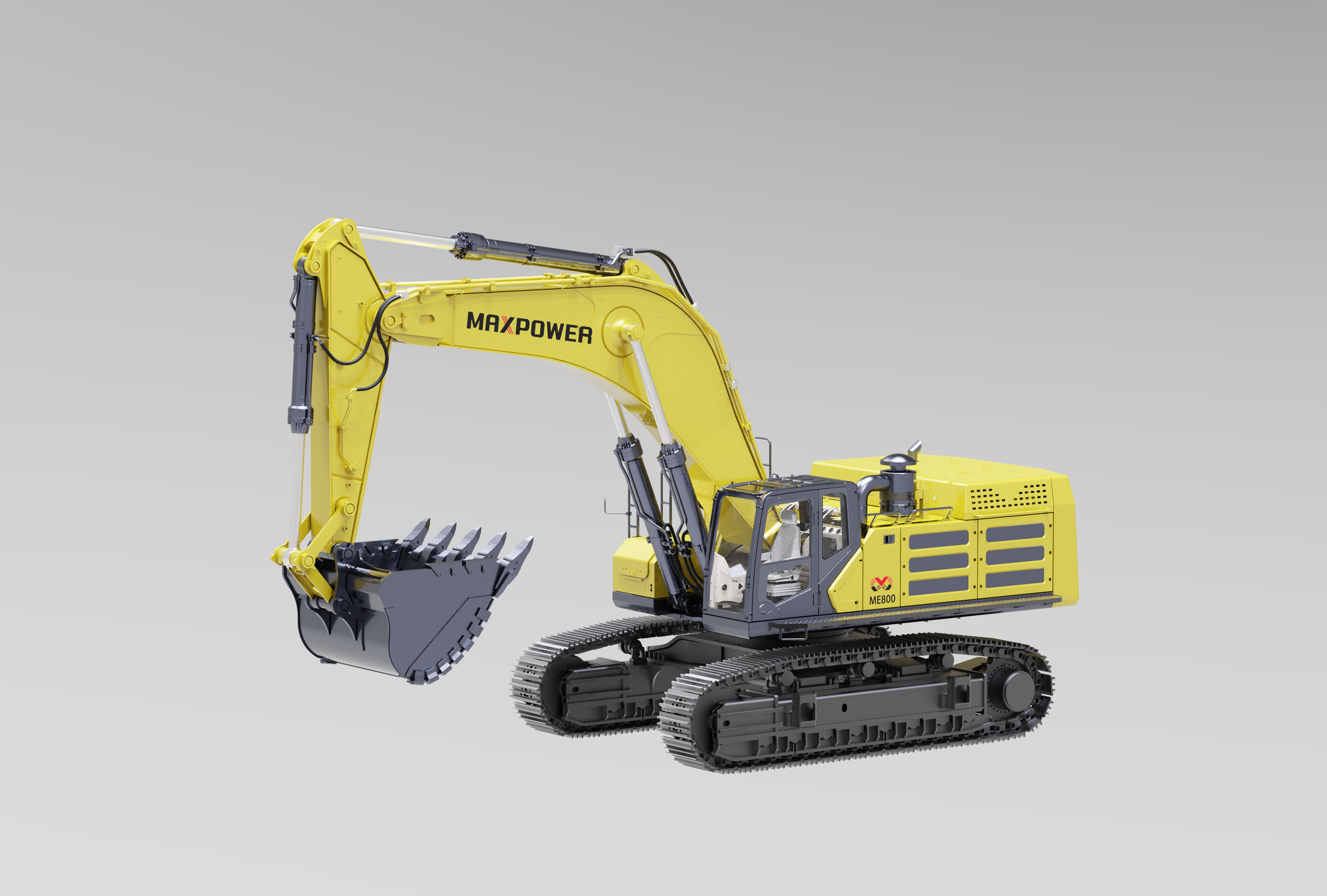
MAXPOWER excavators are designed to support infrastructure contractors with reliable hydraulic systems, durable construction, and excellent adaptability across challenging environments. Their versatility makes them suitable for hydropower stations, flood control projects, irrigation systems, and water resource developments.
Dam projects involve millions of cubic meters of excavation, rock removal, and earthmoving. Unlike conventional construction sites, dam projects often take place in mountainous valleys, river basins, or remote regions where terrain is difficult and logistics are challenging.
Excavators support multiple operations during the construction process, including foundation excavation, access road development, drainage channel construction, slope trimming, and loading excavated materials.
Because one machine can perform numerous tasks, contractors improve fleet efficiency while reducing overall equipment costs.
Before construction begins, the project site must be carefully prepared.
Excavators are used to remove vegetation, strip unsuitable soil, create temporary working platforms, and establish access roads for heavy transport vehicles.
Efficient site preparation ensures that subsequent engineering activities can proceed safely and according to schedule.
For projects involving large construction fleets, reliable equipment is essential to avoid delays during the early stages of development.
The stability of a dam depends heavily on the quality of its foundation.
Excavators perform precise excavation to expose competent rock or stable soil layers while removing weathered materials that could compromise structural integrity.
Operators must maintain accurate excavation depths and smooth working surfaces to comply with engineering requirements.
Reliable hydraulic performance enables excavators to achieve the precision required for large civil engineering projects.
Many dam sites involve extensive rock excavation.
Excavators equipped with hydraulic breakers or heavy-duty buckets assist contractors by removing fractured rock, loading haul trucks, and transporting material to designated stockpiles.
Efficient material handling minimizes transportation delays and supports continuous construction progress.
When combined with specialized attachments, excavators become even more versatile across different work phases.
Temporary river diversion is one of the first major activities in dam construction.
Excavators are widely used for:
Excavating diversion channels
Constructing temporary drainage systems
Installing culverts
Preparing spillway structures
Managing stormwater during construction
Proper water management protects construction activities and improves jobsite safety.
Heavy machinery, construction materials, and concrete components must be transported throughout the project.
Excavators contribute to access road construction by grading surfaces, shaping embankments, excavating drainage ditches, and loading aggregate materials.
Well-constructed roads improve logistics efficiency and reduce equipment wear throughout the project lifecycle.
Selecting the right excavator for dam construction involves evaluating more than machine size.
Important characteristics include hydraulic efficiency, structural durability, fuel economy, maintenance accessibility, and attachment compatibility.
Reliable hydraulic systems improve excavation accuracy and productivity.
Reinforced structural components support continuous operation under heavy workloads.
Efficient fuel consumption helps reduce operating costs on long-term infrastructure projects.
Easy maintenance access minimizes downtime and increases equipment availability.
Versatile attachment compatibility enables contractors to perform multiple tasks using a single machine.
Infrastructure contractors require equipment that performs reliably under demanding conditions.
MAXPOWER excavators offer several advantages for dam construction projects.
Their hydraulic systems deliver smooth and responsive operation for accurate excavation.
Durable frames and reinforced working equipment withstand intensive workloads over extended project durations.
Excellent attachment compatibility allows contractors to switch between excavation, rock breaking, and material handling without replacing the base machine.
These capabilities help maximize equipment utilization while improving overall project efficiency.
Growing populations, increasing energy demand, and climate adaptation initiatives continue to drive investment in water infrastructure around the world.
Future dam construction projects are expected to prioritize:
Sustainable construction methods
Higher equipment productivity
Lower operating costs
Improved environmental performance
Digital equipment management
Construction contractors increasingly seek machinery that supports these objectives while maintaining dependable performance in difficult environments.
MAXPOWER continues to develop equipment solutions that meet the evolving needs of global infrastructure projects.
Before selecting an excavator, contractors should assess:
Project scale
Geological conditions
Excavation depth
Rock hardness
Material handling requirements
Transportation logistics
Long-term equipment utilization
Matching equipment specifications to project requirements helps improve productivity, reduce maintenance costs, and maximize return on investment.
Dam construction requires dependable equipment capable of performing excavation, rock removal, drainage construction, and material handling across challenging environments.
MAXPOWER excavators provide the durability, hydraulic performance, and operational flexibility needed to support modern water infrastructure projects. From foundation preparation to final site restoration, they help contractors complete complex engineering work efficiently and reliably.
They are used for foundation excavation, rock removal, drainage construction, material loading, and site preparation.
Yes. With appropriate buckets or hydraulic breakers, excavators can efficiently handle rock excavation and material handling.
Medium and large excavators are commonly selected depending on project scale and geological conditions.
Reliable hydraulic systems improve excavation precision, operating efficiency, and attachment performance.
MAXPOWER excavators provide dependable performance, durable engineering, and versatile operation for demanding infrastructure applications.







