Maxpower Construction Machinery Manufacturer




The construction industry is facing increasing pressure to reduce environmental impact while maintaining productivity and efficiency. As governments, contractors, and equipment manufacturers focus on cleaner technologies, the zero emission excavator is becoming an important solution for the next generation of construction projects.
Unlike traditional diesel-powered excavators, a zero emission excavator uses electric power technology to complete excavation tasks without producing direct exhaust emissions during operation. This makes it especially suitable for urban construction, indoor projects, environmentally sensitive areas, and worksites with strict emission requirements.
With advances in battery technology and electric drive systems, modern electric excavators are no longer limited to experimental applications. They are becoming practical alternatives for businesses looking to improve efficiency, reduce operating costs, and meet future sustainability standards.
A zero emission excavator is a construction machine designed to perform excavation work without releasing direct emissions from fuel combustion.
Traditional excavators rely on diesel engines to power hydraulic systems. During operation, these engines produce:
Carbon dioxide emissions
Exhaust gases
Engine noise
Fuel consumption costs
A zero emission excavator replaces the diesel engine with an electric power system, usually consisting of:
Rechargeable battery pack
Electric motor
Hydraulic system
Intelligent control unit
Battery management technology
The machine can perform common construction tasks, including:
Digging
Trenching
Material handling
Landscaping
Site preparation
This technology allows construction companies to achieve cleaner operation without sacrificing essential performance.
The construction sector is one of the major industries searching for ways to reduce carbon emissions. Equipment electrification is becoming a key approach because construction machinery often operates for long periods and consumes significant amounts of fuel.
The primary advantage of a zero emission excavator is cleaner operation.
Because electric systems do not burn diesel fuel during operation, they eliminate direct exhaust emissions at the jobsite.
This provides benefits for:
Workers
Nearby communities
Indoor environments
Environmentally sensitive locations
For construction companies working on green building projects or government contracts, adopting electric construction equipment can help meet sustainability goals.
The United States Environmental Protection Agency has identified reducing emissions from mobile sources as an important part of improving air quality and environmental protection.
Construction sites can generate significant air pollution from traditional fuel-powered machinery.
A zero emission excavator helps improve working conditions by reducing:
Diesel exhaust exposure
Local air pollution
Fuel storage requirements
This advantage is particularly valuable for:
Underground construction
Indoor renovation
Warehouse projects
Urban areas
Cleaner air contributes to a safer and more comfortable working environment.
Noise management is becoming increasingly important in modern construction.
Diesel excavators generate noise from:
Engine operation
Exhaust systems
Mechanical vibration
Electric excavators operate more quietly because they use electric motors instead of combustion engines.
This makes zero emission excavators suitable for:
Residential construction
Hospitals
Schools
Parks
Night projects
Although the initial investment may be higher, zero emission excavators can provide long-term cost advantages.
Electric equipment can reduce expenses related to:
Diesel fuel
Engine maintenance
Oil changes
Exhaust system repairs
For companies operating equipment regularly, these savings can improve overall project profitability.
Understanding the differences between electric and diesel machines helps buyers make informed decisions.
| Feature | Zero Emission Excavator | Diesel Excavator |
|---|---|---|
| Power Source | Battery and electric motor | Diesel engine |
| Direct Emissions | None during operation | Produces exhaust emissions |
| Noise Level | Lower | Higher |
| Maintenance | Reduced mechanical maintenance | More frequent servicing |
| Energy Cost | Lower electricity cost | Higher fuel expense |
| Environmental Performance | Excellent | Limited |
Diesel excavators remain suitable for some heavy-duty applications, but zero emission models provide strong advantages where emissions, noise, and operating efficiency are priorities.
A zero emission excavator can be used across many industries where cleaner operation is required.
Cities often have strict environmental and noise regulations.
Electric excavators are ideal for:
Utility installation
Road maintenance
Pipeline construction
Small excavation projects
Their compact design allows operators to work effectively in limited spaces.
Indoor construction projects face challenges related to ventilation.
A zero emission excavator can operate in:
Factories
Warehouses
Underground facilities
Indoor renovation projects
Without diesel exhaust, these machines provide a cleaner working environment.
Landscaping businesses often require equipment that can operate precisely and quietly.
Applications include:
Garden development
Tree planting
Soil preparation
Irrigation installation
Electric mini excavators are especially suitable for smaller projects requiring mobility and flexibility.
Government and municipal projects are increasingly considering low-emission equipment.
Zero emission excavators can support:
Public construction
Environmental projects
Infrastructure maintenance
Choosing the right machine requires evaluating several technical factors.
Battery technology directly affects equipment productivity.
Important considerations include:
Battery capacity
Working hours
Charging speed
Battery lifespan
A suitable battery system ensures consistent performance throughout daily operations.
A zero emission excavator should provide the required working performance.
Key specifications include:
Digging depth
Bucket size
Hydraulic power
Operating weight
The machine should match the requirements of the intended application.
Charging planning is essential for electric equipment adoption.
Businesses should evaluate:
Charging availability
Charging time
Power requirements
Daily operation schedule
Proper charging management improves equipment efficiency.
Construction equipment buyers should also consider supplier capabilities.
Important factors include:
Technical support
Spare parts availability
Warranty service
Long-term cooperation ability
Reliable support helps ensure stable equipment operation.
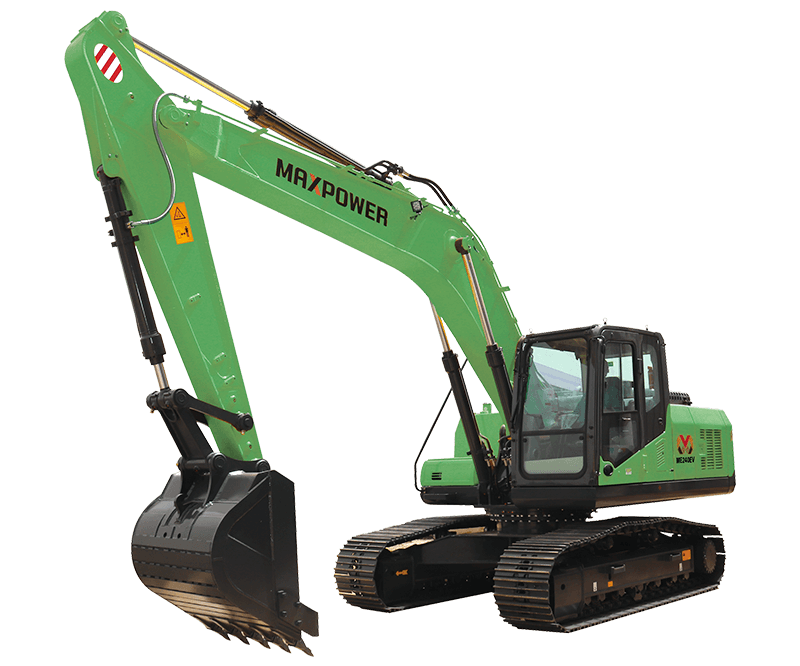
As the demand for cleaner machinery continues to increase, MaxPower provides electric excavator solutions designed for modern construction environments.
MaxPower zero emission excavators combine battery-powered technology with practical construction performance. These machines are designed for applications where reducing emissions, controlling noise, and improving operating efficiency are important.
For contractors, rental companies, and equipment distributors, MaxPower electric excavators provide a reliable option for transitioning toward cleaner construction practices.
By adopting zero emission equipment, businesses can improve jobsite conditions while preparing for the future development of sustainable construction.
The future of construction machinery is closely connected with electrification and smart technology.
Future battery improvements will focus on:
Longer operating time
Faster charging
Higher energy density
Better durability
These improvements will expand the range of applications for electric excavators.
Electric machines are increasingly integrating digital systems, including:
Remote monitoring
Equipment diagnostics
Data tracking
Intelligent maintenance
These technologies help companies improve productivity and reduce downtime.
As sustainability becomes a larger priority, more industries will adopt:
Zero emission excavators
Electric mini excavators
Battery powered construction equipment
A zero emission excavator is an electric-powered construction machine that produces no direct exhaust emissions during operation.
Yes. Modern electric excavators provide suitable performance for many applications, including urban construction, landscaping, and indoor projects.
Main benefits include:
Reduced emissions
Lower noise
Lower maintenance requirements
Improved jobsite conditions
Yes. Compact electric excavators can be a practical choice for small contractors because they offer flexibility and lower operating costs.
The zero emission excavator represents the future direction of sustainable construction machinery. By combining electric technology with reliable excavation performance, these machines help businesses reduce environmental impact while improving operational efficiency.
As construction standards continue to evolve, electric excavators will become increasingly important for urban development, landscaping, and specialized construction projects.
For companies looking to transition toward cleaner equipment, MaxPower electric excavator solutions provide a modern approach to achieving more sustainable and efficient construction operations.







