Jining Maxpower Machinery Co., Ltd.




As construction technology evolves, contractors are increasingly comparing electric excavators and diesel excavators to determine which option best suits their projects. While diesel machines have long dominated the industry, electric excavators are rapidly gaining attention due to environmental regulations and advancements in battery technology.
Choosing between these two types of excavators requires a clear understanding of their performance, cost implications, and operational suitability. This guide provides a detailed comparison to help you make an informed decision.
Electric excavators are powered by electric motors instead of traditional diesel engines. They use battery systems or direct power connections to operate.
Zero exhaust emissions
Low noise operation
Reduced maintenance requirements
Suitable for indoor and urban environments
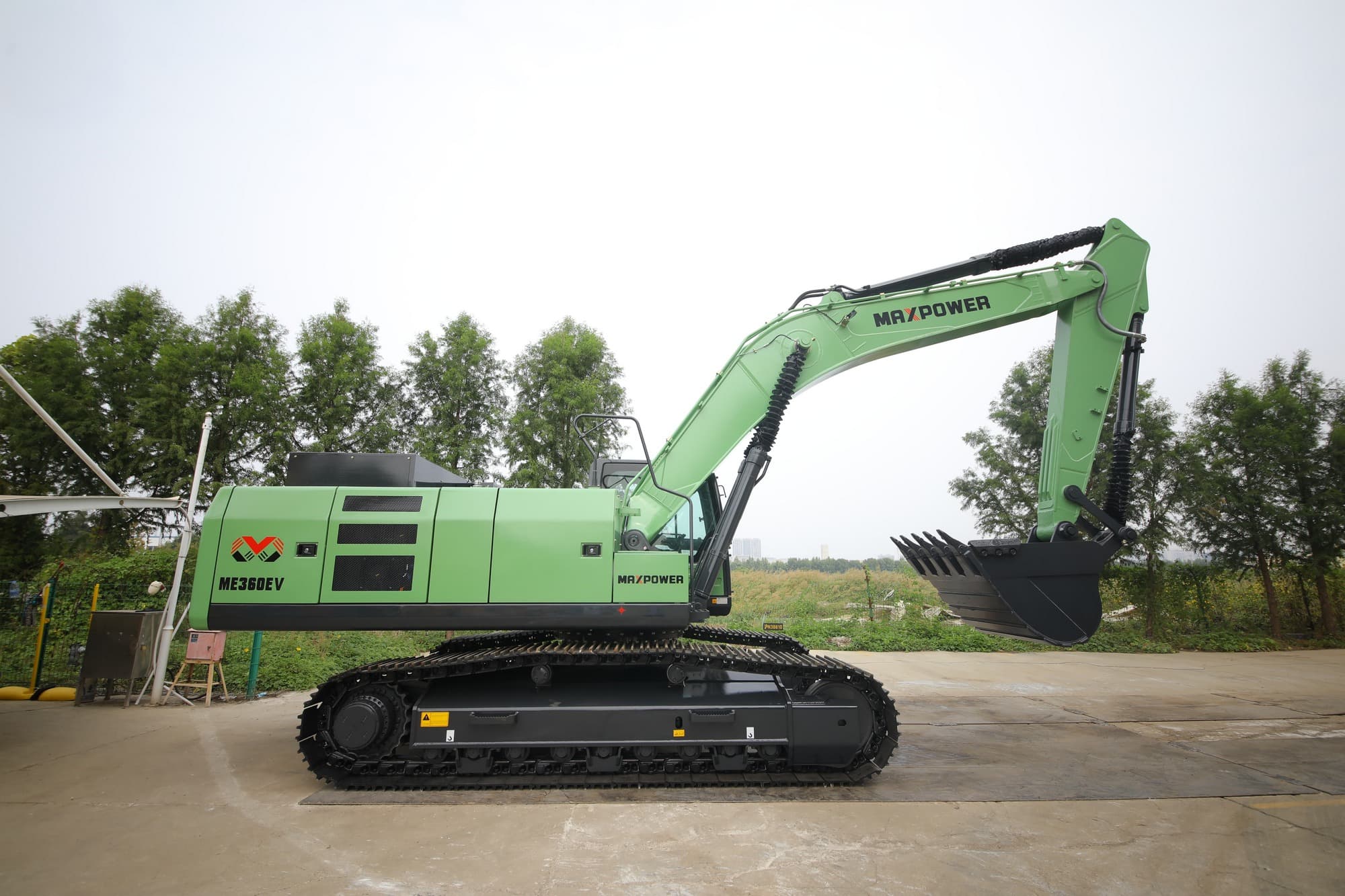
Internal combustion engines power diesel excavators and are widely used across all types of construction projects.
High power output
Long operating hours
Strong performance in heavy-duty tasks
Widely available and established technology
Understanding the differences helps contractors choose the right machine for specific applications.
| Feature | Electric Excavators | Diesel Excavators |
| Power Source | Battery or electric grid | Diesel engine |
| Emissions | Zero emissions | Produces exhaust gases |
| Noise Level | Very low | Higher noise levels |
| Maintenance | Fewer moving parts | Regular engine maintenance required |
| Operating Time | Limited by battery | Long continuous operation |
| Best Use | Urban, indoor, eco-sensitive areas | Heavy-duty and remote projects |
Diesel excavators generally provide higher power output, making them suitable for heavy-duty excavation. However, electric excavators deliver instant torque, which allows for smooth and precise operation.
Diesel machines can operate continuously as long as fuel is available. Electric excavators depend on battery capacity or charging infrastructure.
Electric excavators often offer better control due to smoother power delivery, which is beneficial for detailed work.
Electric excavators produce zero emissions, making them ideal for projects with strict environmental regulations.
Electric machines operate much more quietly, which is critical for urban construction, night work, and indoor applications.
As industries move toward greener solutions, electric excavators are becoming a preferred choice for environmentally conscious projects.
While diesel excavators may have lower upfront costs, electric excavators can reduce long-term operational expenses through lower energy consumption and maintenance requirements.
Contractors should evaluate:
Project duration
Fuel or electricity availability
Maintenance requirements
Environmental compliance costs
Urban construction sites
Indoor demolition or renovation
Projects with strict emission regulations
Noise-sensitive environments
Large-scale earthmoving projects
Remote locations without charging infrastructure
Heavy-duty excavation tasks
Long-duration operations
Access to reliable charging stations is essential for continuous operation.
Battery capacity may limit working hours on demanding projects.
Electric machines may require higher initial investment depending on the model.
MAXPOWER offers both electric and diesel excavators designed to meet diverse construction needs. With advanced engineering and reliable performance, MAXPOWER machines provide:
Efficient operation across various project types
Durable components for long-term use
Options for both eco-friendly and heavy-duty applications
Advanced control systems for precision work
Whether you need environmentally friendly solutions or powerful excavation performance, MAXPOWER delivers the right equipment for your projects.
Both electric and diesel excavators have their advantages, and the right choice depends on your specific project requirements. Electric excavators are ideal for environmentally sensitive and urban projects, while diesel excavators remain essential for heavy-duty and remote operations.
By evaluating your project conditions, you can select the excavator that delivers the best balance of efficiency, performance, and sustainability.
Are electric excavators as powerful as diesel ones?
They offer strong torque but are generally less powerful for heavy-duty tasks.
Do electric excavators require less maintenance?
Yes, they have fewer moving parts and lower maintenance needs.
Where are electric excavators most useful?
In urban, indoor, and environmentally sensitive areas.
Can diesel excavators work longer hours?
Yes, they can operate continuously with refueling.
Why choose MAXPOWER excavators?
They provide reliable performance for both electric and diesel options.
MAXPOWER offers both electric and diesel excavators designed for different project needs. Whether you prioritize sustainability, power, or efficiency, our experts can help you select the right solution. Contact us today for professional guidance and discover how MAXPOWER excavators can improve your project performance.







