Maxpower Construction Machinery Manufacturer




A rotary drilling rig is a widely used machine in construction, mining, water well drilling, and energy exploration.
It is designed for efficient deep drilling in different geological conditions.
With advances in hydraulic systems and automation, modern rigs deliver higher efficiency, better stability, and easier operation.
This guide explains everything you need to know before selecting a rotary drilling rig.
A rotary drilling rig is equipment that drills into the ground using rotational force and downward pressure.
It breaks soil and rock using a rotating drill bit.
Drilling fluid is often used to remove cuttings and stabilize the borehole.
This method is suitable for soft soil, sand, clay, and hard rock formations.
The rotary head generates torque and rotation.
The drill pipe transfers this force to the drill bit.
The drill bit cuts and breaks underground materials.
Hydraulic systems control pressure and drilling movement.
The chassis provides stability and mobility during operation.
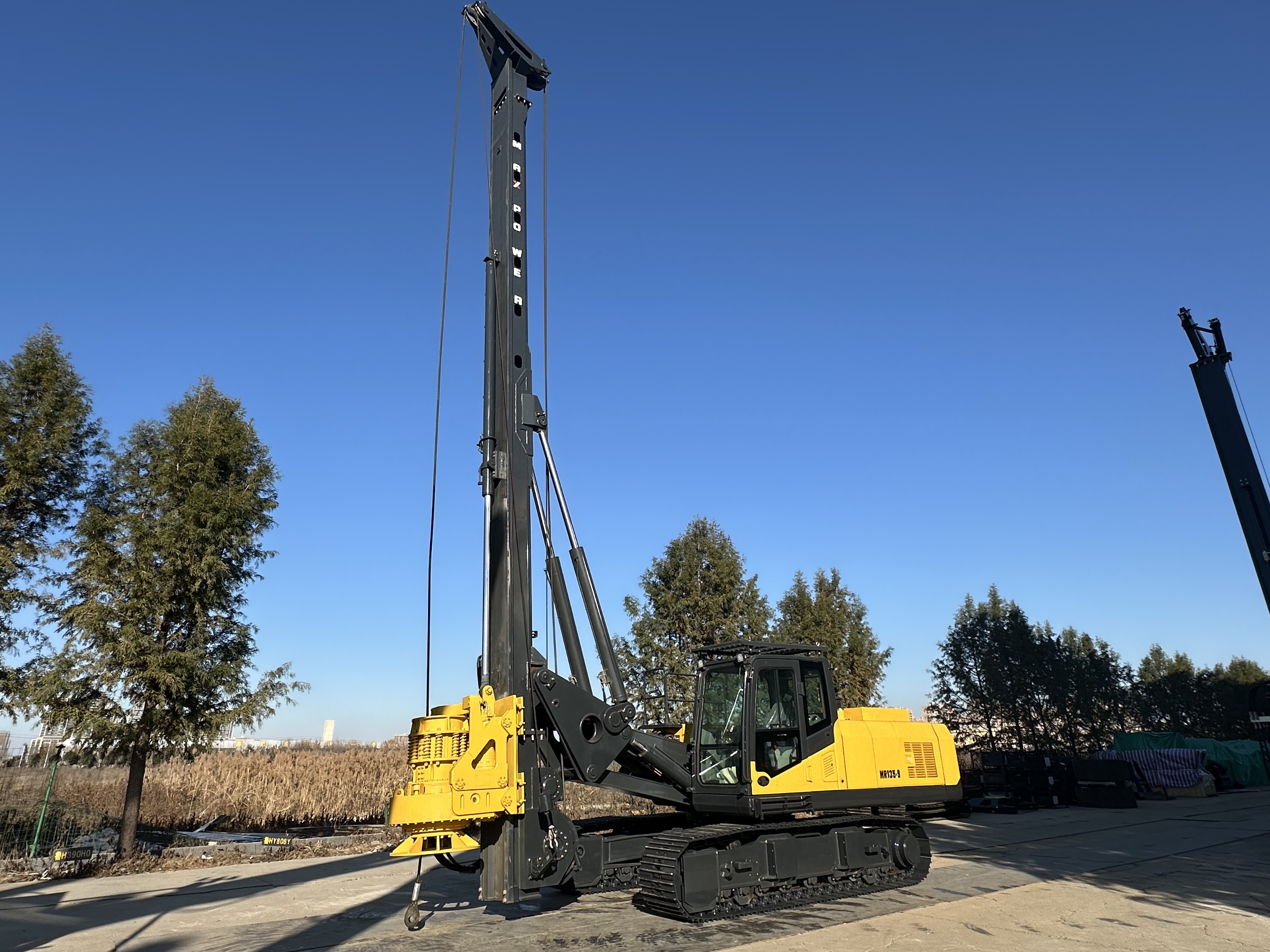
Supports the entire drilling structure and provides vertical guidance.
Delivers torque and enables continuous rotation.
Transfers energy from the surface to the drilling bit.
Controls drilling force, speed, and precision.
Crawler or truck base that supports movement and stability.
Suitable for rough terrain and large-scale projects.
Provides high stability and strong drilling performance.
Designed for mobility and fast relocation between job sites.
Commonly used in multi-location projects.
Uses advanced hydraulic systems for higher efficiency and control.
Reduces manual labor requirements.
Lightweight and flexible.
Used for water wells and small-scale drilling tasks.
Used for pile foundation drilling in buildings, bridges, and infrastructure.
Used for groundwater extraction and agricultural irrigation.
Used for mineral exploration and geological sampling.
Used in energy exploration and deep drilling operations.
Used for soil testing and site evaluation before construction.
High drilling efficiency reduces project time.
Deep drilling capability supports complex engineering projects.
Strong adaptability works across different soil and rock types.
Automation reduces labor intensity and improves safety.
Precise control improves drilling accuracy and quality.
Define required depth and bore diameter before selection.
Hard rock formations require higher torque systems.
Crawler rigs for stability, truck-mounted rigs for flexibility.
Diesel systems are widely used, electric systems are emerging.
Choose based on project scale and operational environment.
Best for deep drilling and large-scale engineering projects.
More suitable for hard rock and medium-depth drilling.
Used for shallow drilling with lower complexity.
Rotary drilling offers the best balance of depth, efficiency, and versatility.
Regularly inspect hydraulic systems to ensure stability.
Lubricate moving parts to reduce wear and friction.
Check drill pipes for damage or deformation.
Replace worn components promptly to avoid downtime.
Proper maintenance improves equipment lifespan and reliability.
Operators should receive proper training before use.
Protective equipment must always be worn.
Drilling conditions should be monitored during operation.
Avoid overload to prevent equipment failure.
Follow standard operating procedures strictly.
Often caused by hard rock or debris accumulation.
Solution involves adjusting torque or changing drill tools.
Usually caused by unstable soil conditions.
Solution includes using drilling fluid for stabilization.
Caused by improper configuration or worn components.
Solution requires system adjustment or equipment optimization.
Automation is becoming more advanced in drilling systems.
Remote-controlled rigs are improving safety and efficiency.
Electric-powered rigs are gaining wider adoption.
AI-based systems are enhancing drilling precision.
Sustainable and low-emission solutions are becoming industry focus.
It is used for construction, mining, water well drilling, and energy exploration.
Depth depends on model and configuration, ranging from shallow to very deep drilling.
Rotary drilling uses rotation, while DTH uses hammer impact force.
Yes, especially high-torque hydraulic models.
A rotary drilling rig is a highly efficient and versatile solution for modern drilling projects.
It is widely used in construction, mining, and water well applications.
Choosing the right model improves productivity, reduces operational risk, and ensures long-term project success.







