Maxpower Construction Machinery Manufacturer




Choosing the right excavator is one of the most important decisions for contractors, equipment managers, and construction companies. An excavator is often a core asset on job sites, and selecting the wrong model can lead to inefficiencies, increased operating costs, and even project delays.
With the growing variety of excavators available—including standard models, electric excavators, and specialty machines—buyers need a structured approach to evaluate their options. This guide provides a comprehensive, practical framework to help you select the right excavator based on real-world project requirements.
An excavator directly impacts multiple aspects of a construction project:
Productivity and task efficiency
Fuel or energy consumption
Equipment utilization rate
Maintenance and repair frequency
Overall project cost
A properly selected excavator not only improves workflow but also reduces long-term operational risks.
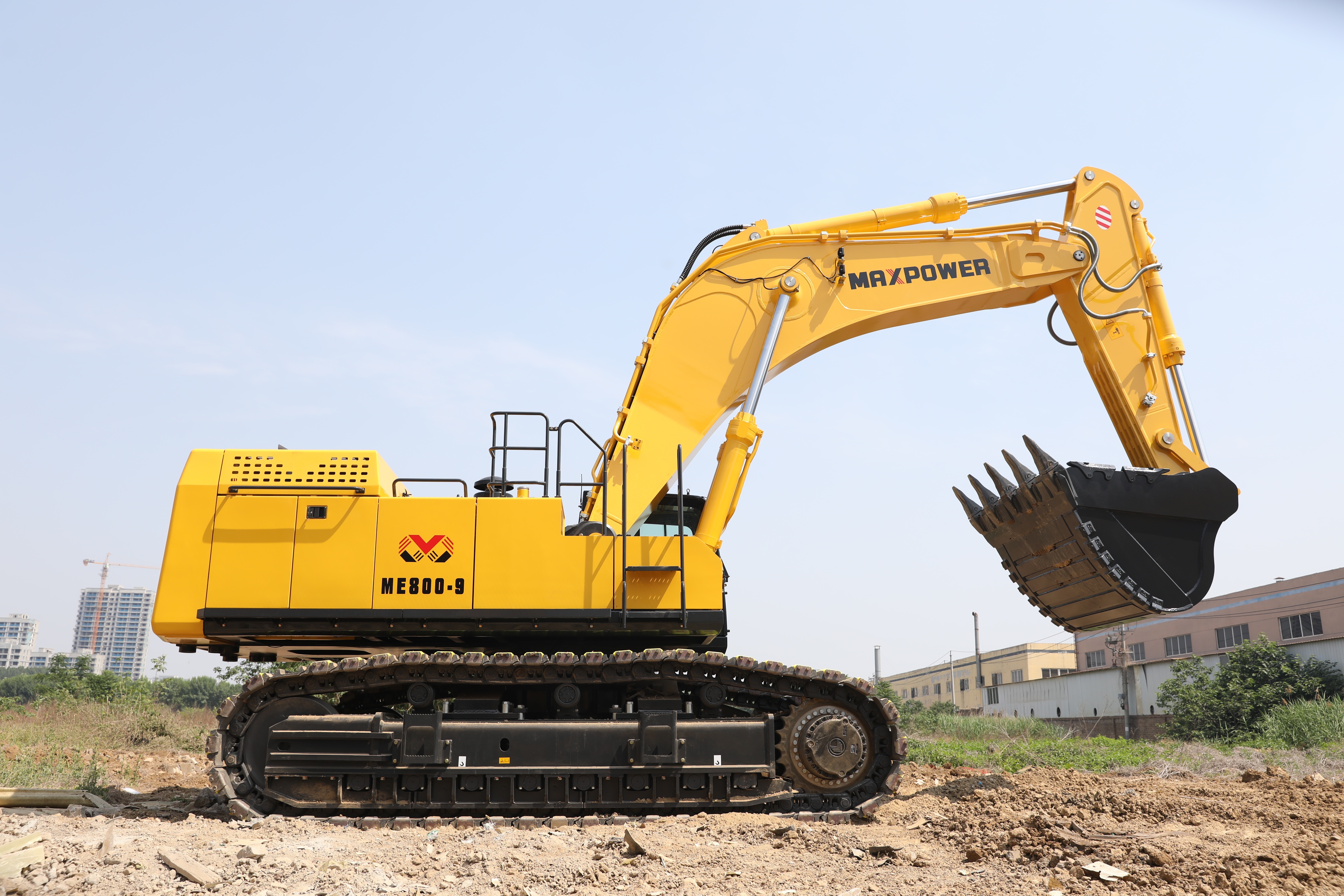
Before comparing machines, you need a clear understanding of your operational requirements.
Different construction activities require different excavator capabilities:
Trenching and excavation require precision and controlled digging depth
Demolition requires higher power and reinforced attachments
Material handling demands lifting capacity and stability
Landscaping requires compact size and maneuverability
Site conditions significantly influence your equipment choice:
Urban job sites require compact and low-noise machines
Confined spaces demand smaller excavators with tight swing radius
Rough terrain requires stability and strong undercarriage design
Indoor or underground projects often require electric excavators
A mismatch between machine and environment can reduce efficiency and increase safety risks.
Excavators are categorized by operating weight, and each category serves different applications.
| Excavator Type | Operating Weight | Typical Applications |
| Mini Excavators | Up to 6 tons | Residential, landscaping, tight spaces |
| Medium Excavators | 6–20 tons | General construction, utility work |
| Large Excavators | Over 20 tons | Mining, heavy excavation, infrastructure |
Choose mini excavators for accessibility and flexibility
Choose medium excavators for balanced performance
Choose large excavators for maximum power and capacity
Oversizing leads to unnecessary costs, while undersizing limits productivity.
Beyond size, technical performance determines how effectively an excavator can perform.
Higher power is required for heavy-duty excavation and lifting tasks. Electric excavators provide smoother power delivery, while diesel machines offer higher peak power.
The hydraulic system is the core of excavator functionality. A high-quality system ensures:
Smooth operation
Faster cycle times
Better control precision
Ensure the excavator can meet your required digging depth and working radius. This is especially important for foundation and trenching work.
For material handling or pipe installation, lifting capacity is a key factor in safety and efficiency.
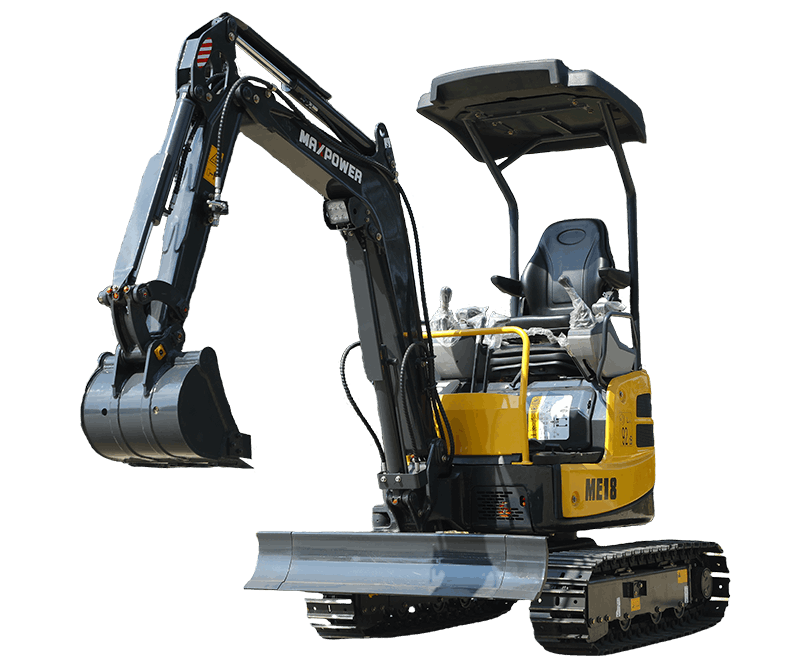
This decision is becoming increasingly important in modern construction.
Best suited for:
Urban construction projects
Indoor environments
Areas with strict emission regulations
Advantages:
Zero emissions
Low noise
Lower maintenance
Best suited for:
Heavy-duty projects
Remote locations
Long working hours without interruption
Advantages:
High power output
Long continuous operation
Established infrastructure
Choosing the right type depends on project conditions, not just preference.
Attachments significantly extend the functionality of an excavator, turning it into a multi-purpose machine.
| Attachment | Application |
| Standard Bucket | General digging and loading |
| Trenching Bucket | Narrow trench excavation |
| Hydraulic Breaker | Demolition and rock breaking |
| Auger | Drilling holes for posts or foundations |
| Grapple | Handling irregular materials |
A versatile excavator reduces the need for multiple machines, improving cost efficiency.
Professional buyers focus on long-term value rather than just initial price.
Fuel or electricity consumption
Maintenance and servicing costs
Spare parts availability
Machine durability and lifespan
Electric excavators may offer lower operating costs, while diesel machines may have advantages in certain high-load scenarios.
Operator efficiency directly impacts project outcomes.
Ergonomic controls
Adjustable seating
Clear visibility
Digital monitoring systems
Load indicators
Safety alerts
Comfortable operators work more efficiently and make fewer errors.
Excavators operate in demanding environments, so durability is essential.
Reinforced structure
High-quality materials
Reliable components
A durable machine reduces downtime and extends service life.
Many buyers focus only on current projects, but long-term planning is equally important.
Consider:
Future project types
Equipment utilization rate
Fleet standardization
Choosing a flexible and adaptable excavator supports business growth.
MAXPOWER offers a full range of excavators designed to meet diverse construction needs, from compact urban machines to heavy-duty equipment.
Key advantages include:
Comprehensive product lineup including electric and specialty excavators
Strong hydraulic systems for consistent performance
Durable construction for demanding environments
Flexible solutions for different industries and applications
MAXPOWER focuses on delivering equipment that aligns with real-world operational requirements, helping customers achieve better efficiency and reliability.
Choosing a machine without understanding project needs leads to inefficiency.
Larger machines are not always better and often increase costs.
Fuel, maintenance, and downtime can outweigh initial savings.
Low-cost machines may compromise performance and durability.
Choosing the right excavator is a strategic decision that affects productivity, cost efficiency, and project success. By carefully evaluating project requirements, machine specifications, and long-term operational factors, buyers can make informed decisions that deliver real value.
A well-chosen excavator is not just a machine—it is a key contributor to construction efficiency and business growth.
How do I choose the right excavator size?
Based on project scale, site conditions, and workload.
Are electric excavators suitable for construction?
Yes, especially for urban and regulated environments.
What is the most important factor when choosing an excavator?
Matching the machine to project requirements.
Do attachments improve excavator performance?
Yes, they increase versatility and efficiency.
Why choose MAXPOWER excavators?
They provide reliable performance across multiple applications.
MAXPOWER offers a complete range of excavators designed for real construction needs—from compact urban machines to powerful heavy-duty solutions. Our experts are ready to help you evaluate your requirements and select the most efficient equipment for your operations. Contact us today to discover how MAXPOWER excavators can improve your productivity and support your long-term success.







