Maxpower Construction Machinery Manufacturer




Across Europe, the construction industry is undergoing a major transition toward sustainable and low-emission equipment. As environmental regulations become stricter and urban construction projects increase, electric excavators are rapidly gaining popularity among contractors, municipalities, and infrastructure companies.
For equipment buyers in Europe, electric excavators are no longer considered experimental machinery. They are becoming a practical solution for projects requiring lower emissions, reduced noise, and improved operational efficiency.
Europe is one of the fastest-growing markets for electric construction equipment due to several key factors.
Many European countries are implementing:
Low-emission construction zones
Carbon reduction targets
Noise control policies
Green procurement standards
Traditional diesel equipment is facing increasing operational restrictions in urban areas.
Electric excavators help contractors comply with these regulations while maintaining productivity.
European cities often involve:
Dense urban infrastructure
Underground utility upgrades
Indoor renovation projects
Restricted working hours
Electric excavators are ideal for these environments because of their low noise and zero on-site emissions.
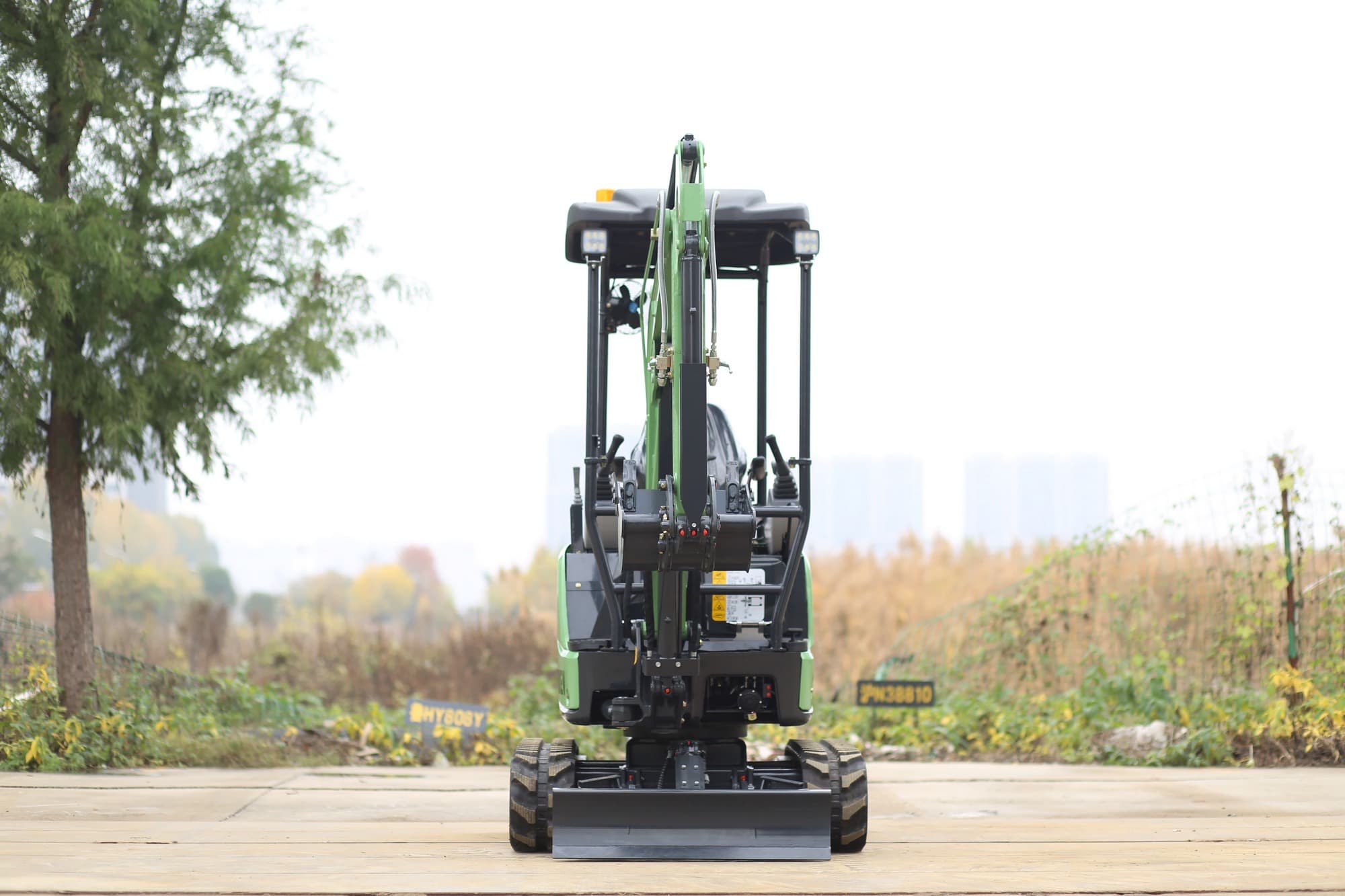
Electric excavators are widely used for:
Sidewalk reconstruction
Utility trenching
Metro and tunnel work
Municipal infrastructure upgrades
Their compact and low-noise operation minimizes disruption in populated areas.
One of the strongest advantages of electric excavators is their suitability for enclosed environments.
They are frequently used in:
Warehouse demolition
Underground construction
Shopping center renovations
Industrial facility upgrades
Because they produce no exhaust gases, they improve safety and air quality indoors.
Electric excavators are increasingly used near:
Schools
Hospitals
Residential zones
Historic districts
Noise reduction and emission control are critical in these projects.
Municipal contractors in Europe often use electric excavators for:
Park construction
Urban landscaping
Public utility maintenance
Green infrastructure projects
Electric excavators help contractors meet European environmental standards without requiring additional emission control systems.
Compared with diesel excavators, electric machines operate much more quietly.
This allows:
Nighttime construction
Reduced disturbance in residential zones
Improved operator comfort
Electric systems have fewer moving parts compared to diesel engines, reducing:
Maintenance downtime
Oil and filter changes
Engine servicing costs
Electric motors provide:
Instant torque response
Smooth hydraulic operation
Efficient energy conversion
This improves operational precision in urban construction work.
While demand is growing, buyers still need to evaluate several operational factors.
Project sites require:
Stable power access
Charging stations
Energy management planning
Battery duration depends on:
Workload intensity
Attachment usage
Climate conditions
Contractors must plan charging cycles carefully.
Electric excavators may involve higher upfront investment compared to diesel machines, although long-term operational costs are often lower.
Professional buyers in Europe increasingly focus on:
| Factor | Importance |
| Battery efficiency | Longer working hours |
| Charging flexibility | Reduced downtime |
| Compact design | Urban accessibility |
| Low noise levels | Regulatory compliance |
| Service support | Long-term operation |
Manufacturers that align with these priorities are more competitive in the European market.
MAXPOWER electric excavators are designed to support modern construction requirements in environmentally regulated markets such as Europe.
Key advantages include:
Efficient electric drive systems
Low-noise operational design
Stable hydraulic performance
Compact structure for urban construction
Reliable performance for municipal and infrastructure projects
MAXPOWER focuses on practical engineering solutions that help contractors improve efficiency while adapting to changing environmental standards.
Many European governments are encouraging:
Sustainable construction practices
Low-carbon infrastructure development
Electric equipment adoption incentives
Developers increasingly prioritize environmentally friendly equipment during project planning and bidding.
Rental companies and contractors across Europe are gradually expanding their electric machinery fleets to meet market demand.
Electric excavators are becoming an essential part of Europe’s construction industry as sustainability, regulation, and urban efficiency continue to shape the market.
For contractors and equipment buyers, electric excavators provide a practical solution for reducing emissions, lowering noise, and improving operational flexibility in modern construction environments.
As the market evolves, investing in electric excavator technology is becoming not only an environmental decision, but also a strategic business advantage.
Why are electric excavators popular in Europe?
Due to strict environmental regulations and urban construction requirements.
Are electric excavators suitable for indoor projects?
Yes, they produce zero exhaust emissions and low noise.
Do electric excavators reduce maintenance costs?
Yes, they generally require less maintenance than diesel machines.
What industries use electric excavators in Europe?
Construction, municipal engineering, infrastructure, and landscaping.
Why choose MAXPOWER electric excavators?
They offer efficient, low-noise, and reliable solutions for modern projects.
MAXPOWER electric excavators are designed to meet the demands of modern urban construction, infrastructure development, and environmentally regulated projects across Europe. With low-noise operation, efficient performance, and advanced engineering, our machines help contractors improve productivity while supporting sustainable construction goals. Contact MAXPOWER today to discover the right electric excavator solution for your European projects.







