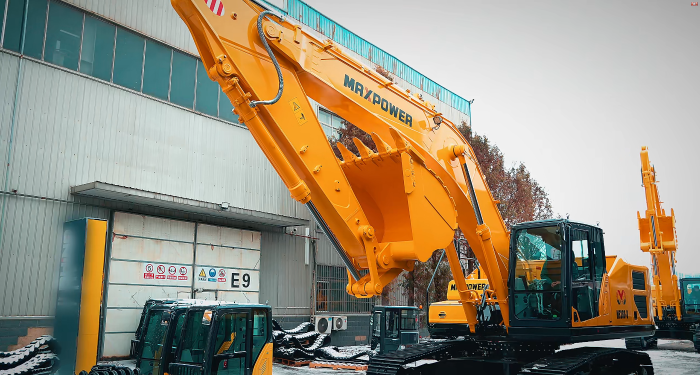
Selecting the right small excavator is more than picking the smallest or cheapest machine—it’s about finding equipment that perfectly matches your job requirements, site constraints, and budget. For contractors, municipal workers, and rental companies, the wrong choice can lead to delays, increased costs, or even safety issues. This guide will help you understand the key factors for selecting the ideal small excavator and how MAXPOWER solutions can meet your needs.
Before evaluating machines, it’s critical to understand your project’s specific requirements. Consider the following:
What type of work will the excavator primarily perform? Typical applications include trenching, landscaping, utility installation, and foundation work. Each type has specific requirements for digging depth, lifting capacity, and attachments.
Examine whether your site is confined, uneven, or urban. Residential landscaping may require zero-tail-swing models to avoid damaging property, while utility projects might need slightly larger compact excavators with longer reach.
How deep and wide do the excavations need to be? Will the machine need to move through narrow passages or over fragile surfaces? Knowing these constraints ensures you choose a machine that can access all areas safely.
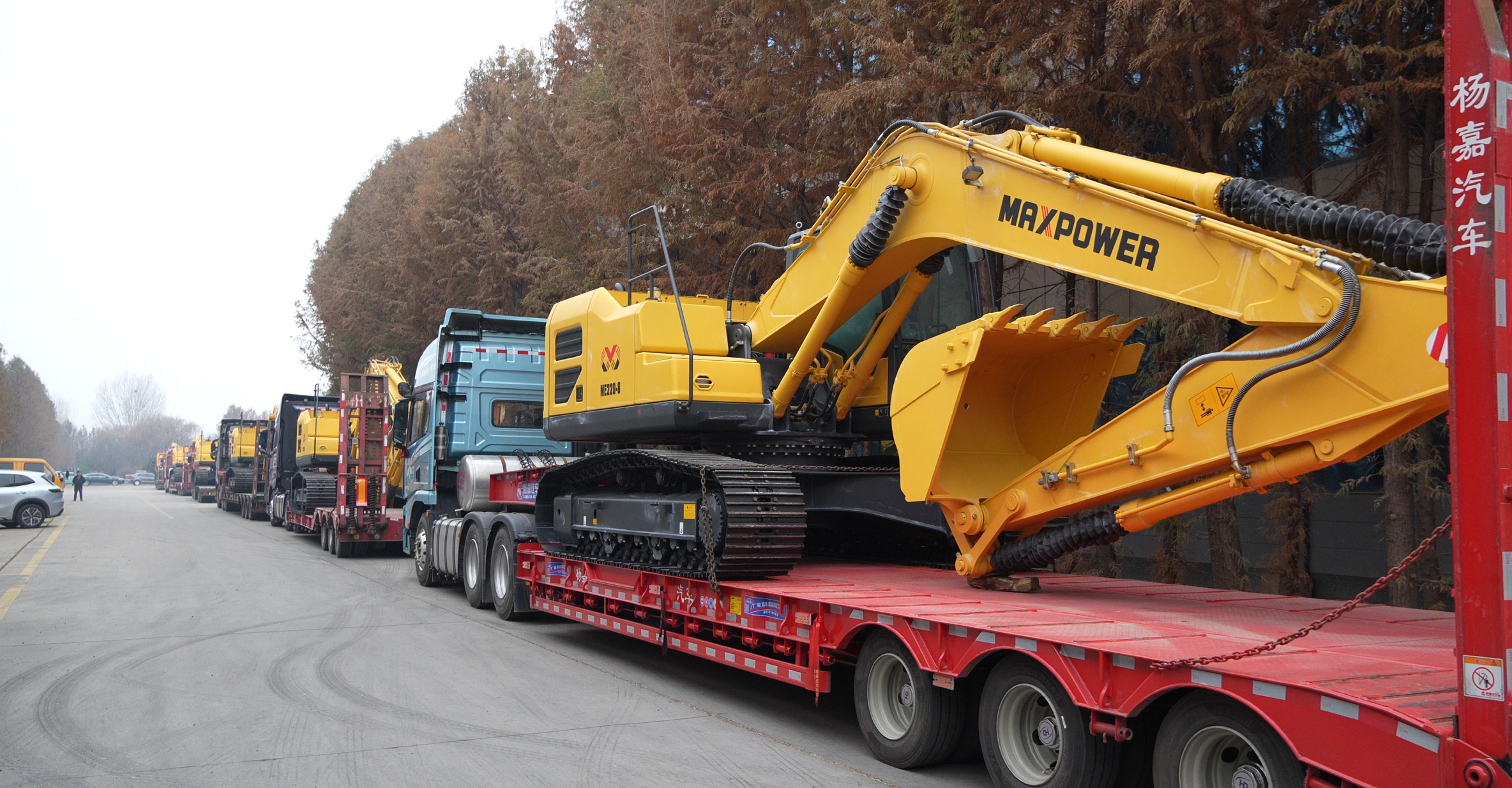
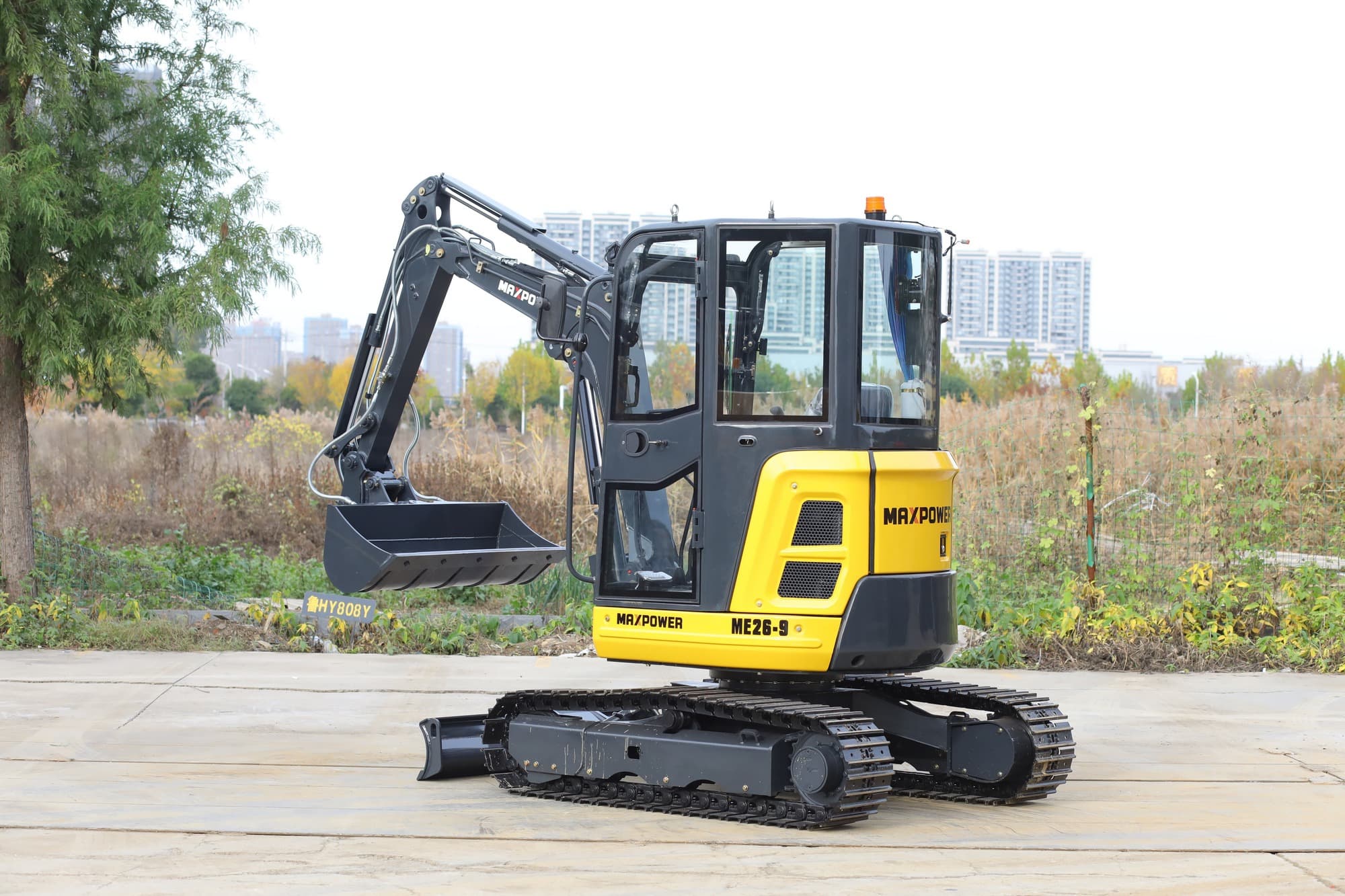
Small excavators are typically under 6 tons. Lighter machines are easier to transport and ideal for confined spaces, whereas heavier models provide more stability and power in tough soil conditions.
Digging depth and reach vary across models. For example, a 3-ton mini excavator may reach 2.5 meters—adequate for most residential tasks—while larger compact models reach up to 4 meters for utility or municipal projects.
If your project involves lifting heavy pipes, materials, or debris, verify the lift capacity at different boom angles. Insufficient lift reduces efficiency and may require extra machinery.
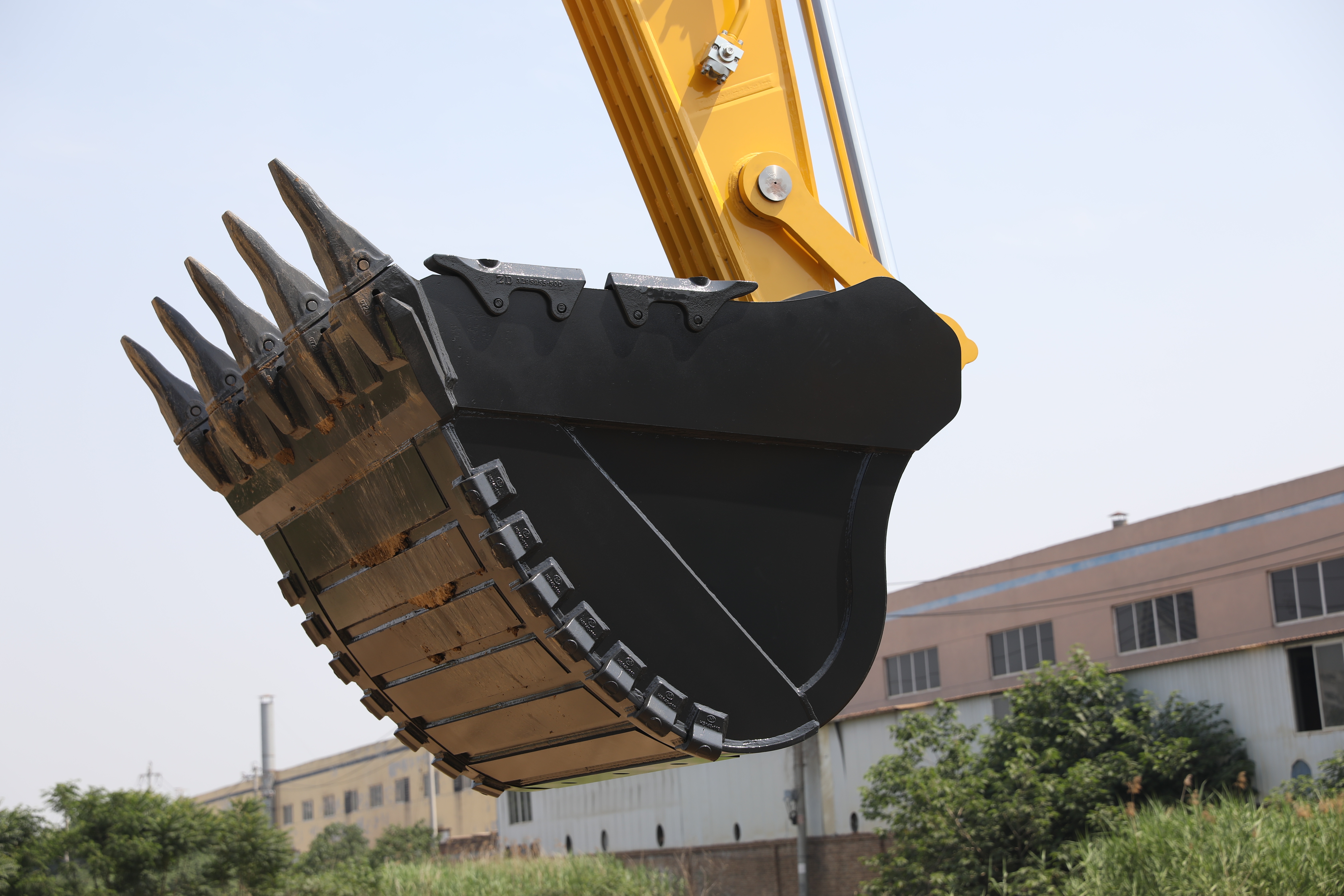
A versatile hydraulic system allows for multiple attachments like breakers, augers, thumbs, and grading buckets. Quick couplers make attachment changes fast and simple.
Zero or short tail swing models prevent damage to surrounding structures and are ideal for tight streets or alleys.
Rubber tracks protect driveways and lawns, reducing cleanup and repair costs.
Compact dimensions allow navigation around traffic barriers, utility poles, and narrow lanes, saving time and reducing site disruption.
MAXPOWER small excavators feature comfortable seating and intuitive controls for minimal fatigue.
Good operator visibility ensures precise digging and reduces accidents in tight spaces.
Overload protection, ROPS/FOPS cabins, and emergency stop switches are standard to protect both operators and the site.
Regular inspections of hydraulic hoses, fluid levels, and tracks, along with scheduled servicing like oil and filter changes, are essential. Machines designed for easy maintenance reduce downtime and labor costs while extending lifespan.
Foundation digging, pool installation, and landscaping tasks benefit from small, precise machines.
Ideal for trenching water, sewer, gas, and fiber optic lines in tight spaces.
Sidewalk repairs, street drainage, and minor road works are manageable without disrupting traffic.
Used for ditch cleaning, land leveling, fencing, and planting in constrained areas.
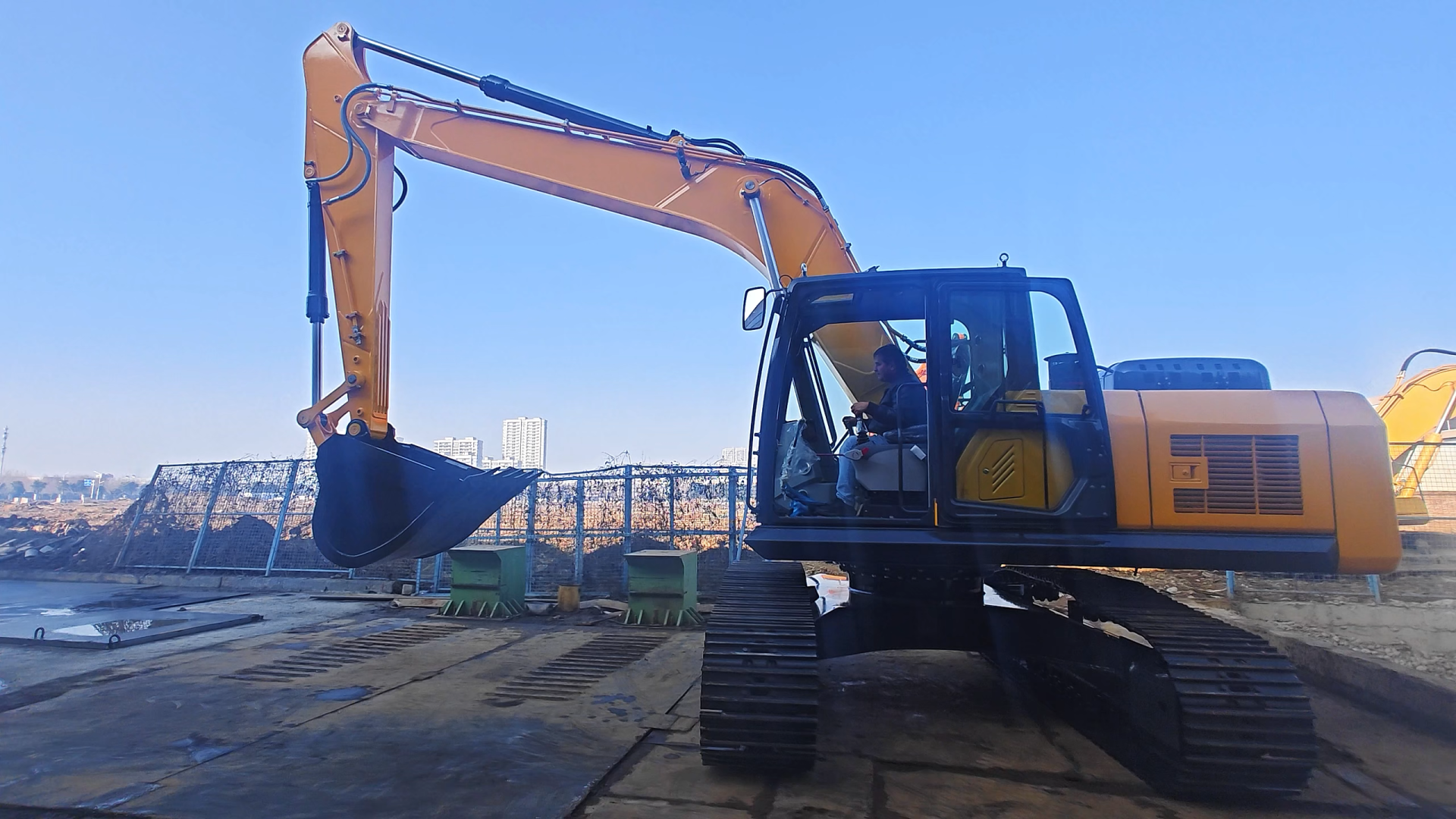
MAXPOWER small excavators are designed with real-world needs in mind, offering compact size with sufficient power, attachment versatility, durability, low maintenance, and operator-friendly design. They deliver reliable performance across construction, municipal, and landscaping projects.
Choosing the right small excavator starts with understanding project needs, site conditions, and budget. By carefully evaluating weight, digging depth, lift capacity, attachments, maneuverability, comfort, and maintenance requirements, contractors and project planners can select a machine that improves efficiency and reduces costs. MAXPOWER small excavators provide a versatile, reliable solution for modern construction and urban projects.
1. What is considered a small excavator?
A small excavator typically weighs under 6 tons and is designed for compact, precise operations.
2. What projects are small excavators best suited for?
Trenching, landscaping, utility installation, residential construction, and urban infrastructure.
3. Can small excavators use multiple attachments?
Yes, modern models support breakers, augers, thumbs, grading buckets, and more.
4. How do small excavators save on operating costs?
They consume less fuel, require lower maintenance, and reduce transport and logistics expenses.
5. Why choose MAXPOWER small excavators?
They combine power, versatility, operator comfort, and low maintenance for reliable performance.
If you’re unsure which small excavator is best for your project, MAXPOWER experts are here to guide you. Contact us today for a personalized consultation and ensure your equipment is efficient, safe, and cost-effective. Don’t wait until project delays or unexpected costs arise—get in touch now to choose the right small excavator and boost your job site performance!