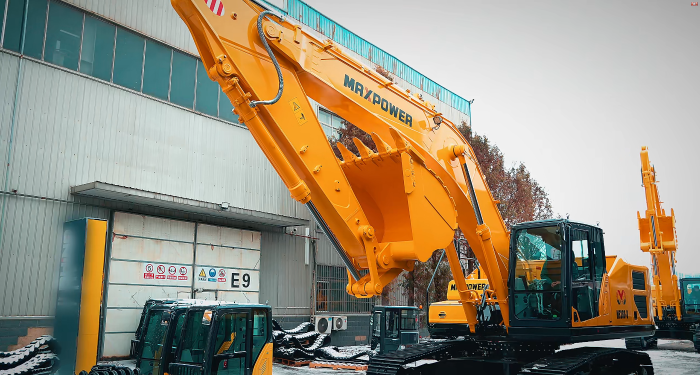
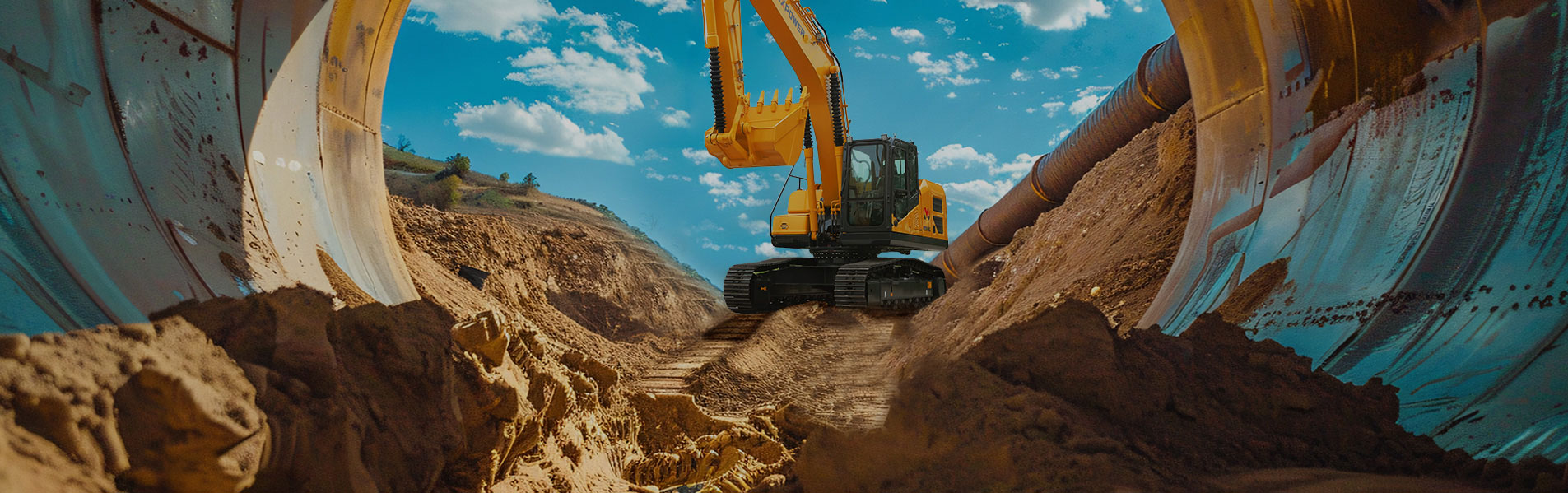
When searching for compact excavation equipment, many buyers encounter two commonly used terms: small excavators and mini excavators. At first glance, they appear interchangeable. In practice, however, these categories serve different operational needs, budgets, and long-term business strategies. For contractors, fleet managers, and rental companies, misunderstanding the difference can result in underpowered machines, unnecessary costs, or missed project opportunities.
This guide explains the real-world differences between small excavators and mini excavators, how each performs across job types, and how MAXPOWER helps customers choose equipment that aligns with productivity goals and return on investment.
The construction equipment industry lacks a universally enforced classification system for compact excavators. Manufacturers, dealers, and rental companies often use “mini excavator” as a marketing-friendly label, while “small excavator” is used as a broader technical term. In many cases, machines with similar dimensions are described differently depending on region or sales strategy.
For buyers, this creates confusion. Instead of focusing on performance metrics such as hydraulic output, digging depth, and attachment capability, decisions are sometimes made purely on name or size category. Understanding how these machines function on real job sites is far more important than how they are labeled.
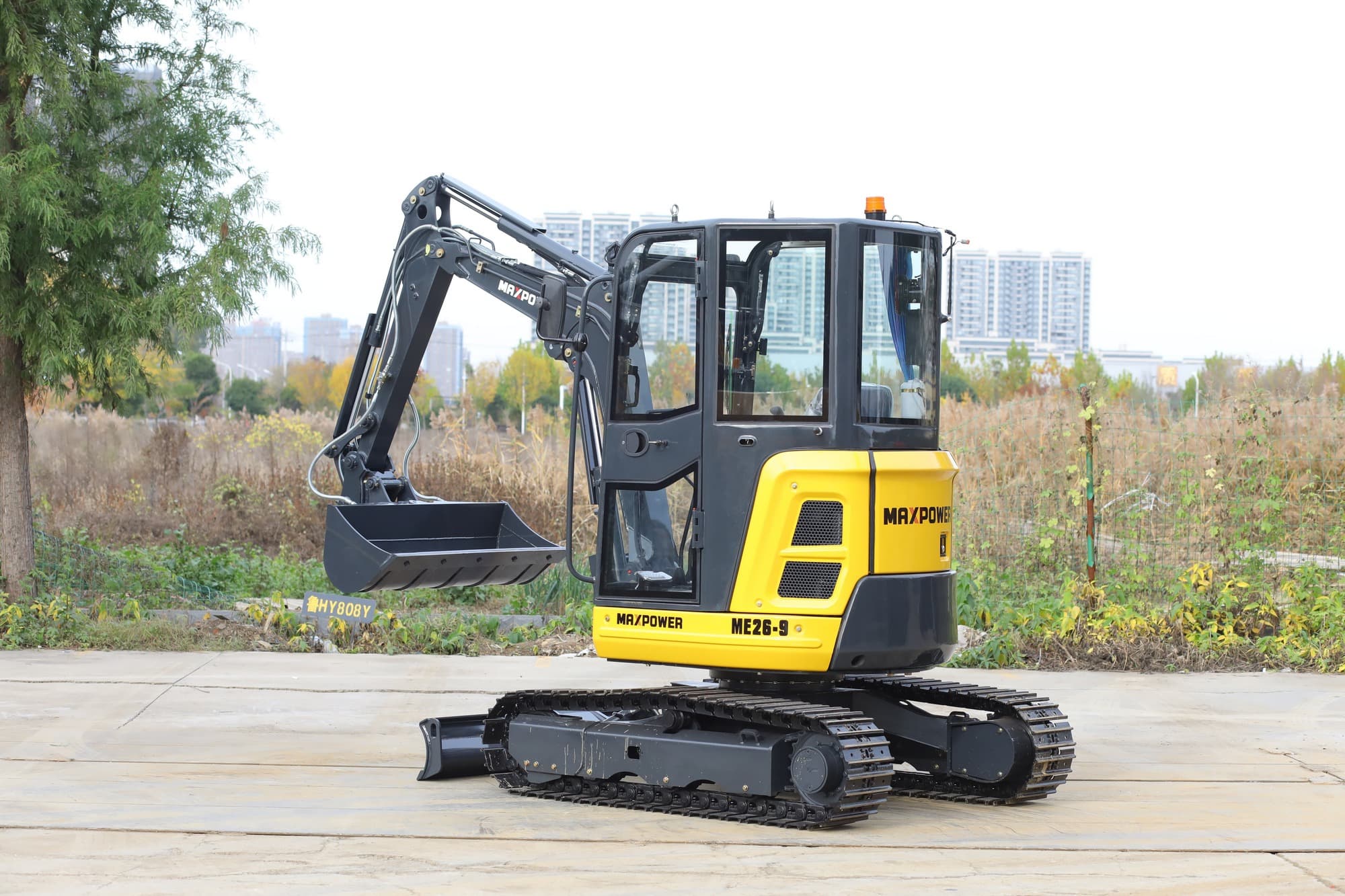
Mini excavators represent the smallest segment of the excavator market and are designed for precision-focused, light-duty applications.
Mini excavators usually weigh between 1 and 3 tons. Their compact dimensions allow them to pass through narrow gates, work close to existing structures, and operate in spaces inaccessible to larger equipment. They are easy to transport using light trailers and can often be operated with minimal training.
Because of their size, mini excavators place less ground pressure on surfaces, making them ideal for finished landscapes, sidewalks, and residential areas where surface damage must be minimized.
Mini excavators are widely used for landscaping, small drainage projects, fence post digging, irrigation installation, and shallow trenching. They are also popular in renovation projects where indoor or semi-enclosed operation is required. For contractors who specialize in residential or decorative work, mini excavators provide excellent control and efficiency.
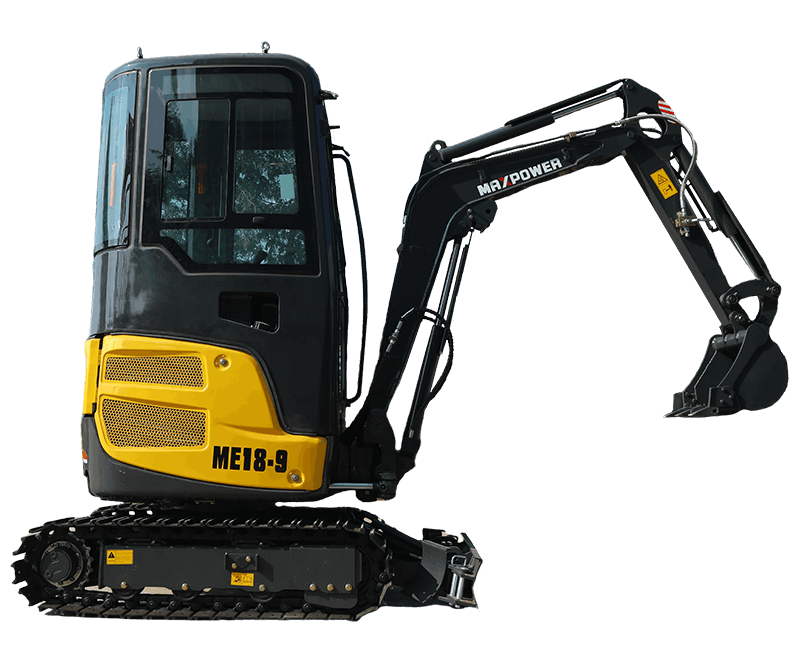
A small excavator is a broader classification that includes mini excavators but extends into higher-capacity compact machines designed for more demanding work.
Small excavators generally range from 1 ton up to about 6 tons. Compared to mini excavators, they offer stronger digging force, increased lifting capacity, and improved hydraulic flow. Many models are designed to operate a wide range of attachments without sacrificing stability or control.
These machines strike a balance between compact size and job-site power, making them suitable for contractors who need flexibility across different project types.
Small excavators are commonly used in utility trenching, municipal maintenance, residential foundation work, road-side construction, and light commercial projects. Their ability to handle varied soil conditions and heavier materials makes them a practical choice for contractors who want one machine to cover multiple tasks.
Understanding the operational differences between these machines helps buyers align equipment selection with project demands.
Mini excavators are optimized for ultra-tight spaces and light-duty work. Small excavators include these machines but also cover larger models that offer greater stability and reach. As project depth and material weight increase, operating weight becomes a critical factor in maintaining safe and efficient performance.
Mini excavators prioritize precision over power. Their hydraulic systems are sufficient for basic digging and light attachments. Small excavators provide higher breakout force, stronger arm performance, and more consistent output when working in compacted soil or mixed ground conditions.
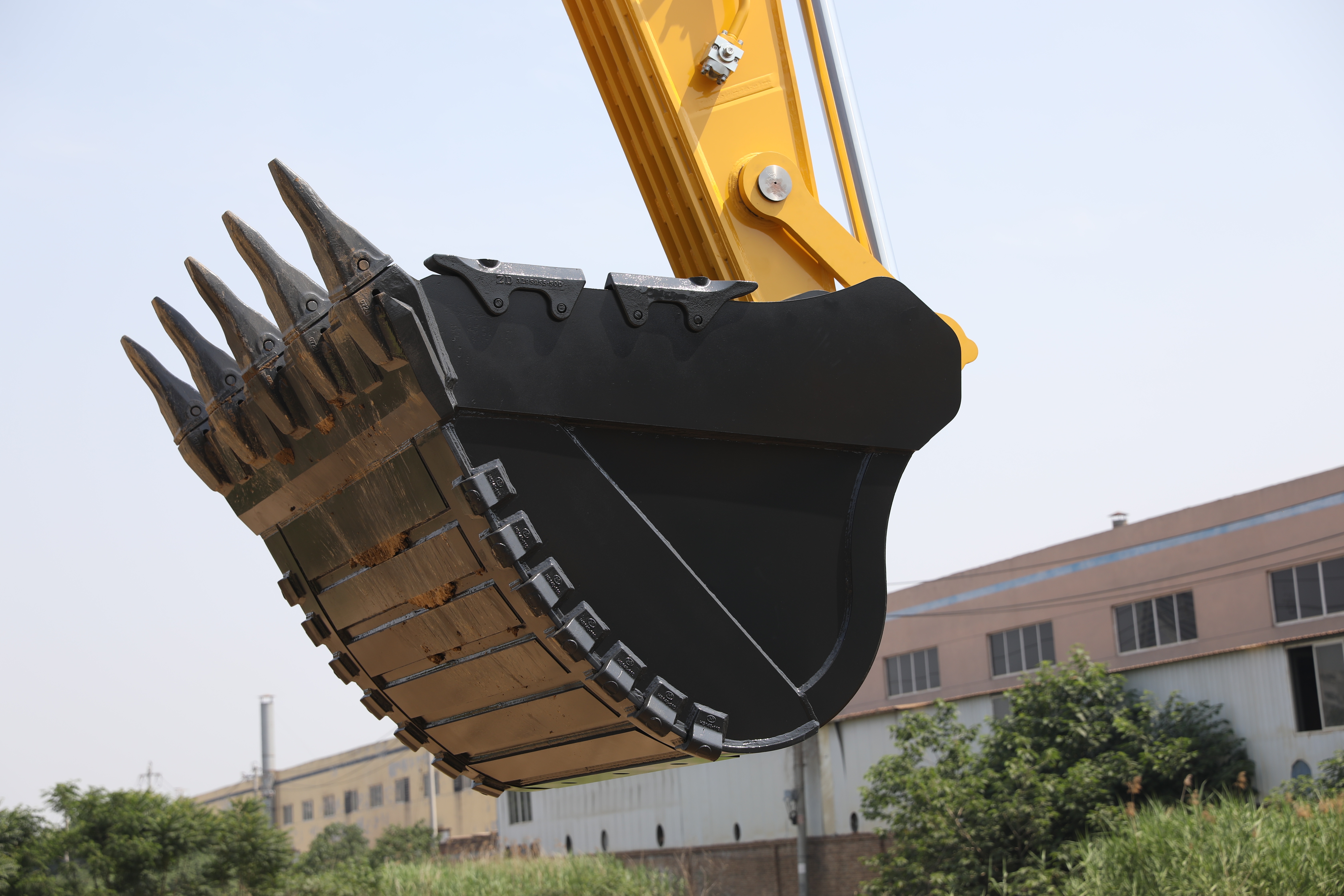
Mini excavators typically support standard buckets and light augers. Small excavators are designed to operate a wider range of hydraulic attachments, including breakers, thumbs, trenchers, and tilt buckets. This versatility allows contractors to expand service offerings without purchasing additional machines.
Mini excavators excel in specialized, low-impact tasks. Small excavators allow contractors to take on broader job scopes, reducing reliance on subcontractors or additional equipment.
Initial purchase price is only one part of the investment decision. Long-term operating cost and utilization rate matter more.
| Factor | Mini Excavator | Small Excavator |
|---|---|---|
| Initial Investment | Lower | Moderate |
| Fuel Consumption | Very low | Low |
| Transport Cost | Minimal | Low |
| Attachment Capability | Limited | Extensive |
| Job Flexibility | Narrow | Broad |
| Long-Term ROI | Task-specific | Higher overall |
Mini excavators offer excellent value for niche applications. Small excavators provide stronger long-term ROI for businesses seeking flexibility and growth.
Mini excavators are often sufficient for contractors working primarily in residential environments where access is limited and precision is critical.
Small excavators are better suited for trenching, pipe installation, and municipal projects where power, reach, and attachment flexibility are essential.
From a rental perspective, small excavators typically achieve higher utilization rates. Their ability to serve multiple customer types makes them a more versatile fleet investment.
Both machine types benefit from regular maintenance, but small excavators are often engineered with service access in mind. Easy access to filters, hydraulic components, and daily inspection points reduces downtime and service costs. Choosing a reliable brand with strong parts support further improves operational efficiency.
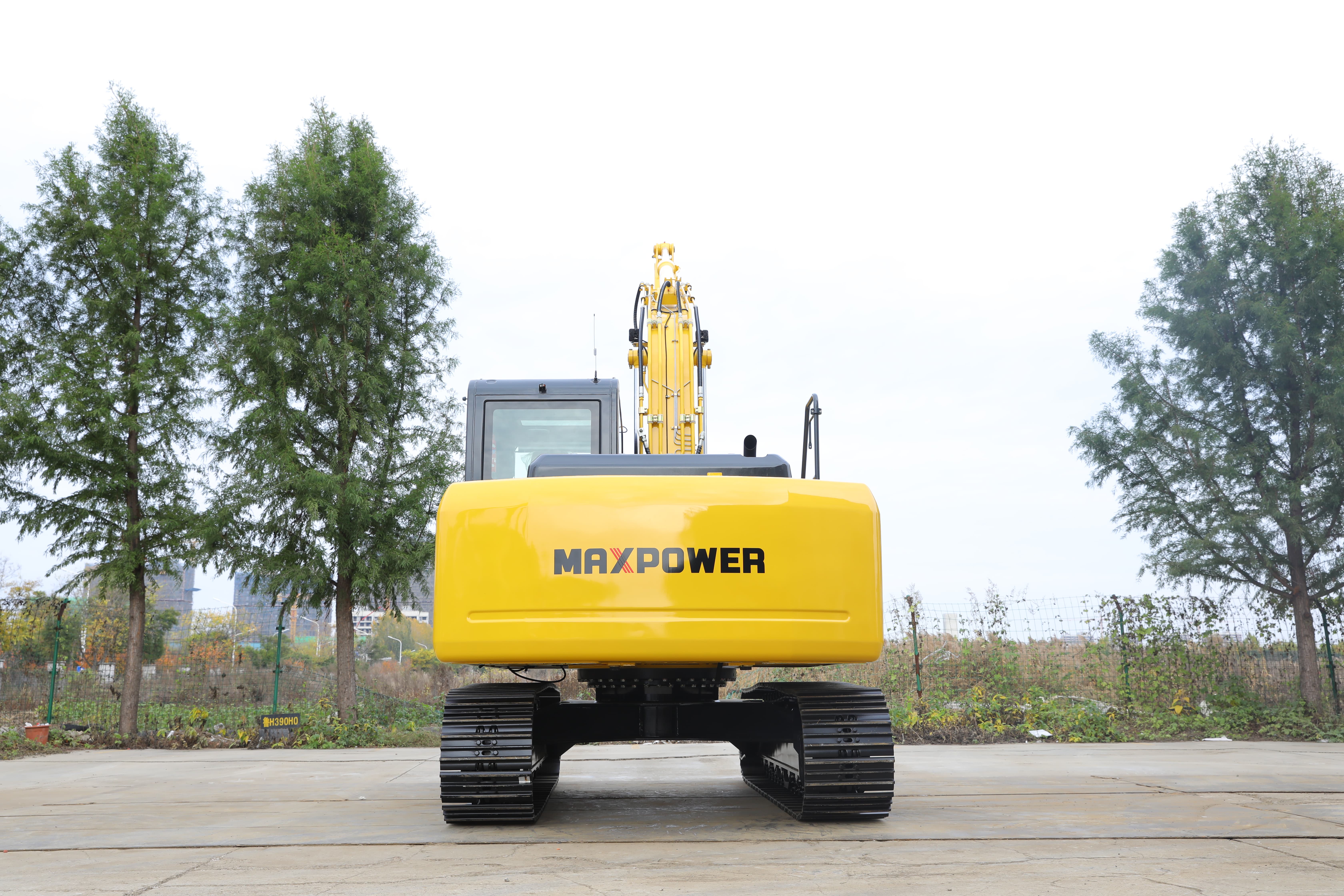
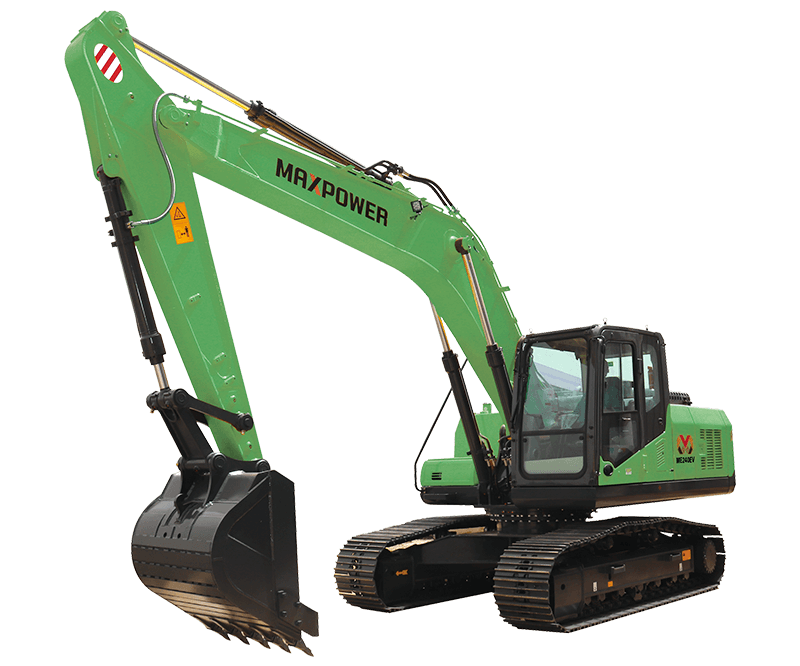
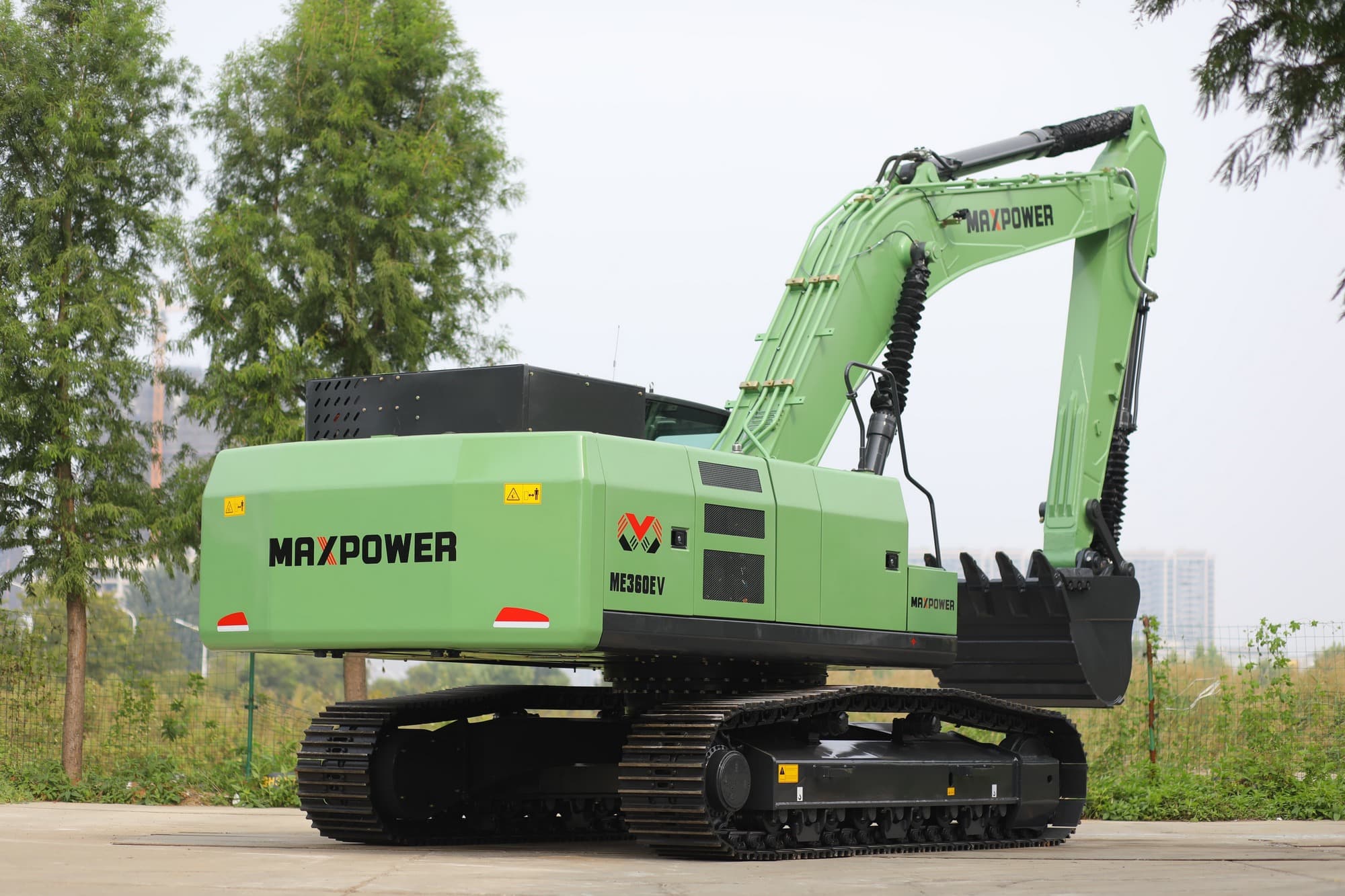
MAXPOWER designs small excavators to cover both mini and compact performance ranges, ensuring customers are not limited by terminology. Our machines are built with durable structures, reliable hydraulic systems, and compatibility with multiple attachments. Operator comfort, ease of maintenance, and consistent performance are prioritized across all models.
By focusing on real-world application needs rather than category labels, MAXPOWER helps contractors, municipalities, and rental companies invest with confidence.
The difference between small excavators and mini excavators goes beyond size. Mini excavators specialize in precision and accessibility, while small excavators offer broader capability, stronger performance, and higher long-term value. Understanding these distinctions allows equipment buyers to select machines that support productivity today and business growth tomorrow.
1. Are mini excavators and small excavators interchangeable terms?
Mini excavators are part of the small excavator category, but not all small excavators are mini excavators.
2. Which machine is better for utility trenching?
Small excavators are generally better due to deeper reach and higher hydraulic power.
3. Do small excavators significantly increase operating costs?
No, they remain fuel-efficient while offering greater productivity.
4. Can mini excavators handle hydraulic attachments?
They can handle basic attachments, but options are more limited than small excavators.
5. Which option offers better long-term value?
For most contractors, small excavators deliver better versatility and ROI.
MAXPOWER experts are ready to help you evaluate your project requirements, budget, and long-term goals. Contact us today for personalized advice and equipment solutions that maximize efficiency and return on investment. Make the right choice from the start—partner with MAXPOWER for reliable excavation performance.