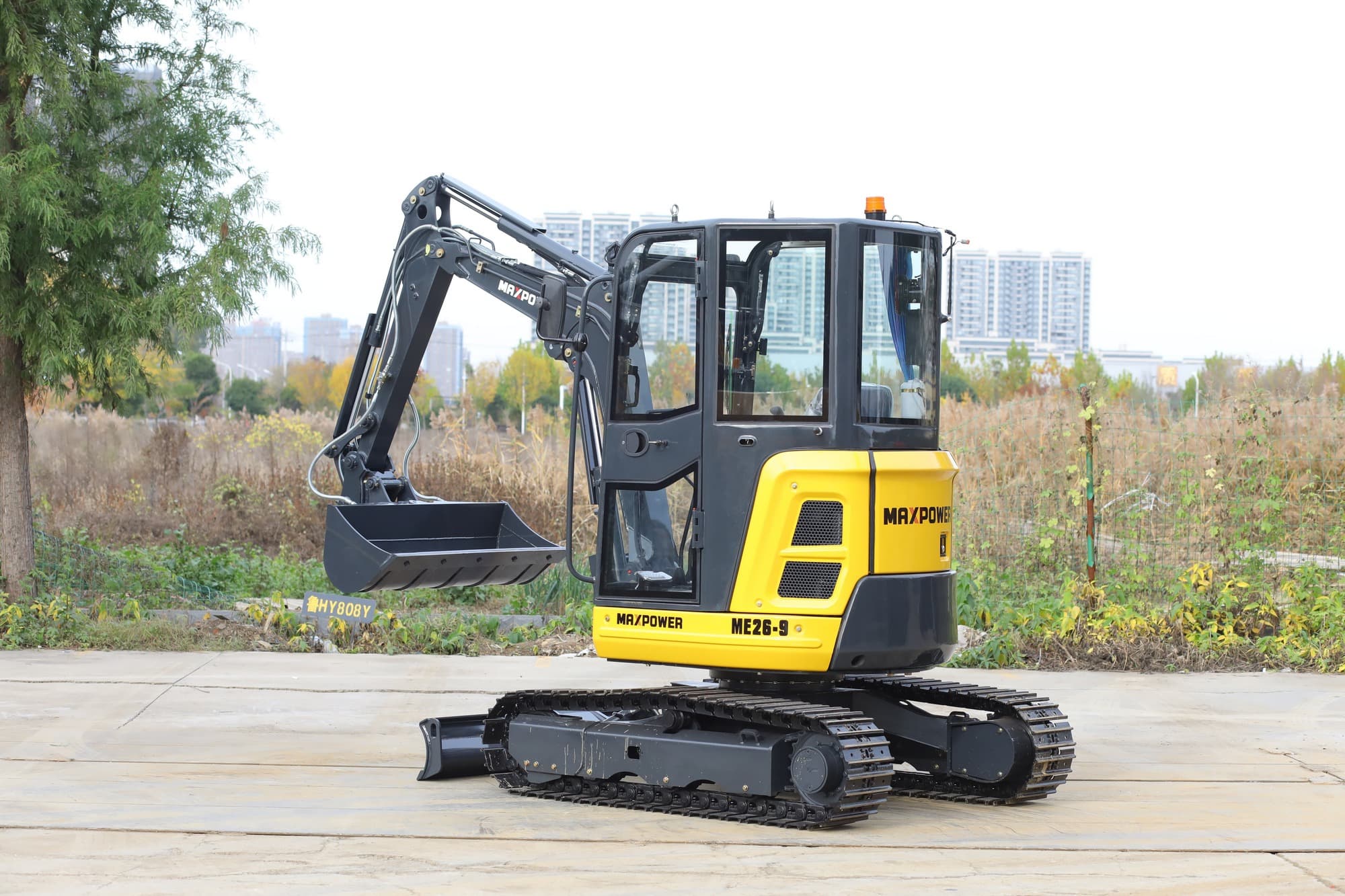
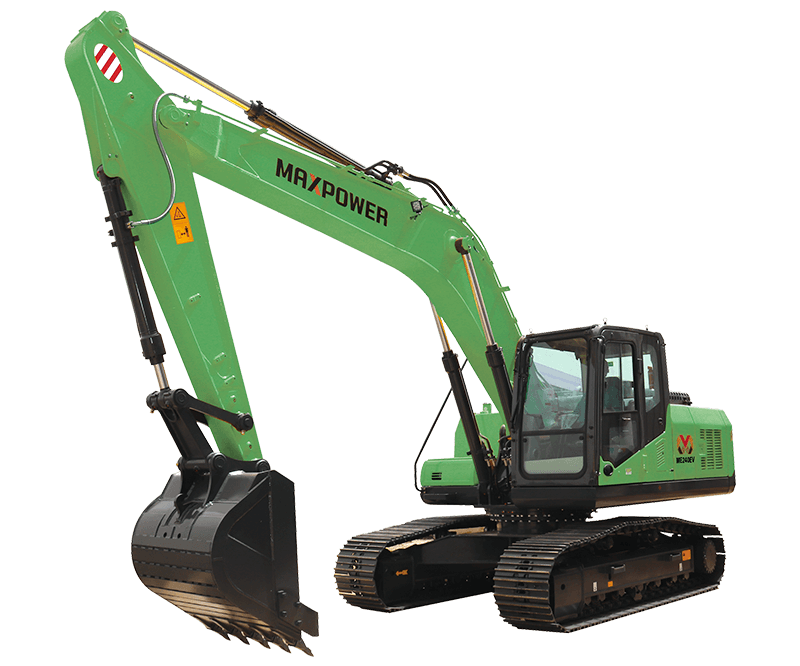
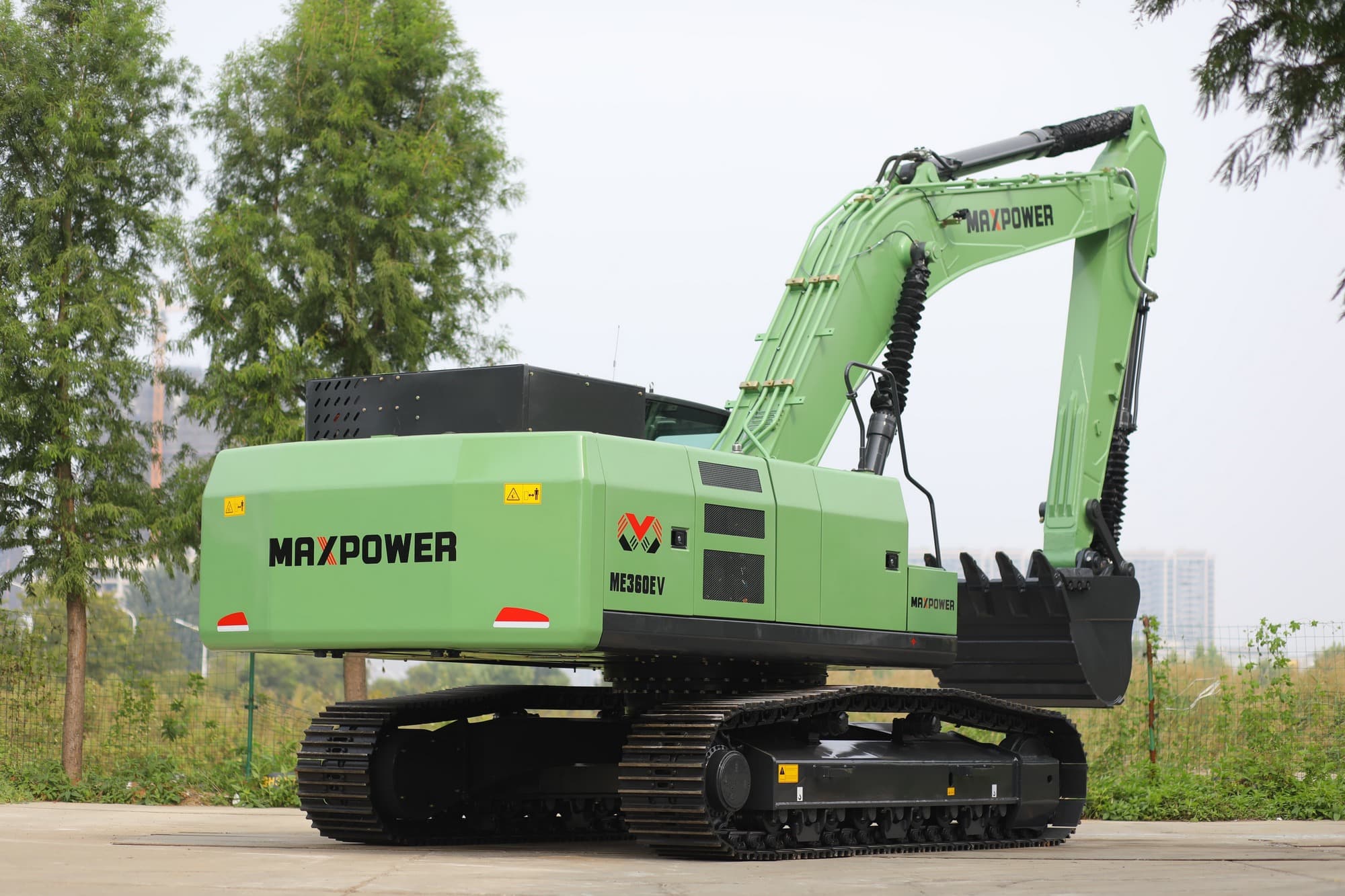
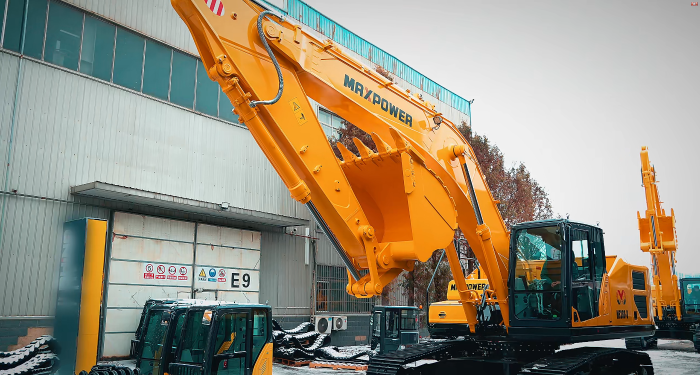
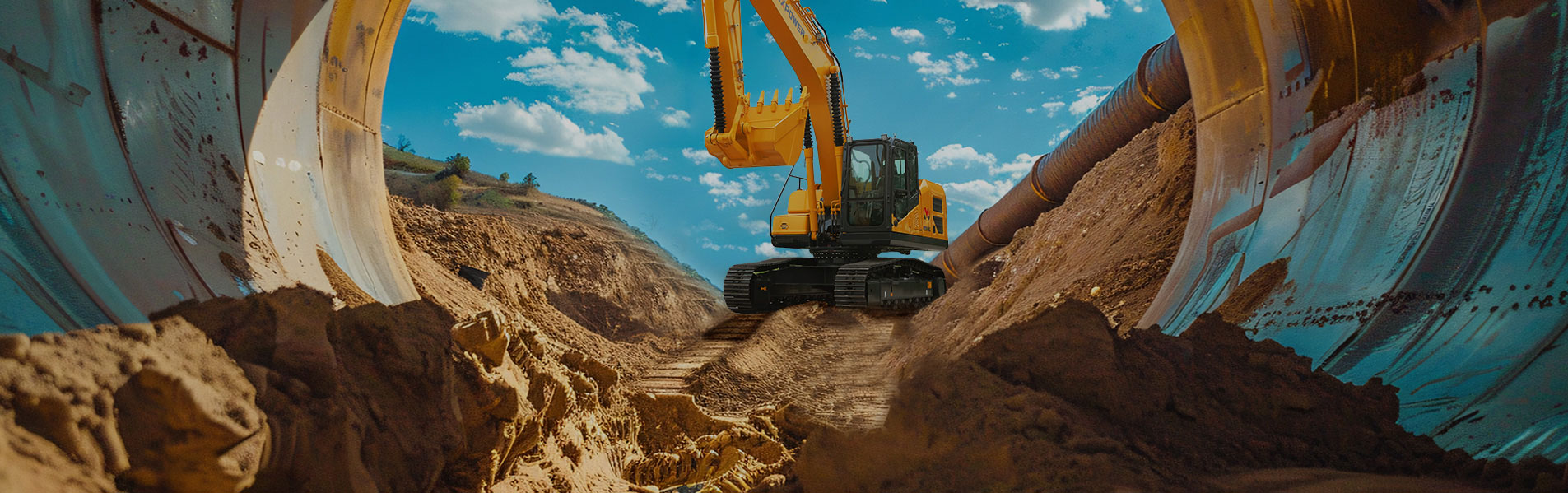
Trenching and utility installation projects demand a careful balance of precision, power, and efficiency. Whether installing water lines, sewer pipes, gas systems, or fiber optic cables, contractors need equipment that can work accurately in confined spaces without sacrificing productivity. This is where small excavators play a critical role.
For utility contractors, municipal teams, and rental companies, small excavators offer a reliable solution that combines compact size with sufficient digging force. In this guide, we explore why small excavators are ideal for trenching and utility installation, how to choose the right configuration, and how MAXPOWER small excavators support safe, efficient, and cost-effective operations.
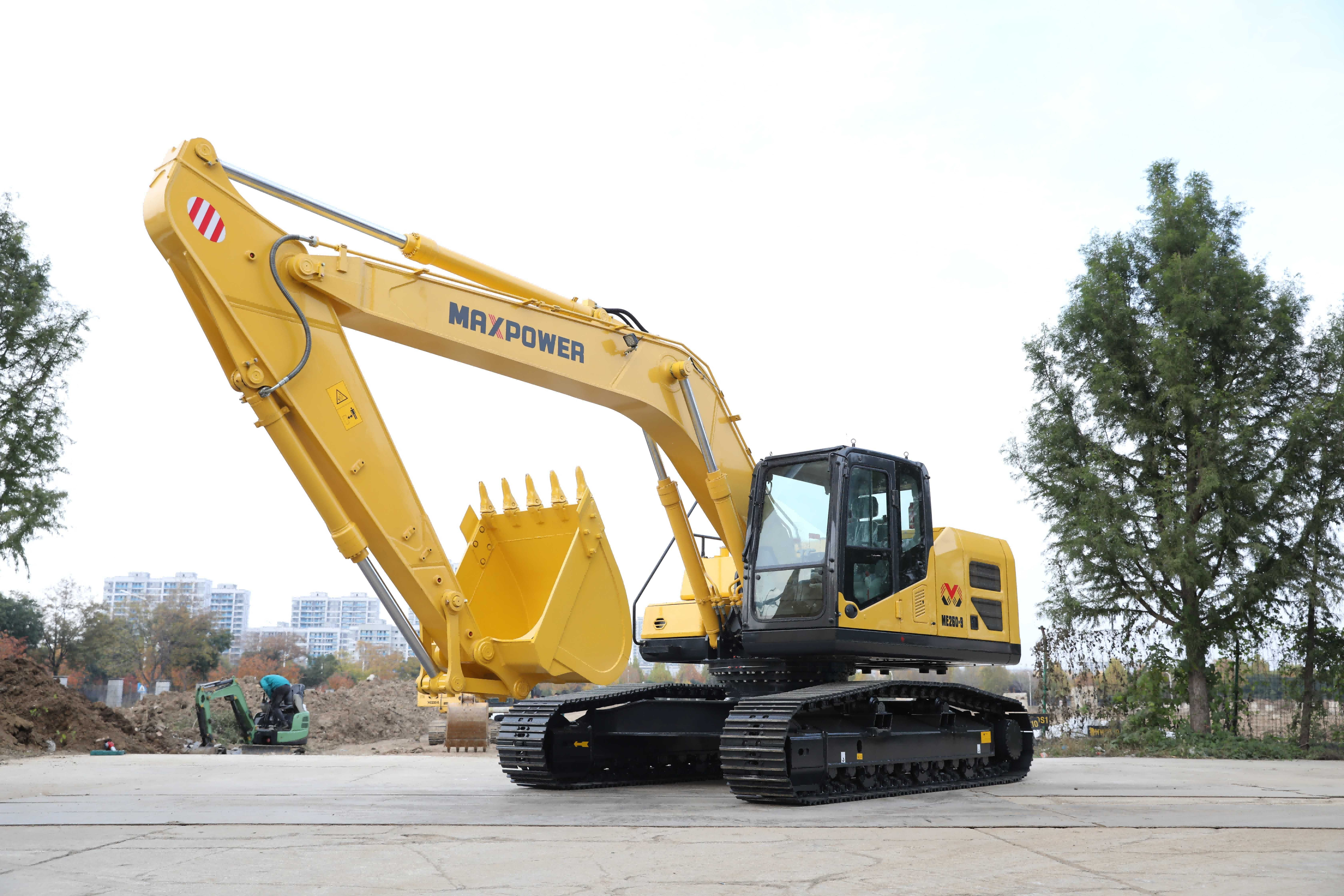
Utility installation is fundamentally different from general earthmoving. Trenches must meet strict depth, width, and alignment requirements, often in areas with existing infrastructure, traffic, or limited access. Mistakes can lead to costly rework, safety hazards, or service disruptions.
Small excavators are designed to address these challenges by providing precise control, stable digging performance, and excellent maneuverability in narrow or crowded environments.
Many utility projects take place along roadsides, sidewalks, residential streets, or inside industrial facilities. Large excavators are often impractical in these environments. Small excavators can operate in tight corridors, close to buildings, and around existing utilities with minimal disruption.
Trenching requires accuracy. Over-excavation wastes time and backfill material, while under-excavation can compromise pipe placement. Small excavators allow operators to maintain consistent trench dimensions, ensuring compliance with project specifications.
Despite their size, modern small excavators deliver enough breakout force and hydraulic power to handle compacted soil, clay, and mixed ground conditions commonly encountered in utility work.
Small excavators are widely used for digging trenches for potable water, wastewater, and storm drainage systems. Their controlled digging capability helps maintain proper trench slopes and bedding conditions.
Precision is especially critical when installing gas lines and electrical conduits. Small excavators allow careful excavation around existing infrastructure, reducing the risk of accidental damage.
Telecom and fiber optic installations often require shallow, narrow trenches over long distances. Small excavators increase productivity while maintaining consistency and minimizing surface disturbance.
For repair projects, speed and access matter more than volume. Small excavators can quickly mobilize, dig, and backfill without extensive site preparation.
The excavator’s maximum digging depth must match trench requirements. Many small excavators offer sufficient reach for utility trenches while maintaining stability.
Consistent hydraulic flow is essential for smooth trenching and attachment operation. Machines with reliable hydraulics maintain productivity throughout long workdays.
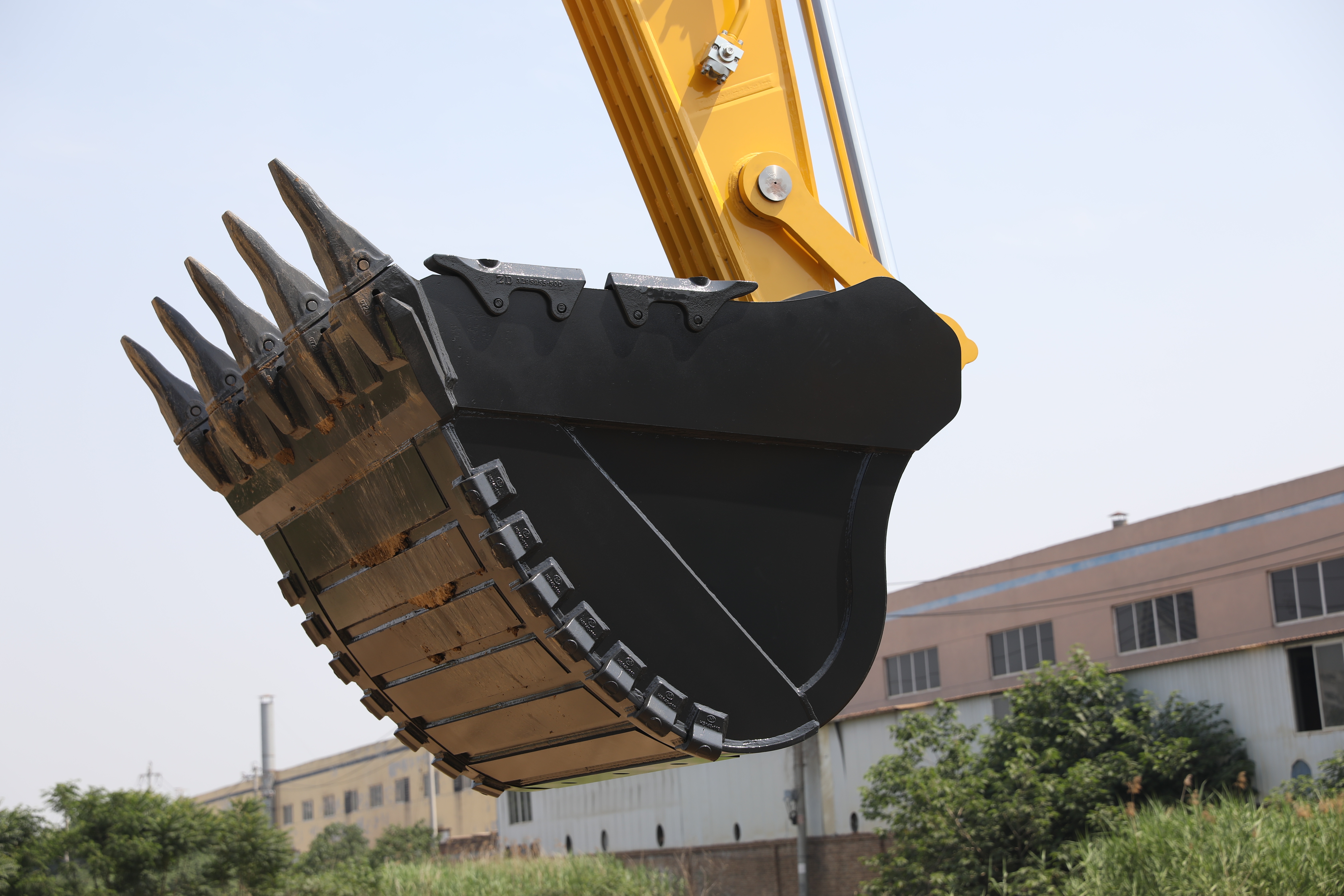
Trenching buckets, grading buckets, hydraulic breakers, and augers expand the excavator’s functionality. Quick couplers allow fast attachment changes between tasks.
A well-designed undercarriage improves balance during trenching, especially when working on uneven ground or near trench edges.
| Aspect | Small Excavator | Large Excavator |
|---|---|---|
| Site Access | Excellent | Limited |
| Trench Precision | High | Moderate |
| Fuel Consumption | Low | High |
| Mobilization Time | Short | Long |
| Utility Damage Risk | Lower | Higher |
For most utility projects, small excavators provide better overall efficiency and lower operating risk than larger machines.
Safety is critical when working around underground utilities and open trenches.
Small excavators offer better visibility of the trench and surrounding area, helping operators avoid existing cables and pipes.
Smooth, responsive controls reduce sudden movements that could destabilize trench walls or damage utilities.
Compact machines require smaller work zones, lowering risks to pedestrians, traffic, and nearby structures.
Small excavators help control project costs through lower fuel consumption, reduced transport expenses, and faster setup times. Their versatility allows contractors to use one machine for digging, lifting, backfilling, and site cleanup, improving utilization rates and return on investment.
Rental companies also benefit from high demand for small excavators in utility work, making them a strong fleet investment.
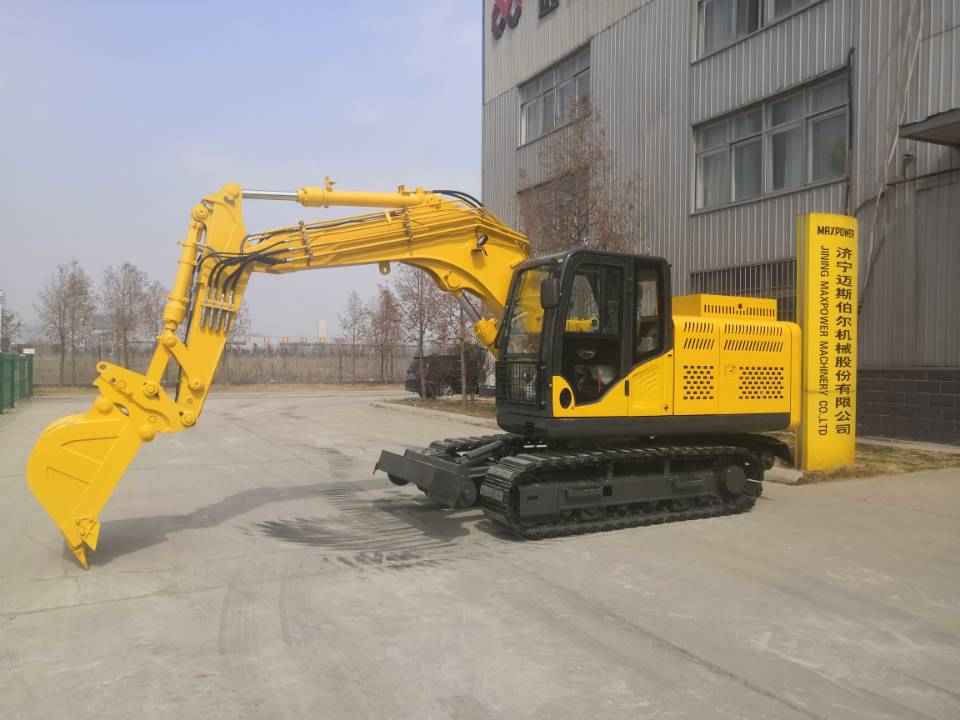
MAXPOWER small excavators are engineered to meet the demands of trenching and utility installation. They combine compact dimensions with strong hydraulic systems, stable undercarriage design, and compatibility with essential trenching attachments. Easy maintenance access, durable components, and operator-focused ergonomics help reduce downtime and improve job-site productivity.
By focusing on reliability and real-world performance, MAXPOWER ensures contractors can complete utility projects safely, efficiently, and on schedule.
Small excavators have become essential equipment for trenching and utility installation. Their compact size, precise control, and versatile performance make them ideal for modern infrastructure projects where efficiency and safety are critical. Choosing the right small excavator allows contractors to complete utility work faster, reduce operational costs, and minimize site disruption.
1. Are small excavators suitable for deep utility trenches?
Yes, as long as the machine’s digging depth meets project requirements.
2. What attachments are commonly used for trenching?
Trenching buckets, grading buckets, and hydraulic breakers are commonly used.
3. Do small excavators reduce the risk of utility damage?
Their precision and visibility help lower the risk compared to larger machines.
4. Are small excavators cost-effective for utility contractors?
Yes, due to low fuel use, high versatility, and fast mobilization.
5. Why choose MAXPOWER for utility excavation?
MAXPOWER offers reliable, durable small excavators designed for real utility job demands.
MAXPOWER small excavators are designed to deliver precision, efficiency, and long-term value on demanding job sites. Contact MAXPOWER today for expert advice and personalized equipment recommendations. Choose the right excavator now and ensure your utility projects are completed safely, efficiently, and on schedule.