Choosing a small excavator is not just about picking a machine that “looks right.” The wrong choice can lead to reduced productivity, higher operating costs, and limitations that only become obvious once the job has started.
For contractors, utility teams, and equipment buyers, selecting the right small excavator means understanding how the machine will actually be used on real job sites. This guide breaks down the key factors you should consider so you can make a confident, practical decision that supports long-term performance and profitability.
Small excavators are designed to be versatile, but not all projects have the same requirements. A model that excels in landscaping work may not be well-suited
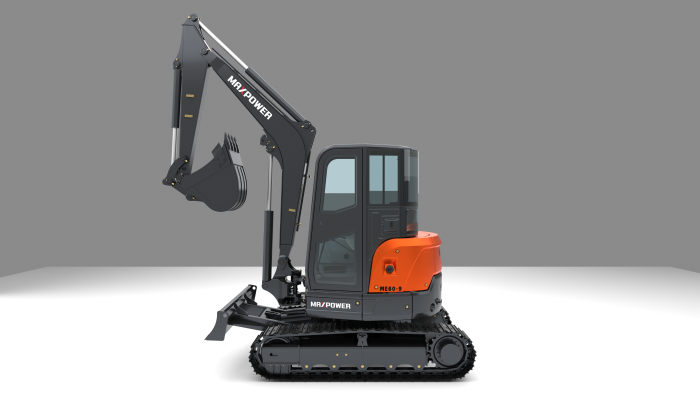
for utility trenching or urban construction.
Choosing the right small excavator helps you:
Complete jobs faster and with fewer adjustments
Reduce fuel and maintenance costs
Improve operator comfort and safety
Avoid renting or buying additional equipment later
A well-matched machine becomes a reliable asset instead of a limitation.
Before comparing specifications, start with the most important question: what kind of work will you do most often?
For foundations, drainage, and backyard work, compact size and precise control are critical. Machines that are easy to maneuver and transport offer the best value.
Utility projects demand accurate trench depth, stable hydraulics, and compatibility with trenching buckets or augers. Visibility and smooth operation are especially important when working near existing utilities.
Landscaping work benefits from machines that support grading attachments and can operate without damaging surrounding surfaces.
In urban environments, noise control, compact dimensions, and reliable performance in restricted spaces become top priorities.
Understanding your primary application will guide every other decision.
Operating weight directly affects stability, digging force, and site accessibility.
Lighter machines are easier to transport and ideal for tight residential areas. They minimize ground pressure and surface damage.
Heavier models provide increased digging force and stability, making them better suited for tougher soil conditions and utility work.
The key is balance. The excavator should be heavy enough to perform efficiently but compact enough to access your most common job sites.
Digging depth and reach determine whether the excavator can complete tasks without repositioning or additional equipment.
If most of your work involves shallow trenches, excessive digging depth may not add value. However, for drainage systems or utility lines, insufficient reach can slow progress and reduce efficiency.
Always match digging capability to real project requirements rather than choosing maximum specifications by default.
Hydraulic systems define how smoothly and accurately a small excavator operates.
Consistent hydraulic flow improves control, especially when using attachments like breakers or augers.
Good hydraulic design allows operators to perform multiple movements at once, reducing cycle time and fatigue.
Reliable hydraulics improve productivity and extend component lifespan, especially under continuous use.
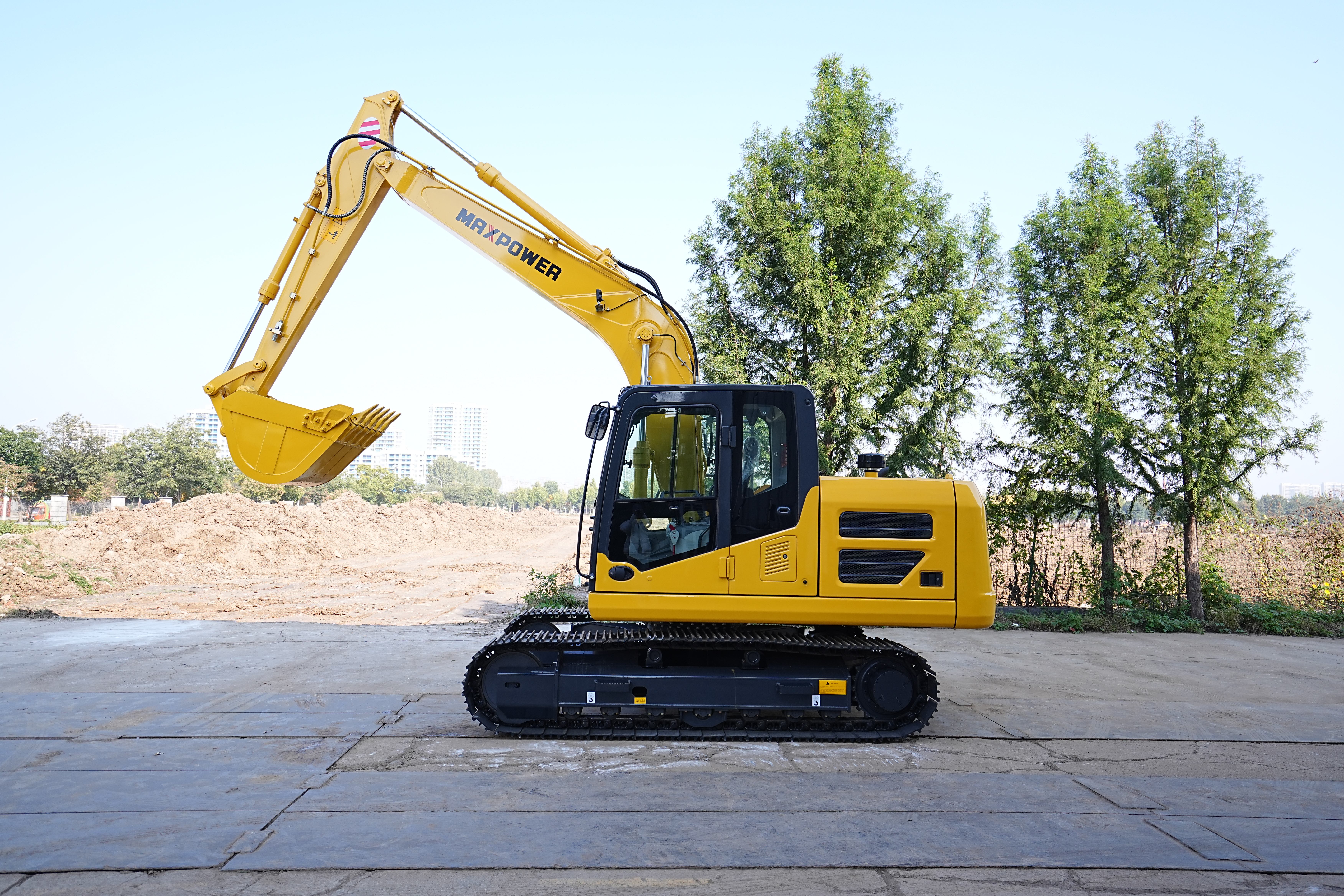
One of the biggest advantages of a small excavator is its ability to handle multiple tasks with different attachments.
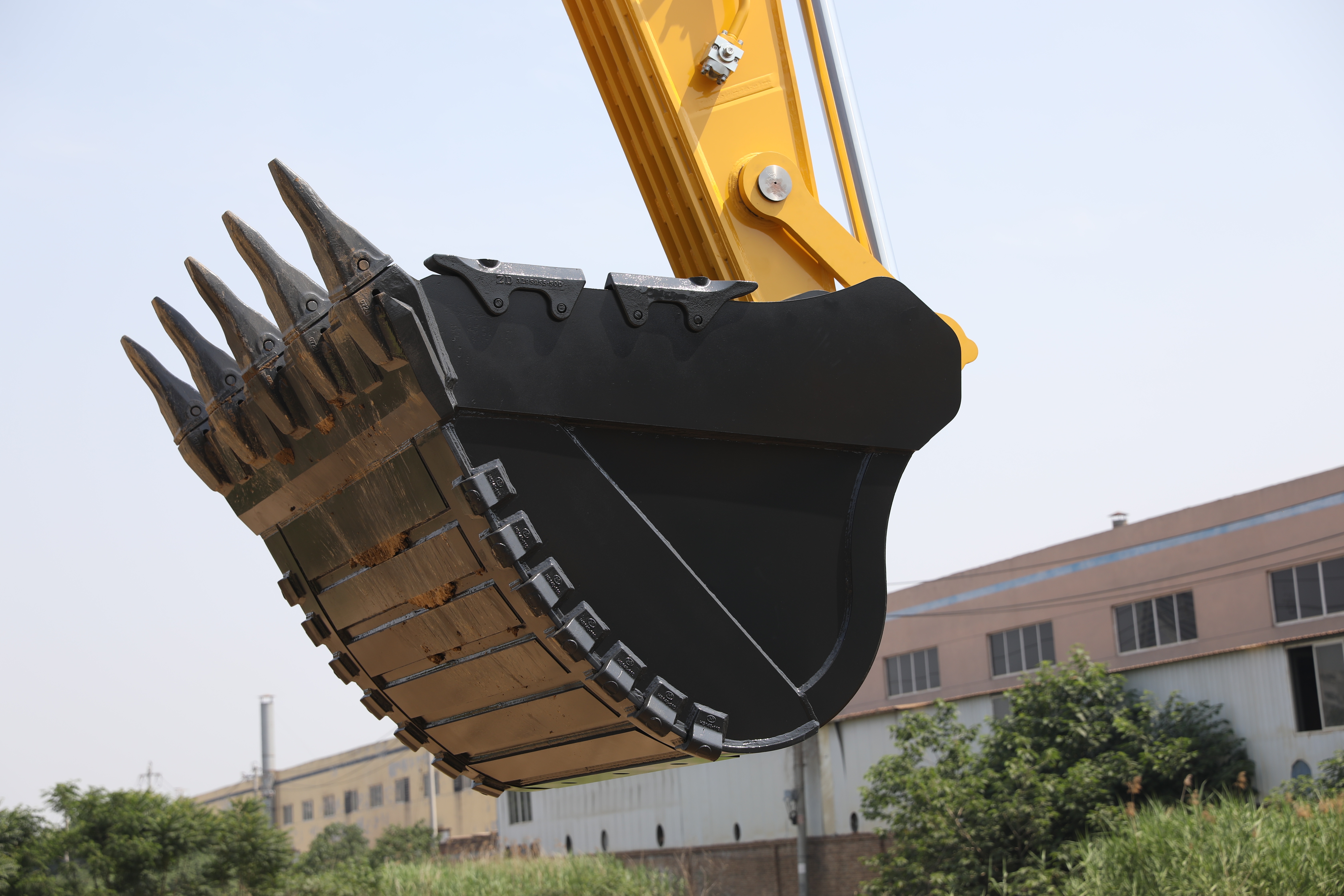
Trenching and grading buckets
Hydraulic breakers
Augers
Thumbs
Choosing a machine with broad attachment compatibility increases versatility and long-term value.
Operator comfort directly affects productivity, especially on long workdays.
Key features to look for include:
Ergonomic controls
Clear visibility from the cab
Smooth joystick response
Low vibration and noise levels
A comfortable operator works more efficiently and makes fewer mistakes.
Purchase price is only one part of total ownership cost. Maintenance access and durability play a major role over time.
Machines with well-designed service points reduce downtime and simplify routine inspections.
Strong structures and reliable components help ensure consistent performance across different job conditions.
Lower downtime means higher utilization and better return on investment.
| Evaluation Factor | Why It Matters |
|---|---|
| Operating Weight | Affects stability and access |
| Digging Depth | Determines job capability |
| Hydraulic System | Controls precision and efficiency |
| Attachments | Expands machine functionality |
| Maintenance | Impacts long-term cost |
Comparing machines using these practical criteria helps avoid decisions based on specifications alone.
A well-chosen small excavator allows contractors to take on diverse projects without renting additional equipment.
Precision, safety, and reliability make small excavators ideal for public infrastructure work.
Versatile machines with broad appeal deliver strong utilization rates and consistent demand.
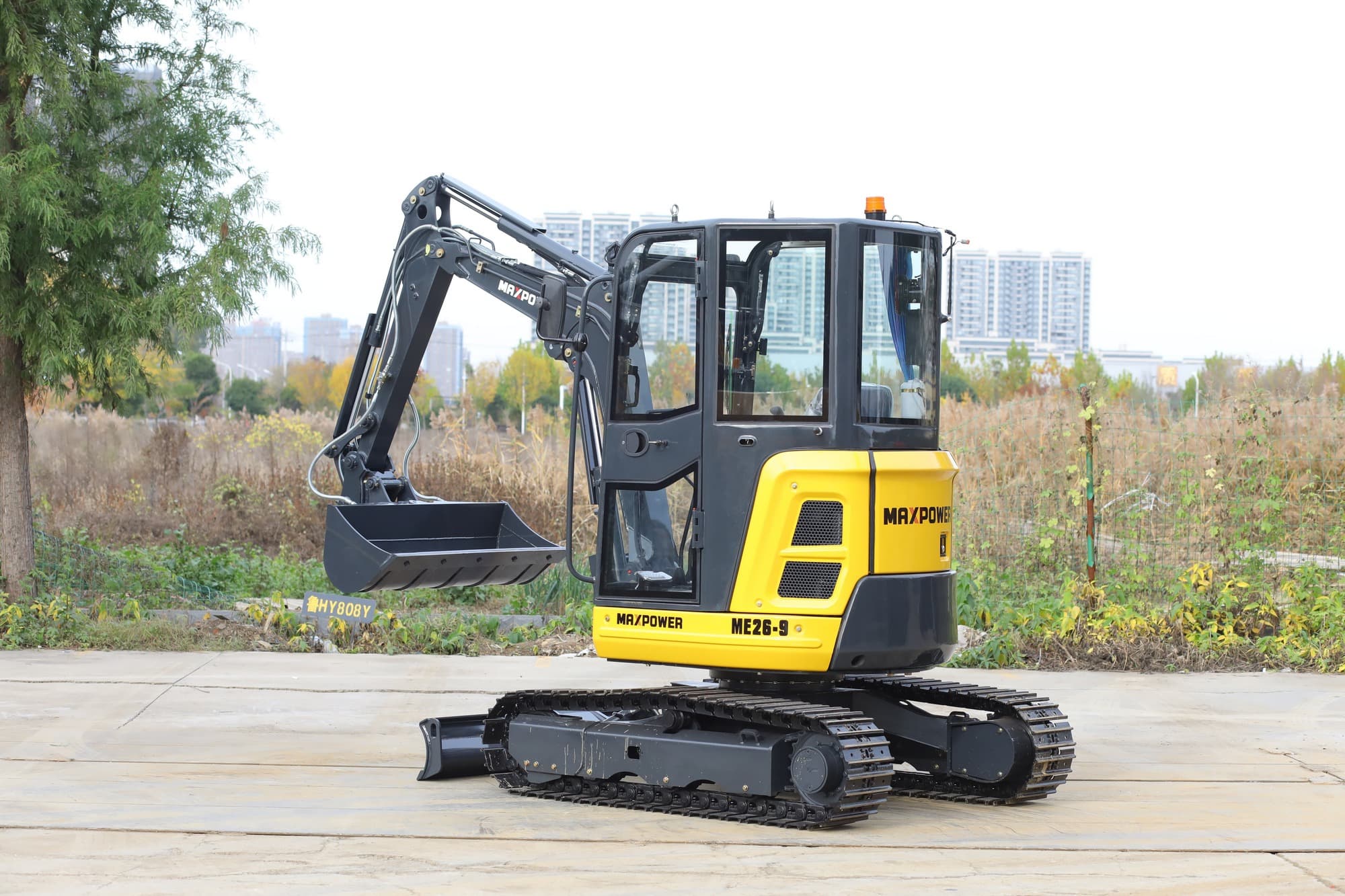
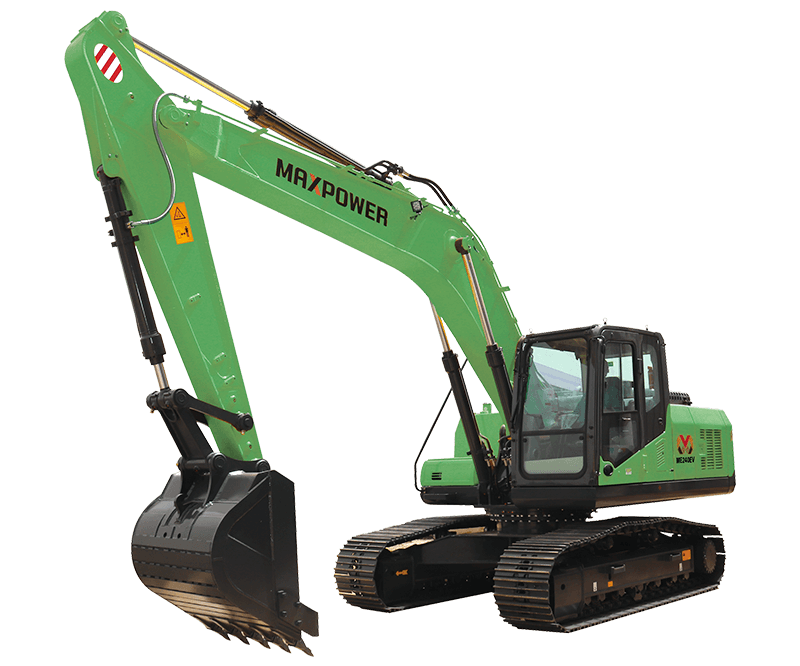
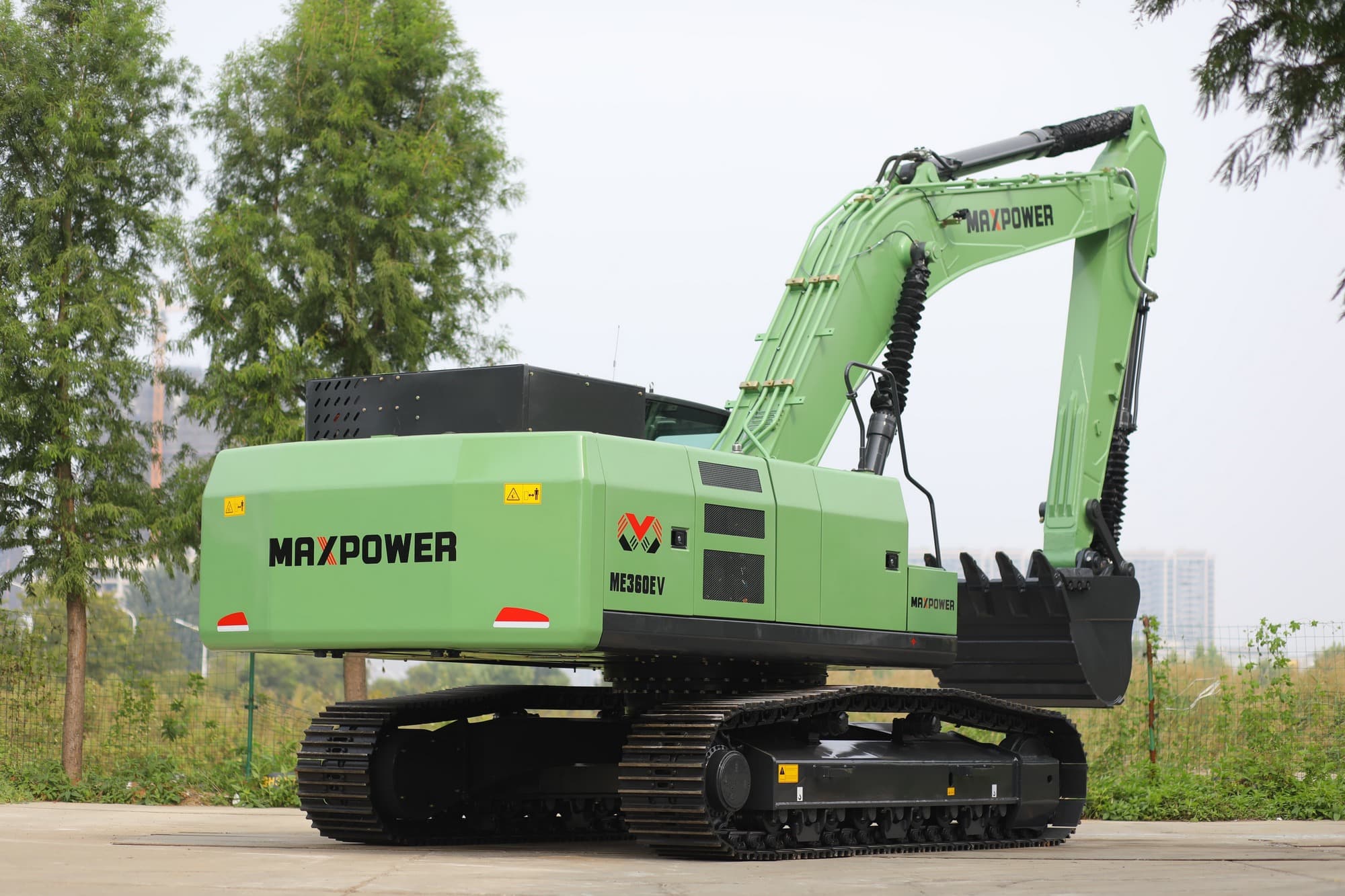
MAXPOWER designs small excavators with real job-site conditions in mind. From reliable hydraulic systems to durable construction and attachment compatibility, MAXPOWER machines are built to support contractors who need dependable performance across multiple applications. Easy maintenance access and operator-focused design help maximize uptime and long-term value.
Knowing how to choose a small excavator starts with understanding your actual work requirements. By focusing on application, size, digging capability, hydraulics, and long-term ownership costs, you can select a machine that delivers efficiency, flexibility, and reliability.
The right small excavator is not just equipment—it’s a tool that supports better project outcomes and business growth.
How do I choose the right size small excavator?
Match the operating weight and size to your most common job sites and tasks.
Is hydraulic performance important for small excavators?
Yes, it directly affects control, efficiency, and attachment operation.
Can one small excavator handle different jobs?
Yes, with the right attachments, one machine can perform multiple tasks.
Are small excavators cost-effective long term?
They often reduce fuel, transport, and rental costs.
Why consider MAXPOWER small excavators?
They are designed for durability, versatility, and real-world construction needs.
MAXPOWER is ready to help. Our experts work closely with contractors and equipment buyers to recommend small excavators that match real applications—not just specifications. Contact MAXPOWER today for professional guidance and dependable construction equipment solutions.