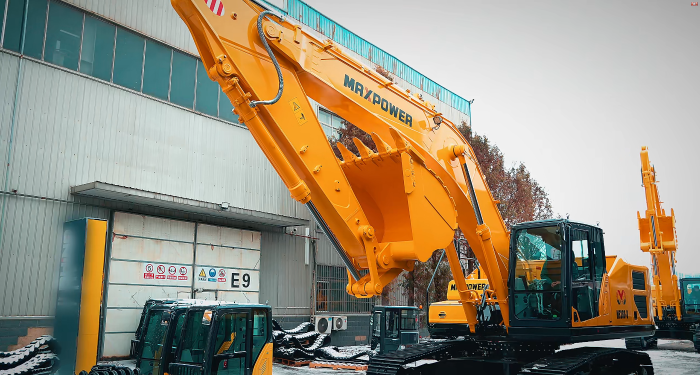
The construction industry is rapidly evolving as environmental regulations tighten and sustainability becomes a priority. Electric excavators are gaining attention as an alternative to traditional diesel-powered machines, especially in urban and environmentally sensitive projects.
But are electric excavators suitable for your operation? Understanding their advantages, limitations, and ideal applications is essential before making an investment decision.
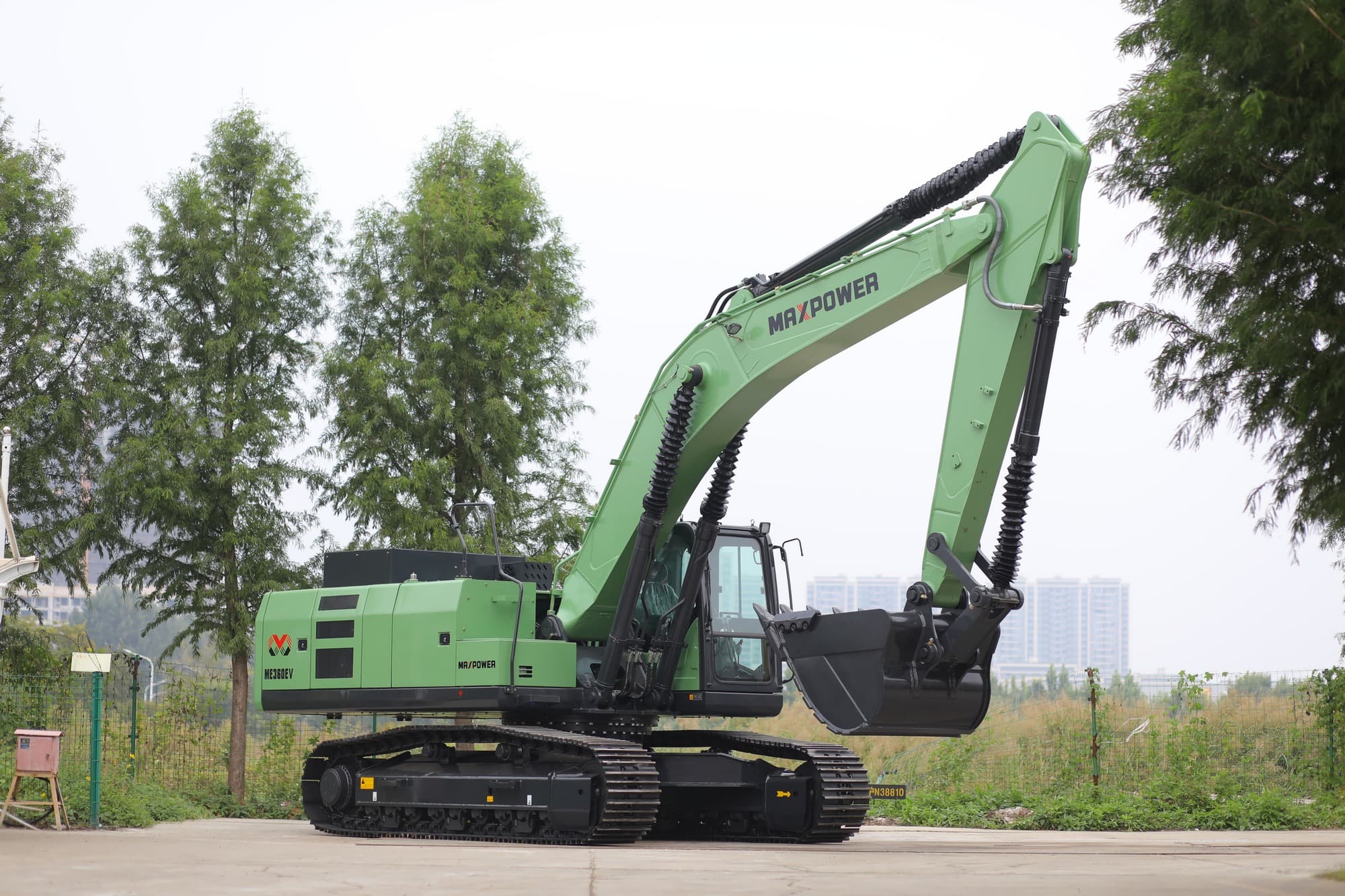
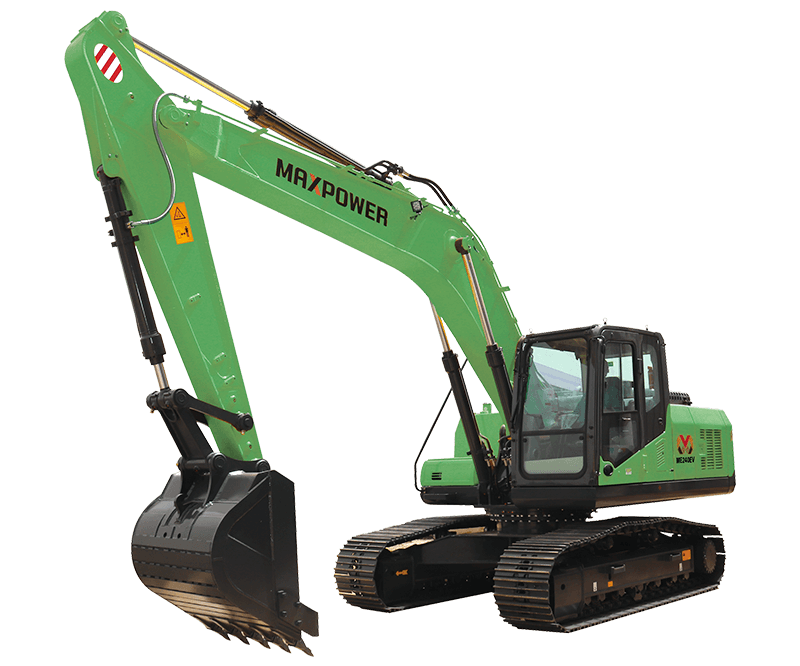
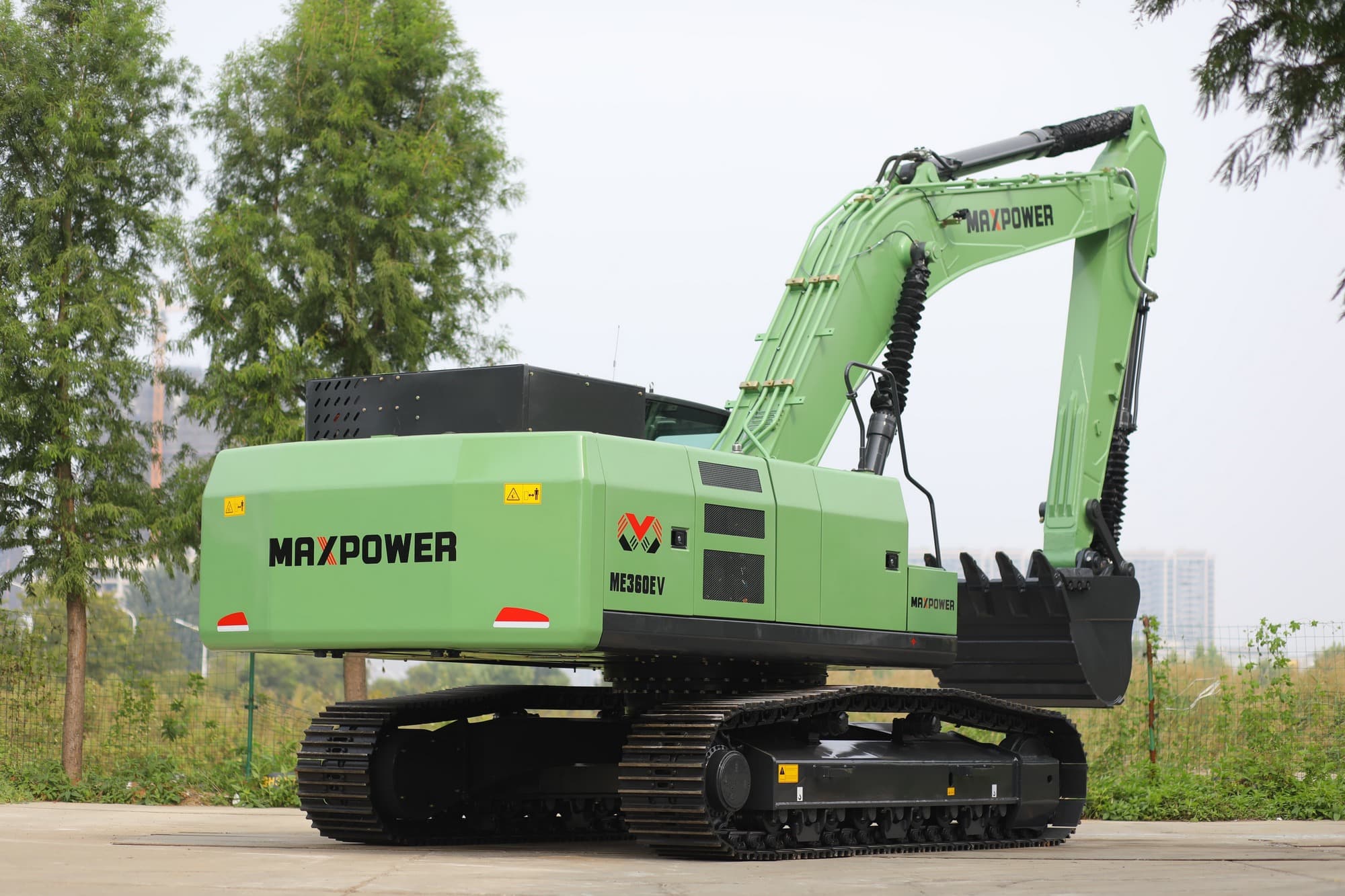
An electric excavator is powered by either a rechargeable battery system or a direct electric power connection instead of a diesel engine. By eliminating combustion, these machines significantly reduce emissions and noise during operation.
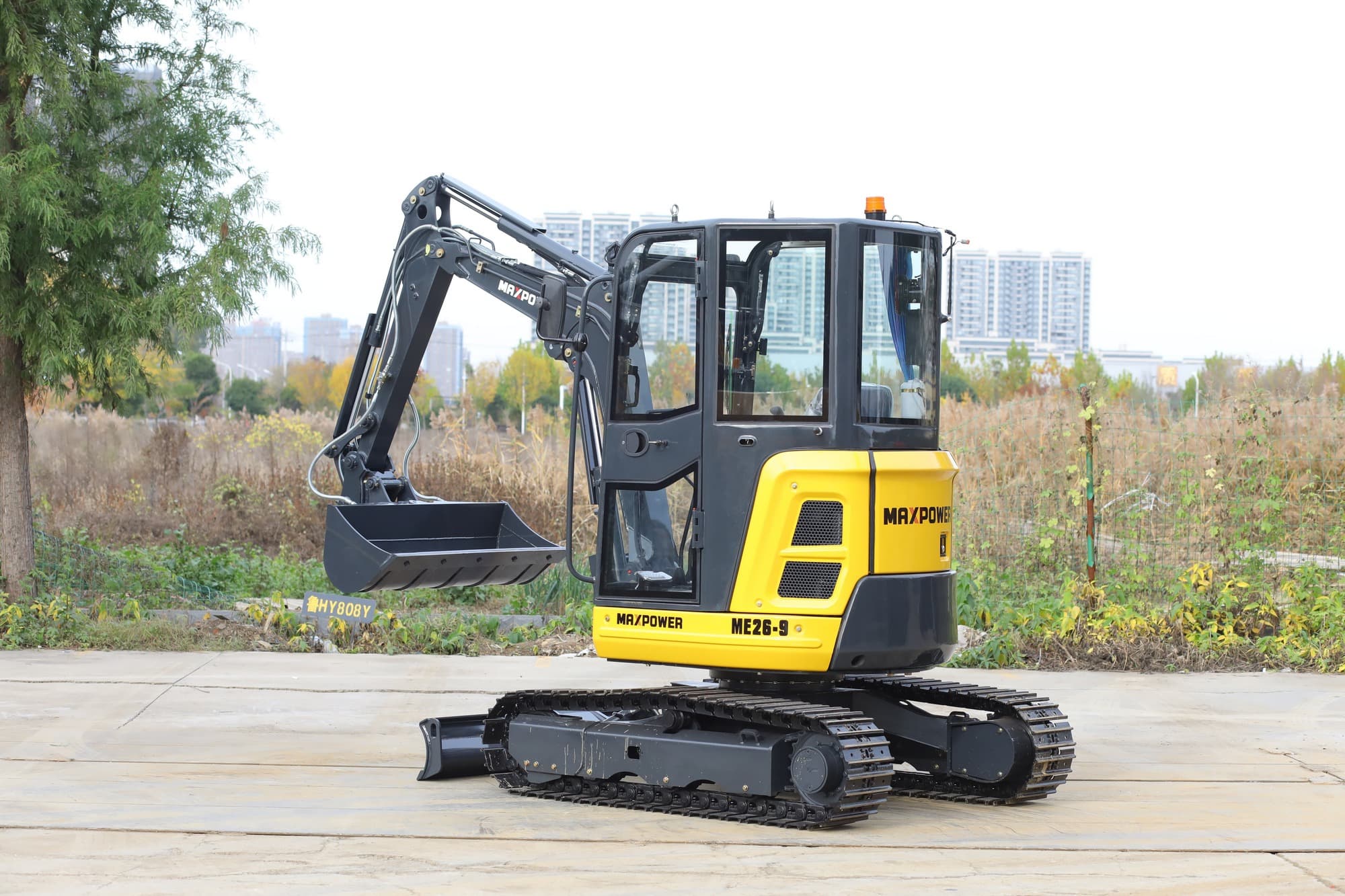
Most electric excavators currently available are in the small and compact categories, where battery efficiency and operational requirements are easier to balance.
Several market forces are driving demand.
Environmental regulations in many cities now restrict diesel equipment in low-emission zones. Electric excavators allow contractors to continue working without compliance issues.
Noise restrictions are becoming stricter in residential and urban areas. Electric machines operate much more quietly, making them suitable for nighttime or densely populated job sites.
Fuel cost volatility also encourages companies to explore more predictable energy alternatives. In many regions, electricity offers more stable long-term pricing compared to diesel.
In addition, sustainability goals and ESG commitments are influencing procurement decisions in both public and private sectors.
Electric excavators offer zero on-site exhaust emissions, which makes them ideal for enclosed environments such as tunnels, warehouses, and basements.
Lower noise levels improve operator comfort and reduce disturbance to surrounding communities.
Electric drivetrains generally contain fewer moving parts than diesel engines, potentially reducing maintenance requirements and downtime.
Instant torque delivery from electric motors provides smooth acceleration and precise control.
The following comparison outlines the primary operational differences between electric and diesel excavators.
| Factor | Electric Excavator | Diesel Excavator |
|---|---|---|
| On-Site Emissions | Zero | Produces exhaust emissions |
| Noise Level | Low | High |
| Energy Source | Electricity | Diesel fuel |
| Maintenance | Fewer engine-related components | Regular engine servicing required |
| Runtime | Limited by battery capacity | Longer continuous operation |
| Upfront Cost | Typically higher | Typically lower |
| Best Applications | Urban, indoor, regulated areas | Heavy-duty, large-scale projects |
This comparison highlights that electric excavators are not replacements for every diesel application, but they are highly competitive in specific environments.
Electric excavators are particularly effective in urban construction projects where emissions and noise restrictions are enforced.
Indoor construction and demolition projects benefit from zero exhaust emissions, improving air quality and safety.
Municipal maintenance teams often use electric machines for sidewalk repairs, utility maintenance, and infrastructure upgrades in populated areas.
Residential construction projects can also benefit from quieter operation, reducing complaints and project interruptions.
Battery capacity determines daily operating time. Contractors must evaluate whether the machine can complete typical work cycles within available charge limits.
Charging infrastructure is essential. Without reliable charging access, productivity may be affected.
Although electric excavators often have higher upfront costs, lower fuel and maintenance expenses may reduce total ownership cost over time.
Project type, work intensity, and regulatory requirements should guide equipment selection.
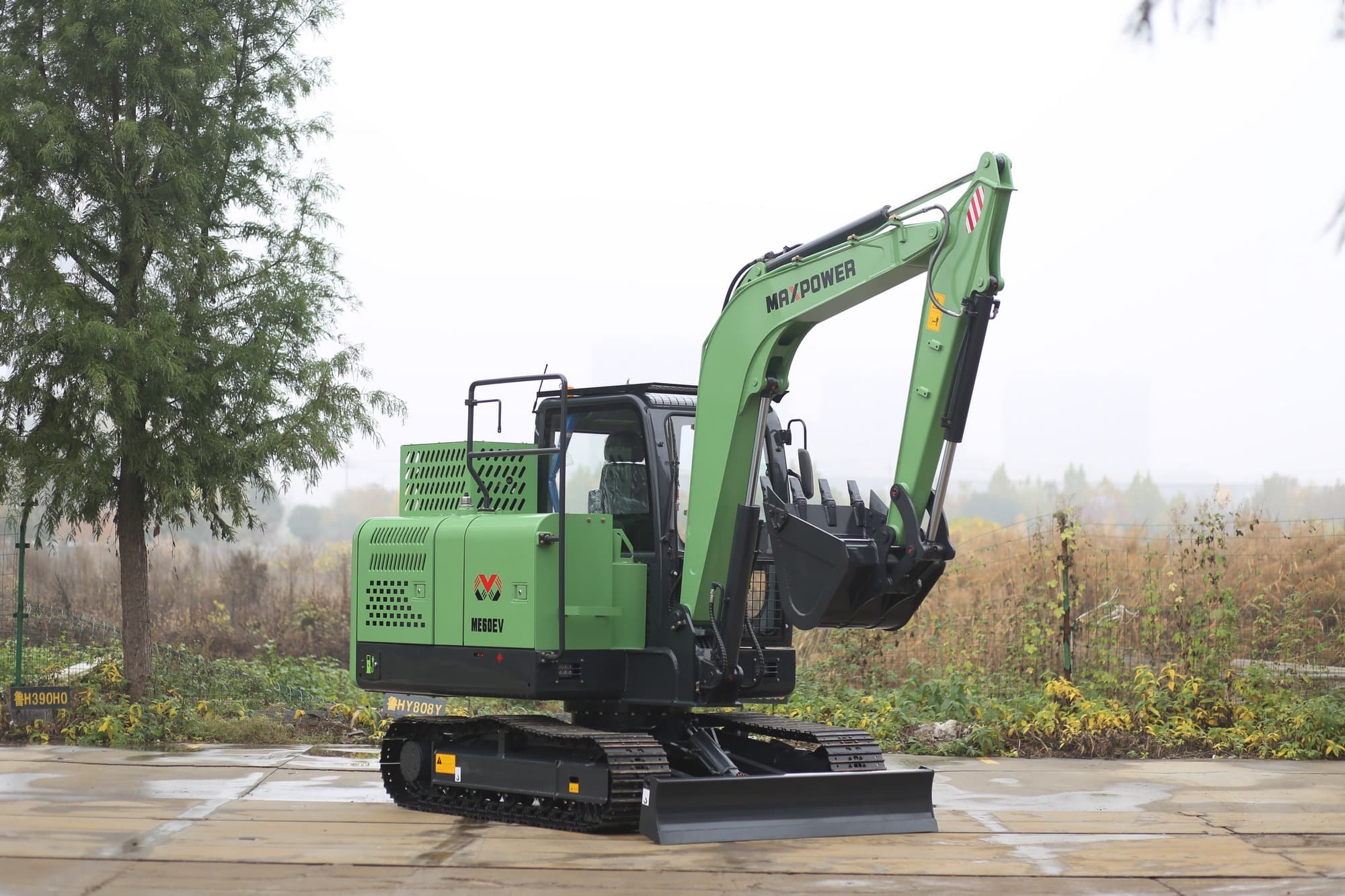
Battery technology continues to improve in terms of efficiency and charging speed. As regulations expand and environmental awareness increases, electric excavators are expected to gain broader adoption, particularly in compact equipment categories.
Manufacturers are investing in electrification strategies to meet future market demand while maintaining performance and reliability standards.
Electric excavators represent a significant shift in construction equipment technology. They are particularly suited for urban, indoor, and environmentally regulated job sites where emissions and noise control are priorities.
While diesel excavators remain dominant in heavy-duty applications, electric models provide practical advantages in specific scenarios. Understanding operational needs, infrastructure readiness, and long-term cost considerations will help determine whether an electric excavator is the right choice for your projects.
Are electric excavators suitable for heavy-duty construction?
They are most effective in compact and small applications. Large-scale heavy earthmoving still favors diesel machines.
How long does an electric excavator run on one charge?
Runtime depends on battery capacity and workload intensity. Planning is essential for full-day operations.
Are operating costs lower with electric excavators?
In many cases, reduced fuel and maintenance expenses can lower long-term operating costs.
Where are electric excavators most commonly used?
They are commonly used in urban construction, indoor environments, municipal maintenance, and residential projects.