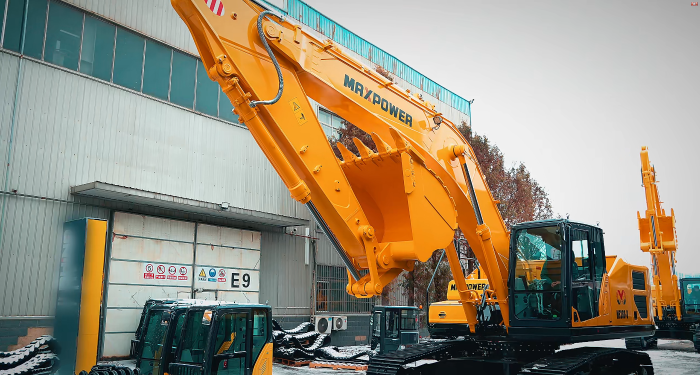
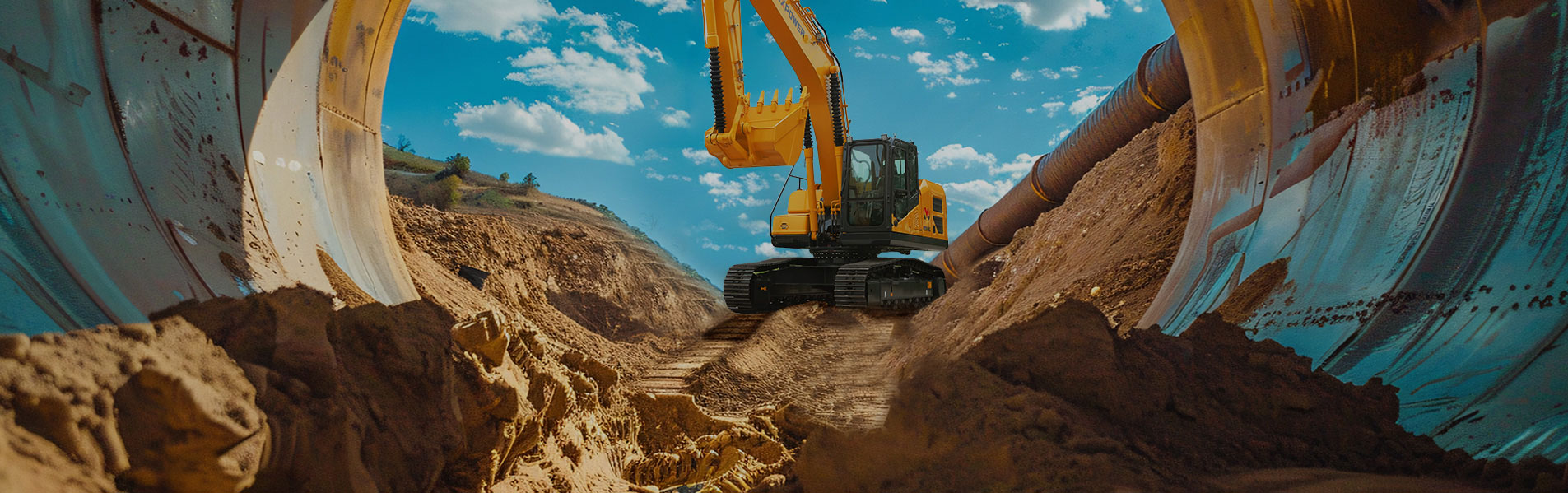
Choosing between an electric excavator and a diesel excavator is no longer just a technical decision. It affects operating costs, regulatory compliance, project flexibility, and long-term business positioning.
Many contractors are asking the same question:
Is it worth switching to electric, or is diesel still the more practical choice?
The answer depends on your workload, environment, and cost structure. This guide provides a clear, side-by-side comparison to help you make an informed decision.
The primary difference lies in the power source.
An electric excavator uses battery systems or direct electrical connections to power the machine. A diesel excavator relies on internal combustion engines fueled by diesel.
This fundamental difference impacts emissions, noise levels, maintenance, runtime, and ownership cost.
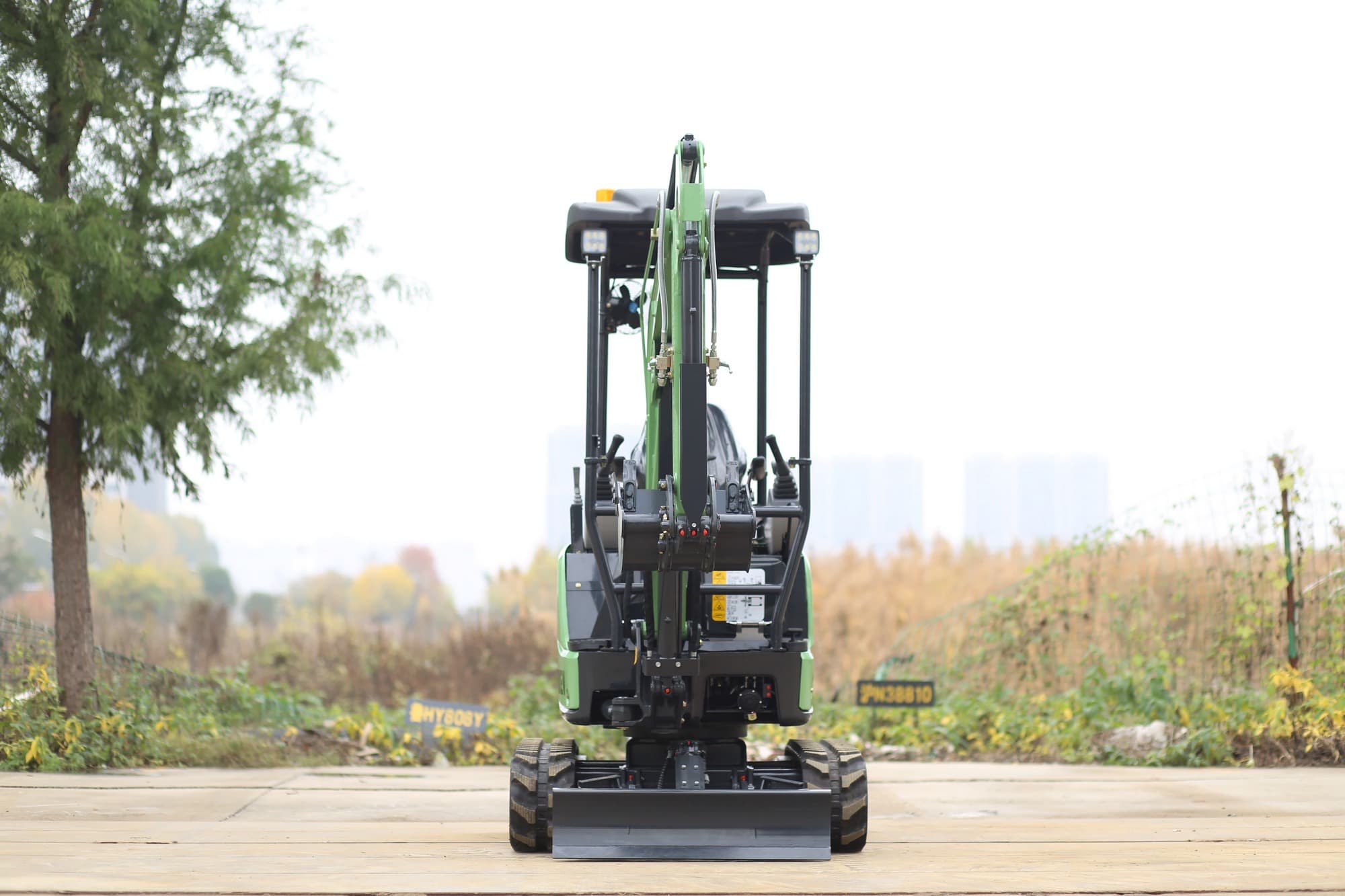
One common misconception is that electric excavators lack power. In reality, electric motors provide instant torque, resulting in smooth and responsive operation.
Diesel engines, however, remain dominant in heavy-duty, continuous, high-load environments.
| Performance Factor | Electric Excavator | Diesel Excavator |
|---|---|---|
| Torque Delivery | Instant and smooth | Strong but builds with RPM |
| Heavy-Duty Capability | Best for light to medium work | Ideal for heavy excavation |
| Continuous Runtime | Limited by battery capacity | Long, refuel quickly |
| Cold Weather Performance | May affect battery efficiency | Reliable with proper fuel management |
For compact and urban work, electric machines perform competitively. For large-scale earthmoving, diesel still leads.
Cost is often the deciding factor.
Electric excavators typically have higher upfront purchase prices. However, energy costs per operating hour can be lower, especially in regions with stable electricity pricing.
Diesel machines may cost less initially but require ongoing fuel expenses and engine maintenance.
| Cost Factor | Electric | Diesel |
|---|---|---|
| Initial Investment | Higher | Lower |
| Fuel/Energy Cost | Often lower long term | Fuel price dependent |
| Maintenance | Fewer engine components | Regular engine servicing |
| Long-Term Ownership | Potentially cost-efficient | Predictable but fuel-sensitive |
Over time, total cost of ownership may favor electric models in specific use cases.
Environmental policy is increasingly influencing equipment decisions.
Electric excavators produce zero on-site emissions, making them compliant with low-emission construction zones and indoor air-quality requirements.
Diesel excavators emit CO₂ and exhaust gases, though modern engines meet stricter emission standards than older models.
Noise is another key factor. Electric machines operate significantly quieter, making them suitable for residential or nighttime work.
If your projects involve urban centers, hospitals, schools, or enclosed spaces, electric models may offer a competitive advantage.
Electric excavators depend on charging infrastructure. Without reliable access to charging, scheduling may become complex.
Battery runtime planning is essential for full-day operations.
Diesel machines offer operational flexibility in remote locations where electrical infrastructure is limited.
Understanding your typical job-site conditions is critical before choosing.
Electric excavators are best suited for:
Urban construction
Indoor demolition
Municipal infrastructure repair
Environmentally regulated projects
Diesel excavators are ideal for:
Large-scale earthmoving
Remote job sites
Continuous multi-shift operations
High-load excavation
Neither solution is universally better. The correct choice depends on operational priorities.
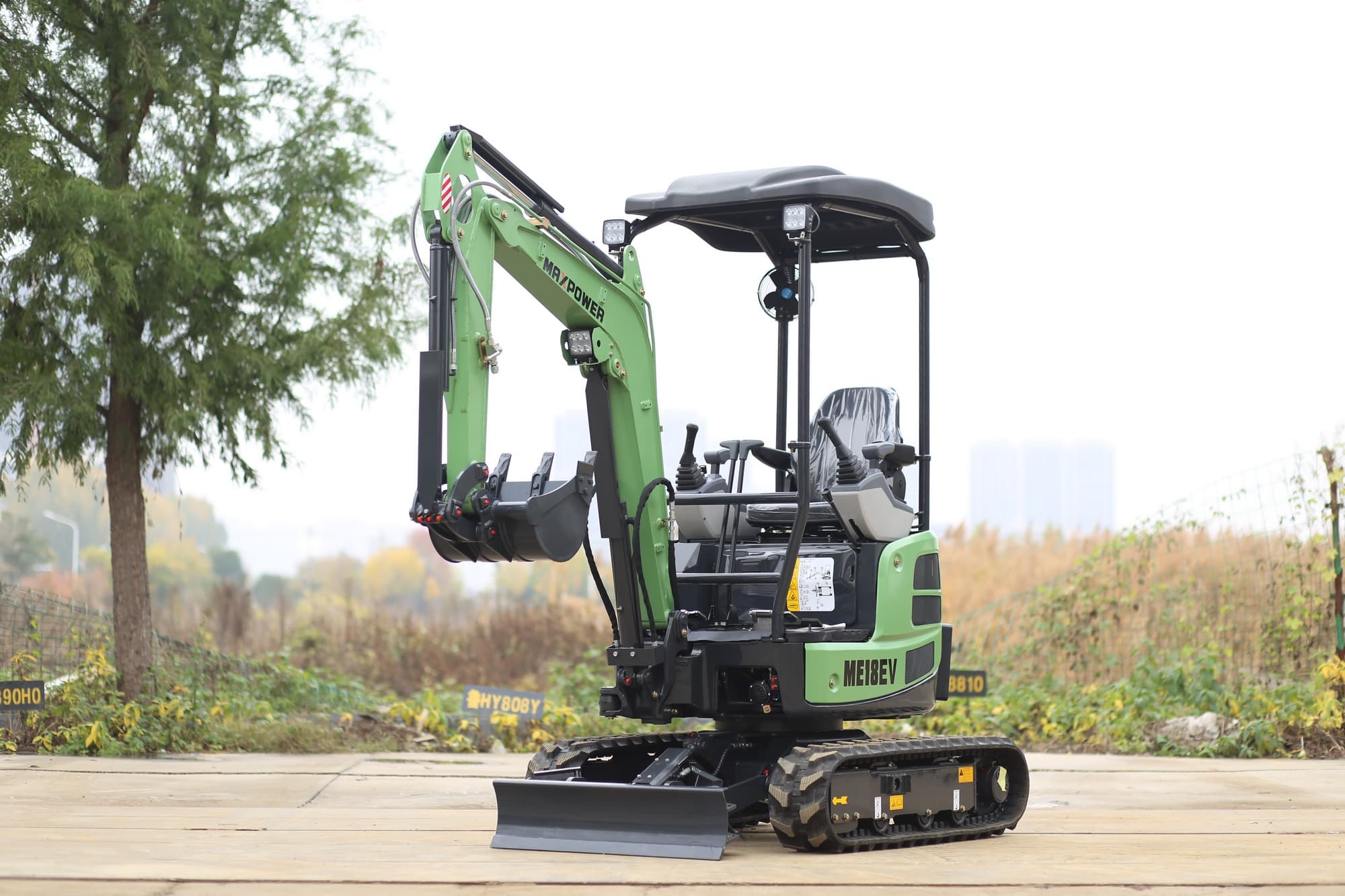
Diesel excavators are not disappearing. However, electric equipment adoption is steadily increasing, particularly in compact categories.
Battery technology improvements and expanding charging networks are accelerating the shift, especially in developed markets.
Forward-looking contractors often evaluate both technologies to stay competitive.
Electric excavator vs diesel excavator is not a simple winner-versus-loser comparison. It is a strategic decision based on workload, location, regulations, and cost structure.
If your projects prioritize emissions control, noise reduction, and sustainability, electric excavators offer clear advantages.
If your work demands maximum power, long runtime, and remote flexibility, diesel machines remain highly practical.
Understanding your operational needs is the key to making the right investment.
Are electric excavators powerful enough for construction?
Yes, particularly in compact and small applications. For large-scale excavation, diesel remains stronger.
Do electric excavators save money?
They can reduce energy and maintenance costs over time, depending on usage.
Is charging infrastructure required?
Yes. Reliable charging access is essential for consistent productivity.
Are diesel excavators being phased out?
Not immediately. Both technologies will coexist for the foreseeable future.