Choosing between a mini excavator and a backhoe loader is one of the most common decisions contractors face. Both machines are widely used in construction, landscaping, and utility work. However, they serve different purposes and offer different advantages.
Selecting the wrong machine can lead to reduced productivity, higher costs, and operational limitations. Understanding the real differences between a mini excavator and a backhoe loader helps ensure you invest in equipment that matches your workload and business goals.
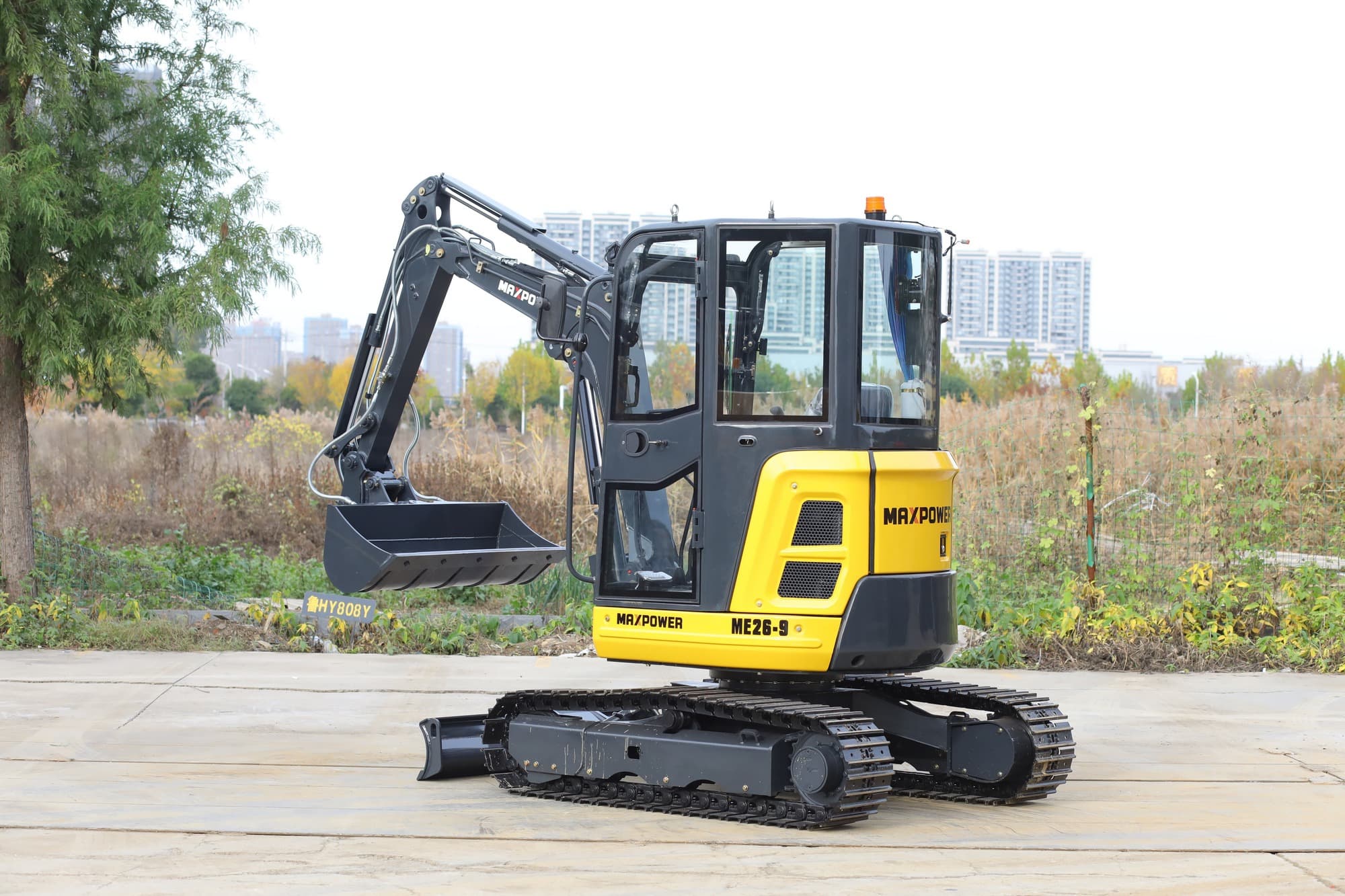
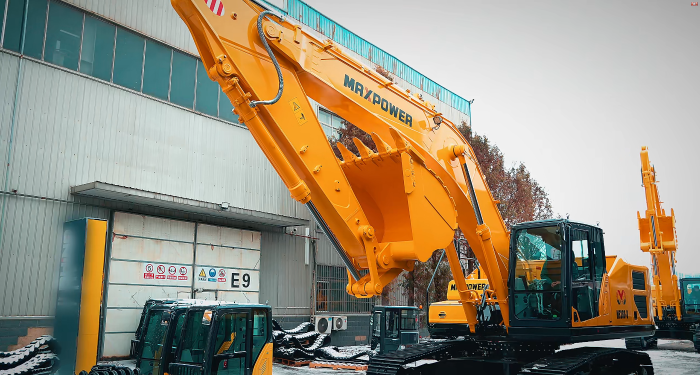
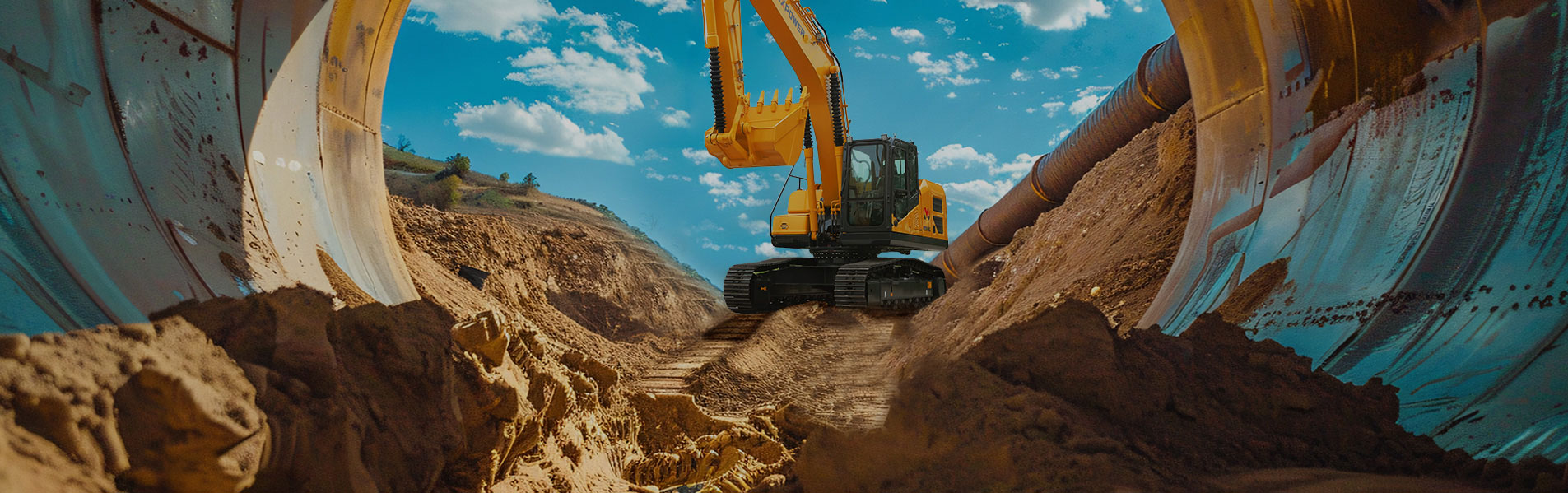
A mini excavator is a compact tracked machine primarily designed for digging, trenching, and precise excavation work. It features a rotating house that allows 360-degree movement without repositioning the tracks.
Mini excavators are especially popular for urban construction, residential projects, landscaping, and utility installation because of their compact size and maneuverability.
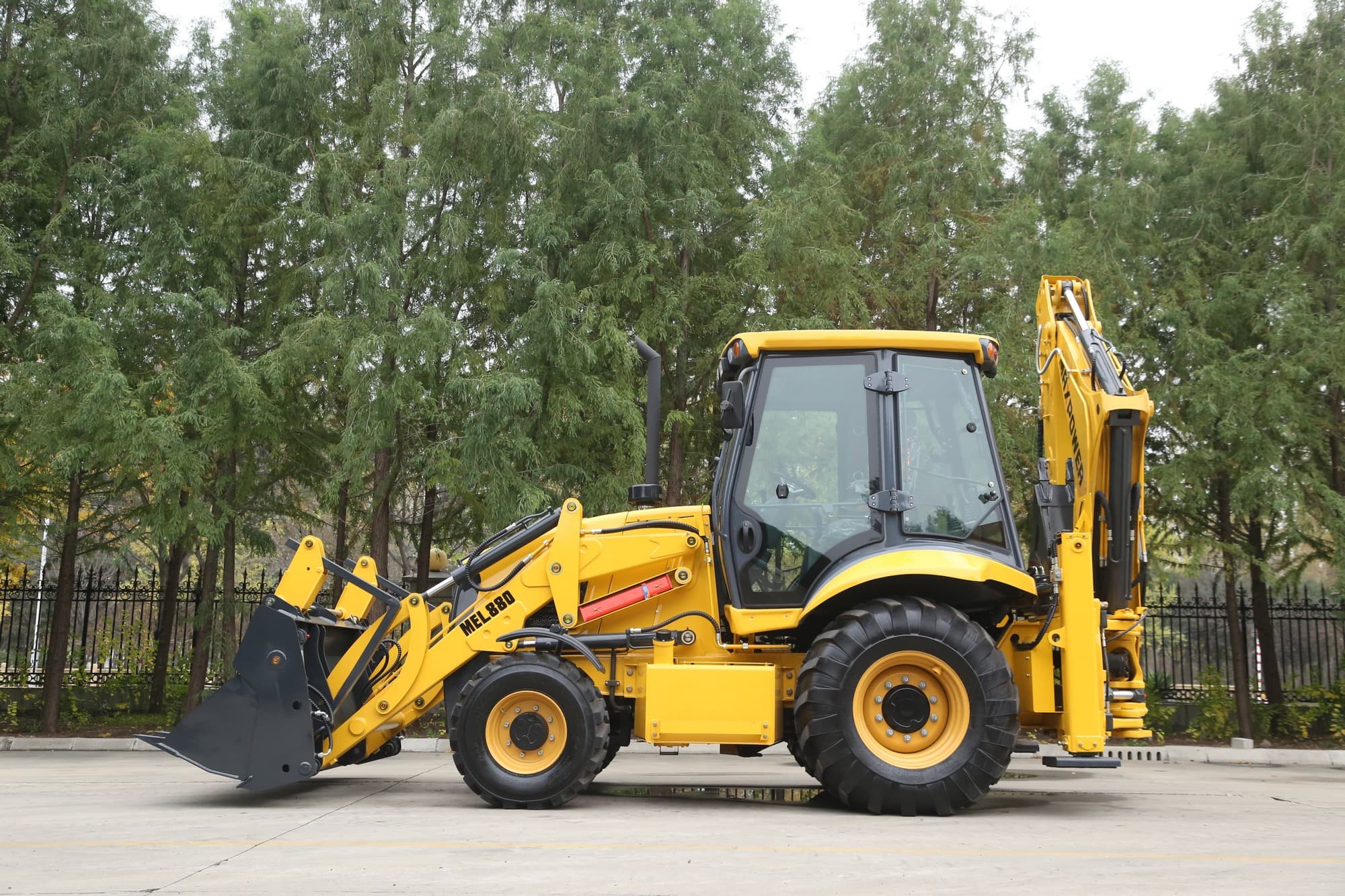
A backhoe loader combines three components: a tractor, a front loader bucket, and a rear digging arm (backhoe). It is a versatile, multi-purpose machine capable of digging, loading, and transporting materials.
Backhoe loaders are commonly used in roadwork, rural construction, and projects where both excavation and material handling are required.
The most noticeable difference is machine design.
A mini excavator is built specifically for excavation tasks, offering compact size and rotational flexibility. A backhoe loader is designed for versatility, allowing operators to switch between front loading and rear digging functions.
Mini excavators typically operate on tracks, while backhoe loaders use wheels, allowing them to travel faster between locations.
Below is a practical comparison of key performance factors.
| Feature | Mini Excavator | Backhoe Loader |
| Primary Strength | Precision digging | Multi-purpose versatility |
| Rotation | 360-degree rotation | Limited rear swing |
| Mobility | Slower, tracked | Faster, wheeled |
| Space Requirement | Excellent for tight spaces | Requires more operating space |
| Loader Function | No front loader | Integrated front loader |
| Best for Urban Jobs | Yes | Moderate |
| Best for Rural/Transport | Limited | Yes |
This comparison highlights that each machine excels in different conditions.
Mini excavators are ideal when precision and access are priorities.
They perform exceptionally well in confined areas such as residential backyards, urban construction zones, and narrow trenches.
Because of their 360-degree rotation, operators can dig and dump without repositioning frequently, improving efficiency in tight spaces.
Mini excavators also cause less surface disruption due to their tracked undercarriage, making them suitable for landscaping and finished surfaces.
Backhoe loaders are better suited for projects requiring both excavation and material handling.
If your job involves loading trucks, moving soil, grading surfaces, and digging trenches in one location, a backhoe loader offers versatility in a single machine.
They are particularly practical for rural projects or roadwork where faster mobility between work areas is beneficial.
Cost evaluation should include more than just purchase price.
Mini excavators often have lower fuel consumption and can be easier to transport on smaller trailers.
Backhoe loaders may reduce the need for additional equipment because they combine loading and digging functions.
Your project mix will determine which machine offers better overall return on investment.
In pure excavation tasks, mini excavators often outperform backhoe loaders due to their rotation capability and compact design.
In multi-function roles, backhoe loaders may reduce downtime by eliminating the need to switch machines.
Productivity depends on how specialized or diversified your typical workload is.
Mini excavators are typically better for:
Residential construction
Landscaping
Utility trenching
Urban projects with limited access
Backhoe loaders are better for:
Road construction
Rural development
Projects requiring both loading and digging
Sites with larger open areas
Understanding your core business activities is essential before making a decision.
In recent years, mini excavators have seen strong global demand growth, especially in urban and compact construction sectors.
Backhoe loaders remain highly relevant, particularly in developing regions and infrastructure projects where versatility is valued.
Both machines continue to serve important roles in the construction equipment market.
Choosing between a mini excavator and a backhoe loader depends on real operational needs, not just specifications.
MAXPOWER works closely with contractors and equipment buyers to understand project requirements and recommend practical solutions. Whether your priority is compact precision or multi-function versatility, selecting the right equipment ensures long-term efficiency and reliability.
The decision between a mini excavator and a backhoe loader comes down to specialization versus versatility.
If your work focuses primarily on digging in confined spaces, a mini excavator offers superior precision and maneuverability.
If you require both excavation and loading capability in one machine, a backhoe loader provides flexible performance.
There is no universal winner. The best choice depends on your project type, site conditions, and operational goals.
Is a mini excavator better than a backhoe loader?
It depends on the job. Mini excavators excel in tight spaces, while backhoe loaders offer multi-function capability.
Which machine is more versatile?
Backhoe loaders are generally more versatile due to their front loader and rear digging arm.
Are mini excavators cheaper to operate?
They often have lower fuel consumption and can be more cost-efficient for excavation-focused tasks.
Which is better for urban construction?
Mini excavators are typically better suited for urban and confined environments.