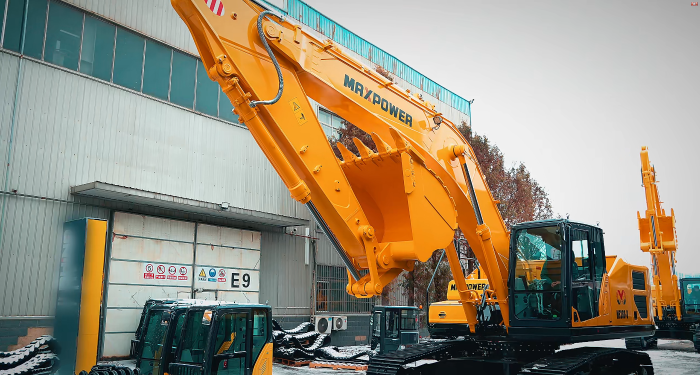
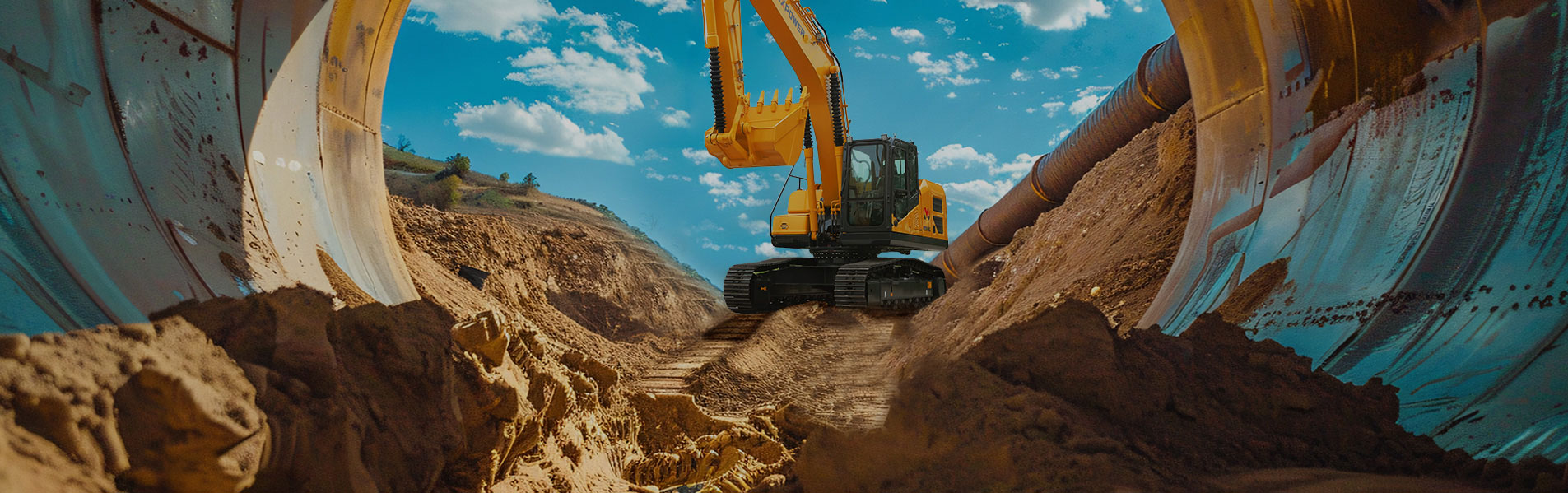
Every building project begins with a strong and stable foundation. Whether constructing residential houses, commercial buildings, or industrial facilities, proper foundation excavation is a critical step in ensuring structural safety.
Excavators are widely used for foundation digging because they provide the power, precision, and flexibility required for controlled excavation. Compared with manual digging methods, excavators significantly improve efficiency and allow contractors to complete foundation preparation with greater accuracy.
In this guide, we explain how excavators are used for foundation digging, the key equipment features involved, and why compact excavators are often the preferred choice for many construction sites.
Foundation digging refers to the process of excavating soil to create space for the structural base of a building. The depth and width of the excavation depend on the building design, soil conditions, and engineering requirements.
The goal of foundation excavation is to create a stable area where concrete footings or slabs can be installed. Proper excavation ensures that the structure will have adequate support and remain stable over time.
Because foundation work requires precision and careful soil removal, excavators have become the most commonly used machines for this task.
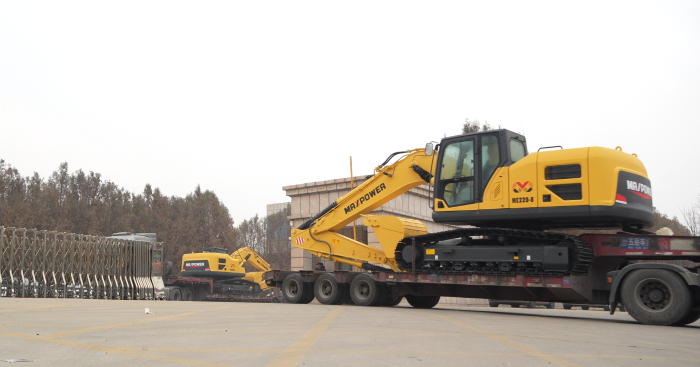
Excavators offer several advantages that make them particularly suitable for foundation digging.
Their hydraulic systems provide strong digging force, allowing operators to remove large volumes of soil quickly. At the same time, the articulated boom and arm allow precise control of excavation depth.
This combination of power and control helps contractors achieve accurate foundation dimensions while maintaining efficient workflow.
Excavators also allow operators to reach deeper areas without repositioning the machine frequently, improving overall productivity.
Foundation excavation usually involves several stages. Excavators assist in each step of the process.
Before digging begins, the construction site must be cleared of vegetation, debris, and obstacles. Excavators remove topsoil and level the work area to create a suitable environment for excavation.
Engineers mark the boundaries of the foundation according to building plans. These markings guide the excavator operator to ensure the digging area matches the required dimensions.
The excavator removes soil layer by layer until the correct foundation depth is reached. Operators must maintain accuracy during this stage to ensure the foundation meets engineering specifications.
Excavators load removed soil into trucks or relocate it within the site. This keeps the construction area organized and ready for the next construction phase.
Different attachments can improve excavation efficiency and help achieve better results during foundation digging.
| Attachment | Function | Application |
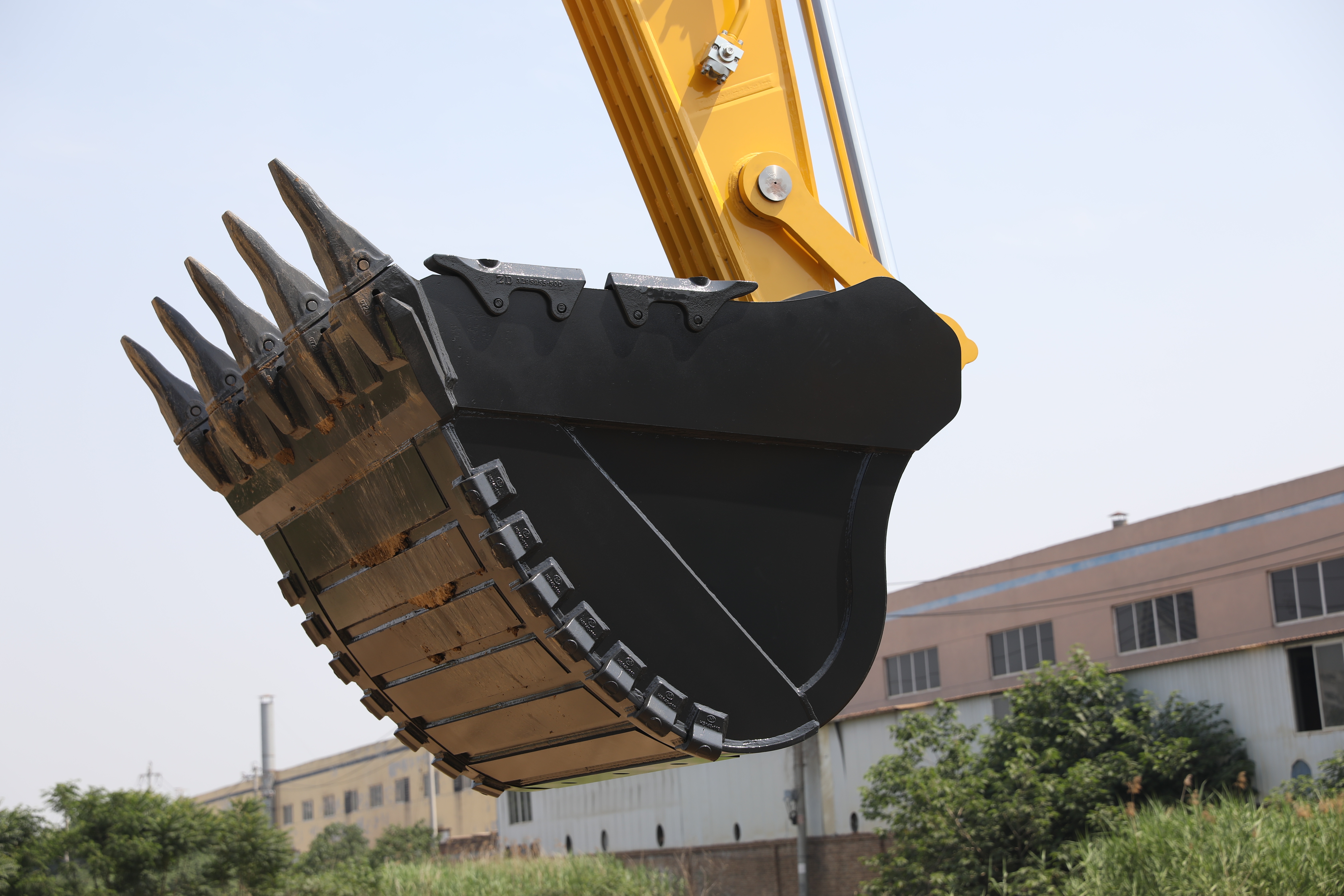
| Digging Bucket | Standard excavation | Removing soil |
| Trenching Bucket | Narrow excavation | Utility lines near foundations |
| Grading Bucket | Surface leveling | Preparing the base |
| Hydraulic Breaker | Breaking hard ground | Rock or concrete removal |
| Thumb Attachment | Gripping materials | Moving rocks or debris |
These attachments allow excavators to adapt to different ground conditions and construction requirements.
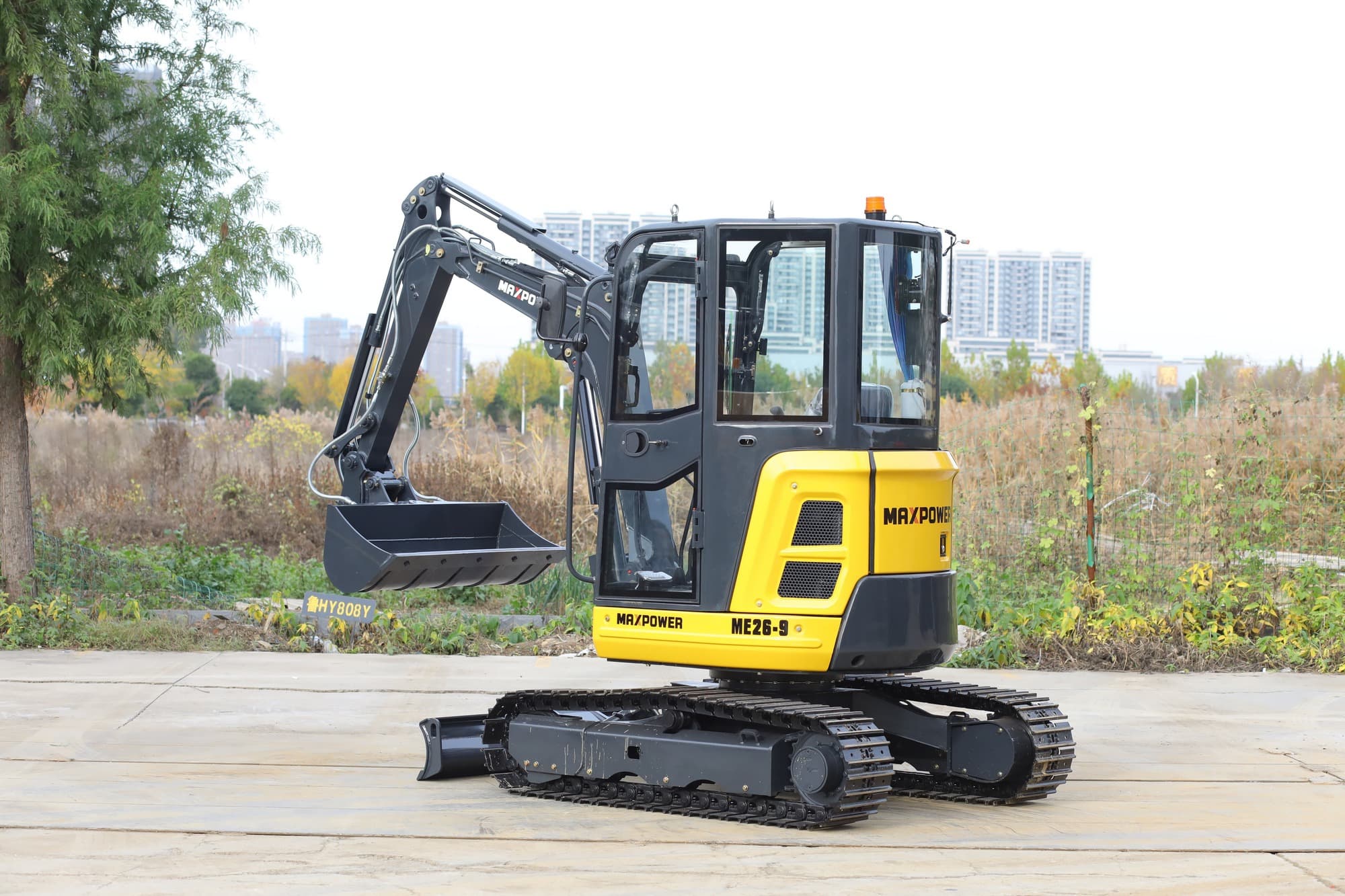
For large commercial buildings, contractors may use full-size excavators. However, mini excavators are often the preferred solution for residential construction projects.
Their compact size allows them to operate in tight spaces such as small building lots or urban construction zones.
Mini excavators also provide excellent maneuverability and precise control, making them ideal for detailed excavation work around building layouts.
Additional advantages include:
Reduced ground disturbance
Easy transportation between sites
Lower operational complexity
High precision in small excavation areas
These benefits make mini excavators a practical choice for contractors working on house foundations or small structures.
Foundation excavation often involves different soil conditions such as clay, sand, gravel, or rocky terrain. Each type of soil requires different excavation techniques.
Excavators provide the flexibility to adapt to these conditions. For example, harder ground may require reinforced buckets or hydraulic breakers, while loose soil may require careful digging to prevent collapse.
Understanding soil conditions before excavation helps operators choose the appropriate equipment and attachments.
Using excavators for foundation digging dramatically reduces the time required to prepare building sites. Tasks that would take days using manual labor can be completed in hours with hydraulic excavation equipment.
Excavators also provide better control over excavation depth and shape, ensuring the foundation area matches the building design precisely.
Improved efficiency not only speeds up project timelines but also reduces labor costs and improves overall site productivity.
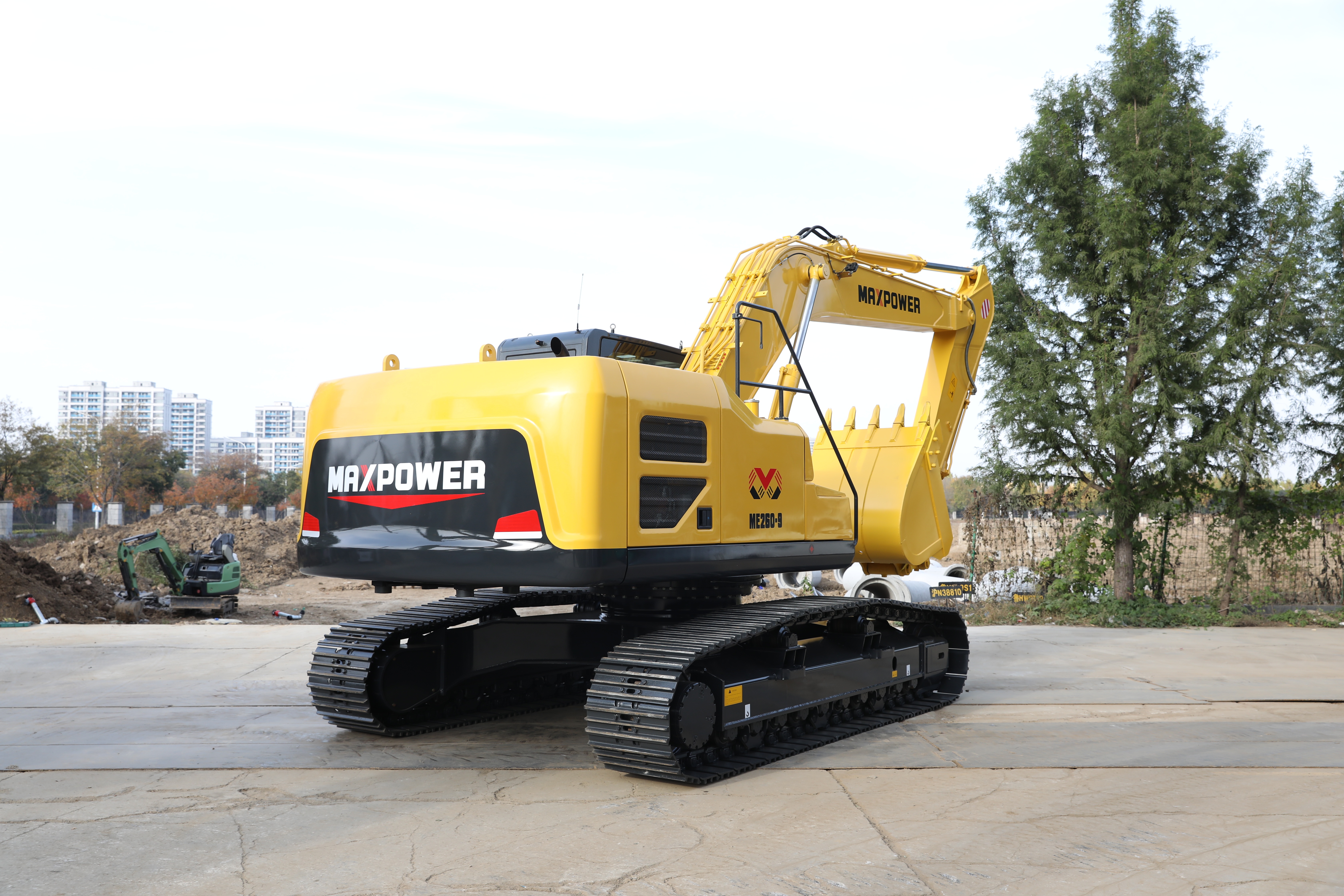
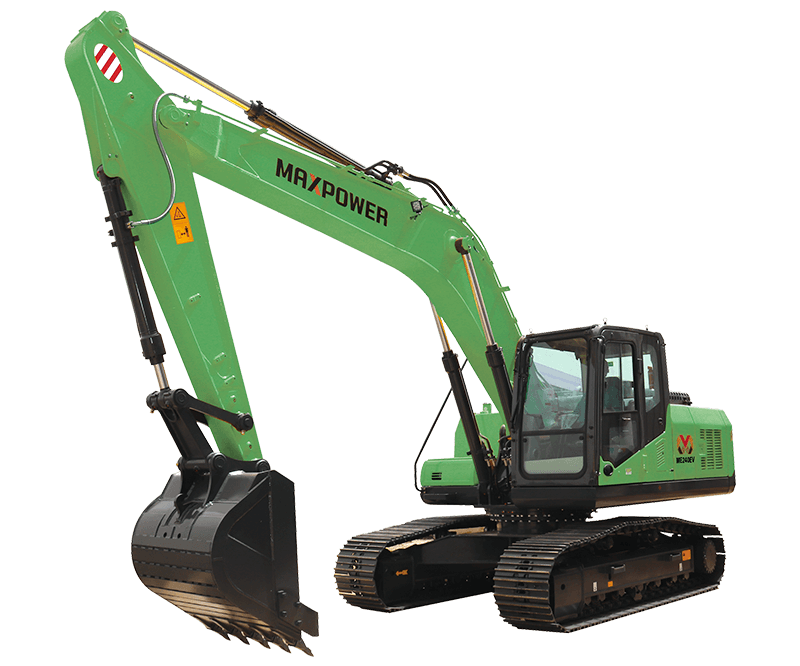
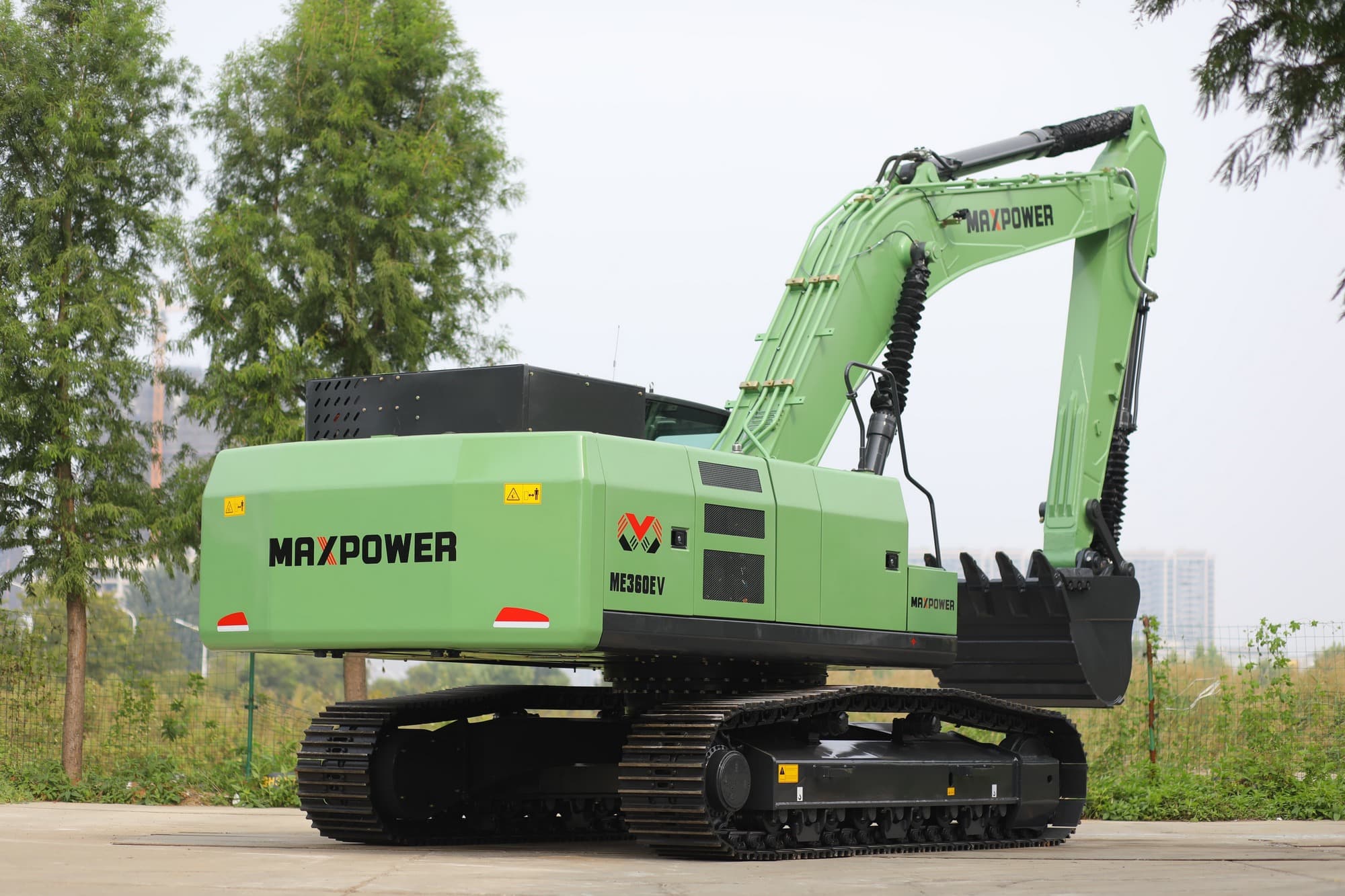
MAXPOWER excavators are designed to perform reliably across a wide range of construction applications, including foundation digging.
Their robust structures, efficient hydraulic systems, and compatibility with multiple attachments allow operators to handle different soil conditions and excavation requirements with confidence.
Whether preparing foundations for residential homes or small commercial buildings, MAXPOWER excavators provide the strength, precision, and durability needed to complete excavation work effectively.
Foundation digging is a critical step in construction projects, and excavators provide the efficiency and precision needed to perform this work successfully.
From site preparation to final excavation, excavators allow contractors to remove soil accurately while maintaining project timelines.
Mini excavators are particularly valuable for residential construction due to their compact size and maneuverability.
With reliable equipment such as MAXPOWER excavators and the right attachments, contractors can complete foundation excavation safely and efficiently.
What machine is used for foundation digging?
Excavators are the most commonly used machines for foundation excavation.
Can mini excavators dig building foundations?
Yes, mini excavators are widely used for residential foundation projects.
Why is precise excavation important for foundations?
Accurate excavation ensures structural stability and proper installation of footings or slabs.
What attachment is used for foundation excavation?
The standard digging bucket is most commonly used for foundation digging.
How deep can an excavator dig for a foundation?
Digging depth depends on the excavator model and project requirements.
Choosing the right equipment is essential for safe and efficient foundation excavation. MAXPOWER excavators are engineered to deliver strong digging performance, precise hydraulic control, and dependable durability for construction projects of all sizes. Contact our team today to learn more about MAXPOWER excavators and discover the right machine to support your next foundation digging project.