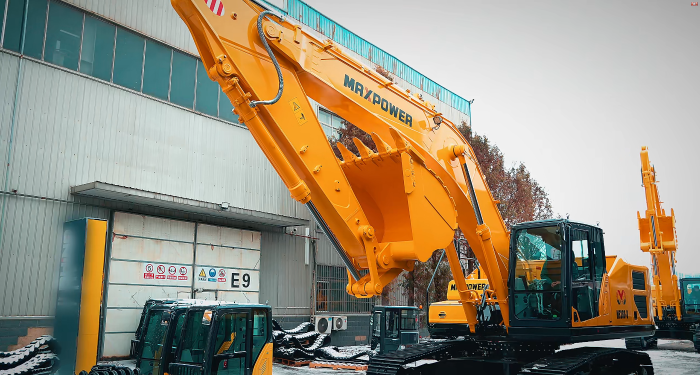
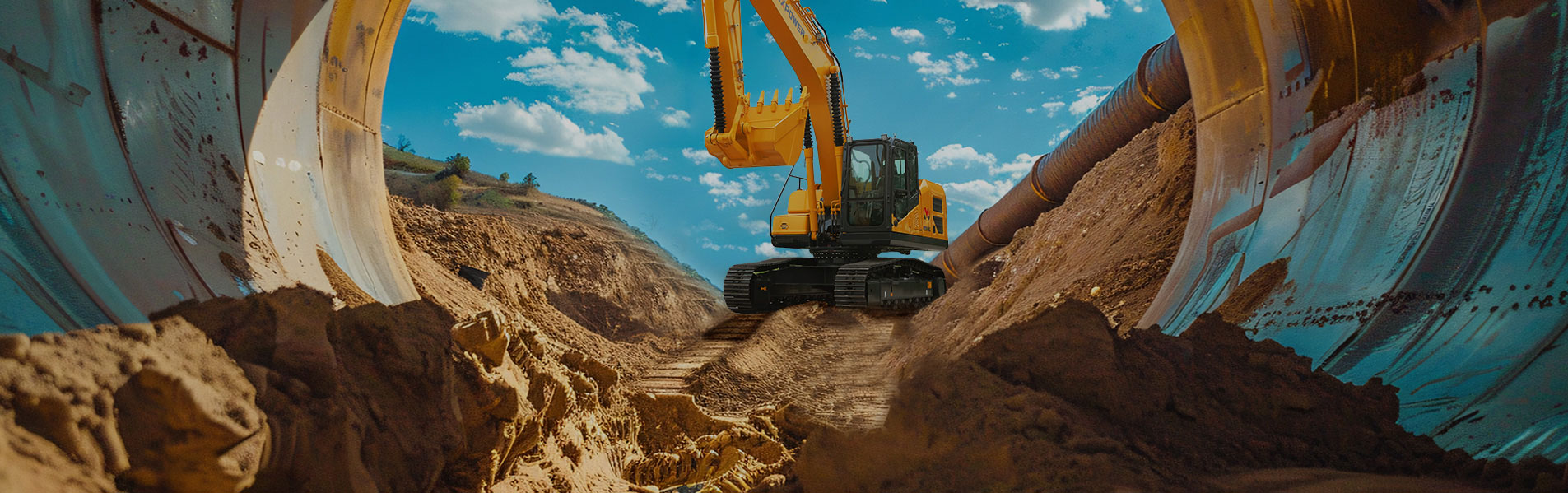
Demolition is an essential stage in many construction and redevelopment projects. Before new buildings, roads, or infrastructure can be built, existing structures often need to be safely removed.
Excavators have become one of the most commonly used machines in demolition work. Their hydraulic power, flexible arm movement, and compatibility with specialized attachments allow operators to dismantle structures efficiently while maintaining control over debris and materials.
In this guide, we explore how excavators are used for demolition, the key attachments involved, and why modern excavators are essential tools for safe and effective demolition projects.
Demolition refers to the process of dismantling or destroying buildings and structures. This process may involve removing concrete walls, breaking foundations, clearing damaged structures, or dismantling outdated infrastructure.
Unlike uncontrolled destruction, modern demolition focuses on controlled removal. Excavators allow operators to carefully break structures apart while minimizing risk to surrounding buildings and workers.
Demolition projects can include:
Residential building removal
Industrial facility dismantling
Bridge or road structure removal
Concrete slab demolition
Site redevelopment preparation
Because of their strength and precision, excavators are widely used for these tasks.
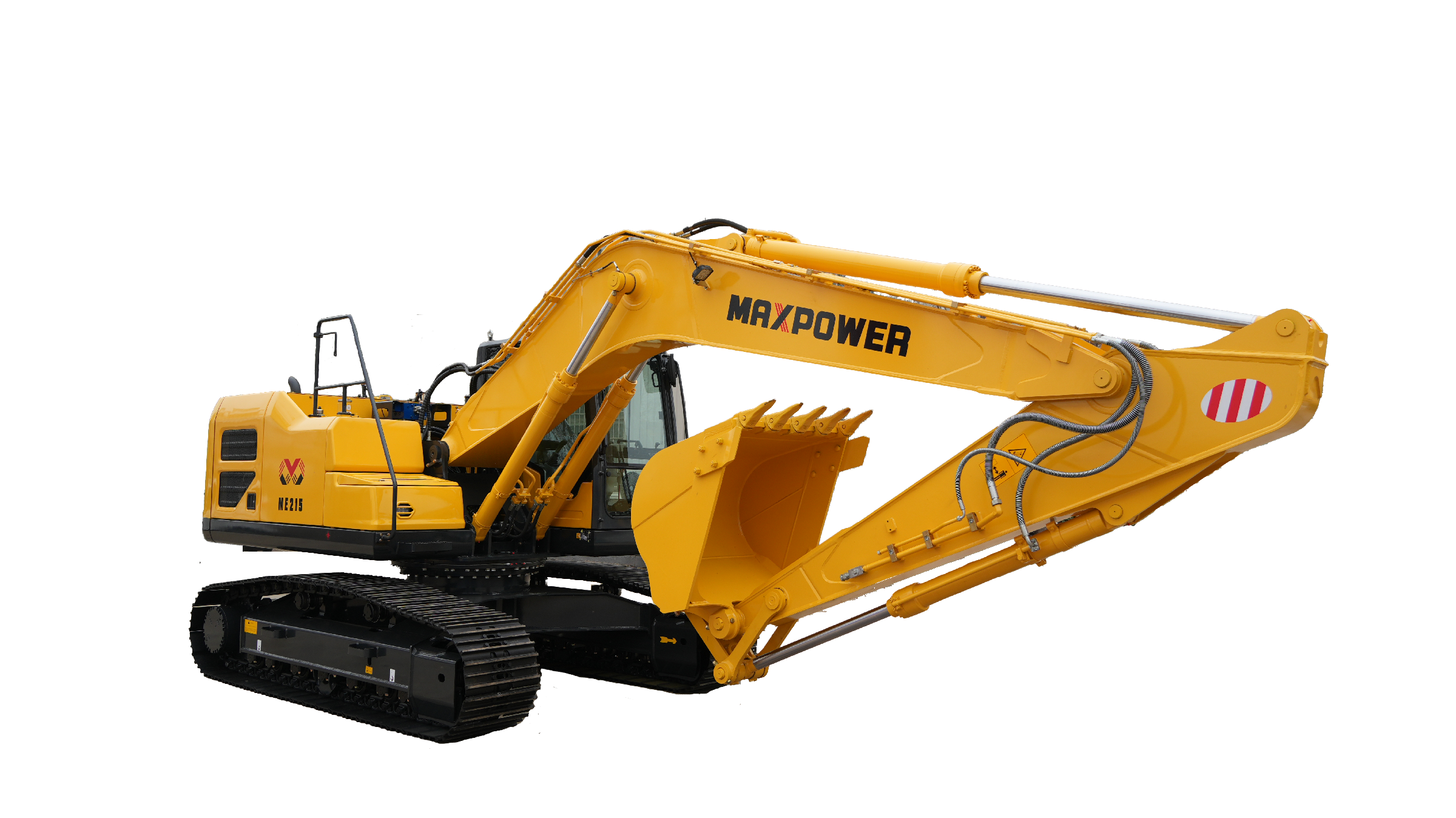
Excavators offer several advantages that make them highly effective for demolition operations.
Their hydraulic systems provide strong impact force when paired with specialized attachments. This allows them to break concrete, remove structural components, and handle heavy debris.
The rotating upper structure of excavators also allows operators to reposition materials quickly without moving the entire machine.
Additionally, excavators offer excellent reach, enabling operators to safely dismantle higher sections of structures while maintaining distance from falling debris.
Different attachments enable excavators to handle various demolition tasks. Selecting the right tool improves efficiency and safety during demolition operations.
| Attachment | Function | Demolition Application |
| Hydraulic Breaker | Breaking concrete and rock | Concrete demolition |
| Demolition Grapple | Gripping debris | Handling structural materials |
| Shear Attachment | Cutting metal structures | Steel demolition |
| Crusher Bucket | Crushing materials | Recycling concrete |
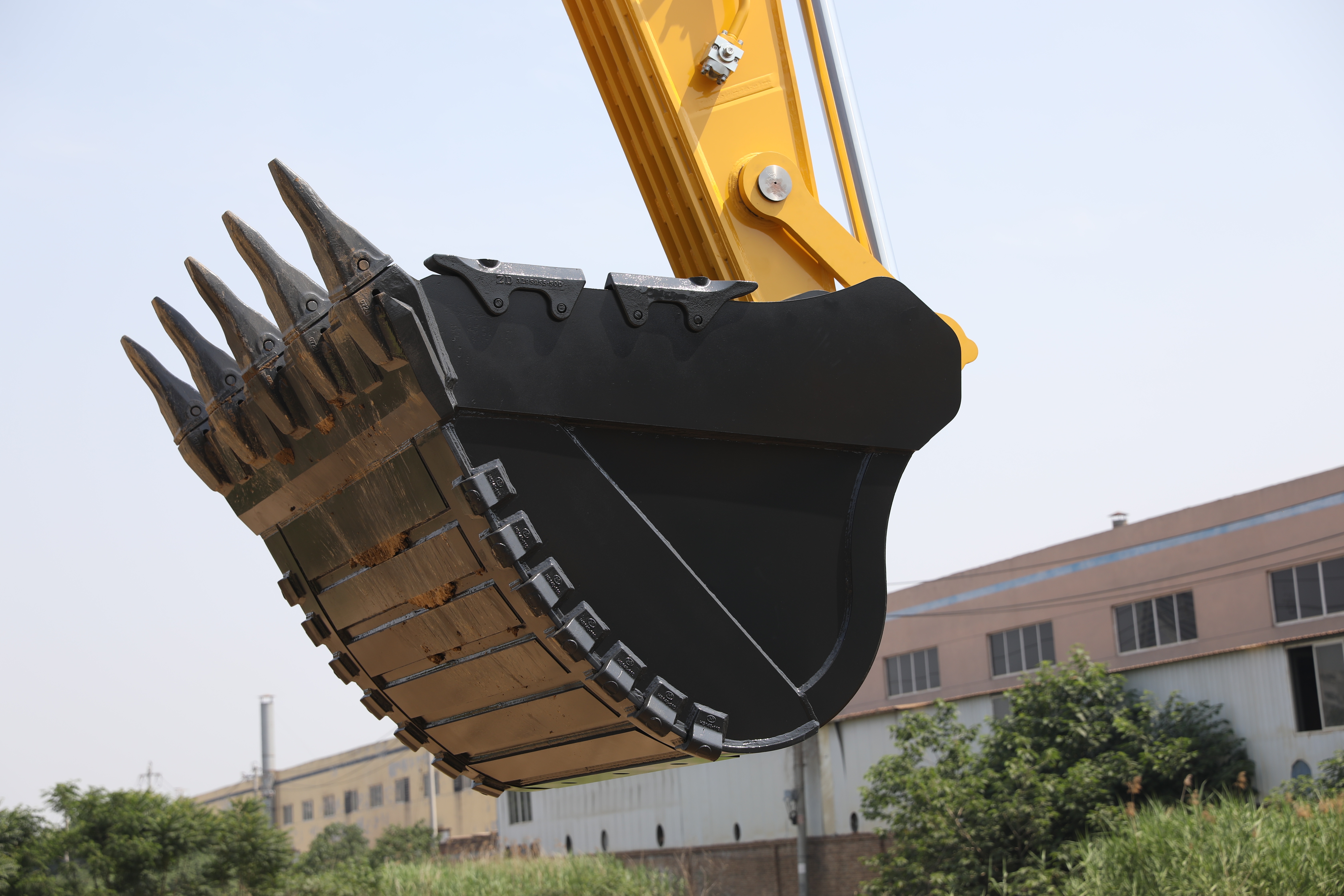
| Standard Bucket | Removing debris | Site cleanup |
These attachments allow excavators to perform both demolition and debris management tasks during construction projects.
Hydraulic breakers are among the most commonly used demolition attachments. They deliver powerful impact force that breaks concrete structures, foundations, and pavement.
When mounted on an excavator, hydraulic breakers allow operators to perform controlled demolition with precision.
This makes them ideal for projects where surrounding structures must remain intact.
Excavators are frequently used to dismantle small and medium-sized buildings. Operators can remove structural elements gradually, beginning with roofs and upper sections before moving toward the base.
This controlled approach reduces the risk of sudden structural collapse.
Excavators can also sort materials during demolition, separating reusable materials such as metal and concrete for recycling.
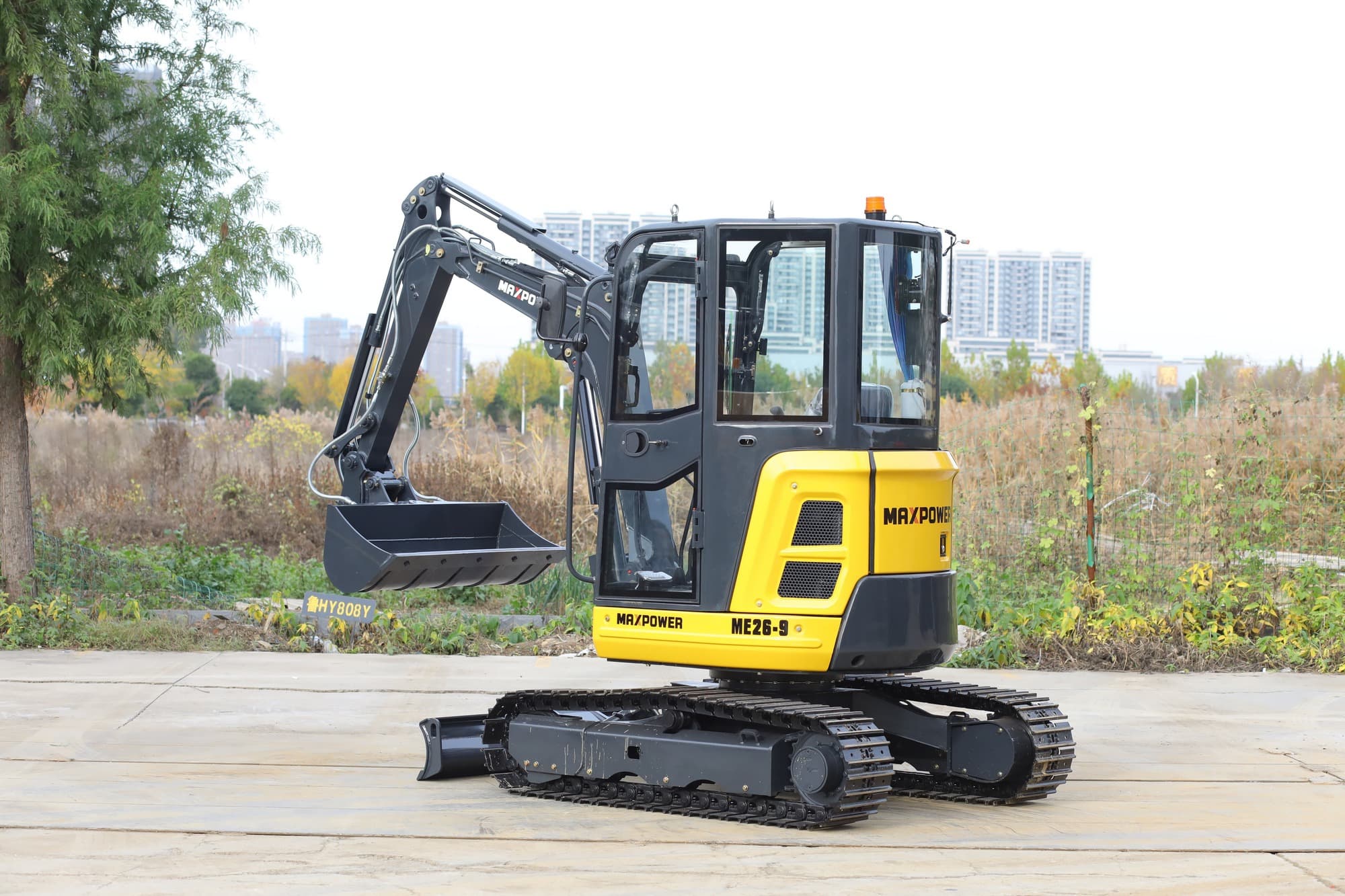
In dense urban areas, demolition work often takes place in limited spaces. Mini excavators are particularly useful in these environments because they are compact and highly maneuverable.
Mini excavators are commonly used for:
Interior demolition
Sidewalk removal
Small building dismantling
Residential structure demolition
Their smaller size allows them to operate safely in confined construction zones while still providing sufficient hydraulic power for demolition tasks.
Demolition work can be hazardous if not managed properly. Operators must carefully evaluate structural stability before beginning demolition.
Key safety practices include:
Inspecting the structure before demolition
Using appropriate attachments for the material type
Maintaining safe distances from falling debris
Ensuring stable machine positioning
Following these practices helps reduce risks and ensures demolition work is completed safely.
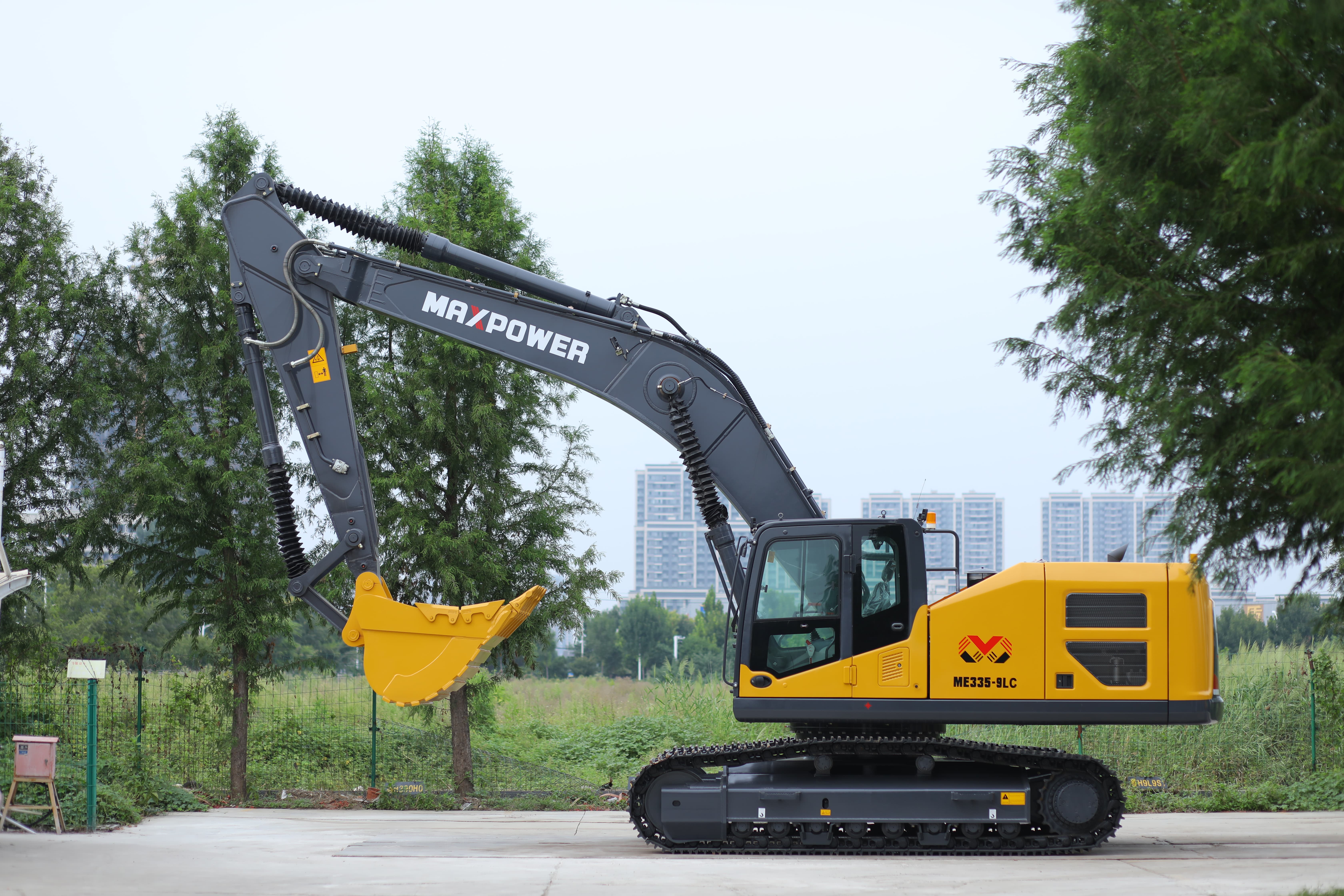
Excavators significantly improve demolition efficiency compared with manual methods. Their hydraulic power allows operators to break and remove structures quickly, reducing overall project timelines.
They also help reduce labor intensity and allow precise control over debris removal.
In addition, excavators enable contractors to sort materials during demolition, supporting recycling and sustainable construction practices.
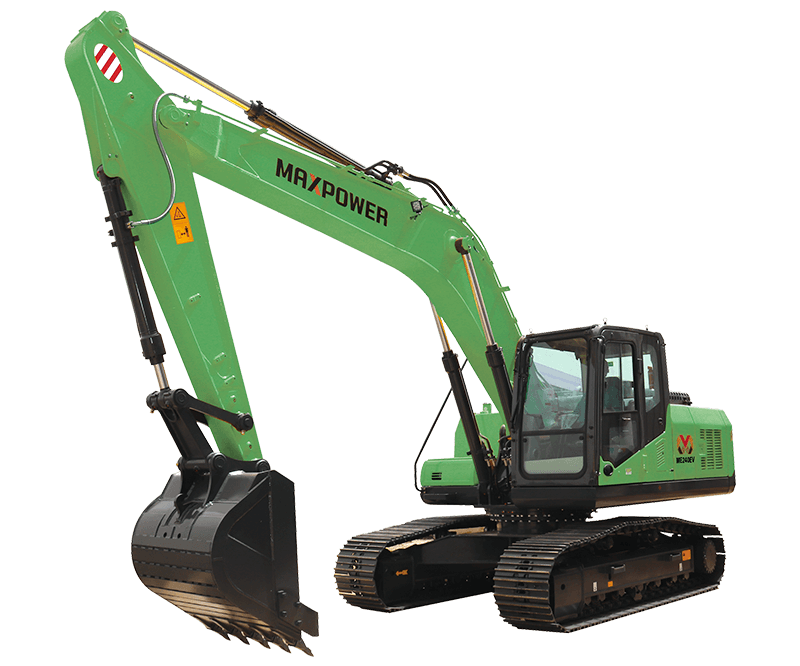
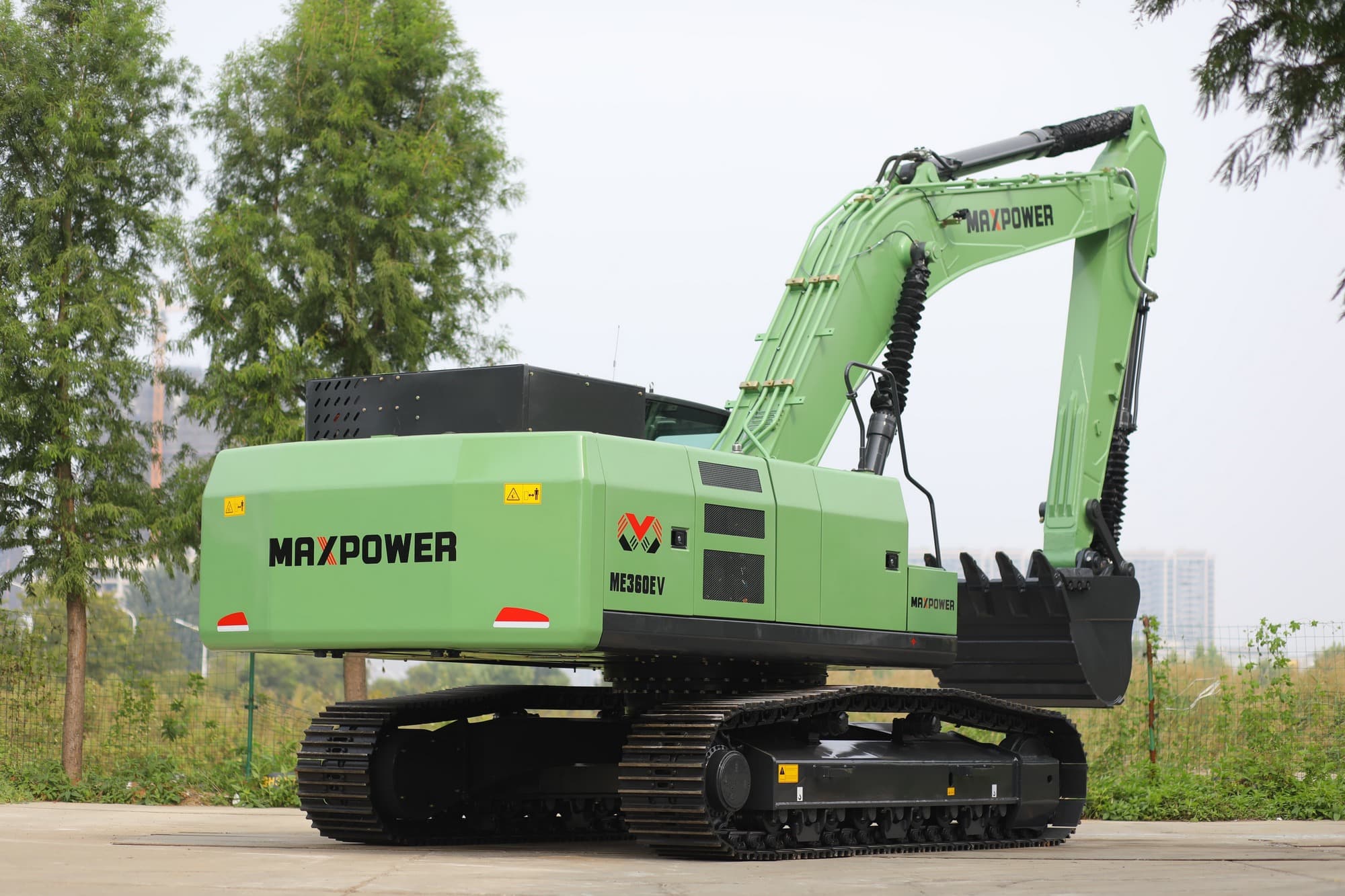
MAXPOWER excavators are designed to deliver strong performance in demanding construction environments, including demolition projects.
Their durable structures, reliable hydraulic systems, and compatibility with specialized attachments allow operators to handle demolition tasks efficiently and safely.
Whether dismantling small buildings, removing concrete structures, or clearing construction sites, MAXPOWER excavators provide the strength and versatility required for modern demolition operations.
Demolition is a critical stage in construction and redevelopment projects, and excavators provide the power and flexibility needed to complete this work efficiently.
With the right attachments, excavators can break concrete, dismantle structures, handle debris, and prepare sites for new construction.
Mini excavators are particularly valuable for demolition in urban environments where space is limited.
By using reliable equipment such as MAXPOWER excavators, contractors can perform demolition work safely, efficiently, and with greater control over the entire process.
What machine is used for demolition work?
Excavators are commonly used for demolition because of their hydraulic power and versatility.
What attachment is used for concrete demolition?
Hydraulic breakers are typically used to break concrete structures.
Can mini excavators perform demolition?
Yes, mini excavators are often used for small building demolition and urban projects.
Is demolition with excavators safe?
When proper safety procedures are followed, excavator demolition is controlled and efficient.
Why are excavators preferred for demolition?
They provide strong impact force, flexible operation, and compatibility with specialized tools.
Demolition work requires reliable equipment that delivers strength, precision, and durability. MAXPOWER excavators are built to handle demanding demolition tasks, from breaking concrete to clearing structural debris. Contact our team today to learn more about MAXPOWER excavators and discover the right solution for your demolition projects.