Maxpower Construction Machinery Manufacturer




An excavator that digs a trench successfully may also be needed to break concrete or remove rock. Before adding an attachment, a buyer needs to answer a different question: can this specific machine support and operate the proposed breaker throughout the intended job? Selecting a hydraulic breaker for excavator work requires a match between the carrier, the complete attachment, its hydraulic supply, and the material being broken. media.cnh.com
Start with the machine configuration and the job description, then ask the suppliers to confirm the combination. A carrier tonnage range, matching hose connection, or impressive impact figure provides only part of that answer. The purchasing decision should identify the equipment supplied and the conditions under which it is intended to work.
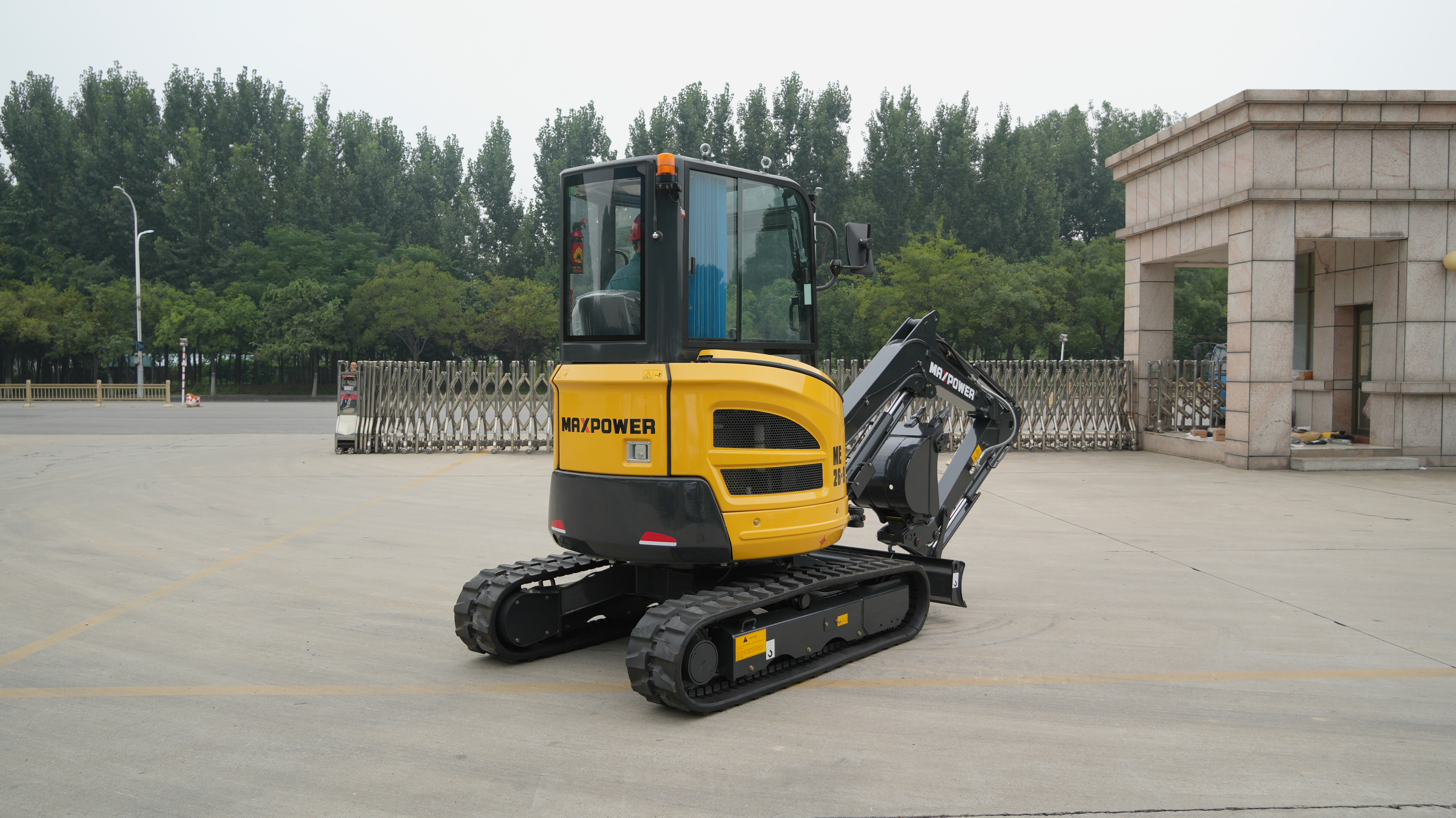
If you are planning a new equipment package, review the MAXPOWER excavator range and send the proposed breaker specifications with your project details. Request confirmation of breaker suitability and the required configuration for the exact machine and order.
Use carrier weight ranges to shortlist equipment, then confirm the actual machine configuration.
Establish what the published breaker weight includes before calculating the installed assembly weight.
Check delivered flow, operating pressure, relief requirements, and return conditions together.
Describe the material, working position, expected breaking time, and site conditions.
Confirm the mount, coupler, hoses, controls, working tool, and any application equipment.
Keep the approved combination, commissioning results, and service requirements with the machine records.
Organize the purchase around one documented equipment combination. The following checklist is a practical way to compare proposals and identify questions that still need an answer.
| Matching item | Information to provide | Confirmation to request |
|---|---|---|
| Carrier | Model, serial number or build specification, operating configuration | Suitability of the actual excavator for the proposed breaker |
| Installed weight | Breaker weight definition, tool, bracket, coupler, and other fitted parts | Complete assembly weight without omissions or double counting |
| Geometry | Boom, arm, linkage, mounting arrangement, intended working positions | Permitted configuration and working limitations |
| Hydraulic supply | Attachment flow, operating pressure, relief requirements, return conditions | An installation meeting both manufacturers’ requirements |
| Application | Material, dimensions, reinforcement or rock condition, required result | Suitable breaker and working tool for the task |
| Work pattern | Expected breaking periods, ambient conditions, other machine duties | Cooling and service arrangements appropriate to the application |
| Handover | Installation details, checks, manuals, approved parts, service contact | A usable record of the supplied and verified combination |
Give the breaker, bracket, coupler, working tool, and hydraulic installation their own descriptions in the order. This makes it easier to see whether two offers cover the same equipment and where one depends on parts supplied separately.
A machine that changes between digging, grading, and breaking needs a clear arrangement for each task. The mini excavator attachments guide provides an overview of attachment choices; use the matching checklist to develop the breaker portion of that plan.
A hydraulic breaker for excavator use must be assessed against the machine that will actually carry it. Record the model and relevant configuration before relying on the advertised weight class.
Check the breaker manufacturer’s stated carrier range and the qualifications attached to it. For example, Epiroc’s published ranges may refer to standard carriers, with variations requiring manufacturer agreement; being inside a range does not resolve every installation question. Epiroc
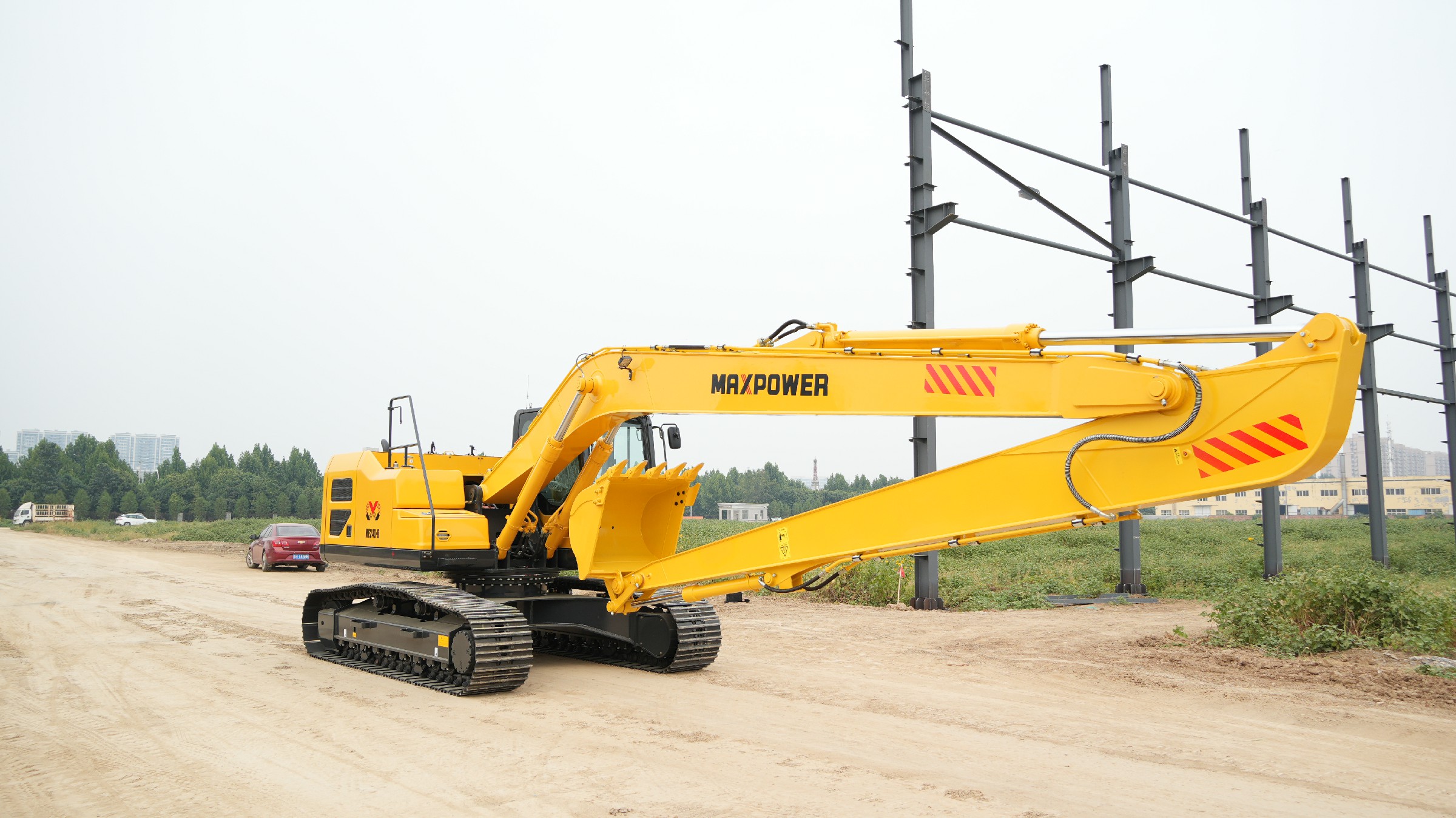
Include the boom and arm versions, linkage, and any intermediate equipment in the enquiry. A long arm or altered front attachment changes the configuration being assessed, so approval for the standard arrangement should not be carried across without review. techinfo.epiroc.com
Bucket digging force and lifting information describe particular capabilities of the excavator. For procurement, the practical conclusion is that these figures alone do not establish suitability for repeated breaker work; obtain confirmation for the proposed attachment and application. media.cnh.com
If the excavator has a replacement arm, modified mounting parts, or an uncertain equipment history, disclose that information. Ask the supplier what identification or inspection is needed before the machine is accepted into the proposed combination.
Weight comparisons are useful only when their definitions are clear. Establish the boundary of each published figure before adding components or comparing two models.
A listed weight may already include the working tool and an adapter plate. Epiroc’s SB 452 specification notes, for example, describe service weight using a standard tool and an average-sized adapter plate, so a different supplied plate requires attention. Epiroc
Request a component list showing what is included in the quoted breaker weight and what must be added for the installed arrangement. Include the actual bracket, coupler, working tool, and other fitted equipment where relevant, while avoiding adding an item twice.
The same total mass can be positioned differently when a bracket or intermediate device changes the assembly. Ask the carrier supplier to review the complete arrangement and intended working positions, using the applicable machine information and attachment requirements.
Use packing and transport figures for logistics and the documented installed configuration for equipment matching. If a quotation supplies only a shipping weight, request the operating assembly information before treating the attachment as matched.
Choosing a hydraulic breaker for excavator work includes confirming that the installed circuit can meet the tool’s requirements. Compare the actual attachment supply with the breaker’s specifications, including the conditions under which the figures apply.
Ask for the flow available to the breaker in the intended machine mode and under the specified test conditions. Total pump capacity or a maximum flow stated without its operating conditions is not sufficient evidence of what the installed attachment circuit delivers.
Working pressure and relief settings have different roles and need their own specification entries. Have the installer establish the required relationship from the applicable manuals, rather than copying the excavator’s maximum pressure or another breaker’s settings. industrialtoolsandattachments.com
Check the manufacturer’s return pressure requirements at the stated location and test condition. A published acceptance limit may describe reduced performance, so ask which conditions are recommended for the intended installation and how compliance will be recorded. techinfo.epiroc.com
Increasing flow beyond the approved range can create excessive heat and damage. Caterpillar’s hydraulic hammer selection guidance highlights the need to match pressure and flow and to verify the carrier’s hydraulic output before choosing an attachment. Caterpillar
Tell the supplier how breaking fits into the shift. Occasional removal of a small obstruction and repeated production breaking present different questions about operating time, cooling, servicing, and equipment availability.
Distinguish total machine hours from time spent operating the breaker. Explain the expected periods of breaking, repositioning, digging, and material removal so the supplier can assess the planned duty without relying on an undefined phrase such as “daily use.”
Provide the expected ambient temperature range, dusty conditions, available access, and other relevant site information. Ask whether the proposed carrier and attachment package needs additional equipment or a different operating arrangement for those conditions.
The commissioning scope should address temperature behavior under the manufacturer’s specified conditions. The STANLEY MB5560/5570 manual illustrates this approach by recording hydraulic measurements and heat behavior as part of installation verification; its numerical limits apply to the equipment covered by that manual. industrialtoolsandattachments.com
A brief demonstration can answer limited questions about the demonstrated setup. Agree separately on the evidence needed for the expected work pattern, and record any conditions that the demonstration did not represent.
The mechanical connection and hydraulic installation belong in the same equipment review. A hydraulic breaker for excavator use should arrive with an identified mounting arrangement and clearly specified connection requirements.
Ask whether the supplied bracket, coupler, and any tilt or rotating device are approved for the proposed breaker work. A compatible attachment interface does not by itself establish permission to use every intermediate component for breaking.
Include hose specification, connection type, retention, and clearance in the installation scope. The installer should check the approved range of movement and working positions using the relevant instructions, including the space around the breaker body and mounting parts.
Obtain the circuit requirements for the exact breaker and installation kit. Do not assume that another attachment’s hose arrangement is suitable, or that every breaker requires an additional case drain; use the documented port functions and return requirements. techinfo.epiroc.com
List mounting hardware, hydraulic lines, couplings, controls, and installation work explicitly. This turns a broad equipment quotation into a package that the purchasing and service teams can check before dispatch.
The working tool is the part that contacts the material, and its selection belongs in the application review. Describe what must be broken before asking the supplier to choose a tool shape and specification.
For concrete, provide thickness, reinforcement information, and whether the work concerns slabs, foundations, or demolition debris. For rock, describe the known rock type, fractures, approximate block dimensions, and whether the task involves trench excavation or reducing loose oversize pieces. Toku America
Epiroc’s working tool selection guide distinguishes several concrete, rock, asphalt, and ground applications. Treat such charts as guidance for the manufacturer’s equipment and confirm the final tool against the exact breaker and material. epiroc.com
| Application to describe | Useful material information | Tool selection question |
|---|---|---|
| Concrete slabs or foundations | Thickness, reinforcement, access, required fragment size | Which approved point or chisel suits this concrete and task? |
| Rock trenching | Rock type, fracture condition, trench dimensions | Which tool and breaker combination suits the in-place material? |
| Loose rock or demolition oversize | Block dimensions, material condition, target size | Is a blunt tool or another approved tool appropriate? |
| Asphalt removal | Layer thickness, supporting material, removal pattern | Is an approved chisel, wide chisel, or asphalt tool available? |
Record the approved tool designation and replacement part reference. A similar-looking point or a matching nominal diameter does not establish that the shank, retaining arrangement, length, and other specified features are correct. s7d2.scene7.com
If rock conditions or reinforcement details are uncertain, label them as assumptions in the enquiry. Ask what additional information or representative assessment would let the supplier narrow the recommendation.
A hydraulic breaker for excavator applications should be compared using documented suitability and relevant evidence. A larger tool diameter or higher advertised figure does not, by itself, answer how the complete package will perform on your site.
Keep impact frequency, any stated impact energy, and hydraulic input requirements in separate entries. Ask for the rating definitions and operating conditions before comparing figures from different suppliers, particularly where only an unexplained energy class is provided.
Specify the outcome that matters to the project, such as a trench through the identified material or fragments suitable for the next handling stage. If a production estimate is offered, ask which material, carrier configuration, working method, and allowances support it.
An equipment evaluation can include positioning, breaking, moving fragments, and changing attachments where those activities form part of the job. Agree on the measurement method before comparing demonstrations so that one result is not based on breaking time alone and another on the complete cycle.
A supplier’s previous project can be useful evidence when its conditions are described. Record the differences from your site and ask which parts of the recommendation still require confirmation rather than treating the example as a production guarantee.
Features should be described for the exact breaker version being supplied. Establish whether each item is standard, optional, or unavailable, and how it relates to the intended application.
Some breakers offer functions such as protection against blank firing or automatic lubrication. Ask what the supplied system does, what maintenance it requires, and which operator checks remain part of its instructions. Caterpillar
Include the site’s noise and dust requirements in the enquiry and request details of the equipment proposed to address them. If a noise value is supplied, retain its measurement description and have the project team assess it against the actual site conditions.
Flag underwater work and other unusual applications before selection. Manufacturer guidance may require dedicated arrangements for both the breaker and carrier, so standard dry-land suitability should not be extended to those tasks without confirmation. Caterpillar
Ask the quotation to name each application option and the associated installation or maintenance requirements. This prevents a feature pictured in a brochure from being assumed to be part of the delivered package.
The following examples show how to organize an enquiry for a hydraulic breaker for excavator work. They are purchasing scenarios, not recommendations for a particular machine size or breaker model.
A contractor mainly digs service trenches but sometimes removes existing concrete. The enquiry should describe the concrete, access restrictions, expected breaking periods, attachment changes, and the machine already available, allowing the supplier to assess the combined digging and breaking role.
A second project expects regular breaking in identified rock before trench excavation can continue. In addition to equipment compatibility, the enquiry should emphasize the material condition, required trench result, planned work pattern, cooling assessment, tool availability, and a representative basis for any production estimate.
A fleet owner wants one breaker to work with several excavators that have a similar advertised tonnage. Prepare a separate configuration and hydraulic record for each carrier, then ask for an approved combinations list showing any machine-specific brackets, settings, or installation parts.
If a supplier confirms the mechanical fit but leaves hydraulic or application questions open, keep those items visible in the purchasing record. Ask for the missing technical response before treating the complete package as agreed.
An approved proposal should lead to an installation record that identifies what was actually supplied and checked. Agree on a commissioning scope using the carrier, breaker, and installation-kit instructions, with the work carried out by appropriately qualified personnel.
| Record item | What the record should identify | Why the buyer needs it |
|---|---|---|
| Equipment identity | Carrier, breaker, bracket, coupler, working tool, relevant versions | Links the result to the actual assembly |
| Mounting and movement | Installed parts, securing arrangement, clearance review | Documents the mechanical installation |
| Hydraulic conditions | Flow, pressure, return conditions, machine mode, test method | Shows how the supply was compared with requirements |
| Temperature assessment | Specified test conditions, ambient conditions, observations and results | Defines the thermal evidence available |
| Controls and functions | Supplied controls, indications, fitted features, required checks | Supports a clear operator handover |
| Operating documents | Manuals, limitations, service schedule, approved parts, contacts | Gives the owner the information needed after delivery |
Measurements need units, relevant operating conditions, and an acceptance basis to be useful later. Ask the service team to identify the applicable specification or manual revision instead of supplying a page of unexplained numbers.
Keep deviations, unresolved questions, and agreed corrective work in the handover record. Identify who is responsible for each item and obtain the necessary confirmation before accepting the affected part of the installation.
Record the mode and settings established for the attachment, including how the operator identifies them. When equipment is transferred or the machine configuration changes, arrange the review required for that new combination rather than relying on a familiar screen label.
Selecting a hydraulic breaker for excavator use continues into maintenance and equipment changes. Keep the original configuration record accessible to operators, purchasing staff, and the service team.
Request references for the approved working tools and wear parts, together with the inspection and servicing information needed for the planned use. For the carrier side of the package, the MAXPOWER repair and maintenance service page provides a starting point for discussing support requirements.
Use the maintenance requirements for both the carrier and breaker, including any provisions for the application. Ask the supplier to explain lubrication, wear inspection, hydraulic cleanliness, and specialist service needs for the delivered equipment rather than adopting one schedule for every attachment. media.cnh.com
Record a replacement bracket, different coupler, alternative working tool, hydraulic modification, or transfer to another carrier. Send the updated information for the necessary technical review and keep the resulting instructions with the equipment.
Give the service team the equipment identities, operating conditions, recent changes, and observed symptoms. Follow the equipment instructions for fault response and leave diagnostic measurements or adjustment work to the appropriate service personnel.
Start with the exact carrier configuration and the material to be broken. Confirm the installed attachment weight, mounting approval, hydraulic requirements, and intended work pattern, then request a documented match from the suppliers. Include commissioning and service information in the package before finalizing the order.
Tonnage helps shortlist candidates, but the manufacturer’s carrier range may assume a standard configuration. Boom and arm arrangements, the installed attachment, hydraulics, and the application still need review. Ask for confirmation covering your actual machine rather than relying on a broad weight class alone. Epiroc
Start with the manufacturer’s definition of the published weight. It may already include a working tool and adapter plate, while a different bracket or coupler changes the installed assembly. Obtain an itemized configuration, add only the components that are excluded, and keep transport or packing weight separate from this assessment. techinfo.epiroc.com
Only use the flow range approved for the breaker and installation. Additional flow is not a general performance upgrade, and excessive supply can cause heat or damage. Have the service team confirm the actual attachment delivery, pressure, and return conditions in the intended machine mode before the package enters service. Caterpillar
The required connections depend on the exact breaker and installation. Identify each port from the applicable documentation and confirm the specified return arrangement, pressure limits, and any additional lines. Do not copy the plumbing from another powered attachment or assume that a case drain is universally required.
A quick coupler may form part of an approved installation, but its presence changes the assembly that must be assessed. Confirm the coupler, bracket, retention arrangement, added weight, geometry, and permitted breaker use. Include any tilt or rotating equipment in the same review rather than assuming interface fit settles approval.
The answer depends on the material condition, task, breaker model, and approved tool range. Provide concrete thickness and reinforcement details, or the known rock type and fracture condition, then request a recommendation. A tool chart can guide that discussion, but one point shape should not be treated as the best choice for every material. s7d2.scene7.com
It may be possible when every combination is individually confirmed. Check each carrier’s configuration, mounting parts, hydraulic supply, return conditions, and operating mode. Keep an approved combinations list and identify any machine-specific parts or settings so the attachment does not move between machines on the basis of tonnage alone. Bobcat Company
A short demonstration only establishes what was observed under its conditions. Agree on the evidence needed for the planned application, including the manufacturer’s hydraulic checks and relevant temperature assessment. Record the machine mode, test conditions, limitations, and any outstanding work in the handover documents.
Send the carrier model and configuration, proposed breaker data, installed mounting details, and available hydraulic information. Add the material description, working positions, expected breaking periods, site conditions, and required result. These details give the suppliers a practical basis for reviewing and documenting the combination.
The most useful hydraulic breaker for excavator enquiry describes the complete job and equipment package. Prepare the carrier details, breaker specifications, mounting arrangement, hydraulic requirements, material information, and expected work pattern in one request.
Send that information to MAXPOWER when discussing your excavator order, and ask which breaker configuration can be confirmed for the proposed machine. Request a clear response covering the supplied equipment, remaining technical questions, commissioning scope, and service support so the purchasing decision rests on an identified, documented combination.