Maxpower Construction Machinery Manufacturer




Pipeline construction is one of the most demanding sectors in civil engineering. Whether the project involves water distribution networks, natural gas systems, oil transportation infrastructure, or municipal drainage systems, excavation quality directly affects project safety, efficiency, and long-term reliability.
Selecting the right excavator for pipeline construction is not simply about digging capability. Contractors must evaluate trench depth requirements, soil conditions, working space, productivity targets, and equipment versatility to ensure smooth project execution.
This guide explains how excavators are used in pipeline projects and what buyers should consider when choosing equipment for utility construction.
Modern pipeline installation requires precise excavation, stable trench dimensions, and efficient material handling. Excavators support several important stages of pipeline construction, including route preparation, trench excavation, pipe placement support, backfilling, and site restoration.
Without the right excavation equipment, it becomes difficult to maintain consistent trench depth, protect existing utilities, and keep construction schedules under control. This is why excavators remain one of the most important machines for pipeline contractors.
Different pipeline projects have different excavation requirements. A machine that works well for residential water lines may not be suitable for long-distance energy infrastructure.
Water pipeline projects usually require clean trenching, stable trench bottoms, and accurate depth control. Excavators are used to prepare the trench, remove soil, and assist with backfilling after pipe placement.
Gas pipeline construction requires careful excavation because safety standards are strict. Operators must maintain accurate trench dimensions and avoid disturbing nearby underground utilities.
Oil pipeline projects often involve long-distance routes, remote locations, and mixed ground conditions. Equipment reliability is especially important because downtime can delay the entire project schedule.
Drainage and sewer projects often require deeper excavation and careful slope control. Excavators help contractors dig trenches, remove excess material, and restore the surface after installation.
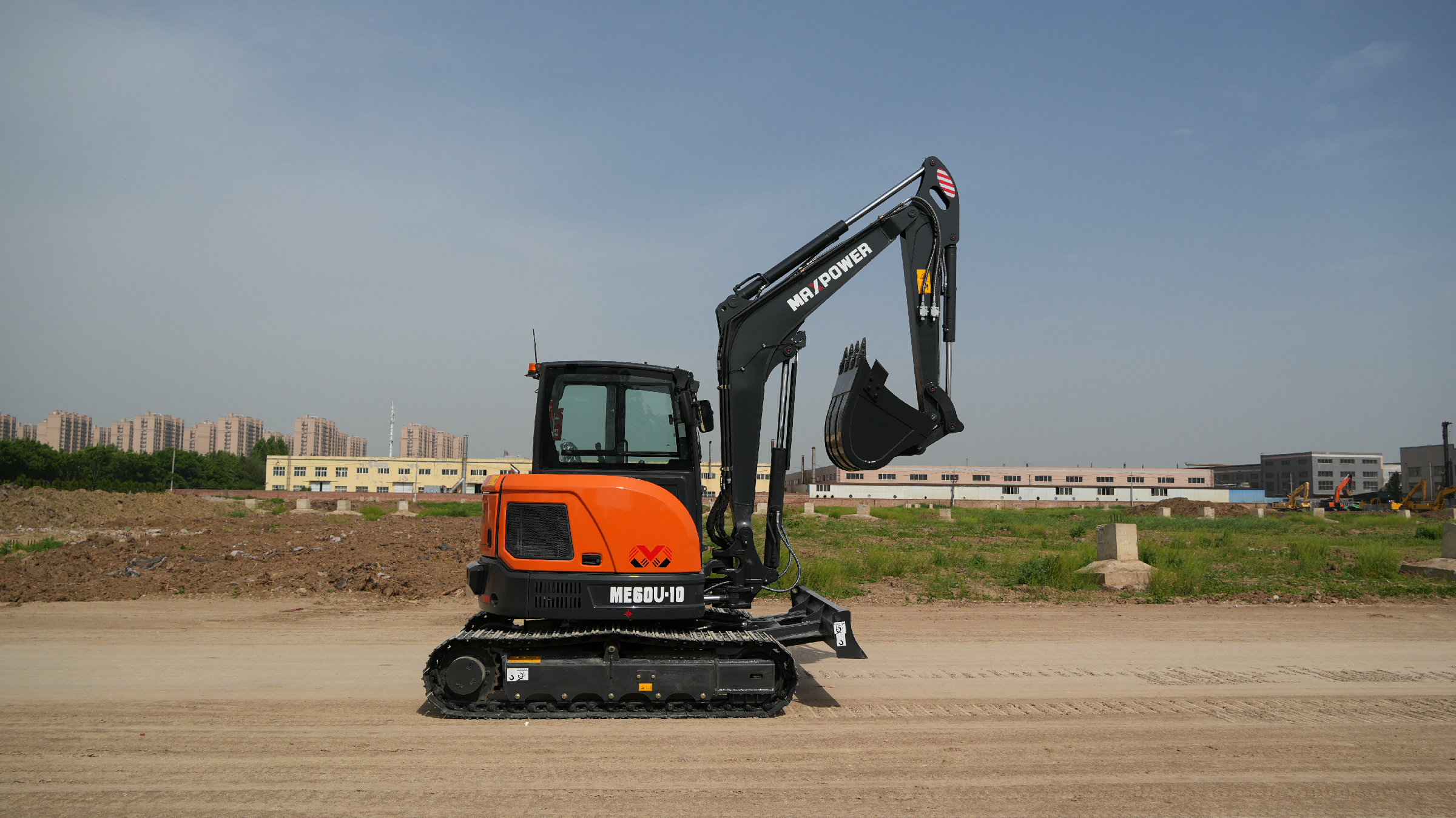
The best excavator size depends on trench depth, working space, soil type, and project scale.
Mini excavators are suitable for residential utility work, urban repairs, and narrow job sites. They are easy to maneuver and useful when working near buildings, sidewalks, or existing infrastructure.
Medium excavators are often preferred for municipal pipeline construction because they offer a strong balance between digging depth, lifting capacity, mobility, and operating efficiency.
Large excavators are better suited for oil, gas, and large infrastructure projects where deeper trenches, heavier materials, and higher productivity are required.
For most utility contractors, medium excavators provide the most practical combination of power and flexibility.
Pipeline construction often requires digging close to existing utilities. A responsive hydraulic system helps operators control trench depth and width more accurately, reducing rework and improving safety.
Hard soil, compacted ground, and rocky sections require sufficient breakout force. A powerful excavator helps maintain productivity even when ground conditions change.
Pipeline work often involves long trenches and uneven surfaces. A stable chassis and strong undercarriage help improve operating safety and digging accuracy.
Pipeline contractors may need trenching buckets, hydraulic breakers, compaction tools, and pipe-handling attachments. A versatile excavator can support more stages of the project and reduce the need for additional machines.
Pipeline projects often involve complex job site conditions. Existing underground utilities, changing soil types, narrow working zones, and strict project deadlines all increase the difficulty of excavation work.
In urban areas, operators must work carefully around electrical cables, water systems, communication lines, and gas pipelines. In rural or remote areas, contractors may face soft soil, rocky ground, or limited service access.
Choosing a reliable excavator helps reduce these risks by improving control, stability, and daily productivity.
Medium excavators are widely used in pipeline construction because they can handle a broad range of tasks without being too large for standard job sites.
They offer enough digging depth for most utility trenches, sufficient lifting capacity for pipe handling support, and strong hydraulic performance for continuous operation. Compared with larger machines, they are easier to transport and more adaptable to mixed project environments.
This makes medium excavators a practical choice for contractors who handle water, drainage, gas, and municipal infrastructure projects.
MAXPOWER excavators are engineered to support demanding utility and infrastructure projects. Their hydraulic systems are designed for smooth and precise control, helping operators maintain trench accuracy during pipeline installation.
The durable structure of MAXPOWER excavators supports long operating hours and challenging terrain conditions. Whether the project involves municipal water systems, gas pipelines, drainage networks, or industrial infrastructure, MAXPOWER machines provide the strength and reliability contractors need.
With flexible attachment compatibility, MAXPOWER excavators can support trenching, material handling, backfilling, and site restoration within one efficient workflow.
Demand for pipeline construction equipment continues to grow due to infrastructure upgrades, urban development, energy projects, and water management needs.
Many countries are replacing aging utility networks, expanding water distribution systems, and improving drainage infrastructure. At the same time, oil and gas projects continue to require reliable excavation equipment for long-distance pipeline installation.
These trends make excavators an important investment for contractors working in utility and infrastructure construction.
Before selecting equipment, contractors should evaluate the required trench depth, soil conditions, project duration, available working space, utility type, and transportation requirements.
The right excavator should not only meet digging requirements but also improve workflow efficiency across the entire project. A machine with strong hydraulics, stable performance, and attachment flexibility can help reduce downtime and improve long-term equipment utilization.
Pipeline construction demands equipment that combines precision, reliability, and productivity. Excavators play a central role in trenching, material handling, backfilling, and site restoration.
For contractors working on utility and infrastructure projects, selecting the right excavator can significantly improve project efficiency and reduce operational challenges. MAXPOWER excavators provide dependable hydraulic performance, durable construction, and versatile application capability for demanding pipeline construction environments.
What excavator size is best for pipeline construction?
Medium excavators are commonly used because they balance digging depth, mobility, and productivity.
Can excavators be used for gas pipeline projects?
Yes. Excavators are widely used for gas, water, oil, sewer, and drainage pipeline installation.
What attachments are useful for pipeline work?
Trenching buckets, hydraulic breakers, compaction tools, and pipe-handling attachments are commonly used.
Why is hydraulic performance important?
Precise hydraulic control helps maintain accurate trench dimensions and reduces the risk of damaging existing utilities.
Why choose MAXPOWER excavators for pipeline projects?
MAXPOWER excavators provide reliable hydraulic performance, durable structure, and versatile application capability for utility construction.
MAXPOWER excavators are built to handle demanding utility and infrastructure applications with precision and efficiency. Whether you're installing water systems, gas pipelines, or municipal drainage networks, our machines deliver the performance and reliability contractors depend on. Contact MAXPOWER today to discover the right excavator solution for your next pipeline construction project.







