Maxpower Construction Machinery Manufacturer




Road construction projects require equipment that can handle excavation, grading, trenching, material handling, and site preparation efficiently. Choosing the right excavator is critical because equipment performance directly affects project timelines, operating costs, and overall productivity.
Whether you are building highways, municipal roads, industrial access routes, or rural transportation networks, selecting the right excavator can significantly improve construction efficiency and reduce downtime.
This guide explores what contractors should look for when choosing an excavator for road construction projects and why excavators remain one of the most important machines in modern infrastructure development.
Road construction involves far more than simply moving earth. Contractors must perform multiple tasks throughout different stages of the project.
Excavators are commonly used for:
Site clearing and preparation
Earthmoving and grading support
Drainage trench excavation
Culvert installation
Utility relocation
Material loading
Slope shaping
Road widening projects
Because road construction sites often cover large areas and changing terrain conditions, excavators provide the flexibility needed to support multiple operations.
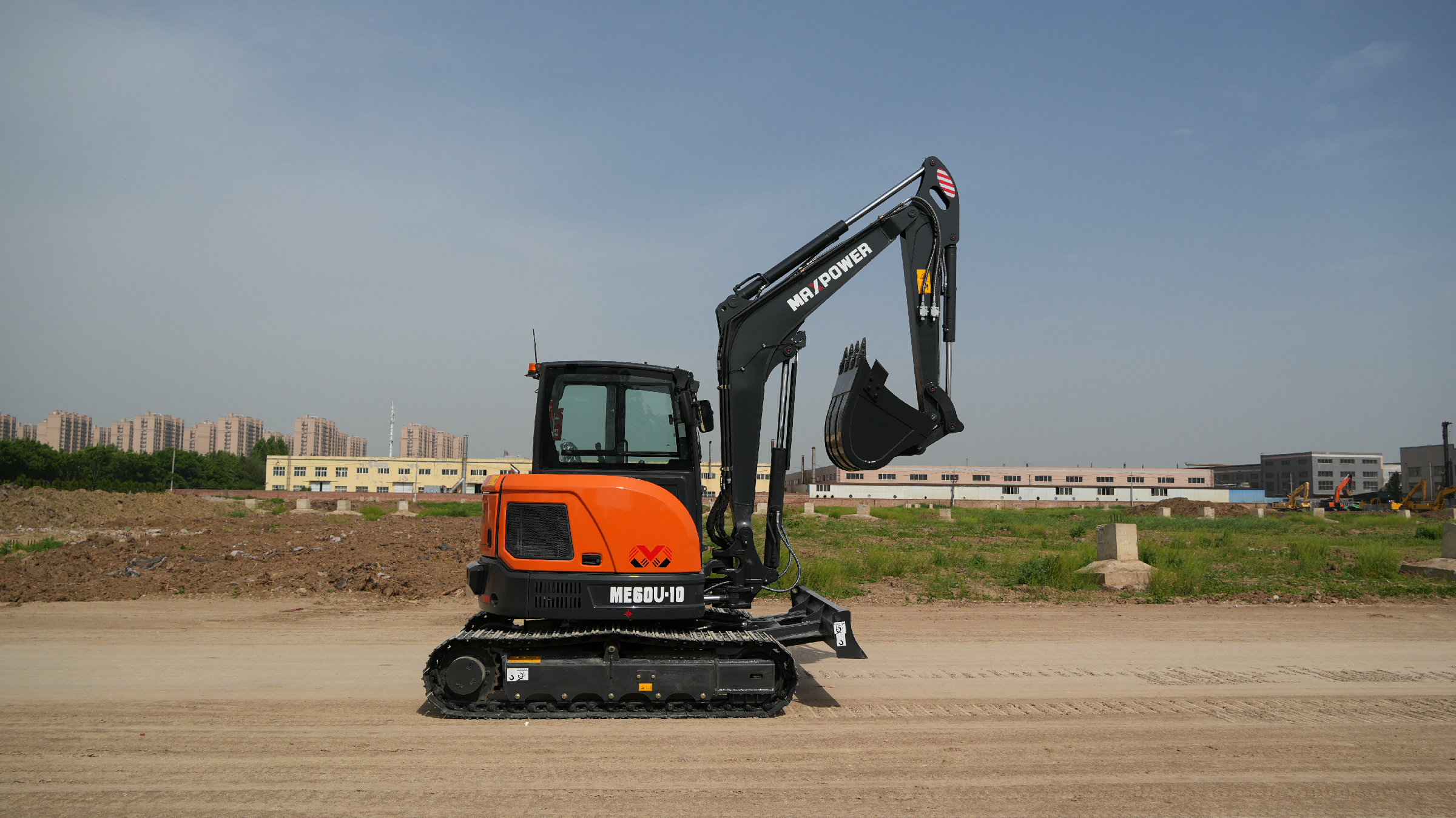
Before construction begins, vegetation, debris, and unsuitable soil must be removed. Excavators help clear the site quickly and efficiently.
They are also used to create temporary access routes and prepare the construction area for grading equipment.
Excavators play a major role in earthmoving activities.
Common tasks include:
Excavating cut sections
Creating embankments
Removing unsuitable materials
Loading trucks with excavated soil
Efficient earthmoving directly impacts project productivity.
Proper drainage is critical for road durability.
Excavators are used to:
Dig drainage trenches
Install drainage pipes
Create roadside channels
Support culvert construction
Without effective drainage systems, road surfaces can deteriorate quickly.
Many road expansion projects require contractors to relocate existing infrastructure such as:
Water pipelines
Gas pipelines
Communication cables
Electrical systems
Excavators provide the precision necessary for safe excavation around existing utilities.
The ideal excavator depends on project scale and working conditions.
Medium excavators are often the most practical choice for road construction because they offer:
Strong digging force
Good mobility
Efficient fuel consumption
Versatility across multiple tasks
They can support both municipal and regional road projects.
Large excavators are commonly used for:
Highway construction
Major infrastructure projects
Large-scale earthmoving operations
Their higher productivity makes them suitable for demanding workloads.
Certain road projects may require specialty excavators for:
Slope stabilization
Deep drainage systems
Difficult terrain conditions
These machines help contractors overcome unique engineering challenges.
Road construction involves frequent digging, lifting, and loading operations.
A high-performance hydraulic system helps improve:
Cycle times
Fuel efficiency
Operator control
Overall productivity
Road projects often require long working hours in challenging environments.
A durable excavator should feature:
Reinforced structural components
Strong undercarriage systems
Reliable hydraulic components
Because road projects can last for months, operating costs become a major factor.
Efficient excavators help contractors reduce fuel consumption without sacrificing productivity.
Operators often spend long shifts in the machine.
Features such as:
Ergonomic controls
Improved visibility
Climate-controlled cabins
Reduced vibration
can significantly improve productivity and reduce fatigue.
Road contractors frequently encounter changing site conditions.
These may include:
Rocky terrain
Soft ground conditions
Existing underground utilities
Limited access areas
Environmental restrictions
Choosing the right excavator helps minimize operational disruptions and improve project performance.
Equipment downtime is one of the most expensive problems in road construction.
Unexpected breakdowns can lead to:
Project delays
Increased labor costs
Equipment rental expenses
Missed deadlines
Reliable excavators help contractors maintain consistent progress and improve overall profitability.
MAXPOWER excavators are designed to meet the demands of modern infrastructure and transportation projects.
Key advantages include:
Powerful hydraulic systems for efficient excavation
Durable structural design for demanding job sites
Reliable performance during long working cycles
Flexible configurations for various road construction applications
Whether the project involves municipal roads, highways, drainage systems, or utility relocation, MAXPOWER excavators provide the performance contractors need to complete projects efficiently.
As infrastructure investment continues to grow worldwide, contractors are placing greater emphasis on:
Fuel efficiency
Equipment reliability
Environmental compliance
Digital machine monitoring
Productivity optimization
Excavators that combine these capabilities will continue to play a central role in future road construction projects.
Before making a purchasing decision, contractors should evaluate:
Project size
Soil conditions
Required digging depth
Transportation requirements
Daily operating hours
Long-term equipment utilization
Selecting the right machine is not simply about size—it is about matching equipment capability to project demands.
Road construction projects require excavators that deliver power, reliability, and versatility. From site preparation and drainage installation to utility relocation and earthmoving operations, excavators support nearly every stage of the construction process.
For contractors seeking long-term productivity and dependable performance, investing in the right excavator is essential. MAXPOWER excavators are engineered to help construction professionals complete road projects efficiently while maintaining operational reliability.
What excavator size is best for road construction?
Medium excavators are often the most versatile option for road construction projects.
Can excavators be used for drainage installation?
Yes. Excavators are widely used for trenching, culvert installation, and drainage construction.
Why is hydraulic performance important for road projects?
Strong hydraulic systems improve digging efficiency, cycle times, and productivity.
Are excavators used in highway construction?
Yes. Large excavators are commonly used for highway earthmoving and infrastructure development.
Why choose MAXPOWER excavators for road construction?
MAXPOWER excavators provide reliable performance, durability, and versatility for infrastructure projects.
MAXPOWER excavators are built to handle demanding infrastructure applications with power, precision, and durability. Whether you're working on municipal roads, highway expansion, drainage systems, or utility relocation projects, our machines are designed to deliver dependable performance and long-term value. Contact MAXPOWER today to find the right excavator solution for your next road construction project.







