Maxpower Construction Machinery Manufacturer




Choosing the right excavator size can directly affect productivity, operating costs, transportation, and overall project efficiency. A machine that is too small may struggle with digging depth, lifting capacity, or demanding ground conditions. A machine that is too large may create unnecessary fuel, transportation, and access costs.
So, what size excavator do you actually need?
There is no single answer for every project. The right choice depends on several practical factors, including the available working space, required digging depth, material weight, ground conditions, attachments, and expected workload.
This excavator size guide explains how to compare different machine classes and select equipment that matches the actual demands of your project.
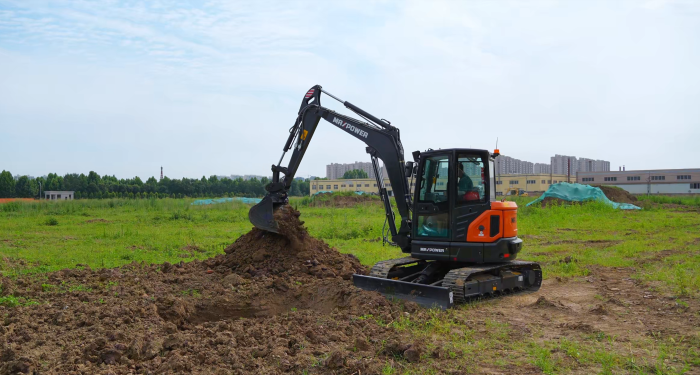
Excavators are used across construction, roadwork, utilities, landscaping, mining, demolition, agriculture, and infrastructure development. However, the machine required for a narrow urban utility project can be very different from the one needed for heavy earthmoving or quarry work.
Choosing the correct excavator size helps balance several important factors:
Digging and lifting performance
Jobsite access and maneuverability
Transportation requirements
Attachment compatibility
Ground pressure and stability
Operating efficiency
Long-term equipment utilization
The goal is not simply to buy the largest machine available. The goal is to select an excavator that can complete the required work efficiently without introducing unnecessary cost or operational limitations.
Excavators are commonly grouped according to operating weight. Exact classifications can vary between manufacturers and markets, but the following categories provide a practical starting point for equipment selection.
Mini excavators are compact machines designed for projects where space, maneuverability, and transportation flexibility are important.
They are commonly used for:
Landscaping
Residential construction
Utility installation
Small trenching projects
Agricultural work
Indoor or confined-area projects
Light demolition
A mini excavator can be particularly useful on sites with narrow entrances or limited operating space. Its compact dimensions may also make transportation between smaller projects easier.
However, compact size comes with limitations. A mini excavator is not designed to replace a larger machine in high-volume earthmoving, deep excavation, or heavy lifting applications.
Small excavators provide more digging power and stability than most mini models while remaining relatively maneuverable.
Typical applications include:
Municipal construction
Roadside work
Foundation excavation
Drainage projects
Utility installation
Small and medium commercial projects
For contractors handling a mixture of smaller and more demanding jobs, this category can offer a useful balance between mobility and productivity.
Medium excavators are widely used on general construction and infrastructure projects where greater digging capacity, lifting performance, and continuous-duty capability are required.
Common applications include:
Commercial construction
Road construction
Large foundation work
Earthmoving
Pipeline projects
Site development
Material handling
Machines in this category are often selected for projects where compact excavators no longer provide sufficient capacity but extremely large equipment is unnecessary.
For example, the MAXPOWER ME240 medium excavator is designed for demanding operations that require stronger digging performance and stable heavy-duty operation.
Large excavators are designed for high-output operations and demanding working environments.
Typical applications include:
Mining
Quarrying
Large infrastructure projects
Heavy earthmoving
Major demolition projects
High-volume material handling
These machines can deliver substantial digging and lifting capacity, but buyers must also consider transportation, site access, ground conditions, and operating costs.
You can explore the broader MAXPOWER excavator range to compare machines for different project requirements.
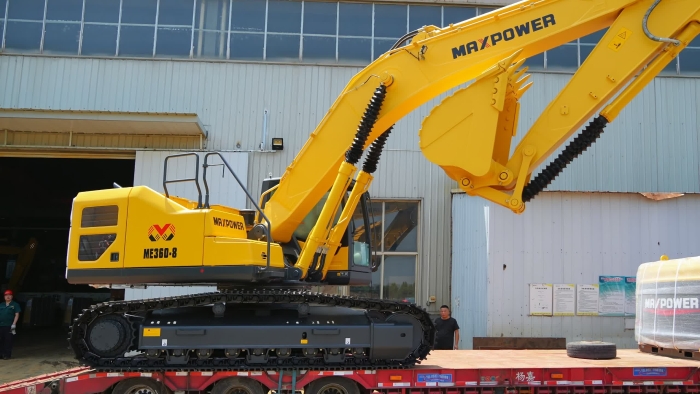
Operating weight alone should not determine your final equipment choice. A practical selection process should consider the complete jobsite and workload.
Start by examining where the excavator will actually work.
Ask:
How wide is the site entrance?
Are there buildings, walls, trees, or utility structures nearby?
Does the machine need to operate in narrow streets?
Is there enough room for the upper structure and counterweight to swing?
Will the machine work indoors or in an enclosed environment?
A compact machine may be more productive than a larger excavator when movement is restricted.
For open construction sites, larger equipment may operate efficiently. In dense urban or confined environments, however, maneuverability can become more important than maximum digging capacity.
One of the most important questions is:
How deep and how far does the excavator need to dig?
Different excavator models have different:
Maximum digging depths
Ground-level reach
Dumping heights
Working ranges
A machine may appear powerful enough based on engine output or operating weight but still lack the required reach for a specific trench, foundation, or loading task.
Before choosing a model, identify the maximum expected:
Digging depth
Horizontal reach
Dumping height
Then compare these requirements with the machine's actual working range.
It is generally better to select a machine with a reasonable performance margin rather than planning to operate continuously at the absolute limit of its working range.
Not all excavation work involves the same material.
Loose soil, clay, gravel, broken concrete, rock, and wet material place different demands on an excavator.
Consider:
Material density
Bucket size
Required breakout force
Loading height
Daily production target
Haul truck size, when applicable
A small machine may complete a heavy job eventually, but slow cycle times can reduce overall project efficiency.
For continuous excavation or high-volume material handling, a larger machine may provide better productivity. For precision work, landscaping, or smaller utility projects, a compact excavator may be the more practical solution.
Excavators are frequently used for more than digging. They may also lift:
Pipes
Concrete components
Steel structures
Construction materials
Attachments
Utility equipment
Lifting requirements should therefore be considered before selecting an excavator size.
The required lifting capacity depends on more than operating weight. Reach, lifting position, machine configuration, ground conditions, and attachment setup can all influence safe lifting performance.
Always refer to the manufacturer's applicable lifting information and operating instructions for the specific machine configuration.
Do not select an excavator based only on an estimated load weight.
The same excavator can behave differently depending on the terrain.
Important site conditions include:
Soft soil
Mud
Sand
Rocky ground
Slopes
Uneven surfaces
Finished pavement
For soft or unstable ground, machine weight and ground pressure become particularly important. A very heavy excavator may not be suitable when the supporting surface is weak.
Tracked excavators are widely used where traction and stability are important, while equipment selection for paved or highly mobile applications may require a different approach.
The undercarriage, track width, machine balance, and overall configuration should match the actual site conditions rather than being selected by machine size alone.
An excavator is a carrier for multiple tools, not just a digging machine.
Depending on the hydraulic system and machine configuration, common attachments may include:
General-purpose buckets
Trenching buckets
Hydraulic breakers
Augers
Grapples
Rippers
Compactors
Specialized tools
Attachment requirements can affect the excavator size you need.
A machine must provide sufficient:
Hydraulic flow
Hydraulic pressure
Stability
Lifting capacity
Attachment compatibility
For example, an excavator used mainly with a heavy hydraulic breaker may require a different configuration from a machine used for light trenching.
Before purchasing, discuss the full attachment plan with the manufacturer rather than selecting the base machine first and considering attachments later.
A larger excavator can provide more capacity, but it may also be more complicated and expensive to move between jobsites.
Before choosing a machine, consider:
Transport vehicle requirements
Local road regulations
Machine width and height
Loading and unloading conditions
Frequency of relocation
Distance between projects
Contractors who frequently move between smaller jobs may benefit from a more compact machine.
In contrast, a large infrastructure or mining project where the excavator remains on one site for an extended period may place much less emphasis on transport flexibility.
The following comparison provides a general decision-making framework.
| Excavator Class | Best Suited For | Main Advantage | Main Consideration |
| Mini Excavator | Landscaping, utilities, residential work, confined spaces | Compact and maneuverable | Limited heavy-duty capacity |
| Small Excavator | Municipal work, foundations, drainage, general construction | Balance of mobility and performance | May be insufficient for large earthmoving |
| Medium Excavator | Commercial construction, roads, infrastructure, earthmoving | Strong all-around productivity | Greater transport requirements |
| Large Excavator | Mining, quarrying, major infrastructure, heavy excavation | High production capacity | Higher site and transport requirements |
This table should be used as a starting point rather than a fixed purchasing rule.
The actual machine should always be selected according to project conditions and technical specifications.
The lowest initial price does not always result in the lowest total project cost.
A machine that is too small may require:
More operating hours
Additional equipment
Longer project duration
More frequent use near maximum capacity
Equipment selection should consider productivity and long-term utilization, not just the purchase price.
More size does not automatically mean better performance for every job.
An oversized excavator may create problems with:
Site access
Transportation
Maneuverability
Ground pressure
Operating efficiency
A properly matched machine is usually more useful than a machine selected only for maximum capacity.
An excavator is often purchased for more than one contract.
Consider the work your company expects to handle over the next several years. A machine that is perfect for one highly specialized project may have limited utilization afterward.
For contractors, equipment rental businesses, and distributors, versatility can be an important part of the purchasing decision.
Hydraulic and attachment requirements should be discussed before the final machine configuration is selected.
Planning attachments early can reduce compatibility problems and help ensure that the excavator is configured for its intended applications.
A mini excavator is often suitable when:
Access is limited
Ground disturbance should be minimized
Digging depth is moderate
The machine must move around existing structures
The right size depends heavily on:
Trench depth
Pipe dimensions
Lifting requirements
Site access
Daily excavation volume
Small or medium excavators may be appropriate for many utility projects, but project specifications should determine the final selection.
Excavation and trenching also involve serious safety considerations. The U.S. Occupational Safety and Health Administration provides detailed trenching and excavation safety guidance, including information about cave-in hazards, protective systems, site inspection, and safe access.
Small and medium excavators are commonly considered for:
Foundation excavation
Site preparation
Material handling
Drainage
General earthmoving
The required size depends on project scale and material volume.
Medium and large excavators may be more suitable when projects require:
Higher daily production
Larger buckets
Continuous-duty operation
Greater digging and lifting capacity
Site conditions and working space still need to be considered, particularly on urban road projects.
Mining and quarry applications often require larger, more robust machines capable of handling demanding materials and intensive operating cycles.
However, size alone is not enough. Buyers should also evaluate:
Structural durability
Hydraulic performance
Engine and power system
Maintenance requirements
Parts availability
Service support
Productivity is important, but excavator selection should also account for safe operation.
A machine that is too large for the available space can create unnecessary movement restrictions and visibility challenges. A machine that is too small may be pushed beyond the appropriate operating range.
The National Institute for Occupational Safety and Health provides information about construction equipment visibility and blind areas, while OSHA publishes specific guidance for excavation and trenching operations.
Machine selection does not replace proper operator training, site planning, risk assessment, inspection, and compliance with applicable local regulations.
Before requesting a quotation, prepare the following project information:
Main application
Expected working hours
Soil or material type
Terrain conditions
Available working space
Required digging depth
Required working reach
Required lifting capacity
Expected material volume
Required bucket capacity
Preferred operating weight range
Required attachments
Hydraulic requirements
Cab and operator requirements
Special environmental conditions
Delivery destination
Transportation limitations
Local dimensional or weight restrictions
Expected relocation frequency
Providing this information helps a manufacturer recommend a machine based on the actual application rather than simply suggesting a standard model.
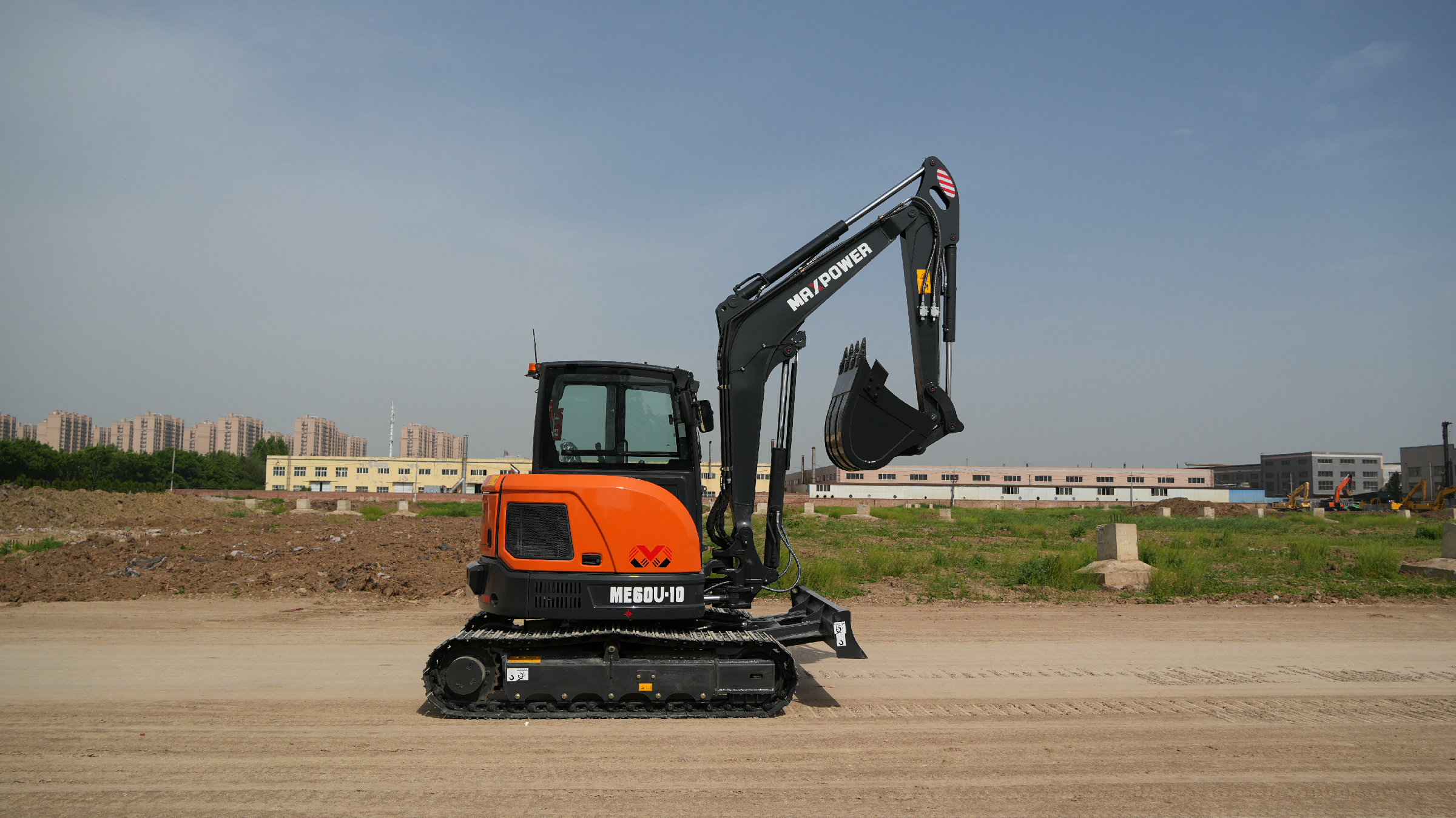
For international equipment buyers, choosing the right machine involves more than selecting an operating weight from a product catalog.
A capable manufacturer should be able to discuss:
Working conditions
Equipment configuration
Attachment requirements
Technical specifications
Parts support
Maintenance requirements
OEM or customization needs
MAXPOWER specializes in the research, development, manufacturing, and supply of construction machinery, including excavators for different project requirements.
Rather than selecting an excavator based only on tonnage, buyers can compare machine configurations according to the actual application, working environment, and expected workload.
The best excavator is not necessarily the smallest, largest, or most powerful machine.
It is the machine that fits the project.
When choosing an excavator size, consider:
Jobsite access
Digging depth
Working reach
Material type
Lifting requirements
Terrain
Attachments
Transportation
Future equipment utilization
A careful evaluation of these factors can help avoid both undersizing and oversizing.
For projects ranging from compact construction work to demanding earthmoving operations, explore the MAXPOWER excavator range or contact the MAXPOWER team to discuss your application requirements and identify a suitable equipment configuration.
The right excavator size depends on your required digging depth, lifting capacity, working space, material type, terrain, attachments, and expected workload. Start with project requirements before comparing machine models.
No. A larger excavator may provide greater digging and lifting capacity, but it can also require more working space and more complex transportation. The correct machine should match the actual project.
Small and medium excavators are commonly considered for general construction because they can provide a balance of maneuverability and productivity. The final choice depends on the scale of the project.
A mini excavator can be suitable for specific commercial tasks such as utility work, landscaping, confined-space excavation, and light site preparation. Larger excavation or heavy lifting may require a small or medium excavator.
Provide the application, material type, required digging depth, lifting needs, attachments, working environment, operating hours, destination country, and any transportation or dimensional limitations.







