Maxpower Construction Machinery Manufacturer




Choosing the right backhoe loader manufacturer in China requires more than comparing machine specifications or looking for the lowest purchase price. International contractors, equipment distributors, rental companies, and construction machinery importers need to evaluate manufacturing capability, product configuration, quality control, technical support, spare parts availability, and long-term cooperation potential.
A backhoe loader is a significant equipment investment. For overseas buyers, the manufacturer behind the machine can be just as important as the machine itself.
MAXPOWER provides construction equipment solutions for international customers looking for reliable machinery for excavation, loading, utility construction, infrastructure development, agricultural applications, and other demanding work environments.
This guide explains what international buyers should evaluate when selecting a Chinese backhoe loader manufacturer and how to determine whether a supplier is suitable for long-term cooperation.
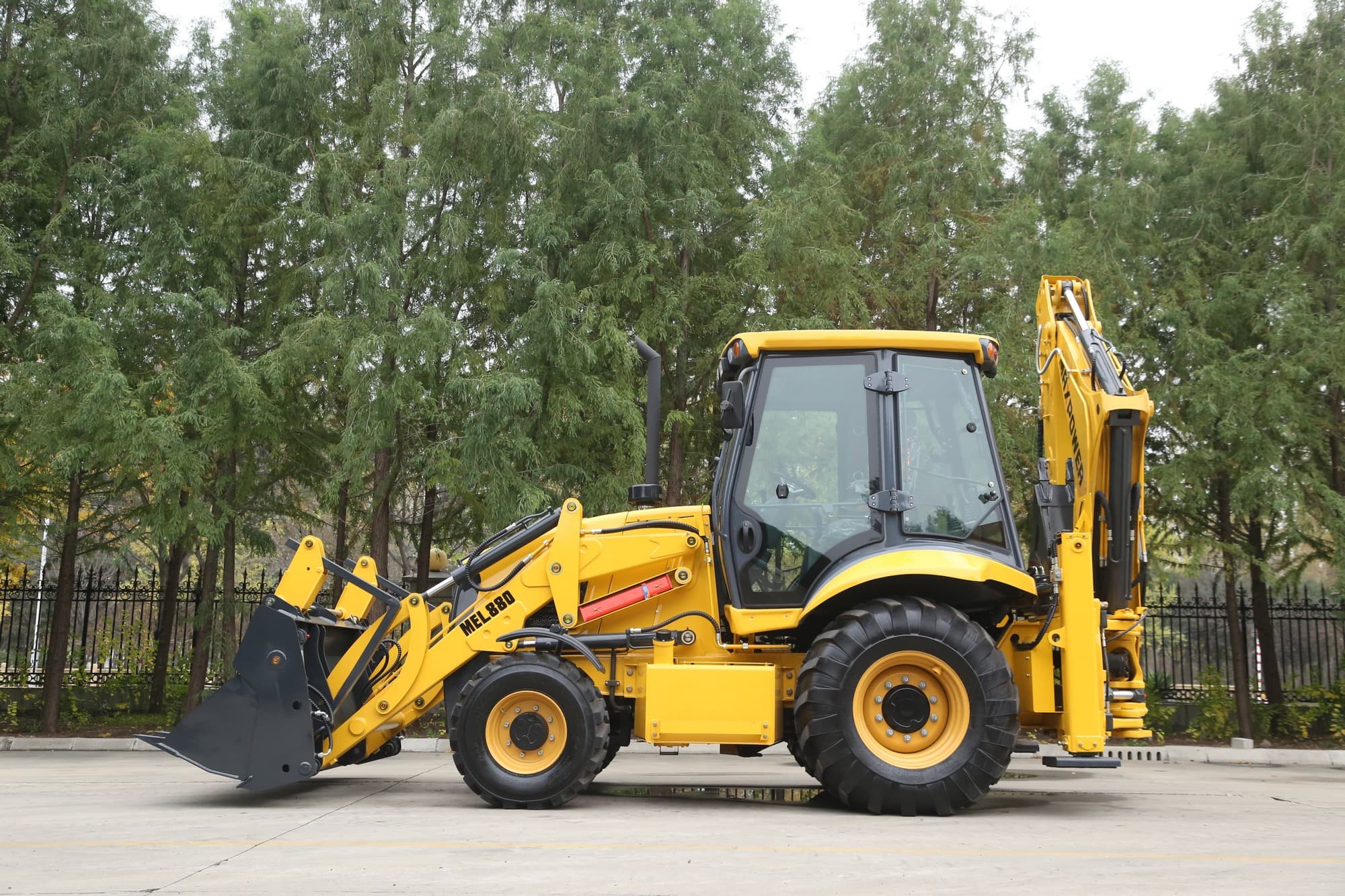
China has developed a large and increasingly sophisticated construction machinery manufacturing industry.
For international buyers, sourcing directly from a Chinese manufacturer can provide access to a broad range of equipment configurations and manufacturing capabilities.
However, the key issue is not simply finding a factory in China.
The more important question is whether the manufacturer can consistently provide:
Suitable machine configurations
Stable manufacturing quality
Reliable component integration
Technical documentation
Spare parts support
After-sales assistance
Export experience
Customization options
Long-term supply capability
A professional manufacturer should be able to provide more than a product catalog.
It should be able to understand the buyer's application and recommend equipment based on actual operating conditions.
A manufacturer should be able to support the complete equipment lifecycle rather than only the initial transaction.
This may include product selection, configuration, manufacturing, inspection, documentation, shipping preparation, spare parts support, and technical communication.
For overseas buyers, this is particularly important because the machine will be operating far from the manufacturer's factory.
A supplier that provides clear technical information and responsive communication can make equipment procurement significantly easier.
The relationship should therefore be evaluated as a long-term equipment partnership rather than a one-time purchase.
International buyers should evaluate manufacturers systematically.
A useful starting point is manufacturing capability.
Ask whether the supplier is actually a manufacturer or primarily a trading company.
This distinction can matter when technical customization, spare parts, troubleshooting, and long-term product support are required.
Buyers should also examine the manufacturer's product range.
A manufacturer with experience across multiple construction equipment categories may have broader technical resources and a better understanding of different working conditions.
MAXPOWER's product portfolio includes:
Excavators
Specialty Excavators
Electric Excavators
Backhoe Loaders
Specialty Equipment
Rotary Drilling Rigs
This broader range allows customers to consider different machine categories based on project requirements rather than being limited to one equipment type.
International importers should look beyond the basic engine and bucket specifications.
The first step is to define the intended application.
For example, a backhoe loader used primarily for utility trenching may require a different configuration from one used for agricultural land development or general construction.
Important factors include:
Consider soil conditions, climate, terrain, working space, and transportation requirements.
Evaluate digging depth, reach, bucket configuration, and expected excavation workload.
Consider the materials that will be moved and the expected loading frequency.
Hydraulic performance influences digging response and attachment operation.
Check how routine service points are accessed and whether replacement components can be supplied efficiently.
Long-term parts availability should be discussed before the purchase rather than after a component fails.
The answer depends on the individual manufacturer and product configuration.
"Made in China" does not automatically indicate either high or low quality.
International buyers should evaluate the specific manufacturer, production standards, quality-control procedures, components, testing processes, and export experience.
A professional manufacturer should be able to explain how its machines are manufactured and inspected.
Buyers should also ensure that the selected configuration is suitable for the destination market.
Factors such as local regulations, operating conditions, emissions requirements, electrical systems, documentation, and safety requirements may vary between countries.
Certification requirements depend on the destination market and machine configuration.
Instead of assuming that every certification applies to every country, buyers should identify the specific regulatory requirements of their market.
For example, European customers may need to consider applicable EU machinery requirements, while buyers in other markets may have different standards.
The manufacturer should be able to provide relevant technical documentation for the selected equipment.
This is especially important for distributors because their customers may request documentation before placing an order.
A good supplier should be transparent about which standards and certifications apply to the actual machine being supplied.
Spare parts support is one of the most important considerations when purchasing construction equipment internationally.
A machine can be technically capable, but unexpected downtime can become costly if replacement components are difficult to obtain.
Before purchasing, buyers should ask:
Which spare parts are commonly stocked?
How can parts be ordered?
What technical information is available?
How are replacement components identified?
What support is available for troubleshooting?
Can commonly used service parts be purchased together with the machine?
Distributors should pay particular attention to this issue because they may need to support multiple machines in their local market.
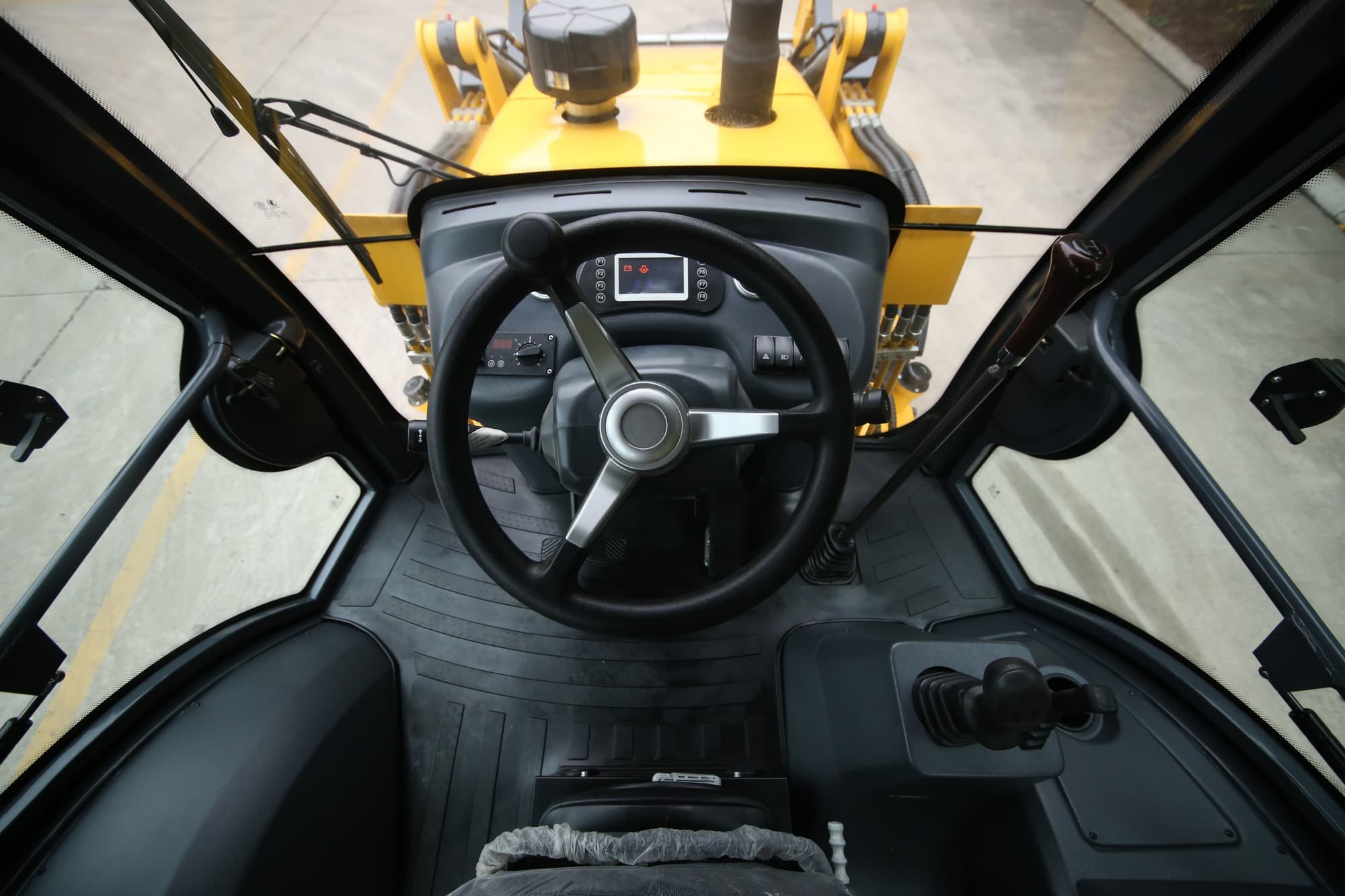
Distributors have different requirements from individual end users.
A distributor is not simply purchasing one machine.
They are evaluating whether a product line can be sold and supported in their local market.
Important considerations include:
Product consistency
Machines supplied over time should maintain consistent specifications and quality.
Technical documentation
Clear product information helps distributors train sales teams and communicate with customers.
Parts support
A distributor needs a practical method for obtaining replacement components.
Communication
Fast and accurate technical communication can be critical when supporting customers.
Product range
A broader product portfolio may allow distributors to address different customer segments.
Long-term cooperation
A distributor should evaluate whether the manufacturer can support future demand rather than focusing only on the first order.
Quality should be evaluated through multiple factors rather than one specification.
Engine power is important, but it does not tell the entire story.
Buyers should consider the complete machine.
This includes the hydraulic system, transmission, axle configuration, structural components, loader arm, backhoe assembly, operator controls, electrical system, and overall integration.
The quality of the manufacturing process also matters.
Consistent welding, component installation, inspection, testing, and final assembly contribute to machine reliability.
For international buyers, factory communication can provide valuable insight into how seriously the manufacturer approaches quality control.
A manufacturer can provide a much more accurate recommendation when the buyer provides detailed application information.
Instead of simply asking for "a backhoe loader," provide:
Intended application
Working environment
Typical soil conditions
Required digging depth
Required loading capability
Preferred attachments
Operating hours
Destination country
Transportation requirements
Expected quantity
For example, a contractor working on utility construction in a confined urban environment may have very different requirements from an agricultural contractor working on large rural properties.
The more specific the application information, the easier it is for the manufacturer to recommend an appropriate configuration.
One of the major strengths of a backhoe loader is its versatility.
It can support applications across multiple industries.
Backhoe loaders can support excavation, site preparation, loading, and general construction work.
They can be used for trenching and related utility construction activities.
Agricultural operators can use them for irrigation, drainage, farm roads, and infrastructure development.
They can support drainage, road maintenance, public works, and general infrastructure repair.
They can assist with excavation, grading support, material handling, and site preparation.
This versatility can make backhoe loaders attractive to equipment distributors because the potential customer base is broader than a single industry.
For international equipment buyers, supplier selection should focus on the manufacturer's ability to provide a complete equipment solution.
MAXPOWER offers a broader construction machinery portfolio rather than focusing on only one product category.
Its product range includes Backhoe Loaders, Excavators, Electric Excavators, Specialty Excavators, Specialty Equipment, and Rotary Drilling Rigs.
This provides customers with options for different excavation and construction requirements.
For a distributor or contractor, this can also simplify supplier management when multiple categories of construction equipment are required.
Rather than evaluating unrelated suppliers for every machine category, buyers can discuss their equipment requirements with one established construction machinery manufacturer.
A simple specification comparison is not enough.
Two machines may have similar engine power but very different overall configurations and support capabilities.
Create a manufacturer evaluation based on several dimensions:
Product suitability
Does the machine actually match your applications?
Manufacturing capability
Can the supplier consistently produce the required equipment?
Quality control
What processes are used to inspect and test machines?
Technical support
How does the manufacturer respond when technical questions arise?
Parts availability
Can service components be supplied efficiently?
Export experience
Does the manufacturer understand international logistics and documentation?
Communication
Can technical requirements be communicated accurately?
Long-term cooperation
Can the supplier support increasing order volumes and future product requirements?
This approach provides a much more useful basis for supplier selection.
Before placing an order, international buyers should consider asking:
Understanding the intended applications helps determine whether the configuration matches the buyer's market.
This should be evaluated against the buyer's typical trench and excavation requirements.
Different markets may require different buckets or attachments.
Buyers may need information about major powertrain, hydraulic, and control components.
Clarify how technical questions and service requirements will be handled.
Discuss ordering procedures, part identification, lead times, and support.
Export customers may have different operating and regulatory requirements.
The relationship with a manufacturer should not end when the machine leaves the factory.
Construction equipment may operate thousands of kilometers away from the supplier.
If technical questions arise, the buyer needs access to accurate information.
For distributors, this is even more important because they are responsible for supporting their local customers.
A manufacturer that understands international markets should provide appropriate technical documentation and communication channels to support equipment operation and maintenance.
This can help reduce unnecessary downtime and improve customer confidence.
Both options can work, but the buyer should understand the difference.
A trading company may provide access to multiple brands and product categories, which can sometimes be convenient.
However, direct manufacturer relationships can provide advantages when buyers need:
Technical customization
Product configuration
Factory communication
Spare parts support
Technical documentation
Long-term product development
For distributors placing recurring orders, direct communication with the actual manufacturer can be particularly valuable.
The best choice depends on the buyer's procurement model and support requirements.
Choosing a Backhoe Loader Manufacturer in China should involve much more than comparing prices or basic specifications.
International contractors, distributors, rental companies, and agricultural equipment buyers should evaluate manufacturing capability, product suitability, quality control, technical support, spare parts availability, export experience, and long-term cooperation potential.
A reliable manufacturer should be able to understand the buyer's application and provide equipment that matches the actual working environment.
MAXPOWER provides a range of construction equipment, including Backhoe Loaders, Excavators, Electric Excavators, Specialty Excavators, Specialty Equipment, and Rotary Drilling Rigs.
For international buyers looking for a Chinese construction equipment manufacturer, the most important step is to clearly define the intended application and communicate the technical requirements before selecting a machine.
Evaluate manufacturing capability, product quality, machine configuration, export experience, technical support, spare parts availability, documentation, and long-term cooperation capability.
They can be, provided the manufacturer and specific machine configuration meet the technical, regulatory, and operating requirements of the destination market.
Check machine specifications, intended application, applicable certifications, documentation, spare parts support, transportation requirements, warranty terms, and after-sales service.
Yes. Direct purchasing can provide closer communication with the manufacturer and may be beneficial for distributors, contractors, and recurring buyers.
Provide the intended application, digging requirements, working environment, soil conditions, attachments, destination country, expected operating hours, and required quantity.
Construction equipment downtime can affect project schedules. Reliable access to replacement parts can help contractors maintain machine availability.
Yes. MAXPOWER's product portfolio includes Backhoe Loaders, Excavators, Electric Excavators, Specialty Excavators, Specialty Equipment, and Rotary Drilling Rigs.
A manufacturer with international market experience can provide technical documentation, spare parts support, product information, and communication for distributors, depending on the cooperation arrangement.







