Maxpower Construction Machinery Manufacturer




The construction industry is entering a new stage where efficiency, environmental requirements, and operating costs are becoming increasingly important factors in equipment selection. As cities introduce stricter emission regulations and contractors look for cleaner solutions, Electric Excavators are gaining more attention as an alternative to traditional diesel-powered machinery.
Unlike conventional excavators, electric excavators use battery power or electric drive systems to reduce emissions, operating noise, and fuel dependency. These advantages make them particularly suitable for urban construction, indoor projects, infrastructure maintenance, and environmentally sensitive job sites.
However, choosing an electric excavator requires more than simply looking at zero-emission benefits. Contractors need to consider working hours, battery performance, charging requirements, digging capability, operating environment, and long-term ownership costs.
MAXPOWER Electric Excavators are designed for customers seeking efficient and sustainable construction equipment solutions while maintaining the performance required for demanding applications.
Construction companies are facing increasing pressure to improve efficiency while reducing environmental impact.
Traditional diesel excavators remain widely used, but they also create challenges:
Fuel cost fluctuations
Exhaust emissions
Noise pollution
Maintenance requirements
Restrictions in low-emission areas
Electric excavators provide a different approach by replacing diesel power with electric energy.
The main reasons contractors are considering electric excavators include:
Lower emissions
Reduced operating noise
Improved energy efficiency
Lower maintenance requirements
Suitability for restricted environments
Compliance with future environmental standards
For companies working in urban areas, residential projects, tunnels, warehouses, and indoor facilities, these advantages can provide significant operational value.
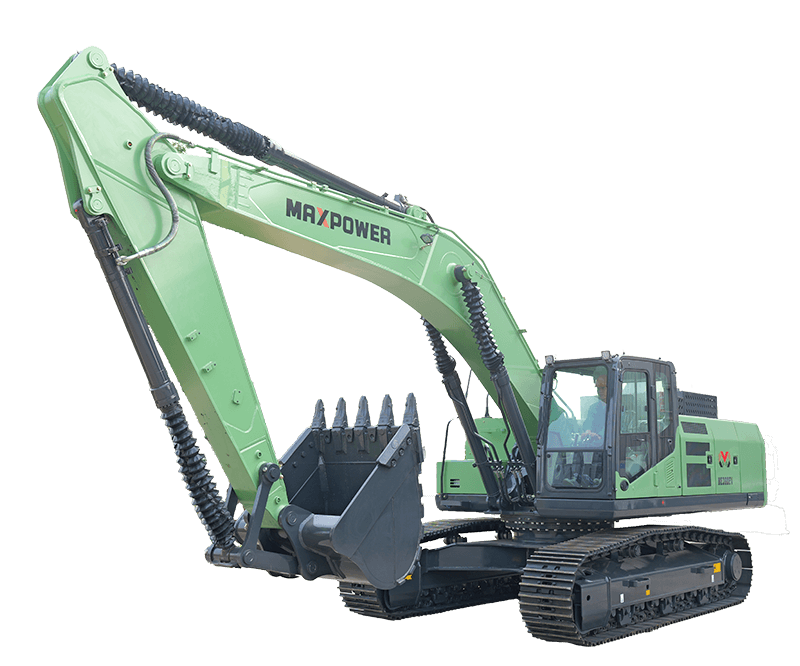
An electric excavator is a construction machine powered by electricity instead of a traditional diesel engine.
Depending on the design, power may come from:
Battery systems
External electrical connections
Hybrid electric systems
The basic working functions remain similar to conventional excavators.
An electric excavator still uses:
Boom
Arm
Bucket
Hydraulic system
Control system
Undercarriage
The major difference is the power source.
Instead of burning diesel fuel to generate mechanical power, electric motors provide energy for machine operation.
This change can significantly influence emissions, noise levels, and maintenance requirements.
The growing interest in electric construction equipment is driven by several practical advantages.
One of the most important advantages of electric excavators is the reduction of direct emissions during operation.
This makes them suitable for projects where air quality is a concern.
Common examples include:
Indoor construction
Underground projects
Urban development
Public infrastructure
Environmentally sensitive areas
Reducing exhaust emissions can help contractors meet environmental requirements and improve jobsite conditions.
Construction noise can create challenges, especially in populated areas.
Electric excavators generally operate with lower noise levels compared with diesel-powered machines.
This makes them valuable for:
Night construction
Residential areas
Schools
Hospitals
Commercial buildings
Indoor facilities
Reduced noise can improve working conditions and reduce disturbance to surrounding communities.
Electric power systems typically have fewer moving engine components compared with diesel engines.
This can reduce certain maintenance requirements, including:
Engine oil changes
Fuel system maintenance
Exhaust system servicing
Engine-related repairs
However, electric excavators still require regular inspection and maintenance of hydraulic systems, batteries, electrical components, and mechanical parts.
A common concern among buyers is whether electric excavators can provide sufficient performance for real construction applications.
The answer depends on the machine size, design, and project requirements.
Modern electric excavators are designed to perform many common excavation tasks, including:
Trenching
Landscaping
Utility installation
Site preparation
Material handling
Construction maintenance
However, contractors should evaluate performance based on actual requirements.
Important specifications include:
Digging force
Operating weight
Hydraulic performance
Battery capacity
Working cycle efficiency
Attachment compatibility
An electric excavator should not be selected only because it is environmentally friendly. It must also match the productivity expectations of the job site.
Electric excavators are particularly suitable for applications where emissions and noise are important considerations.
Cities often have strict requirements regarding noise and emissions.
Electric excavators can support:
Road maintenance
Utility construction
Building projects
Public infrastructure
Their quieter operation can help contractors work in areas where traditional equipment may face restrictions.
Indoor projects require special attention to air quality.
Electric excavators can be used in:
Warehouses
Industrial facilities
Underground structures
Tunnels
The absence of direct exhaust emissions makes them a valuable option for enclosed environments.
Electric excavators can support:
Cable installation
Pipeline construction
Drainage work
Infrastructure maintenance
These projects often require precision excavation in areas where environmental impact must be minimized.
For landscaping contractors, electric excavators can provide excavation capability while reducing disturbance caused by noise and emissions.
Applications include:
Garden development
Small foundations
Site preparation
Land improvement
The choice between electric and diesel excavators depends on the application.
Diesel excavators remain widely used because they provide:
High operating endurance
Established fuel infrastructure
Wide availability
Strong performance across many applications
Electric excavators offer advantages in:
Emission reduction
Noise control
Indoor operation
Urban environments
Energy efficiency
For large remote projects with limited charging infrastructure, diesel equipment may still be preferred.
For urban, indoor, and environmentally regulated projects, electric excavators can provide significant advantages.
The correct choice depends on project conditions rather than simply replacing one technology with another.
Operating time is one of the most important considerations when purchasing an electric excavator.
Battery performance depends on several factors:
Battery capacity
Machine size
Work intensity
Hydraulic demand
Operating conditions
Operator habits
Heavy excavation requires more energy than light-duty operations.
Before purchasing, contractors should evaluate their typical daily working pattern.
Important questions include:
How many operating hours are required per day?
Is charging available on site?
Are multiple shifts required?
Can charging occur during breaks?
Is backup equipment available?
A proper assessment helps ensure the electric excavator matches real job requirements.
Selecting an electric excavator requires a detailed evaluation.
Battery capacity directly affects operating duration.
Buyers should consider whether the battery can support typical daily workloads.
Charging availability is essential.
Contractors should evaluate:
Charging location
Charging speed
Electrical requirements
Site accessibility
The jobsite determines whether an electric excavator is the right choice.
Consider:
Indoor or outdoor operation
Temperature conditions
Space limitations
Required mobility
Environmental benefits should not replace performance evaluation.
Review:
Digging capability
Hydraulic response
Lifting performance
Stability
Attachment compatibility
Electric equipment requires technical support for:
Battery systems
Electrical components
Software systems
Maintenance procedures
A reliable manufacturer should provide appropriate technical assistance.
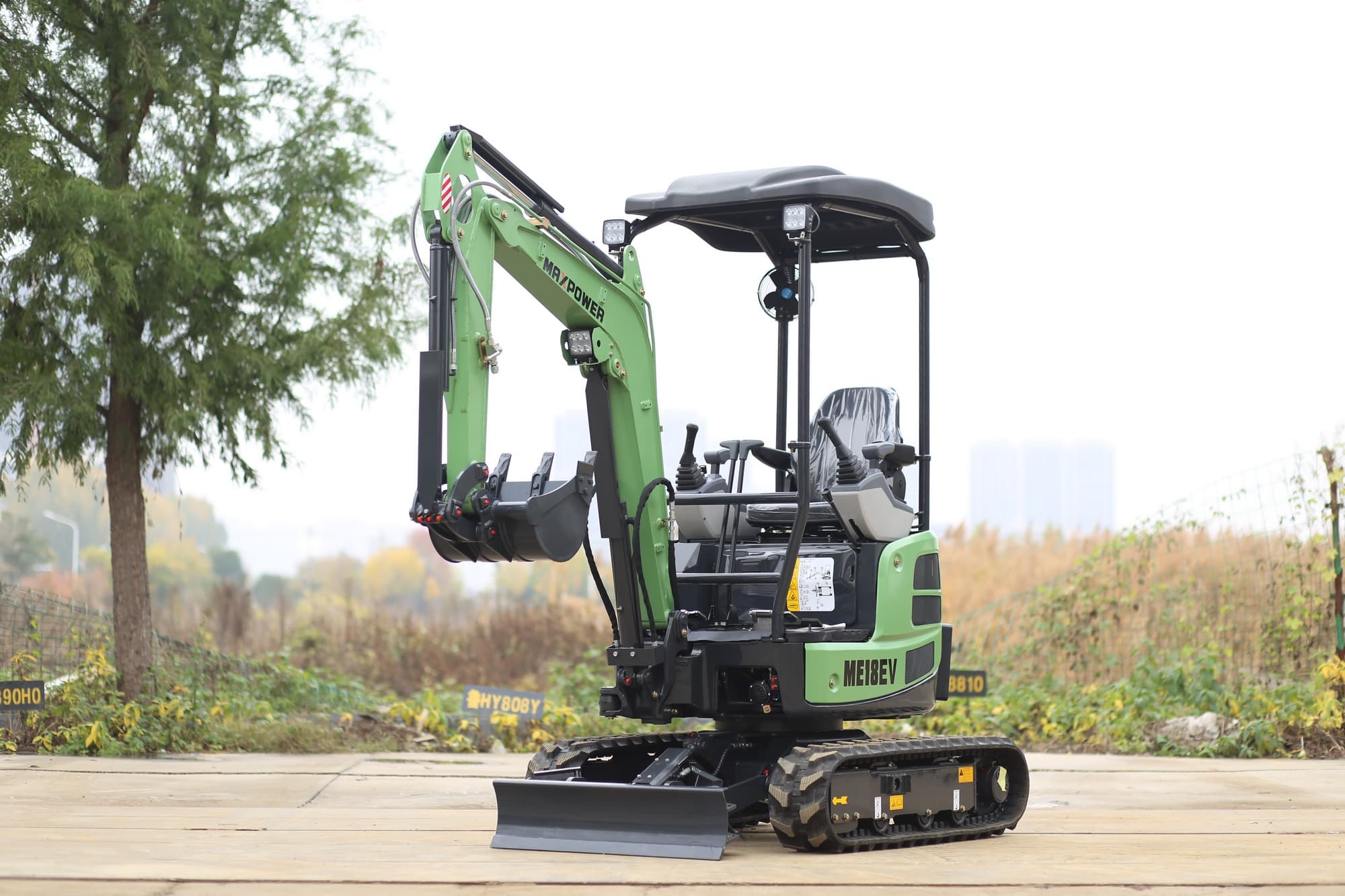
The total cost of ownership should be considered rather than only the purchase price.
Electric excavators may provide savings through:
Electricity costs may be more predictable than diesel fuel expenses depending on location.
Fewer engine-related components can reduce some maintenance requirements.
In locations where diesel equipment faces limitations, electric excavators may allow contractors to continue operations more efficiently.
However, buyers should also consider:
Initial investment
Battery replacement considerations
Charging infrastructure
Application requirements
A complete cost analysis provides a more accurate evaluation.
Sustainable construction is becoming an important industry direction.
Contractors, developers, and governments are increasingly focusing on:
Carbon reduction
Energy efficiency
Cleaner job sites
Reduced environmental impact
Electric excavators support these goals by reducing direct emissions during operation.
They are especially valuable in projects where environmental performance is part of the contract requirement.
For example:
Green building projects
Urban redevelopment
Government infrastructure
Environmentally sensitive construction
As technology continues to improve, electric construction equipment is expected to become an increasingly important part of modern fleets.
Electric excavators can often support many of the same attachments used with conventional excavators, depending on machine design.
Possible attachments include:
Different buckets
Hydraulic breakers
Augers
Grapples
Specialized digging tools
Attachment selection should match the intended application.
For example:
Utility contractors may prioritize trenching buckets.
Landscaping companies may require smaller precision attachments.
Construction contractors may need stronger digging tools.
The right attachment combination can significantly improve equipment versatility.
Urban construction is one of the strongest application areas for electric excavators.
City projects often face restrictions related to:
Noise
Emissions
Working hours
Public disturbance
Electric excavators can help contractors address these challenges.
They can support projects such as:
Underground utility installation
Building renovation
Road maintenance
Public infrastructure upgrades
Their quieter and cleaner operation makes them particularly valuable in densely populated areas.
MAXPOWER provides construction equipment solutions designed for changing industry requirements.
MAXPOWER Electric Excavators are developed for customers seeking cleaner, quieter, and efficient equipment options for modern construction applications.
They can support applications including:
Urban construction
Utility projects
Infrastructure maintenance
Landscaping
Environmentally sensitive work sites
MAXPOWER also offers a complete construction machinery portfolio, including:
This allows customers to select equipment based on different project requirements.
Choosing the right manufacturer is as important as choosing the machine.
Buyers should evaluate:
Does the supplier have experience producing construction equipment?
Can the manufacturer provide solutions for different applications?
Does the supplier provide assistance for operation and maintenance?
Are machines tested before delivery?
Can replacement components be supplied efficiently?
Does the manufacturer understand international customer requirements?
A strong supplier relationship can help ensure long-term equipment reliability.
The construction industry is moving toward cleaner and more efficient technologies.
Electric excavators represent one important step in this transition.
Future development is expected to focus on:
Improved battery technology
Faster charging
Longer operating time
Smarter control systems
Greater machine efficiency
As regulations become stricter and sustainability becomes more important, electric construction equipment will continue to attract attention from contractors worldwide.
Electric excavators are becoming an important option for contractors looking to reduce emissions, lower noise, and improve sustainability while maintaining construction capability.
They are particularly suitable for urban construction, indoor projects, utility work, and environmentally sensitive applications.
However, selecting the right electric excavator requires careful consideration of battery performance, working conditions, charging availability, machine capability, and long-term ownership value.
MAXPOWER Electric Excavators provide a modern equipment solution for customers looking toward the future of construction machinery.
By combining efficient operation with cleaner technology, electric excavators can help contractors meet evolving project requirements while improving jobsite performance.
An electric excavator is construction equipment powered by electricity instead of diesel fuel. It uses electric motors and battery systems to perform excavation operations.
Yes. Electric excavators can handle many construction applications, but buyers should select models based on required digging performance and project conditions.
Main benefits include reduced emissions, lower noise, improved energy efficiency, and suitability for restricted environments.
They are commonly used in urban construction, indoor projects, utility work, landscaping, and environmentally sensitive areas.
Operating time depends on battery capacity, workload, machine size, and operating conditions.
They may reduce operating costs through lower energy expenses and reduced engine maintenance, but total ownership costs should be evaluated.
Yes. Depending on the model, electric excavators can support various attachments for different construction applications.







