Maxpower Construction Machinery Manufacturer




Buying a backhoe loader is a major decision for contractors, construction companies, rental businesses, agricultural operators, and equipment distributors. The right machine can improve productivity, reduce operating costs, and support multiple applications across different job sites.
However, choosing the right backhoe loader is not simply about comparing engine power or machine size. Buyers need to evaluate the complete equipment package, including digging performance, loader capacity, hydraulic system, operating environment, maintenance requirements, attachments, and long-term ownership value.
A professional backhoe loader buying guide should help buyers understand what factors really influence machine performance and how to select equipment that matches their actual working requirements.
MAXPOWER provides construction machinery solutions for customers requiring reliable equipment for excavation, loading, trenching, infrastructure projects, agriculture, and general construction applications.
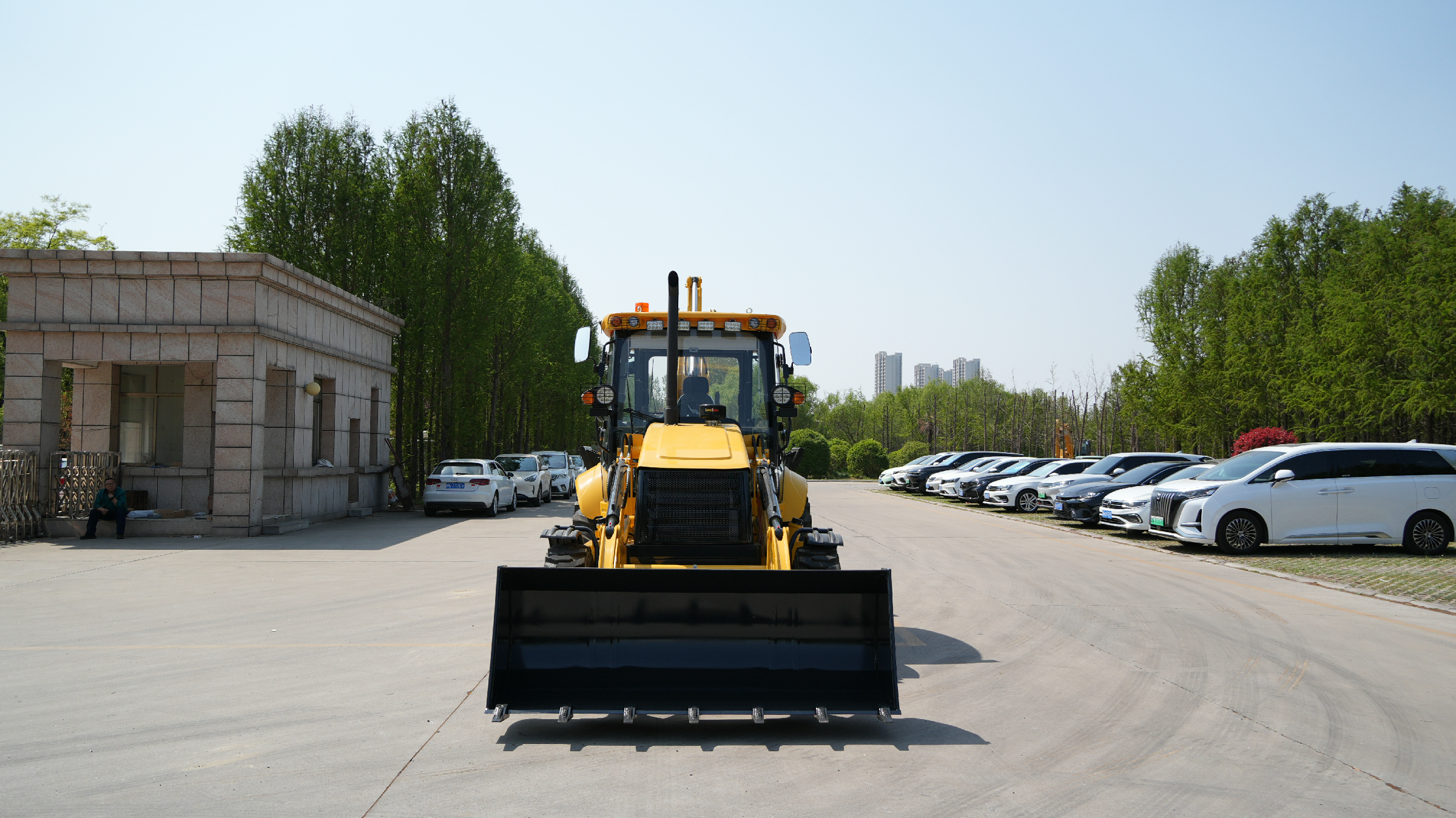
A backhoe loader is a versatile construction machine that combines two major functions in one unit.
The rear-mounted backhoe attachment is designed for excavation tasks such as digging trenches, foundations, and drainage systems.
The front loader bucket is used for material handling, loading, leveling, and moving soil or construction materials.
This combination allows one operator to perform multiple tasks without requiring separate machines.
Backhoe loaders are widely used in:
Construction projects
Utility installation
Road maintenance
Agriculture
Landscaping
Municipal work
Infrastructure development
Their popularity comes from versatility. Instead of purchasing an excavator and a separate loader for every smaller project, many contractors choose a backhoe loader because it can handle a wider range of tasks with one machine.
Before selecting a backhoe loader, buyers should first understand their actual workload.
Many purchasing mistakes happen because customers choose equipment based only on maximum specifications instead of real operating conditions.
The most important questions include:
What type of work will the machine perform?
How many hours will it operate each year?
What materials will it handle?
What digging depth is required?
Will it work in confined areas?
Does the machine need to move between multiple job sites?
Are attachments required?
A machine designed for utility trenching may not be the best choice for heavy excavation.
Similarly, a machine purchased for occasional farm maintenance may not require the same configuration as equipment used daily by a construction contractor.
Machine size is one of the first factors buyers consider.
However, bigger does not always mean better.
A larger backhoe loader may provide higher power and capacity, but it may also increase transportation requirements, operating costs, and limitations in restricted working areas.
A smaller machine may provide better maneuverability and lower operating costs.
The right size depends on:
Large construction projects may require higher-performance equipment, while smaller contractors may benefit from a more flexible machine.
Urban construction sites, residential projects, and utility work often involve limited space.
If the machine frequently moves between different sites, mobility becomes an important factor.
High-hour applications usually justify investing in higher-performance configurations.
The goal is to choose a machine that matches the majority of your workload.
Engine power affects overall machine performance, but it should not be considered separately from the hydraulic system and machine design.
A powerful engine helps support:
Digging operations
Loader performance
Transportation capability
Attachment operation
Heavy workload conditions
However, more horsepower does not automatically mean higher productivity.
The complete system matters.
A well-balanced backhoe loader should provide:
Efficient power delivery
Responsive hydraulic control
Stable operation
Suitable fuel consumption
Reliable performance
Buyers should evaluate how the machine converts engine power into actual working capability.
The hydraulic system is one of the most important components of a backhoe loader.
Excavation, lifting, loading, and attachment operation all depend on hydraulic performance.
A high-quality hydraulic system can improve:
Digging control
Operating smoothness
Attachment compatibility
Productivity
Operator efficiency
For contractors, hydraulic response directly affects daily work speed.
When comparing machines, buyers should consider hydraulic specifications together with actual application requirements.
For example, a contractor performing frequent trench excavation may prioritize digging control, while a material-handling application may place more emphasis on loader performance.
Digging capability is a key consideration for any backhoe loader purchase.
Important factors include:
This determines whether the machine can complete required excavation tasks.
Greater reach can reduce the need for frequent repositioning.
The right bucket size improves excavation efficiency.
A stable machine allows safer and more consistent digging performance.
Soil type, rocks, moisture, and terrain can all influence actual productivity.
Buyers should evaluate these factors based on their common projects rather than occasional extreme conditions.
The front loader is one of the major advantages of a backhoe loader.
It allows operators to handle materials after excavation.
Important loader considerations include:
Bucket capacity
Lifting capability
Loading height
Dump clearance
Material-handling requirements
The loader function is especially valuable for projects involving:
Soil movement
Gravel handling
Construction debris
Aggregate transportation
Site cleanup
A backhoe loader is not only a digging machine. Its front loader capability is one of the reasons it remains valuable for multi-purpose applications.
Attachments can significantly expand the applications of a backhoe loader.
Depending on project requirements, buyers may consider attachments for:
Trenching
Material handling
Breaking concrete
Landscaping
Utility installation
Specialized construction work
However, attachment selection should be based on actual demand.
Buying unnecessary attachments can increase investment without improving productivity.
A better approach is to identify the most common tasks first and configure the machine accordingly.
Construction contractors should evaluate the machine according to their typical projects.
For general construction, important factors include:
Excavation capability
Loading performance
Mobility
Hydraulic power
Attachment compatibility
Maintenance convenience
A contractor working on residential construction may prioritize versatility and maneuverability.
A contractor involved in infrastructure projects may require stronger excavation capability and higher operating endurance.
The right equipment choice depends on the company's project portfolio.
Maintenance directly affects machine availability.
Before purchasing a backhoe loader, buyers should consider:
Daily inspection points should be easy to access.
Replacement components should be available through reliable supply channels.
Manufacturers should provide clear maintenance information.
Key systems such as hydraulics, transmission, and engine components influence long-term ownership costs.
A machine with excellent specifications but poor service support can create unnecessary downtime.
Purchase price is only one part of equipment investment.
Long-term operating costs include:
Fuel consumption
Maintenance
Spare parts
Downtime
Transportation
Operator efficiency
A machine that performs multiple tasks can potentially reduce the need for additional equipment.
This is one reason many contractors choose backhoe loaders for mixed workloads.
Instead of purchasing separate machines for excavation and loading, a backhoe loader can provide both functions in one platform.
The manufacturer behind the machine is an important part of the purchasing decision.
Buyers should evaluate:
Manufacturing experience
Product range
Quality control
Technical support
Export experience
Spare parts capability
Customization options
A reliable manufacturer should understand different applications and help customers select suitable configurations.
For international buyers, communication and after-sales support are especially important.
MAXPOWER develops construction equipment solutions for customers requiring reliable machinery across different industries.
MAXPOWER Backhoe Loaders are designed for applications including:
General construction
Utility projects
Agricultural operations
Infrastructure development
Material handling
Site preparation
MAXPOWER also provides a wider equipment portfolio, including:
This allows customers to evaluate different equipment solutions according to project requirements.
Choosing the right backhoe loader requires a complete understanding of your projects, operating conditions, and long-term equipment goals.
The best machine is not necessarily the largest or most powerful option. It is the machine that provides the right balance between digging capability, loading performance, versatility, maintenance requirements, and operating costs.
Before purchasing, buyers should carefully evaluate machine specifications, application requirements, manufacturer support, and future workload.
MAXPOWER Backhoe Loaders provide a versatile solution for contractors, distributors, agricultural operators, and construction companies looking for equipment capable of handling multiple tasks with one machine.
The most important factor is matching the machine configuration with your actual workload, including digging requirements, material handling needs, and operating environment.
Choose a size based on project scale, working space, transportation requirements, and expected operating hours.
Yes, but engine power should be evaluated together with hydraulic performance, stability, and overall machine design.
Yes. Their ability to perform excavation, loading, trenching, and material handling makes them suitable for many construction applications.
Common attachments include different buckets, breakers, augers, and specialized tools depending on project requirements.
A backhoe loader is suitable for mixed applications requiring digging and loading, while excavators are better for large-scale excavation-focused projects.
MAXPOWER provides versatile construction equipment designed for excavation, loading, utility work, agriculture, and infrastructure applications.







