Maxpower Construction Machinery Manufacturer




The construction industry is entering a new stage of development as contractors, rental companies, and equipment buyers search for cleaner and more efficient machinery solutions. Among these innovations, the electric mini excavator has become an increasingly popular choice for projects that require compact size, low noise, and environmentally friendly operation.
Traditional diesel-powered excavators remain widely used, but changing construction requirements are creating new opportunities for electric-powered alternatives. Urban development, indoor construction, landscaping, and utility projects often require machines that can operate in areas where emissions and noise are limited.
An electric mini excavator provides a practical solution by combining compact digging capability with battery-powered technology. With lower operating costs, reduced maintenance needs, and zero direct emissions during operation, these machines are becoming an important part of the future of electric construction equipment. Industry organizations have highlighted that compact machines are among the first construction equipment categories to adopt electrification because their size and duty cycles are well suited for battery power.
An electric mini excavator is a compact excavating machine powered by electricity instead of a traditional diesel engine.
The machine typically includes:
Battery pack system
Electric motor
Hydraulic drive system
Intelligent control system
Charging management technology
Like conventional mini excavators, electric models can perform essential tasks such as:
Digging trenches
Moving materials
Landscaping work
Utility installation
Small foundation preparation
The difference is that electric power replaces fuel combustion, allowing the machine to operate with significantly lower noise and without direct exhaust emissions.
For contractors working in urban environments or environmentally sensitive areas, an electric mini excavator provides greater flexibility compared with traditional equipment.
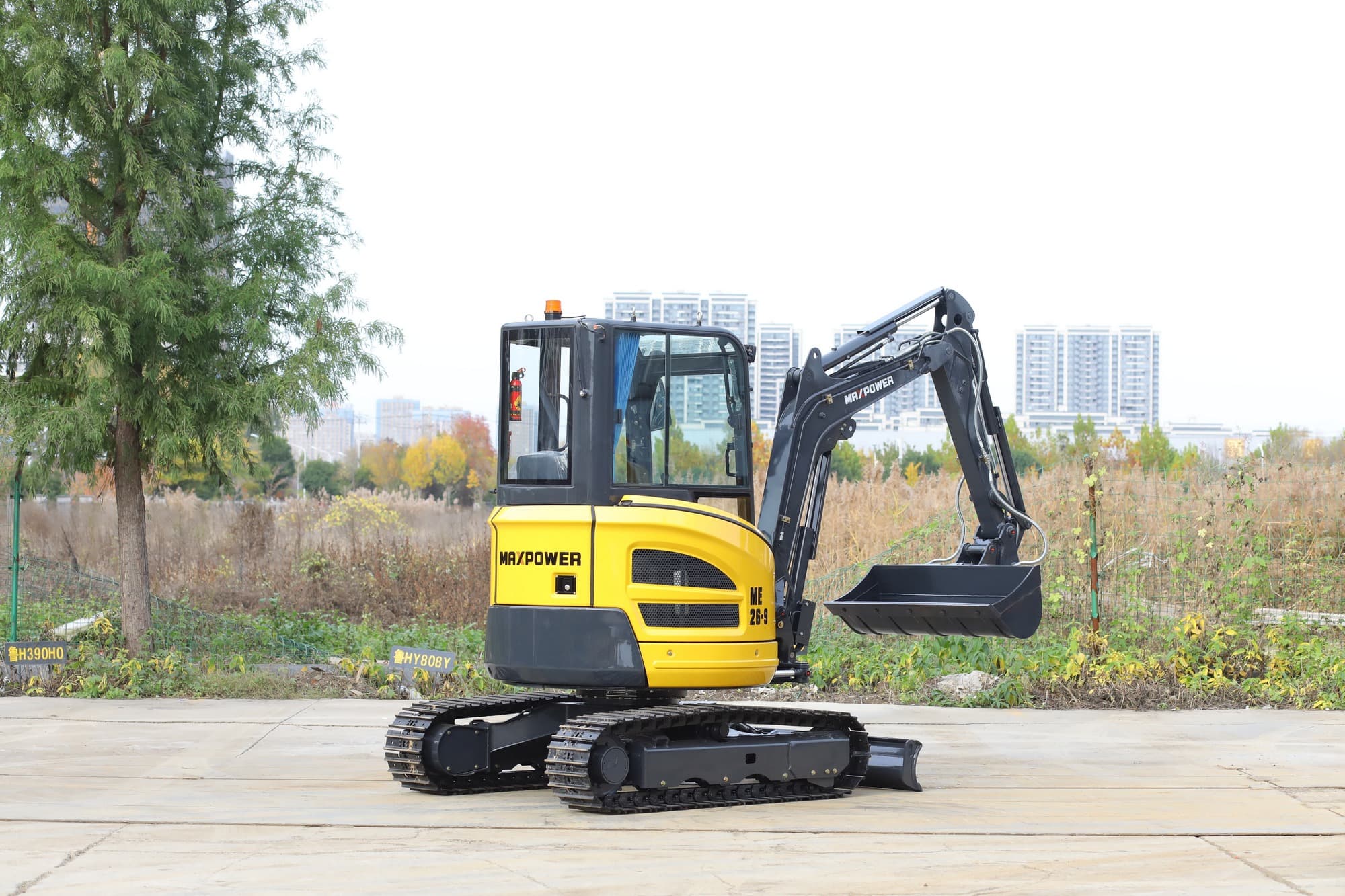
The adoption of electric construction machinery is driven by several important factors, including environmental regulations, operating costs, and changing jobsite requirements.
One of the biggest advantages of an electric mini excavator is its ability to operate without direct exhaust emissions.
Construction companies are increasingly focusing on reducing environmental impact. Electric machines help support these goals by eliminating diesel exhaust at the point of operation.
This makes them especially suitable for:
City construction projects
Indoor applications
Green building projects
Government infrastructure projects
According to construction equipment industry analysis, compact electric machines are currently leading electrification because they are easier to adapt to battery systems and are often used in locations where emissions and noise restrictions matter.
Noise control has become a major consideration for many construction projects.
A diesel-powered excavator can create significant engine noise, which may affect nearby residents, businesses, or workers.
An electric mini excavator operates much more quietly, making it suitable for:
Residential construction
Schools
Hospitals
Parks
Indoor renovation projects
Lower noise levels allow contractors to work in locations where traditional equipment may face restrictions.
Electric machines have fewer mechanical components compared with diesel-powered equipment.
A traditional excavator requires regular maintenance for:
Engine oil changes
Fuel systems
Exhaust components
Engine parts
An electric mini excavator reduces many of these maintenance requirements, helping businesses lower downtime and improve equipment availability.
For companies managing multiple machines, reduced maintenance can create long-term cost advantages.
Choosing between electric and diesel equipment depends on the project requirements.
| Comparison | Electric Mini Excavator | Diesel Mini Excavator |
|---|---|---|
| Energy Source | Battery power | Diesel fuel |
| Emissions | Zero direct emissions | Exhaust emissions |
| Noise Level | Low noise operation | Higher engine noise |
| Maintenance | Fewer mechanical parts | More regular maintenance |
| Operating Cost | Lower energy and service costs | Higher fuel expenses |
| Ideal Applications | Urban, indoor, environmentally sensitive projects | General construction sites |
For many small and medium-scale projects, the electric option provides enough performance while offering additional environmental benefits.
The compact design of an electric mini excavator makes it suitable for a wide range of industries.
Modern cities often have limited working space and strict environmental requirements.
Compact electric excavators are commonly used for:
Underground pipe installation
Cable construction
Road maintenance
Sidewalk repair
Small excavation projects
Their smaller footprint allows operators to work efficiently in narrow spaces.
Landscaping companies need equipment that can operate precisely without disturbing surrounding areas.
An electric mini excavator is suitable for:
Garden construction
Tree planting
Irrigation projects
Small earthmoving tasks
Quiet operation is particularly valuable when working near residential communities.
Indoor projects create unique challenges because ventilation and noise control are important.
A battery powered excavator can support:
Factory renovation
Warehouse modification
Indoor demolition
Underground construction
Without diesel exhaust emissions, electric machines create a cleaner working environment.
Rental companies are also paying more attention to electric equipment options.
Adding an electric mini excavator to a rental fleet can provide:
More equipment choices for customers
Access to environmentally focused projects
Lower maintenance requirements
New business opportunities
As more contractors adopt sustainable construction methods, demand for electric rental equipment is expected to increase.
Selecting the right machine requires careful evaluation of several factors.
Battery performance directly affects productivity.
Before purchasing, buyers should consider:
Working hours per charge
Charging time
Battery lifespan
Daily project requirements
A properly sized battery system ensures that the machine can complete expected workloads efficiently.
Although compact, an electric mini excavator must provide reliable working performance.
Important specifications include:
Maximum digging depth
Bucket capacity
Hydraulic power
Lifting capability
Operating weight
The best machine depends on the type of construction applications it will handle.
One of the biggest advantages of mini excavators is mobility.
A compact electric excavator should be easy to:
Transport between job sites
Operate in restricted areas
Store when not in use
For contractors managing multiple small projects, transport efficiency is an important purchasing factor.
Charging availability should also be considered before purchasing an electric construction machine.
Businesses should evaluate:
Charging location
Power supply availability
Charging speed
Daily operation schedule
Proper charging planning helps maximize machine utilization.
As demand for cleaner construction solutions grows, MaxPower provides electric excavator solutions designed for modern jobsite requirements.
MaxPower electric mini excavators combine compact machine design with battery-powered technology to support applications where low emissions, quiet operation, and efficient performance are essential.
For contractors, landscaping companies, and equipment distributors, MaxPower's electric excavator solutions provide an option for improving productivity while adapting to the changing construction environment.
By choosing advanced electric construction equipment, businesses can reduce operating challenges while preparing for the future development of sustainable machinery.
The market for electric construction machinery continues to develop as battery and control technologies improve.
Future improvements will focus on:
Longer operating hours
Faster charging
Better energy management
Increased battery lifespan
These developments will make electric mini excavators suitable for more demanding applications.
Electric machines are also becoming more connected through digital technology.
Future systems may include:
Remote monitoring
Intelligent maintenance alerts
Operation data tracking
Equipment management platforms
These features can help contractors improve efficiency and reduce unexpected downtime.
Governments and businesses worldwide are increasing their focus on sustainable construction.
This trend will continue driving demand for:
Electric excavators
Battery powered construction equipment
Zero emission machinery
An electric mini excavator is used for small-scale excavation work, including landscaping, utility installation, indoor construction, and urban projects.
Yes. Modern electric mini excavators provide sufficient performance for many compact construction applications while offering advantages such as lower noise and emissions.
Operating time depends on battery capacity, machine specifications, workload, and working conditions.
Electric models offer:
Lower emissions
Reduced noise
Lower maintenance requirements
Better suitability for restricted environments
The electric mini excavator is becoming an important solution for the next generation of construction projects. With advantages including quiet operation, reduced maintenance, and zero direct emissions, compact electric machines provide new possibilities for contractors and equipment users.
As construction requirements continue to change, electric-powered machinery will play a larger role in urban development, landscaping, and specialized projects.
For companies looking for reliable electric construction solutions, MaxPower electric mini excavators offer a modern approach that combines compact performance with sustainable technology.
Investing in the right electric excavator today can help businesses improve efficiency, reduce operating costs, and prepare for the future of construction.







