Jining Maxpower Machinery Co., Ltd.




Railway construction is one of the most demanding sectors of infrastructure development, requiring precision, efficiency, and reliable heavy equipment. From preparing the construction corridor to excavating foundations, installing drainage systems, and handling construction materials, excavators play a critical role throughout every phase of a railway project.
Unlike general construction, railway projects often involve long working distances, strict engineering specifications, and challenging terrain. Contractors need equipment that can operate continuously while delivering stable hydraulic performance and excellent fuel efficiency.
MAXPOWER excavators are engineered to meet these demands, helping contractors complete railway construction projects with greater productivity, reliability, and operational flexibility.
Railway projects require extensive earthmoving before tracks can be installed. Contractors must excavate large volumes of soil, construct embankments, prepare drainage systems, and build stable foundations capable of supporting heavy rail traffic.
Excavators are widely used because they can perform multiple tasks without requiring several different machines. Their versatility allows contractors to improve equipment utilization while reducing overall project costs.
Whether constructing new railway lines or upgrading existing networks, excavators remain indispensable on modern rail projects.
Every railway begins with proper site preparation.
Before construction starts, contractors must clear vegetation, remove unsuitable soil, and create access roads for construction equipment.
Excavators efficiently handle these early-stage operations by:
Removing trees and brush
Stripping topsoil
Excavating unstable ground
Preparing temporary haul roads
Loading excavated material
Efficient site preparation creates a stable foundation for the next stages of construction.
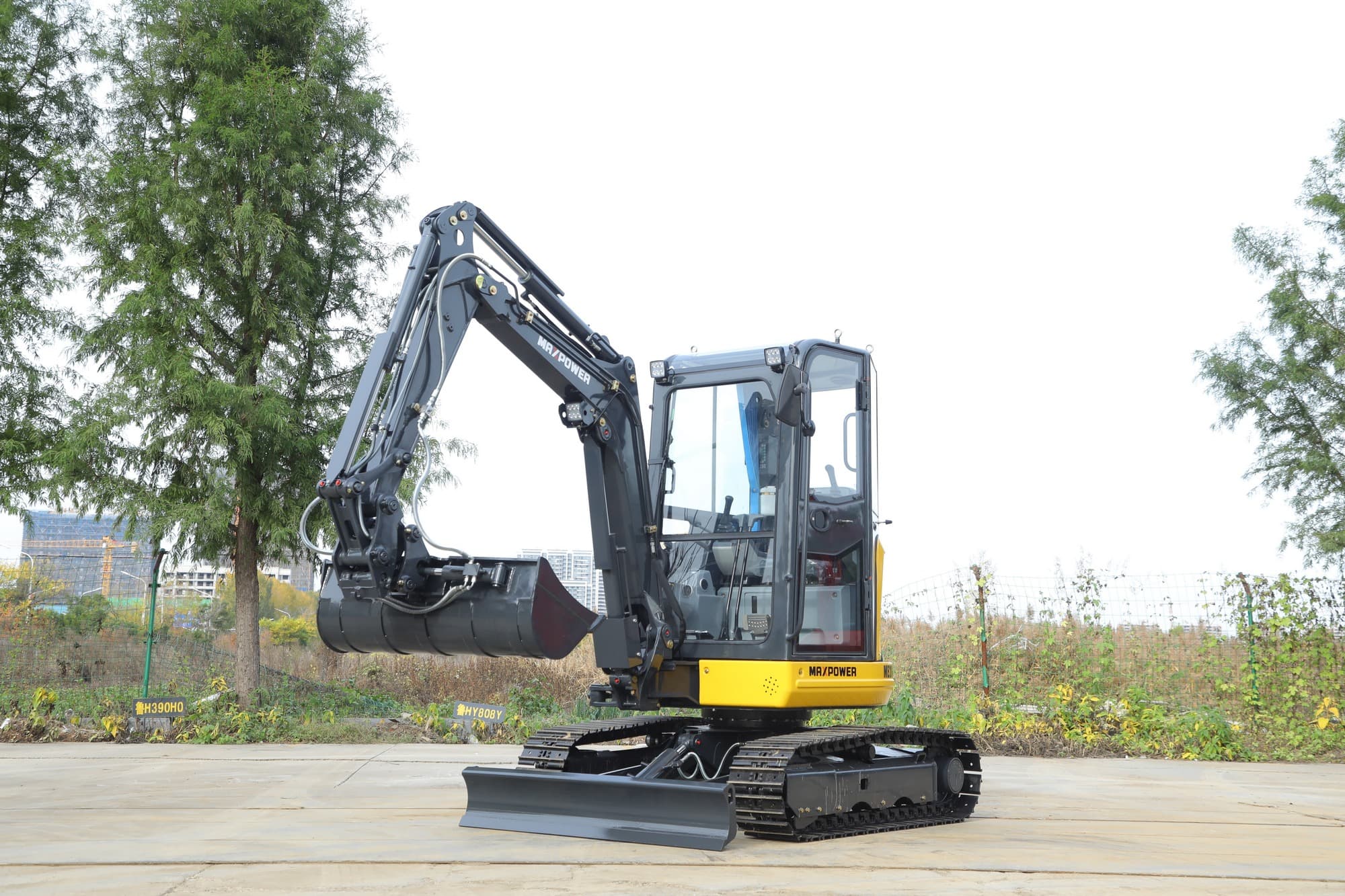
Railway lines require carefully designed embankments to provide long-term stability.
Excavators are used to:
Cut through hillsides
Build earth embankments
Shape slopes
Move fill material
Support grading operations
Accurate earthmoving helps ensure proper alignment and minimizes future maintenance requirements.
Reliable hydraulic control allows operators to work efficiently while maintaining precise excavation depths.
Effective drainage is critical for railway safety and durability.
Poor drainage can weaken track foundations, leading to settlement and increased maintenance costs.
Excavators assist with:
Drainage trench excavation
Culvert installation
Water channel construction
Stormwater management systems
Proper drainage extends the service life of railway infrastructure while improving operational safety.
Modern railway systems include numerous underground utilities and communication networks.
Excavators help install:
Electrical conduits
Signal system foundations
Communication cable trenches
Fiber optic infrastructure
Water and drainage pipelines
Precise hydraulic operation helps contractors work safely around existing underground services.
Railway construction involves continuous movement of aggregate, ballast, concrete components, steel materials, and excavated soil.
Excavators improve material handling efficiency by:
Loading dump trucks
Moving construction materials
Positioning heavy components
Cleaning work areas
Supporting logistics operations
Efficient material movement reduces idle time and keeps construction schedules on track.
Selecting an excavator for railway construction requires more than comparing engine power.
Important considerations include:
Smooth hydraulic performance improves digging precision, lifting control, and attachment operation.
Railway projects often continue for months under demanding working conditions. Reinforced structural components help machines withstand continuous operation.
Reducing fuel consumption helps lower operating costs, particularly on large infrastructure projects with extended working hours.
Comfortable cabins with excellent visibility improve productivity during long shifts and help reduce operator fatigue.
Quick access to service points helps minimize downtime and keeps equipment available for daily operations.
Infrastructure contractors require machines that deliver dependable performance throughout every stage of construction.
MAXPOWER excavators offer:
Reliable hydraulic systems
Durable structural design
Excellent digging performance
Versatile attachment compatibility
Stable operation in demanding environments
These advantages allow contractors to complete railway projects more efficiently while maintaining high equipment utilization.
As governments continue investing in environmentally friendly transportation systems, railway construction is expanding worldwide.
Modern contractors increasingly seek equipment that offers:
Improved fuel efficiency
Reduced emissions
Longer service life
Lower maintenance requirements
Higher operational productivity
MAXPOWER continues to develop construction equipment that supports these evolving industry requirements while helping customers improve long-term project performance.
Before purchasing an excavator, contractors should evaluate:
Project length
Soil conditions
Excavation depth
Material handling requirements
Attachment compatibility
Transportation logistics
Daily operating hours
Choosing equipment that matches project requirements helps maximize productivity and reduce lifecycle operating costs.
Railway construction demands reliable equipment capable of handling earthmoving, drainage installation, utility excavation, and material handling with consistent performance.
MAXPOWER excavators provide the durability, hydraulic efficiency, and operational versatility required for modern railway infrastructure projects. Whether working on new rail corridors, upgrading existing lines, or supporting station construction, MAXPOWER helps contractors complete projects efficiently and confidently.
They support earthmoving, drainage installation, foundation excavation, utility work, and material handling throughout the construction process.
Medium and large excavators are commonly selected depending on project scale and working conditions.
Yes. Excavators are widely used for trenching, culvert installation, and stormwater drainage construction.
Reliable hydraulics, durable construction, fuel efficiency, operator comfort, and easy maintenance are key considerations.
MAXPOWER excavators provide dependable performance, durable engineering, and versatile capabilities for demanding railway construction projects.







