Jining Maxpower Machinery Co., Ltd.




Construction projects are becoming more diverse. While large-scale excavators remain essential for major earthmoving operations, many contractors are facing a different challenge: completing professional construction tasks in smaller, more restricted, or more complex working environments.
This is where a Mini Excavator becomes an important equipment solution.
Designed with compact dimensions, flexible operation, and efficient performance, mini excavators are widely used for construction, landscaping, utility installation, agriculture, infrastructure maintenance, and other applications where larger machines may not be practical.
For contractors, rental companies, and equipment distributors, selecting the right mini excavator is not simply about choosing the smallest machine available. The ideal equipment should provide a balance between compact size, digging performance, hydraulic capability, reliability, and long-term operating value.
MAXPOWER provides professional construction equipment solutions, including Excavators, Electric Excavators, Specialty Excavators, and Backhoe Loaders.
For global buyers looking for flexible construction machinery, understanding the advantages and applications of mini excavators can help make a more practical purchasing decision.
A mini excavator is a compact construction machine designed for excavation and material handling tasks in areas where space, accessibility, or operating conditions limit the use of larger equipment.
Although smaller than standard excavators, mini excavators still provide essential excavation functions through:
Hydraulic digging systems
Boom and arm structures
Excavation buckets
Compact undercarriage systems
Operator control systems
Mini excavators are commonly used for:
Trenching
Landscaping
Pipeline installation
Foundation preparation
Site maintenance
Agricultural projects
Small-scale demolition
Their compact design allows contractors to complete professional work while reducing transportation requirements and improving jobsite flexibility.
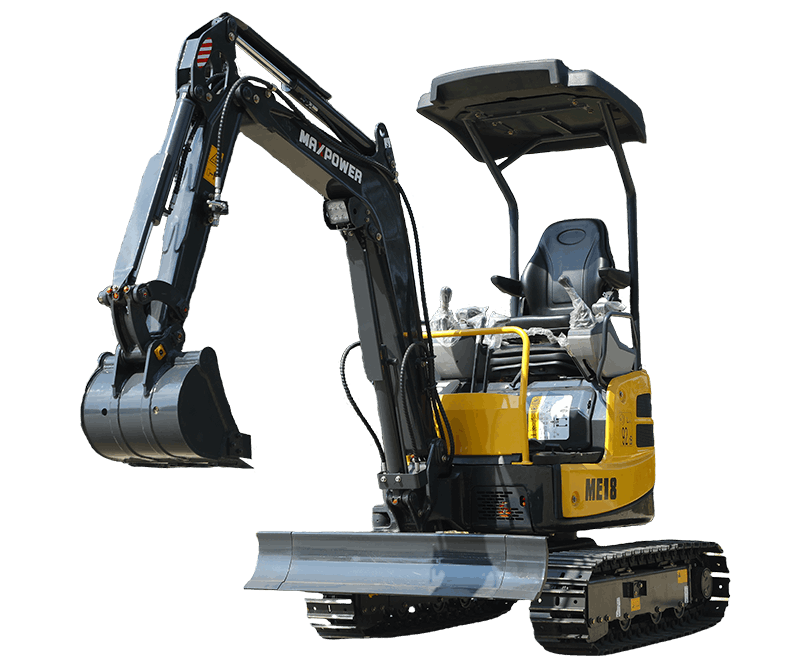
The increasing demand for mini excavators is closely connected with changes in modern construction.
Many projects today are not only about moving large volumes of soil. They require equipment that can operate efficiently in limited spaces and adapt to different working environments.
Several factors are driving the popularity of mini excavators.
Urban construction sites often have restricted access.
Contractors may need to work:
Between buildings
Along narrow roads
In residential areas
Inside commercial properties
Around existing infrastructure
A compact excavator can access areas where larger machines cannot operate efficiently.
Large construction equipment often requires specialized transportation.
Mini excavators are easier to move between job sites because of their smaller dimensions and lower transport requirements.
This can benefit:
Small contractors
Rental companies
Maintenance teams
Landscaping businesses
A mini excavator can support multiple industries.
With suitable attachments, it can perform different tasks without requiring a large equipment fleet.
Many buyers ask whether a mini excavator is capable of professional construction work.
The answer is yes. While it is not designed to replace every large excavator application, it provides excellent performance for many specific tasks.
Utility contractors frequently use mini excavators for projects involving:
Water pipes
Electrical cables
Communication lines
Drainage systems
The compact size allows operators to work near existing infrastructure with better control.
Landscaping is one of the most common applications for mini excavators.
They are used for:
Garden preparation
Pond excavation
Tree planting preparation
Ground leveling
Small retaining wall projects
Compared with manual labor, mini excavators significantly improve efficiency while maintaining precision.
Residential construction often requires equipment that can work within limited spaces.
Mini excavators are commonly used for:
Foundation preparation
Driveway construction
Drainage installation
Site cleanup
Small demolition work
Farm and rural projects often require flexible machinery.
Mini excavators can support:
Irrigation installation
Land improvement
Drainage work
Farm infrastructure projects
Infrastructure maintenance frequently involves smaller excavation requirements.
Examples include:
Roadside repairs
Pipeline maintenance
Underground utility repairs
Public facility improvements
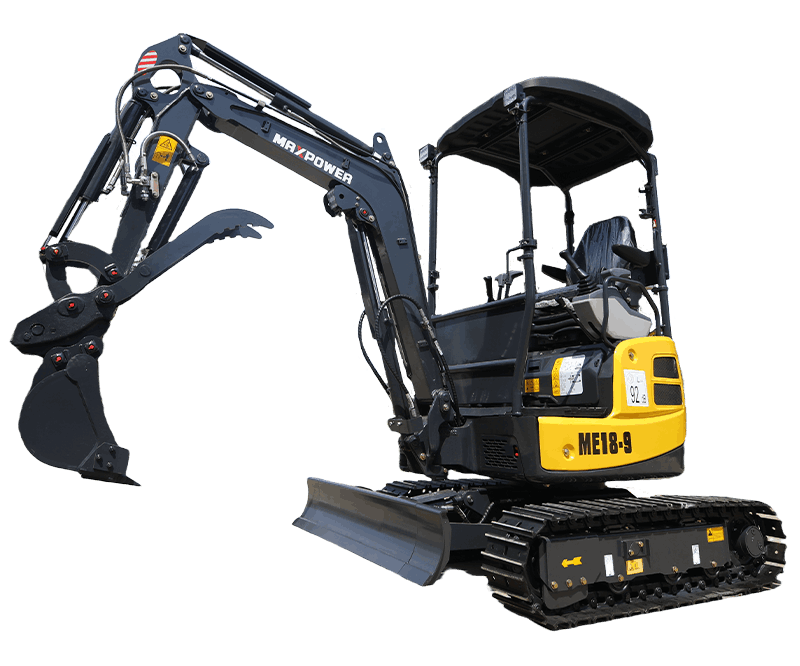
Mini excavators offer several benefits compared with larger construction machines.
The biggest advantage is flexibility.
A smaller machine can operate in locations where larger excavators may struggle.
This is particularly valuable for:
Urban environments
Residential projects
Narrow access areas
Mini excavators allow contractors to complete small and medium tasks without bringing oversized equipment to the site.
This can improve:
Project scheduling
Equipment utilization
Transportation efficiency
Compared with larger machines, mini excavators generally require fewer resources for:
Transportation
Storage
Jobsite preparation
This makes them attractive for smaller contractors and businesses.
Attachments can expand the capabilities of mini excavators.
Depending on configuration, they may support tools such as:
Different digging buckets
Hydraulic breakers
Augers
Grapples
Other specialized attachments
Attachment compatibility should always be confirmed with the manufacturer before purchase.
The choice between a mini excavator and a standard excavator depends on project requirements.
A standard excavator is usually preferred for:
Large-scale excavation
Heavy earthmoving
Mining applications
Deep foundation work
High-volume material handling
A mini excavator is often better suited for:
Small construction projects
Urban work
Landscaping
Utility installation
Limited-access areas
The key difference is not simply machine size.
It is matching equipment capability with the actual workload.
A contractor working on residential utility projects may achieve better productivity with a mini excavator than with a much larger machine that cannot easily access the site.
Selecting the right mini excavator requires evaluating several technical and operational factors.
Operating weight affects:
Stability
Transportation
Ground pressure
Lifting capability
The machine should match the type of work it will perform.
Important factors include:
Maximum digging depth
Digging reach
Bucket capacity
Hydraulic power
A compact machine should still provide sufficient excavation capability.
Hydraulic performance directly influences working efficiency.
A reliable hydraulic system supports:
Smooth operation
Attachment performance
Precise control
Consistent productivity
Before purchasing, buyers should evaluate:
Trailer requirements
Machine dimensions
Jobsite accessibility
Local transportation regulations
Easy transportation can significantly improve equipment utilization.
For overseas buyers, supplier support is an important factor.
Consider:
Spare parts availability
Technical documentation
Maintenance guidance
Warranty policies
Communication efficiency
A reliable manufacturer can help customers maximize equipment value over the machine lifecycle.
Mini excavators are widely used in equipment rental markets because they serve many customer groups.
Rental customers may include:
Landscaping contractors
Home builders
Utility companies
Maintenance teams
Small construction companies
Because mini excavators are suitable for many applications, they can provide strong equipment utilization.
However, rental companies should still evaluate local demand, maintenance requirements, and manufacturer support before expanding their fleet.
For overseas buyers, purchasing a mini excavator involves more than selecting a machine model.
Important considerations include:
Different regions may have different expectations regarding:
Machine configuration
Safety requirements
Emission standards
Documentation
Reliable spare parts supply helps reduce downtime.
Clear communication with the manufacturer is important for:
Operation guidance
Maintenance questions
Troubleshooting
Buyers should consider:
Machine dimensions
Packaging requirements
Shipping arrangements
Working with an experienced manufacturer can simplify the purchasing process.
MAXPOWER focuses on providing reliable construction equipment solutions for global customers.
The company understands that contractors need machinery that combines performance, flexibility, and long-term reliability.
MAXPOWER offers construction equipment solutions including:
For customers requiring compact excavation solutions, selecting the right machine configuration is essential.
MAXPOWER works with customers to provide construction machinery suitable for different applications, from general construction to specialized projects.
Choosing the manufacturer is a critical part of the purchasing process.
A professional mini excavator manufacturer should provide:
The manufacturer should understand excavator design, hydraulic systems, and different application requirements.
Consistent manufacturing processes help ensure reliable machine performance.
Different markets and applications may require different configurations.
Technical assistance and spare parts availability are essential for long-term operation.
International buyers benefit from suppliers familiar with overseas markets and logistics requirements.
The demand for compact construction equipment is expected to continue growing.
Several trends are influencing the future development of mini excavators:
Improved hydraulic efficiency
Smart control systems
Lower emissions
Electric power solutions
Better operator comfort
As construction projects become more specialized, compact equipment will continue playing an important role in improving flexibility and efficiency.
Mini excavators provide a practical solution for contractors who need reliable excavation capability in compact and challenging working environments.
Their combination of maneuverability, versatility, and efficient operation makes them suitable for construction, utilities, landscaping, agriculture, and maintenance projects.
For buyers, the most important factor is selecting a machine that matches actual project requirements.
A reliable mini excavator should provide the right balance of performance, durability, attachment flexibility, and manufacturer support.
MAXPOWER provides construction machinery solutions designed for global contractors, distributors, and equipment buyers seeking dependable equipment for modern construction applications.
A mini excavator is used for small and medium excavation tasks, including trenching, landscaping, utility installation, foundation preparation, and maintenance projects.
Yes. Mini excavators are widely used by professional contractors for projects where compact size and flexibility are important.
Mini excavators are smaller and more maneuverable, making them suitable for limited spaces. Standard excavators provide higher capacity for large-scale excavation work.
Yes. Their compact design and precise control make them highly suitable for landscaping and property improvement projects.
Consider operating weight, digging performance, hydraulic capability, attachments, transportation requirements, and manufacturer support.
Many mini excavators support various attachments, but compatibility should be confirmed according to the machine model and hydraulic system.
MAXPOWER provides a range of construction machinery solutions, including excavators, electric excavators, specialty excavators, backhoe loaders, and rotary drilling rigs for global customers.







