Maxpower Construction Machinery Manufacturer




The last place a buyer wants to discover an engine mismatch is after the excavator has arrived.
A familiar model name is not enough to prevent that problem. When comparing quotations, the machine designation, engine code, rated output, and emissions documentation need to describe the same configuration.
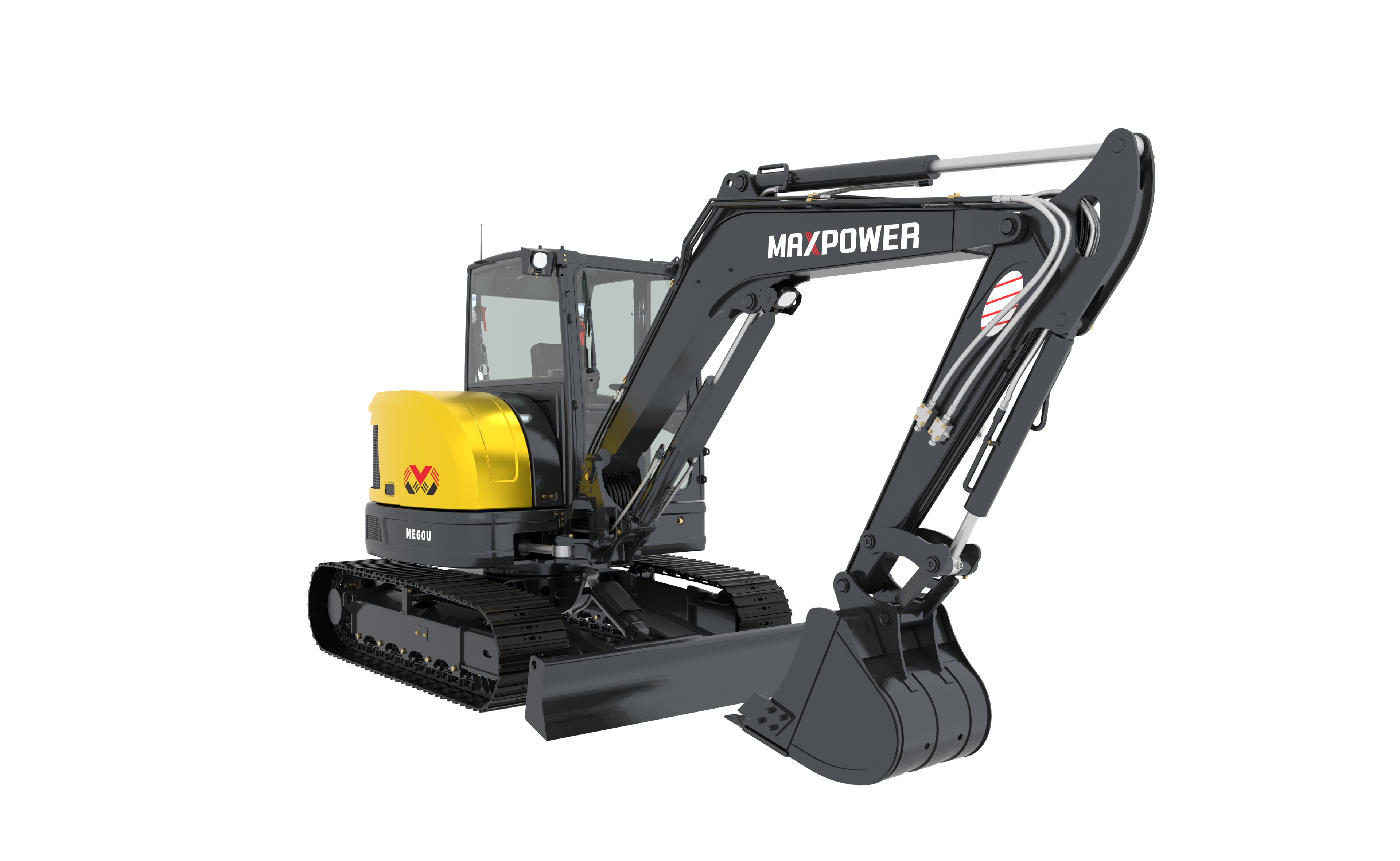
The MAXPOWER ME60.9 provides a useful example. Its product range includes a separately listed Stage V version with a different engine specification from the other ME60.9 listing. For contractors and distributors, understanding that distinction is more useful than treating “Stage V” as a general product label.
Stage V concerns pollutant emissions from engines used in non-road mobile machinery. The European Commission includes excavators within this machinery category and explains that the relevant framework establishes emission limits and engine type-approval procedures. It is not a digging-performance classification.
For buyers, the practical distinction is straightforward: excavation capability and emissions compliance require separate checks.
Start with the project’s machine requirements, then establish which engine configuration and supporting documentation are appropriate for the destination market. The Commission’s guidance on non-road machinery emissions provides the regulatory background.
The ME60.9 Stage V product page specifies a 4TNV98C engine rated at 42.4 kW at 2,000 rpm. The other ME60.9 listing specifies a 4TNV98 engine rated at 46.3 kW at 2,200 rpm. These figures belong to different published configurations and should not be combined.
Write the complete version into your inquiry. “ME60.9 Stage V with the specified engine configuration” gives the supplier a clearer instruction than “ME60 excavator.”
For repeat orders, retain the agreed specification rather than relying on the previous machine’s appearance.
Several headline figures are shared. Both pages list 6 tonnes operating weight, a 0.22 m³ bucket, and 156.5 L/min maximum hydraulic flow. They also publish the same overall length and width: 5,960 mm and 1,960 mm.
Those similarities explain why a quick comparison can miss the engine difference.
They do not establish that every component, service requirement, or delivered option is interchangeable. Compare the complete configuration sheets, particularly when a distributor is ordering machines for more than one market.
The published ratings alone do not answer that question. They identify different engines rated at different rotational speeds; they are not results from a matched excavation test. Neither ME60.9 page provides a comparative production test for the two configurations.
To assess the machine for your operation, request a demonstration using representative material and a clearly defined task. Record the bucket configuration, operating mode, completed work, and elapsed time.
Keep two questions separate: whether the proposed machine meets the required engine specification, and whether it completes your normal work at an acceptable rate. One does not prove the other.
No. Stage V sets limits for regulated pollutants; it does not turn a diesel excavator into an exhaust-free machine. The European Commission identifies gaseous pollutants and particulate matter among the emissions addressed by the non-road machinery framework.
This distinction matters when a project specification requires equipment with no combustion exhaust at the point of use. Do not substitute “Stage V” for that requirement.
Ask the project owner to clarify the actual equipment criterion before selecting the machine.
Request clear photographs of the engine identification and statutory markings before dispatch, together with the applicable type-approval information.
EU rules require manufacturers to mark engines produced in conformity with an approved type. That makes the identification on the actual engine relevant—not just the description in a sales document.
Have your importer or compliance adviser compare the supplied information with the requirements for the destination and proposed import.
For purchasing records, keep the machine serial number, engine identification, and agreed configuration together. That creates a useful reference for acceptance checks and later service inquiries.
No. Engine-emissions approval and machinery conformity address different requirements. The European Commission treats non-road engine emissions separately from the essential health and safety requirements governing machinery.
A Stage V engine description should therefore not be treated as proof that every requirement for the complete excavator has been satisfied.
For an EU-bound order, review the applicable declaration of conformity, instructions, machine identification, and engine documentation with the party responsible for compliance. Check the requirements applicable when the equipment is placed on the market.
The Commission’s machinery guidance is a useful reference for keeping these obligations separate.
The public ME60.9 Stage V specification does not detail the installed exhaust-aftertreatment layout, regeneration procedure, or any fluid requirements associated with that system. Those details should not be guessed from the Stage V designation.
Request the operating and maintenance documents for the supplied configuration before handover.
Have the operator review warning indications and any required responses with the supplier. Ask the maintenance team to confirm the specified service materials, inspection points, and parts references.
For a distributor, the same information should reach the customer receiving the machine. A product brochure is not a substitute for configuration-specific operating instructions.
Make the order precise enough that the delivery can be checked against it.
Record the full machine version, engine designation, rated output, supplied equipment, and required documentation. Identify the destination market and describe the work the excavator will perform.
Also establish how proposed configuration changes will be approved. A substitute engine or revised specification should trigger a fresh review rather than being accepted because the machine remains in the same weight class.
For fleet purchases, retain one approved specification sheet per configuration. That is clearer than keeping several quotations under the same shortened model name.
A Stage V excavator should be selected by its complete configuration, not by the emissions label alone.
The ME60.9 comparison shows why engine codes and rating conditions deserve attention even when bucket capacity and machine dimensions look familiar. Confirm the proposed version, assess its working performance, and review the documentation for the actual equipment being supplied.
Contact MAXPOWER with your destination market, excavation requirements, and expected operating pattern. Request the ME60.9 Stage V configuration sheet and supporting technical documentation before finalizing your order.
For service-related questions, use MAXPOWER’s repair and maintenance contact to discuss documentation for the supplied machine.
MAXPOWER lists the 4TNV98C engine, rated at 42.4 kW at 2,000 rpm.
No. The other listing’s 46.3 kW rating belongs to its separately specified engine configuration.
No. It establishes pollutant-emission limits for combustion engines, not exhaust-free operation.
No. Engine-emissions requirements and machinery conformity need separate evaluation.
Request the confirmed configuration, machine and engine identification, applicable approval information, and operating and maintenance documents.







